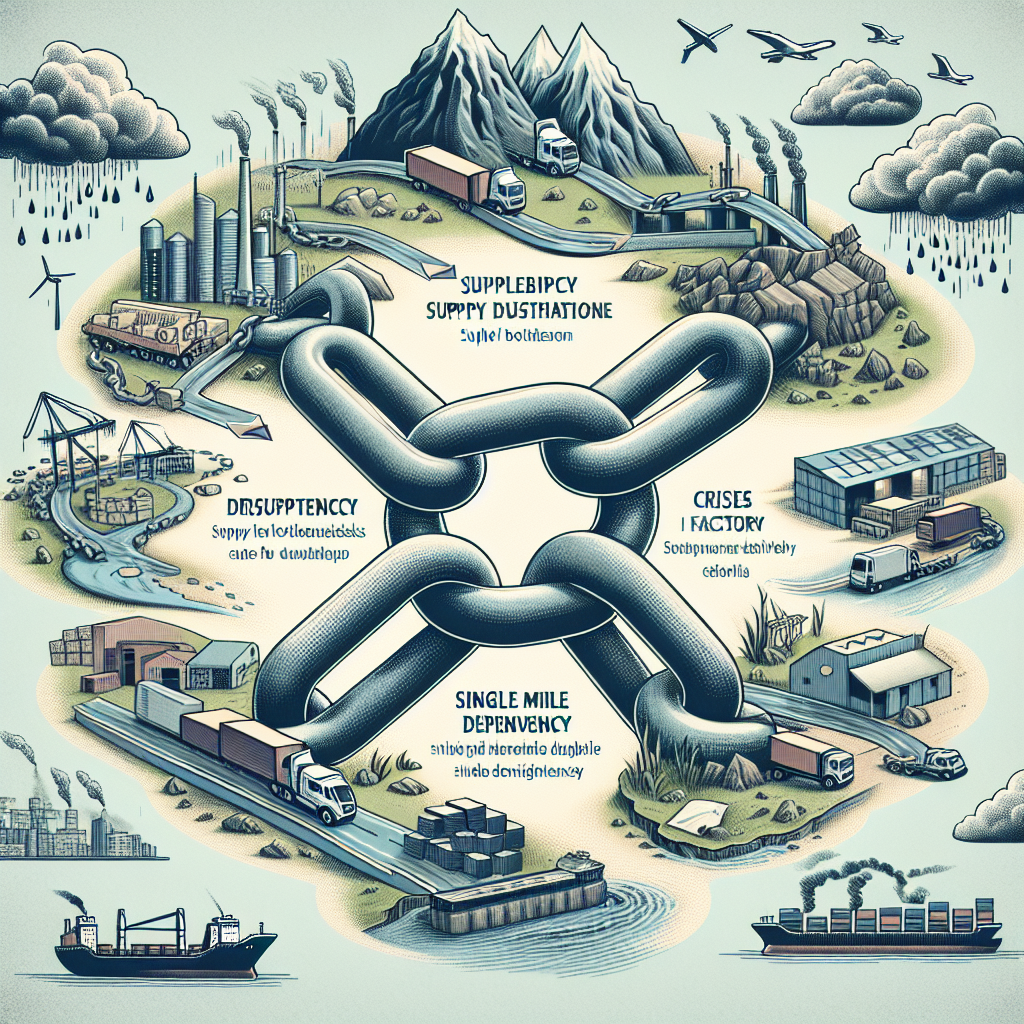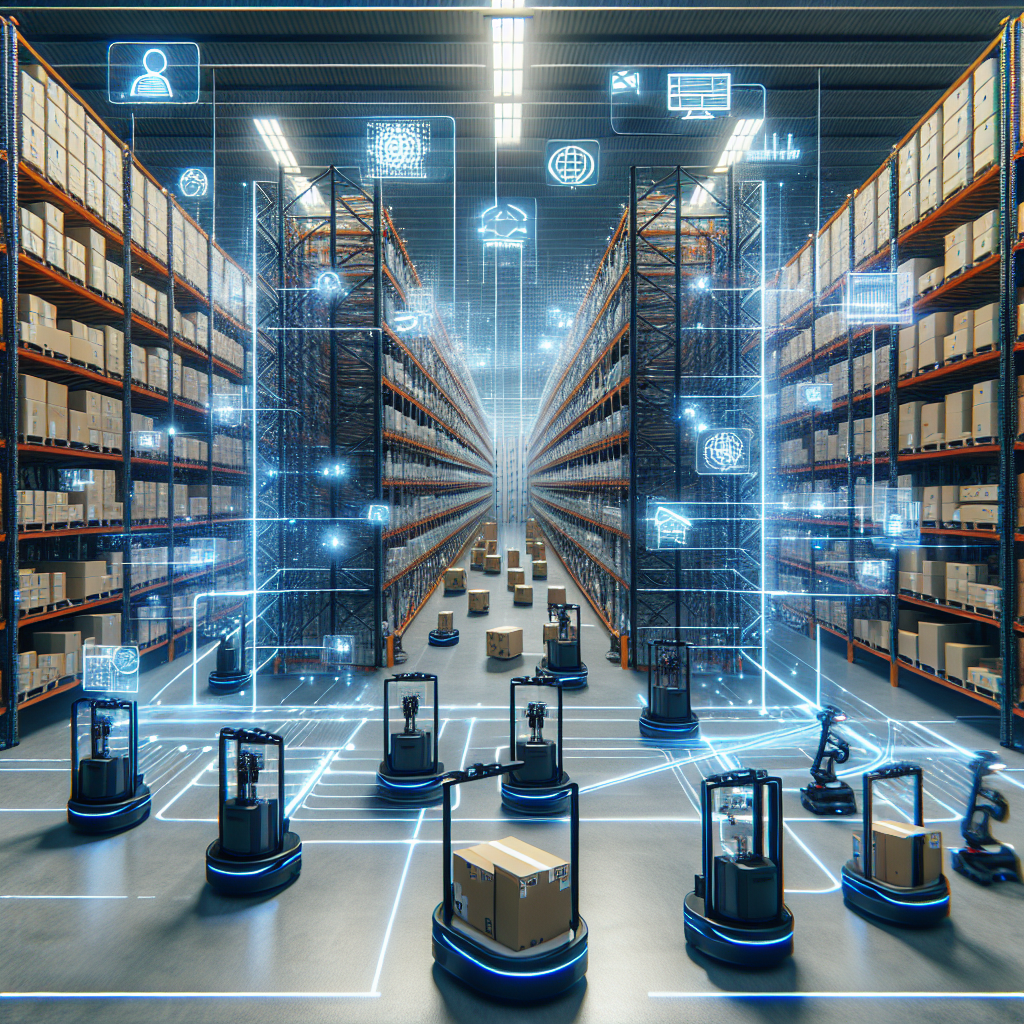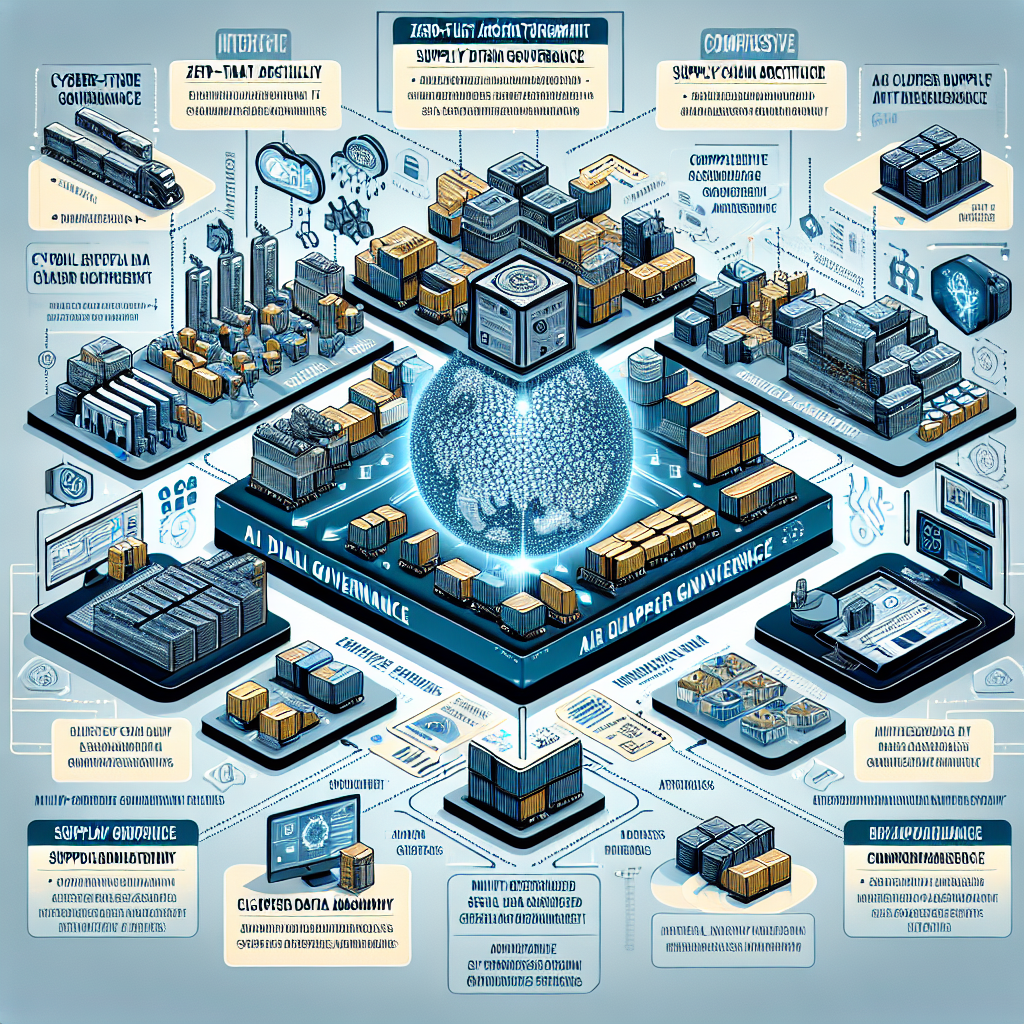








Global supply chains have never been more vulnerable. From pandemic-era port backlogs to geopolitical conflicts rerouting cargo ships, businesses of every size are feeling the pressure of unpredictable shipping disruptions. The good news? Modern inventory management software has evolved into a powerful shield — giving operations teams the data, automation, and foresight they need to keep shelves stocked and customers satisfied even when the logistics world is in chaos.
The Real Cost of Logistics Disruptions on Modern Businesses
A single logistics disruption can cascade into lost revenue, damaged customer relationships, and bloated emergency freight costs. According to a McKinsey Global Institute report, companies can expect supply chain disruptions lasting one month or more to occur every 3.7 years on average, with the most severe events wiping out nearly 45% of one year’s profits.
The ripple effects go beyond immediate stock shortages. Businesses without automated warehouse management systems often rely on spreadsheets and manual counts, leaving them blind to inventory gaps until it’s too late to react.
Key Points
● Major disruptions occur roughly every 3-4 years and carry significant profit impact
● Manual warehouse processes amplify the damage of external disruptions
● Reactive inventory strategies are no longer sufficient in today’s environment
How Inventory Management Software Transforms Your Defense Strategy
Today’s inventory management software does far more than count stock — it predicts demand, automates reordering, and integrates directly with supplier networks. Platforms like NetSuite, Fishbowl, and BestInSupplies.com’s recommended solutions allow businesses to set dynamic reorder points that automatically adjust based on supplier lead times and real-time demand signals.
For example, a mid-sized electronics retailer using automated inventory tools during the 2021 semiconductor shortage was able to identify at-risk SKUs three weeks before stockout — enough time to source from alternative suppliers and avoid a single lost sale. This kind of proactive visibility is the foundation of supply chain resilience.
Key Points
● Automated reorder points dynamically adapt to changing supply conditions
● Integration with supplier networks enables faster sourcing pivots
● Early warning systems prevent stockouts before they reach the customer
Safety Stock Strategy: Your Buffer Against the Unexpected
A well-designed safety stock strategy is one of the most underrated tools in supply chain management. Safety stock acts as a calculated buffer inventory held above your average demand cycle, specifically designed to absorb variability in both supply and demand. Unlike simply overstocking, a data-driven safety stock model uses historical demand deviation and supplier reliability scores to set precise, cost-efficient buffers.
Modern inventory management software automates this calculation continuously, adjusting safety stock levels as conditions change — such as when a key supplier’s on-time delivery rate drops or when seasonal demand spikes are detected. This approach eliminates the guesswork that often leads businesses to either carry too much capital in excess inventory or too little protection against disruption.
Key Points
● Safety stock should be calculated dynamically, not set as a flat quantity
● Software automation keeps buffers optimized without manual intervention
● Proper safety stock balances capital efficiency with disruption protection
The Hidden Risks of Just-in-Time Inventory in a Disrupted World
The COVID-19 pandemic exposed one of the most significant vulnerabilities in modern supply chains: over-reliance on just-in-time inventory models. JIT strategies, which minimize on-hand stock by synchronizing orders tightly with production and delivery, work beautifully in stable environments — but they offer zero buffer when a shipping disruption hits.
Toyota, the originator of JIT methodology, itself faced production halts during the 2011 Tōhoku earthquake and again during the global chip shortage, highlighting that even the most refined JIT systems carry systemic risk. Businesses are now reassessing just-in-time inventory risks and moving toward hybrid models that blend JIT efficiency with strategic stock reserves managed through intelligent software platforms.
Key Points
● JIT models provide no buffer during supply chain shocks
● Even industry pioneers like Toyota have experienced JIT-related disruptions
● Hybrid inventory models offer efficiency and resilience simultaneously
Real-Time IoT Inventory Tracking: Visibility at Every Node
Real-time IoT inventory tracking has fundamentally changed what’s possible in warehouse and supply chain management. By embedding sensors, RFID tags, and connected devices throughout storage facilities and transit routes, businesses gain live visibility into every unit’s location and condition. According to Gartner, organizations using IoT-enabled supply chain tools report up to a 25% reduction in inventory carrying costs alongside dramatically improved order accuracy.
This level of granular tracking feeds directly into warehouse management systems, creating a closed-loop feedback mechanism where stock levels, order statuses, and transit delays are all updated automatically. When a shipment is delayed at a port, the system can instantly flag affected orders, alert procurement teams, and suggest alternative fulfillment routes without a single manual intervention.
Key Points
● IoT tracking provides live visibility across warehouses and transit routes
● Automated alerts enable immediate response to in-transit disruptions
● IoT integration can reduce inventory carrying costs by up to 25%
Lead Time Reduction: Compressing the Window of Vulnerability
Lead time reduction is a strategic priority that directly shrinks the window during which a disruption can cause damage. The longer your replenishment lead time, the more safety stock you need and the more exposed you are to variability — meaning lead time and disruption risk are directly correlated. Businesses that actively work to shorten lead times by diversifying suppliers geographically and using closer regional distribution hubs gain a measurable competitive advantage.
Intelligent inventory management software supports lead time reduction by tracking supplier performance metrics, flagging consistently delayed vendors, and providing data to negotiate better fulfillment windows. Some platforms even integrate with freight marketplaces to automate carrier selection based on current transit performance, further compressing delivery timelines.
Key Points
● Shorter lead times directly reduce safety stock requirements and disruption risk
● Supplier performance tracking identifies chronic delay risks before they escalate
● Automated carrier selection can compress delivery timelines dynamically
Last-Mile Delivery Orchestration: Closing the Loop on Customer Experience
Last-mile delivery orchestration is the final and often most complex stage of the fulfillment journey, representing up to 53% of total shipping costs according to Business Insider. Smart orchestration platforms coordinate carrier selection, routing optimization, and delivery window management in real time — ensuring that even when upstream logistics disruptions occur, the customer-facing experience remains as smooth as possible.
When integrated with inventory management systems, last-mile delivery orchestration tools can automatically reroute shipments from alternative fulfillment centers when a primary warehouse is stock-depleted or operationally disrupted. This end-to-end connectivity transforms what was once a reactive scramble into a proactive, automated response system.
Key Points
● Last-mile costs represent more than half of total shipping expenditure
● Orchestration platforms enable real-time rerouting during upstream disruptions
● Integration with inventory systems creates a fully automated fulfillment response
Key Takeaways
Protecting your business from supply chain volatility requires more than hope — it requires intelligent systems working in concert. Here’s what every operations leader should internalize:
● Inventory management software is the central nervous system of a disruption-resistant supply chain, connecting demand signals, supplier data, and fulfillment execution
● A dynamic safety stock strategy, powered by real data rather than guesswork, provides cost-efficient protection against supply variability
● Just-in-time inventory risks are real and well-documented — hybrid models offer a smarter path forward for most businesses
● Real-time IoT inventory tracking and last-mile delivery orchestration close critical visibility gaps at both ends of the supply chain
● Lead time reduction through supplier diversification and automated performance tracking directly lowers your exposure to disruption
Ready to build a more resilient supply chain with BestInSupplies.com?