






Supply chain disruption has moved from a background operational concern to a front-page business crisis. From pandemic-era factory shutdowns to geopolitical conflicts blocking critical shipping lanes, companies of every size have felt the impact of supply chain fragility firsthand. Building supply chain resilience isn’t just a competitive advantage anymore — it’s a survival strategy.
Understanding Supply Chain Vulnerability in Today’s Global Economy
Modern supply chains are marvels of efficiency, but that efficiency often comes at the cost of resilience. Decades of lean manufacturing and just-in-time delivery have stripped away inventory buffers, leaving businesses dangerously exposed to even minor disruptions.
The COVID-19 pandemic made supply chain vulnerability impossible to ignore. According to a McKinsey Global Institute report, industries can expect supply chain shocks lasting one month or longer to occur every 3.7 years on average. Yet most companies had continuity plans that assumed disruptions would last only days or weeks.
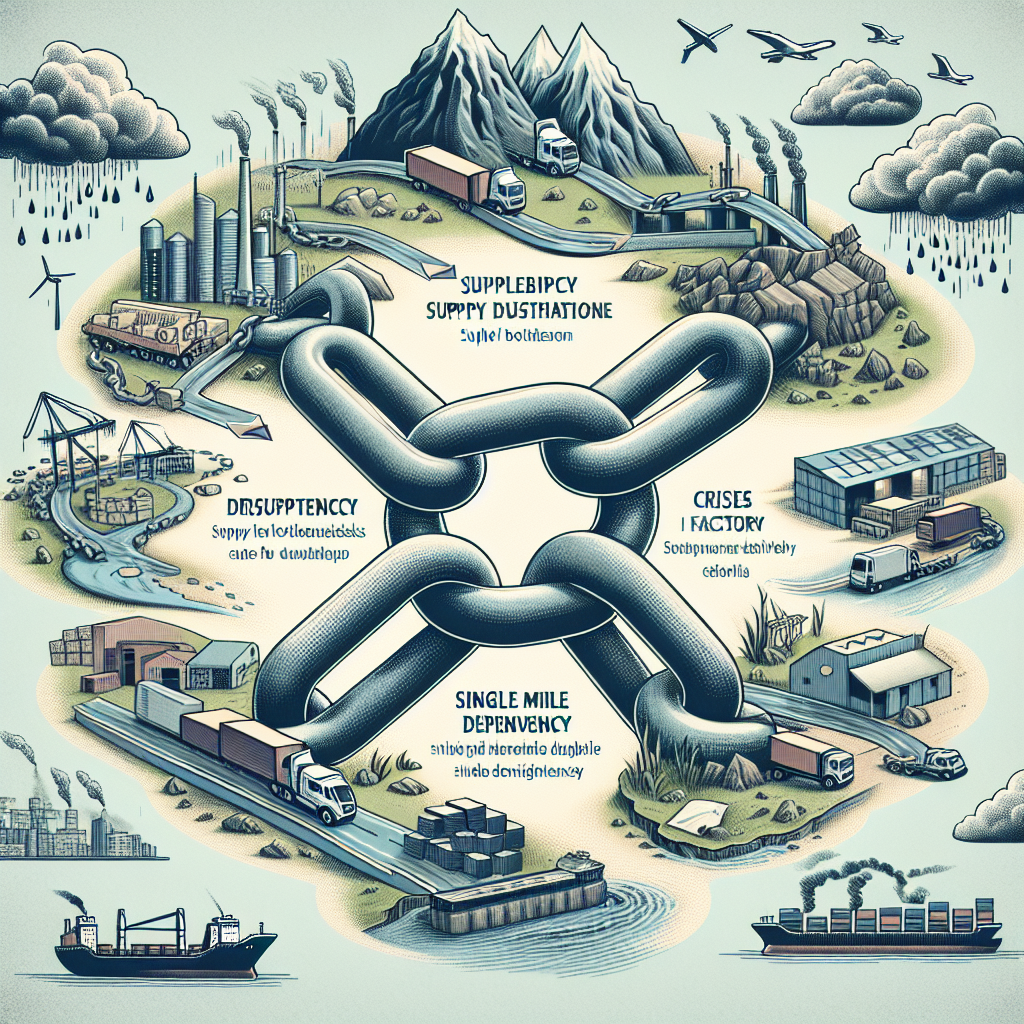
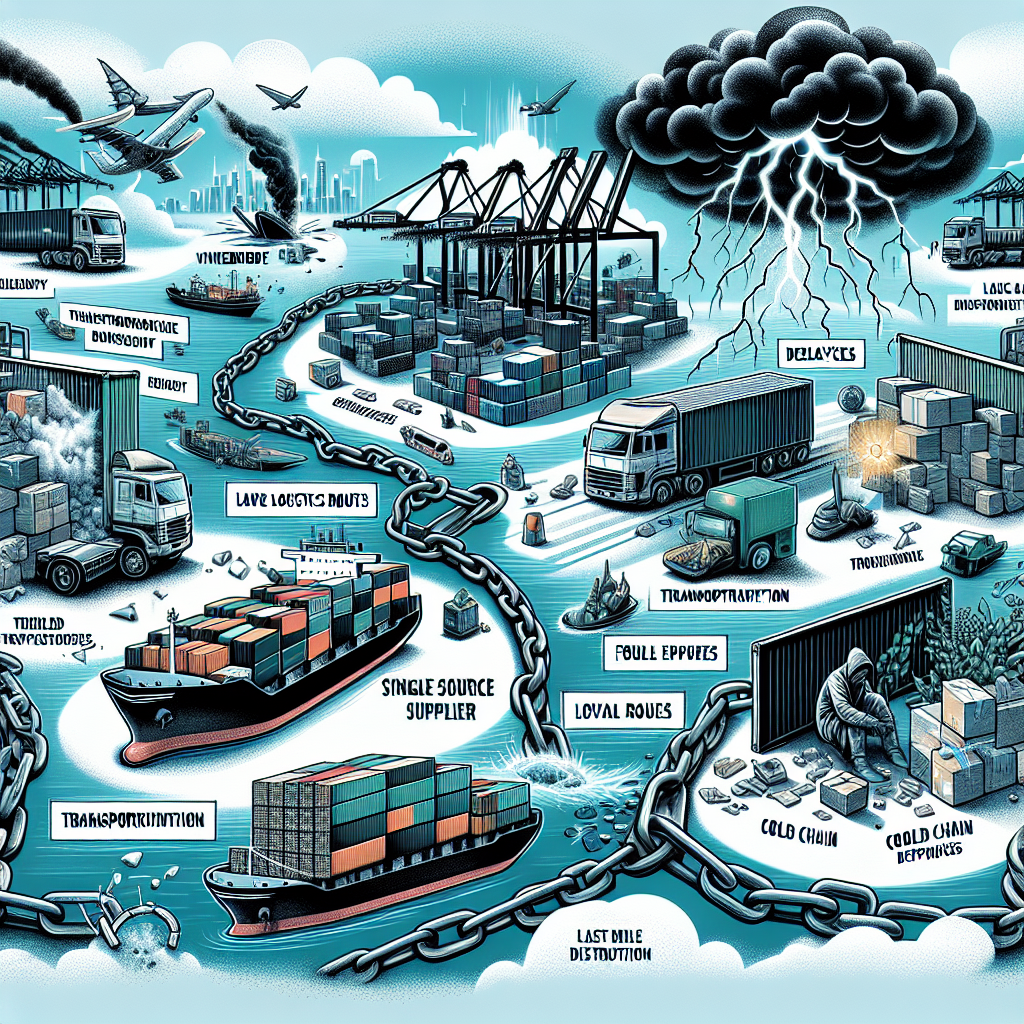
Single source dependency amplifies this risk dramatically. When a business relies on one supplier for a critical component — and that supplier faces a factory fire, labor strike, or natural disaster — the downstream effects can halt production entirely. Diversification of suppliers is no longer optional; it is foundational.
● Supply chain fragility is a direct result of prioritizing cost efficiency over redundancy
● Single source dependency is one of the most dangerous and correctable vulnerabilities
● Disruptions lasting weeks or months are statistically predictable, not exceptional
The Real Cost of Supply Chain Disruption
The financial consequences of a supply chain crisis extend well beyond delayed shipments. Lost revenue, emergency freight costs, customer attrition, and reputational damage can compound quickly — and recovery often takes far longer than the disruption itself.
The global semiconductor shortage of 2020–2022 is a textbook example. A combination of raw material shortage, factory closures, and surging demand caused automakers alone to lose an estimated $210 billion in revenue in 2021, according to AlixPartners. The crisis revealed how deeply a supply shortage in one niche component — a microchip — could paralyze an entire global industry.
Beyond manufacturing, logistics disruption has its own compounding costs. Port congestion at major U.S. ports in 2021 resulted in hundreds of container ships anchored offshore for weeks, inflating shipping costs by more than 400% on some routes. Businesses that lacked flexible logistics contracts or alternative routing options were left with no viable path forward.
● Supply chain shocks generate cascading financial losses that outlast the disruption itself
● A single raw material shortage can immobilize entire industries through interconnected dependencies
● Port congestion and freight delays significantly inflate operational costs with little warning
Mapping Supply Chain Bottlenecks and Risk Exposure
Conducting a Supply Chain Risk Audit
Effective supply chain risk management begins with an honest assessment of where your vulnerabilities actually exist. A formal risk audit maps every node in your supply chain — from raw material suppliers to last mile delivery — and assigns probability and impact scores to potential failure points.
Many organizations discover they have blind spots several tiers deep. Your Tier 1 supplier may appear stable, but if their Tier 2 raw material supplier is located in a geopolitically unstable region, your exposure is real even if it’s invisible. Tools like supply chain mapping software can help surface these hidden risks before they become critical.
Identifying Transportation Bottlenecks
Transportation bottlenecks are among the most common triggers of a supply chain crisis, yet they are often underestimated in risk planning. Freight delays caused by driver shortages, fuel price spikes, or infrastructure failures can bring logistics networks to a standstill with very little notice.
Cold chain disruption deserves special attention for businesses in pharmaceuticals, food and beverage, or specialty chemicals. A single temperature excursion due to a refrigeration failure or extended transit delay can render an entire shipment non-compliant and unrecoverable — a costly outcome that proactive monitoring technology can help prevent.
● Risk audits must extend beyond Tier 1 suppliers to expose hidden multi-tier vulnerabilities
● Transportation bottlenecks and cold chain disruption are high-frequency, high-impact risk categories
● Supply chain mapping tools are a practical investment for companies of all sizes
Building Supply Chain Resilience: Proven Strategies
Diversify Suppliers and Reduce Single Source Dependency
The most direct path to supply chain resilience is reducing reliance on any single supplier, region, or logistics provider. Qualifying multiple suppliers for critical inputs — even if secondary suppliers carry higher unit costs — creates options when primary sources fail. Many procurement leaders now follow a primary-secondary-tertiary sourcing model for their most critical materials.
Nearshoring and reshoring have also gained significant traction as strategies to reduce exposure to international logistics disruption. By moving production or sourcing closer to end markets, companies reduce transit time, cut freight risk, and gain greater visibility into their supply base. Learn more about evaluating your supplier network at BestInSupplies.com.
Invest in Inventory Buffers and Demand Sensing
While lean inventory models reduced costs for years, the era of perpetual supply chain shocks has forced a reassessment. Strategic safety stock — especially for high-criticality, long-lead-time items — provides a meaningful buffer against supply shortage events. The key is identifying which SKUs justify the carrying cost of added inventory versus which can remain lean.
Advanced demand sensing technology uses real-time data, including point-of-sale signals, weather patterns, and macroeconomic indicators, to improve forecast accuracy. Better forecasting means less reactive purchasing, fewer supply chain bottlenecks, and more efficient use of working capital. According to Gartner, companies with mature demand sensing capabilities achieve up to 15% reduction in inventory while improving service levels.
Solve Last Mile Delivery Problems Proactively
Last mile delivery problems consistently rank among the most expensive and customer-visible disruptions in the supply chain. Whether caused by driver shortages, address inaccuracies, failed delivery attempts, or urban access restrictions, last mile failures erode customer trust faster than almost any other supply chain issue.
Proactive solutions include partnering with multiple last mile carriers, implementing real-time delivery tracking, and leveraging alternative delivery models such as lockers, local pickup points, or crowdsourced delivery networks. Companies that solve last mile delivery problems before a crisis hits are better positioned to maintain customer satisfaction even during broader logistics disruption.
● Supplier diversification and nearshoring are the most reliable defenses against supply chain disruption
● Strategic safety stock and demand sensing technology reduce both risk and cost simultaneously
● Proactive last mile delivery strategies protect customer relationships during broader logistics failures
Supply Chain Risk Management: Building a Long-Term Framework
Supply chain risk management is not a one-time project — it is an ongoing discipline that requires executive sponsorship, cross-functional collaboration, and continuous improvement. Companies that treat resilience as a program rather than a project are consistently better prepared when the next supply chain crisis arrives.
A robust framework includes regular risk reviews, supplier scorecards, scenario planning exercises, and defined escalation protocols. Scenario planning — running tabletop exercises that simulate supplier failure, port congestion, or sudden demand spikes — helps teams identify gaps in their response plans before real events expose them. The ISO 31000 Risk Management framework provides an internationally recognized structure that many organizations use as a foundation.
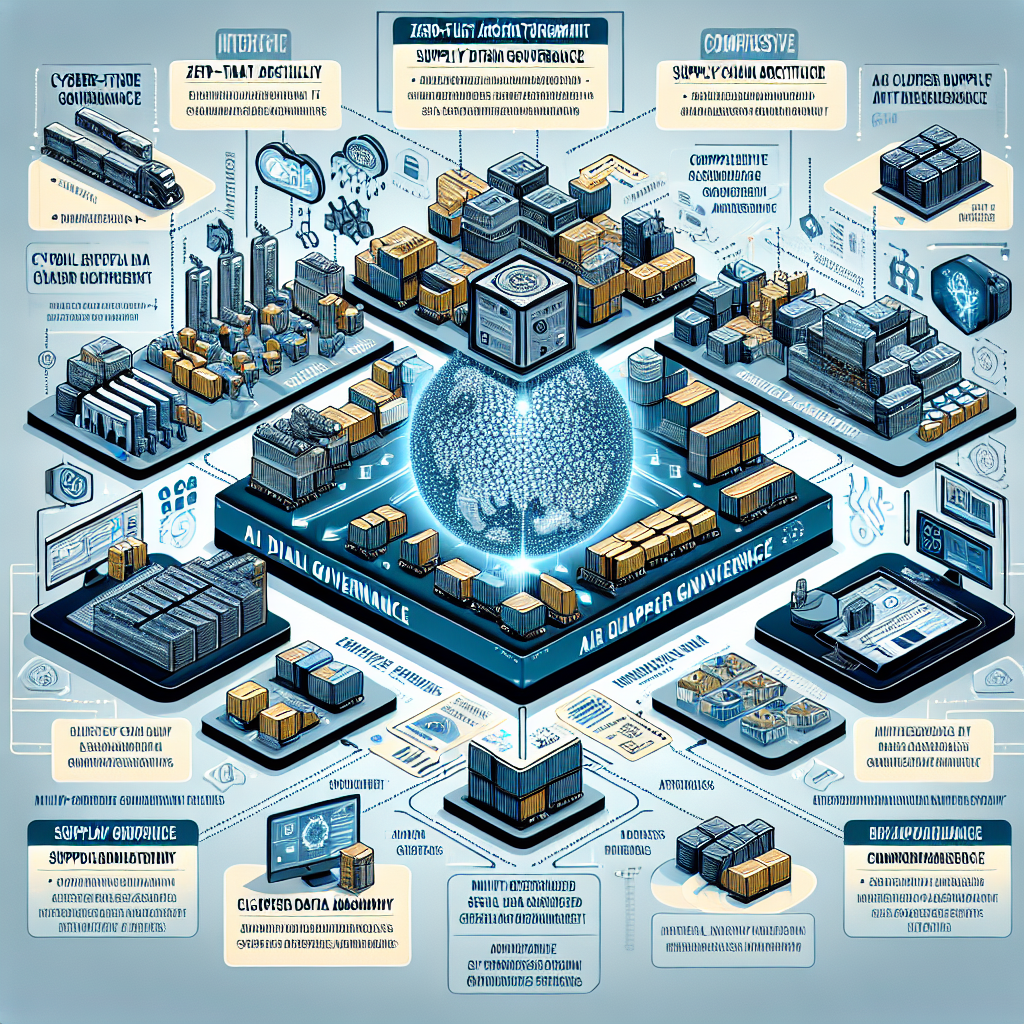
Technology investment is also critical. Supply chain visibility platforms, AI-driven risk monitoring tools, and integrated ERP systems provide the real-time data needed to detect early warning signs — from a supplier showing financial stress to emerging port congestion patterns — and respond before small issues become large disruptions.
● Supply chain risk management requires a continuous program, not a one-time assessment
● Scenario planning exercises expose response gaps before a real supply chain shock occurs
● Visibility technology enables proactive response rather than reactive crisis management
Key Takeaways
Supply chain disruption is not a question of if — it is a question of when and how severe. Companies that invest in resilience now will be far better positioned to navigate the next supply chain crisis with minimal damage. Here are the core principles to act on:
● Audit your supply chain end-to-end to identify hidden vulnerabilities, including multi-tier supplier risks and transportation bottlenecks
● Reduce single source dependency by qualifying backup suppliers and exploring nearshoring strategies
● Maintain strategic safety stock for critical, long-lead-time items while using demand sensing to optimize overall inventory
● Address last mile delivery problems and cold chain disruption risks before they become customer-facing crises
● Build a formal supply chain risk management framework with regular reviews, scenario planning, and visibility technology
For more guidance on building a more resilient, efficient, and risk-ready supply chain, explore the resources and expert insights available at BestInSupplies.com.