





Global supply chains have never faced more simultaneous pressure points than they do today. From port congestion and geopolitical conflict to extreme weather events and labor shortages, shipping disruption has become a near-constant operational reality for businesses of every size. Companies that once relied on lean, predictable logistics networks are now scrambling to adapt — and those that invest in smarter inventory and logistics strategies are pulling ahead of the competition.
The New Reality of Logistics Disruption
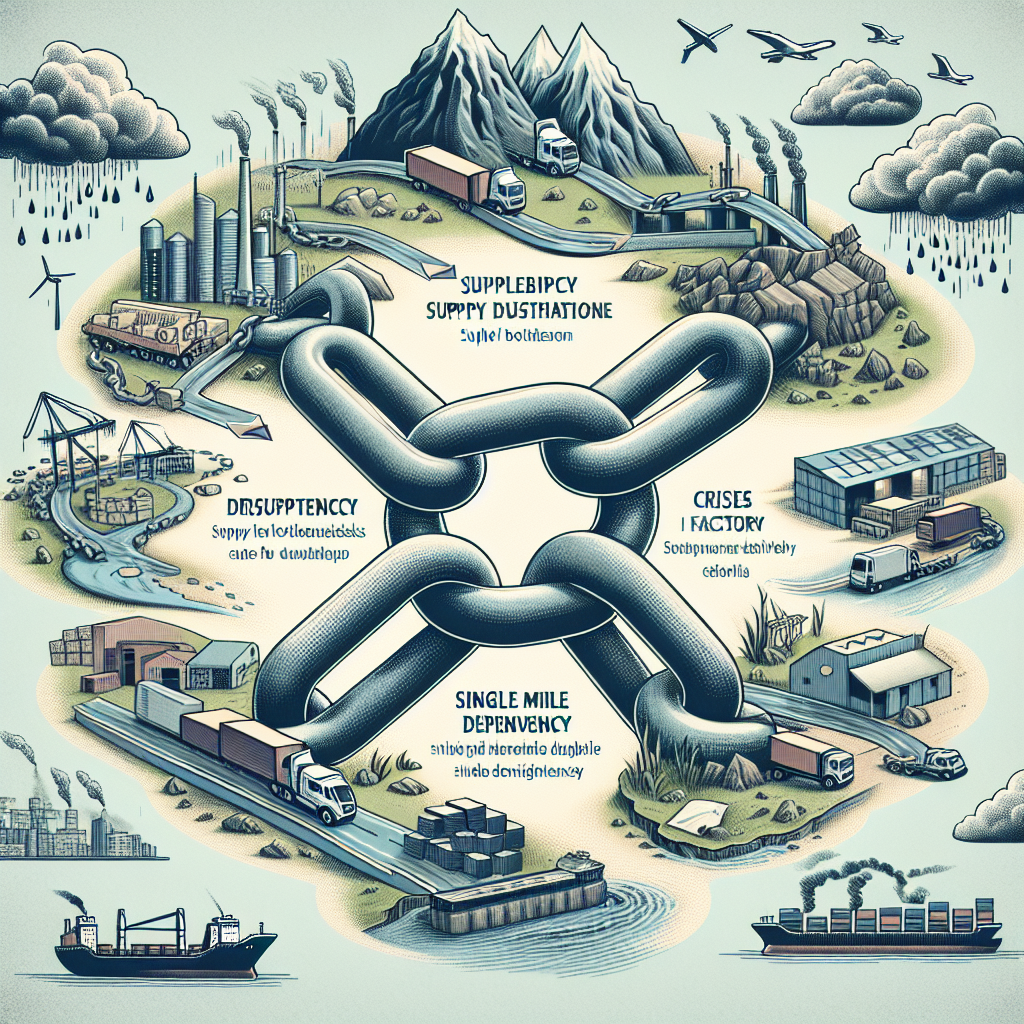
The scale of modern logistics disruption is staggering. According to the World Bank’s Logistics Performance Index, global supply chain delays cost businesses an estimated $1.5 trillion annually in lost productivity and missed revenue. Events like the 2021 Suez Canal blockage — which held up approximately $9.6 billion in trade per day — demonstrated how a single chokepoint can ripple across global commerce for weeks.
These disruptions are no longer rare exceptions; they are recurring conditions that demand systemic responses. Businesses that treat each disruption as an isolated incident rather than a structural challenge will continue to be caught off guard.
● Logistics disruptions now cost businesses trillions annually in lost productivity
● Single chokepoints like the Suez Canal blockage can paralyze global trade for extended periods
● Reactive strategies are no longer sufficient — proactive systemic planning is essential
Rethinking Warehouse Management in a Volatile Environment
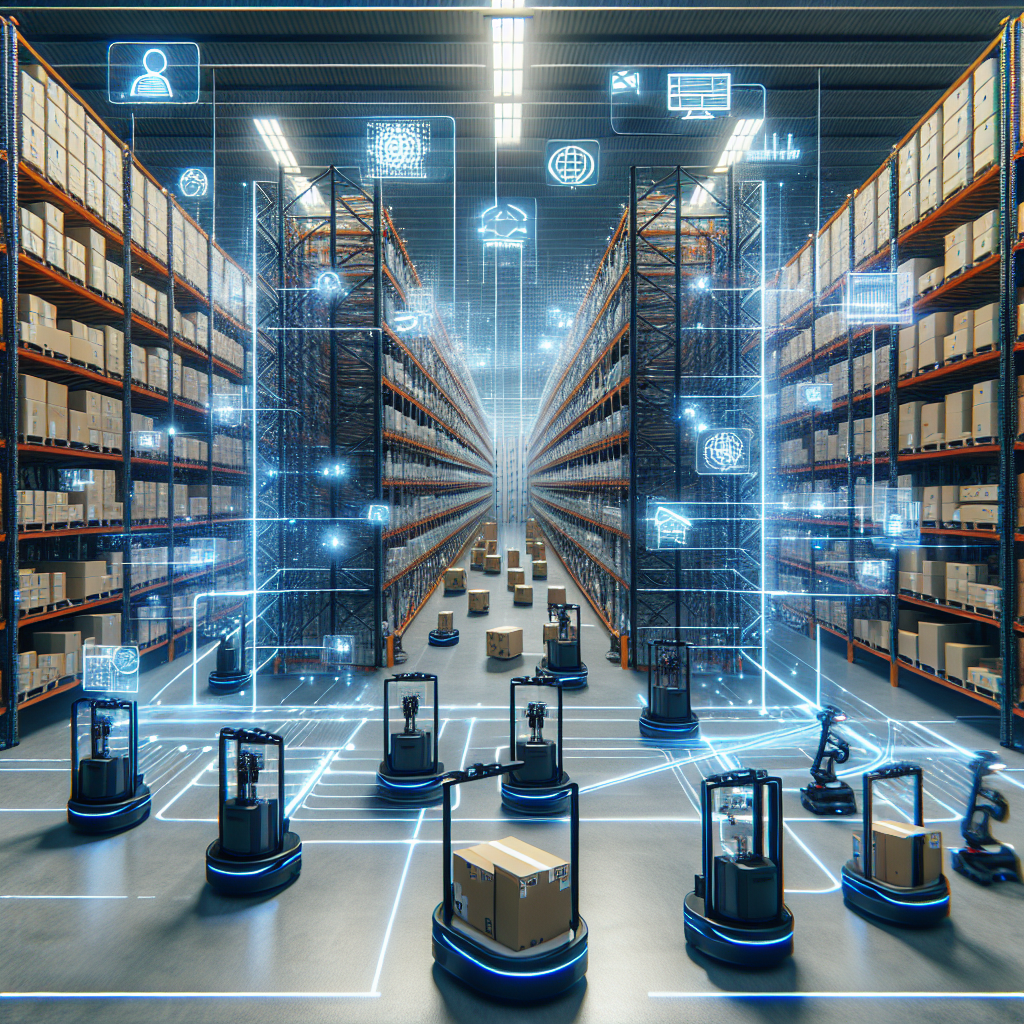
Modern warehouse management has evolved far beyond simple storage and retrieval. Today’s leading distribution centers operate as dynamic fulfillment hubs, leveraging automation, data analytics, and intelligent slotting strategies to maintain throughput even when inbound supply is unpredictable. Companies like Amazon and Walmart have invested billions in warehouse automation precisely because human-only operations cannot respond fast enough to today’s volatility.
Effective warehouse management now requires tight integration between physical operations and digital systems. When inbound shipments are delayed, warehouse teams need real-time visibility to reallocate labor, reprioritize outbound orders, and communicate proactively with customers — all capabilities that depend on robust technology infrastructure.
● Warehouses must function as adaptive fulfillment hubs, not passive storage facilities
● Automation and data integration are critical for maintaining throughput during disruptions
Inventory Management Software: The Brain Behind Resilient Operations
Best-in-class inventory management software gives supply chain teams the situational awareness they need to make fast, accurate decisions under pressure. Platforms like NetSuite, Fishbowl, and solutions reviewed at BestInSupplies.com offer features such as demand forecasting, multi-location stock visibility, and automated reorder triggers that prevent costly stockouts and overstock situations alike.
A concrete example of this technology’s impact: during the 2020–2021 semiconductor shortage, manufacturers using advanced inventory management software were able to identify at-risk SKUs weeks earlier than competitors relying on spreadsheets, allowing them to secure alternate sourcing before prices spiked. The software’s ability to model multiple supply scenarios gave planners a decisive advantage.
● Inventory management software enables rapid, data-driven decisions during supply disruptions
● Early identification of at-risk SKUs can provide critical lead time for alternate sourcing
Understanding Just-in-Time Inventory Risks
The COVID-19 pandemic exposed the fragility of pure just-in-time (JIT) models at a global scale. Just-in-time inventory risks became painfully apparent when automotive manufacturers, relying on JIT principles, were forced to shut down assembly lines due to a shortage of microchips worth just a few dollars each. Toyota, one of JIT’s originators, reported production losses of over 500,000 vehicles in 2021 alone as a direct consequence.
While JIT remains valuable for reducing carrying costs and waste, businesses must now build hybrid models that incorporate strategic buffers for high-risk components. A balanced approach acknowledges the efficiency benefits of JIT while protecting against the systemic vulnerabilities that modern shipping disruption consistently exposes.
● Pure JIT models carry significant vulnerability during global supply disruptions
● Hybrid inventory models blend JIT efficiency with strategic buffering for critical components
Building a Smarter Safety Stock Strategy
A well-designed safety stock strategy is not simply about holding more inventory — it is about holding the right inventory in the right quantities based on supplier reliability, lead time variability, and demand volatility. Statistical safety stock models use service level targets and standard deviation calculations to determine optimal buffer levels without unnecessarily tying up working capital.
For example, a retailer sourcing seasonal goods from overseas suppliers might maintain a higher safety stock for items with long ocean freight lead times and low substitutability, while reducing buffers on domestically sourced, easily replenished products. This differentiated approach maximizes both service levels and cash flow efficiency.
● Safety stock should be calibrated by supplier risk, lead time variability, and demand patterns
● Differentiated buffer strategies protect service levels without excessive capital lock-up
Lead Time Reduction as a Competitive Weapon
Lead time reduction is one of the most powerful tools available to supply chain teams navigating chronic disruption. By shortening the time between order placement and receipt of goods, businesses reduce their exposure to market volatility, improve forecast accuracy, and respond more quickly to demand shifts. Nearshoring — moving production or sourcing closer to end markets — has emerged as a major lead time reduction strategy, with U.S. imports from Mexico growing significantly as companies reassess distant Asia-Pacific supply chains.
Technology also plays a key role in lead time reduction by streamlining procurement workflows, automating purchase order generation, and enabling faster supplier collaboration. Every day removed from the procurement cycle represents a measurable reduction in business risk. Learn more about tools that support this strategy at BestInSupplies.com.
● Shorter lead times reduce exposure to volatility and improve forecast reliability
● Nearshoring and procurement automation are key lead time reduction levers
Real-Time IoT Inventory Tracking: Visibility at Every Node
Real-time IoT inventory tracking transforms supply chain visibility by placing connected sensors, RFID tags, and GPS devices on shipments, pallets, and individual products throughout the supply network. This technology enables businesses to detect delays, monitor environmental conditions for sensitive goods, and trigger automated responses before problems escalate. The global IoT in logistics market is projected to reach $63.7 billion by 2030, according to Grand View Research, reflecting the rapid adoption of this technology.
A pharmaceutical company, for example, might use real-time IoT inventory tracking to monitor cold-chain shipments end-to-end, receiving instant alerts if temperature thresholds are breached during transit. This level of visibility not only prevents product loss but also provides actionable data for continuous logistics improvement.
● IoT tracking delivers end-to-end visibility across complex, multi-node supply chains
● Real-time alerts enable proactive intervention before disruptions escalate into losses
Last-Mile Delivery Orchestration: Where Disruption Meets the Customer
No part of the supply chain is more visible to end customers — or more difficult to execute efficiently — than the final mile. Last-mile delivery orchestration involves the intelligent coordination of carriers, routes, delivery windows, and customer communications to ensure reliable, cost-effective fulfillment even when upstream disruptions compress timelines. According to McKinsey, last-mile delivery accounts for up to 53% of total shipping costs, making it both a critical cost center and a key differentiator.
Advanced last-mile delivery orchestration platforms use AI-driven route optimization, dynamic carrier selection, and predictive exception management to maintain delivery performance under pressure. Retailers that mastered these capabilities during the e-commerce surge of 2020–2022 built durable competitive advantages that continue to pay dividends today.
● Last-mile delivery represents up to 53% of total shipping costs and directly shapes customer experience
● AI-driven orchestration platforms maintain delivery performance even under upstream pressure
Key Takeaways
Supply chain resilience is no longer a nice-to-have — it is a strategic imperative for businesses operating in today’s environment of persistent shipping disruption and logistics disruption. The companies that will thrive are those that invest in integrated technology, smarter inventory practices, and proactive logistics orchestration.
● Modern disruptions demand systemic, technology-driven responses rather than reactive fixes
● Inventory management software and real-time IoT inventory tracking are foundational resilience tools
● A balanced safety stock strategy and lead time reduction efforts protect both service levels and profitability