







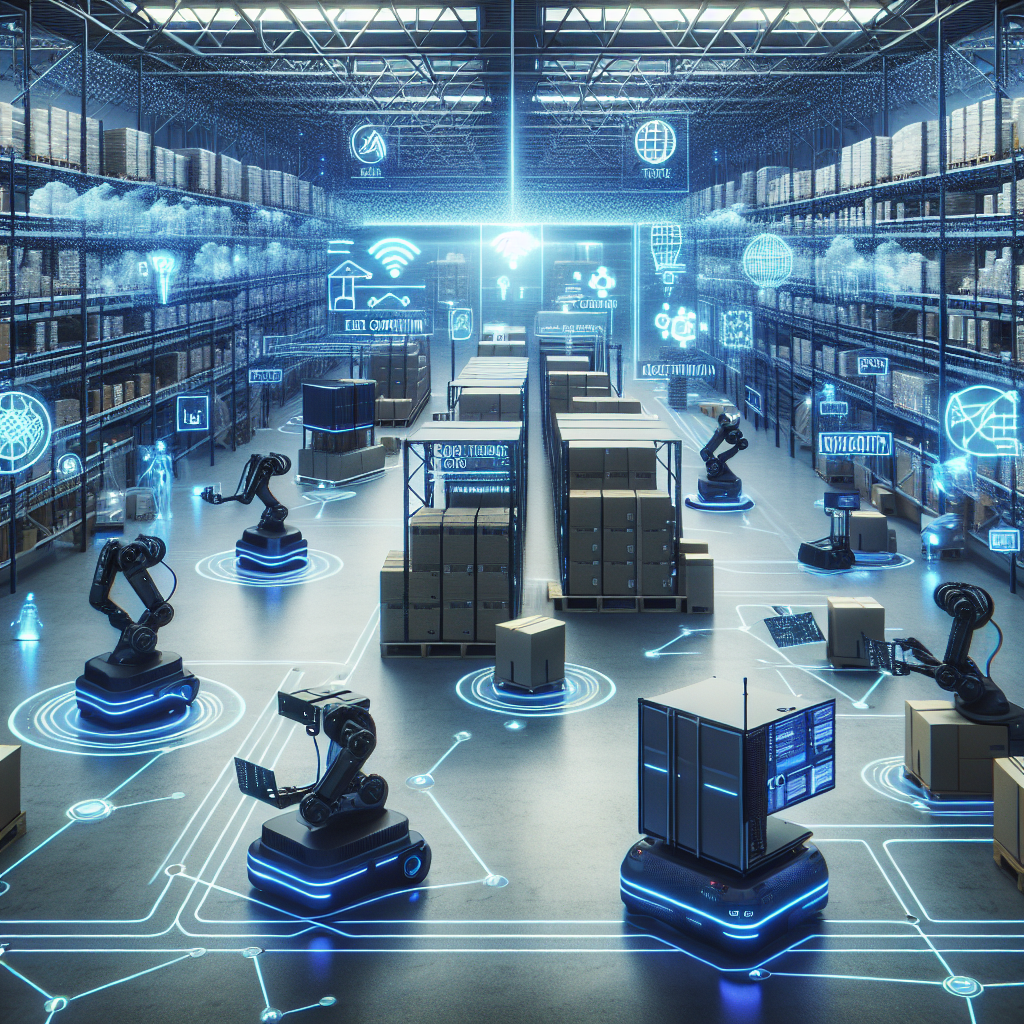
The warehouse floor of tomorrow is being built today, and it looks nothing like the manually driven, paper-trail-dependent operations of the past. Zero-touch logistics orchestration is rapidly emerging as the defining standard for high-performance supply chains, combining autonomous mobile robots (AMR), warehouse edge computing, and Industry 4.0 smart factory integration into a seamlessly coordinated ecosystem. For procurement professionals, operations managers, and supply chain strategists, understanding this convergence is no longer optional — it’s a competitive imperative.
What Is Zero-Touch Logistics Orchestration?
Zero-touch logistics orchestration refers to the end-to-end automation of warehouse and factory supply workflows with minimal or no human intervention at the operational level. It leverages real-time data, AI-driven decision engines, and interconnected robotic systems to manage inventory movement, order fulfillment, and exception handling autonomously. The goal is to eliminate friction, reduce error rates, and dramatically accelerate throughput without scaling headcount proportionally.
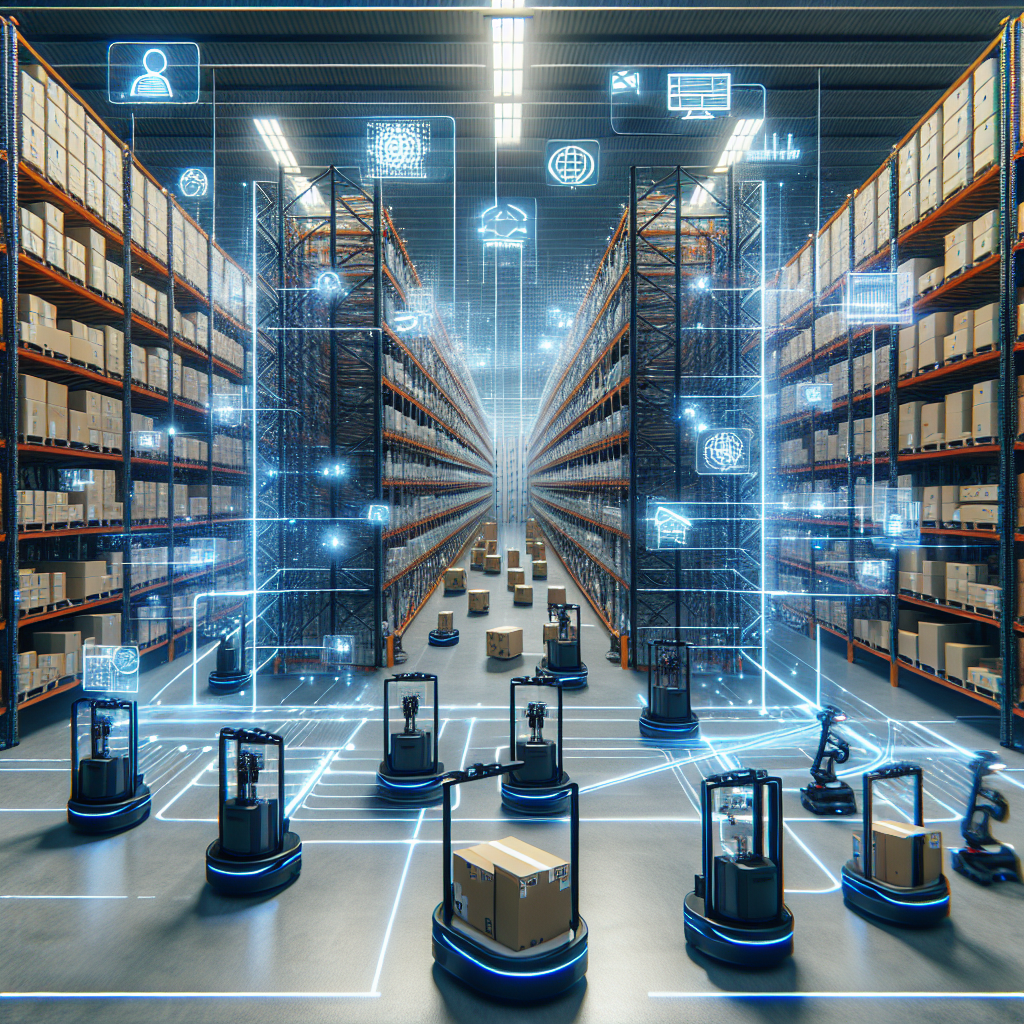
This approach is distinct from traditional automation because it emphasizes orchestration — the intelligent coordination of multiple systems rather than isolated robotic tasks. When a shipment arrives, sensor arrays capture data, edge nodes process it locally, and AMRs are dispatched instantly — all without a human issuing a single command. According to a McKinsey report on warehouse automation, fully automated fulfillment centers can reduce operational costs by up to 65% compared to traditional models.
● Zero-touch logistics orchestration eliminates manual handoffs across the supply chain workflow
● Orchestration differs from automation by emphasizing multi-system coordination
● Cost reductions of up to 65% are achievable in fully automated fulfillment environments
The Role of Autonomous Mobile Robots (AMR) in Smart Factory Supplies
How Autonomous Mobile Robots AMR Differ from Legacy Systems
Unlike traditional Automated Guided Vehicles (AGVs), autonomous mobile robots AMR navigate dynamically using onboard sensors, LiDAR, and machine learning algorithms — no fixed tracks or magnetic strips required. This flexibility allows AMRs to adapt in real time to changing floor layouts, unexpected obstacles, and shifting task priorities, making them far better suited for the dynamic demands of Industry 4.0 smart factory integration. Leading AMR providers like 6 River Systems and Omron Robotics have demonstrated AMR fleets achieving pick rates exceeding 300 units per hour in live deployments.
Amazon’s fulfillment network offers one of the most cited real-world examples: by deploying over 750,000 AMR units globally, the company has reduced “click-to-ship” cycle times by approximately 25%. Beyond speed, AMRs reduce workplace injuries by taking over repetitive transport tasks, improving both safety compliance and worker satisfaction. These dual benefits make autonomous mobile robots AMR a cornerstone technology in any zero-touch logistics orchestration strategy.
● AMRs use LiDAR and ML to navigate without fixed infrastructure
● Amazon’s 750,000+ AMR deployment cut cycle times by ~25%
● AMRs improve both operational speed and workplace safety outcomes
Warehouse Edge Computing: The Intelligence Layer Powering Real-Time Decisions
Why Warehouse Edge Computing Outperforms Cloud-Only Architectures
Warehouse edge computing places data processing capability directly within or adjacent to the facility, rather than routing all decision-making through a centralized cloud server. This dramatically reduces latency — from hundreds of milliseconds in cloud-dependent models to under 5 milliseconds at the edge — which is critical when AMRs and robotic arms are making split-second navigation and sorting decisions. For large-scale facilities processing tens of thousands of SKUs daily, that latency difference translates directly into throughput and error-rate improvements.
A concrete example comes from DHL Supply Chain, which deployed edge computing nodes across select European distribution centers and reported a 30% improvement in real-time inventory accuracy alongside a measurable reduction in mis-picks. Warehouse edge computing also enhances system resilience: when internet connectivity is disrupted, local edge nodes continue processing operational data, ensuring zero-touch logistics orchestration systems remain online. Platforms like Dell Technologies Edge Solutions and Microsoft Azure IoT Edge are widely adopted in smart factory deployments for exactly this reason.
● Edge computing reduces decision latency to under 5ms versus cloud-only models
● DHL achieved 30% inventory accuracy gains using warehouse edge computing
● Edge nodes maintain operations during cloud connectivity outages
Industry 4.0 Smart Factory Integration: Connecting the Entire Value Chain
Building a Unified Ecosystem Through Industry 4.0 Smart Factory Integration
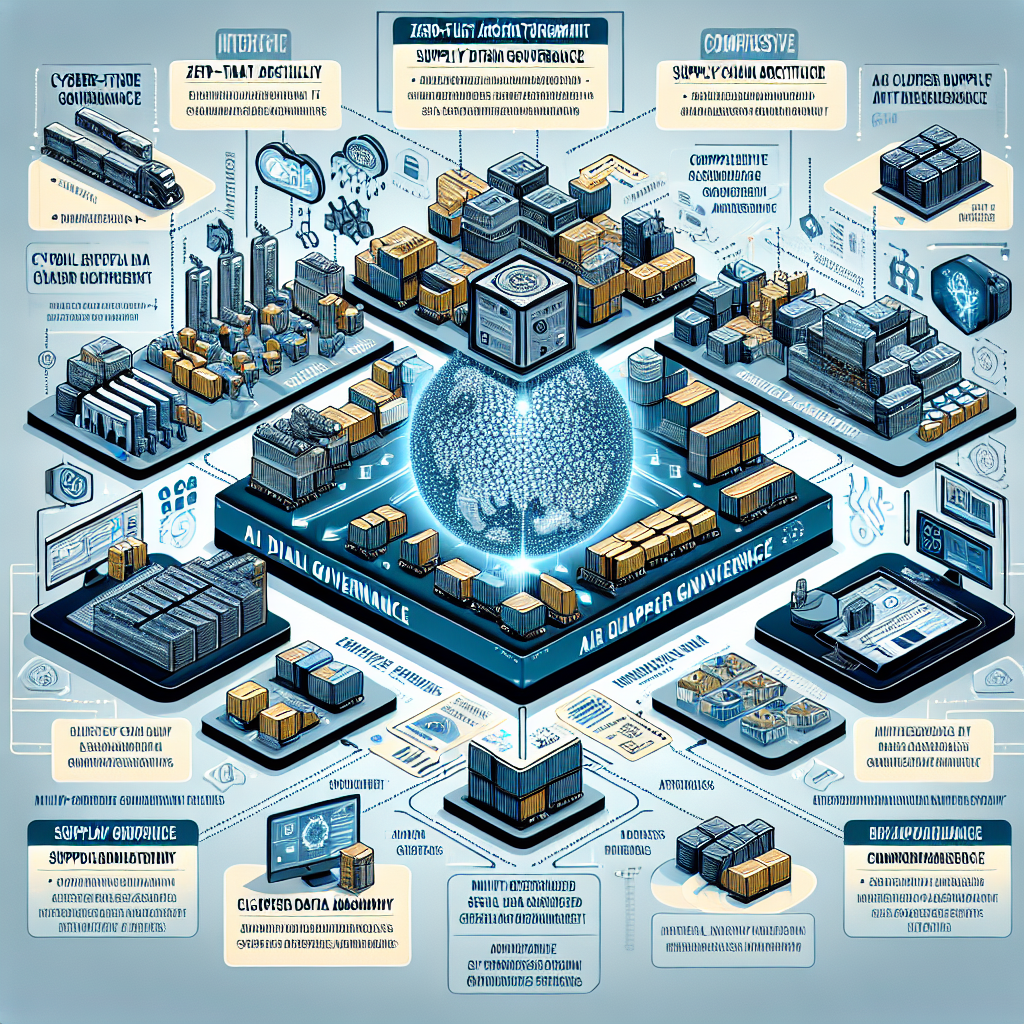
Industry 4.0 smart factory integration is the architectural framework that binds AMRs, edge nodes, ERP systems, IoT sensors, and supplier networks into a single, communicating ecosystem. Through industrial IoT protocols such as OPC-UA and MQTT, machines, robots, and software platforms exchange data continuously, enabling predictive maintenance, dynamic demand sensing, and automated supplier replenishment — all hallmarks of a mature zero-touch logistics orchestration model. The PwC Global Industry 4.0 Survey found that manufacturers with advanced Industry 4.0 integration reported annual efficiency gains of up to 4.1% across their production lines.
Bosch’s manufacturing operations in Stuttgart, Germany, serve as a benchmark case: by integrating over 200 IoT-connected machine tools with AMR fleets and an edge computing backbone, Bosch reduced unplanned downtime by 10–15% and improved parts-delivery accuracy to assembly lines to 99.8%. This level of reliability is only achievable when Industry 4.0 smart factory integration is treated as a holistic strategy rather than a piecemeal technology rollout. For supply chain professionals sourcing equipment and components for these environments, understanding integration requirements at the product selection stage is essential.
● OPC-UA and MQTT protocols enable seamless machine-to-system data exchange
● Bosch achieved 99.8% parts-delivery accuracy through full smart factory integration
● Industry 4.0 integration must be approached as a holistic strategy, not isolated projects
Selecting the Right Supplies and Components for Zero-Touch Environments
Building a zero-touch logistics orchestration environment requires careful procurement of components engineered for high-cycle, high-reliability conditions. This includes industrial-grade connectivity hardware, ruggedized edge computing enclosures, AMR-compatible charging infrastructure, and sensor arrays rated for demanding warehouse environments. Selecting components that are certified for interoperability with leading AMR platforms and edge computing stacks is a critical step that procurement teams often underestimate.
Compatibility with open standards like ROS 2 (Robot Operating System) and adherence to IEC 61508 functional safety standards should be non-negotiable evaluation criteria when sourcing supplies for these systems. Engaging suppliers who understand the operational demands of Industry 4.0 smart factory integration — not just the product specifications — significantly reduces integration risk and commissioning time. BestInSupplies.com curates verified industrial components and smart factory supplies specifically evaluated for these demanding deployment contexts.
● Prioritize components certified for AMR platform and edge stack interoperability
● ROS 2 compatibility and IEC 61508 safety certification are key procurement criteria
● Supplier expertise in smart factory environments reduces commissioning risk
Key Takeaways
Zero-touch logistics orchestration represents the next frontier of supply chain excellence, and the convergence of autonomous mobile robots AMR, warehouse edge computing, and Industry 4.0 smart factory integration is making it operationally achievable today. Organizations that invest in understanding and implementing these technologies holistically will gain durable competitive advantages in throughput, cost efficiency, and supply chain resilience.
● Zero-touch logistics orchestration automates end-to-end warehouse workflows with minimal human intervention
● Autonomous mobile robots AMR deliver speed, flexibility, and safety advantages over legacy automation
● Warehouse edge computing enables sub-5ms decision latency and operational resilience
● Industry 4.0 smart factory integration connects all systems into a unified, self-optimizing ecosystem
● Smart component procurement is a critical and often underestimated factor in successful deployments
Ready to equip your smart factory or automated warehouse with the right components? Explore our curated selection of industrial supplies, AMR-compatible hardware, and edge computing accessories at BestInSupplies.com — where every product is evaluated with Industry 4.0 integration in mind.