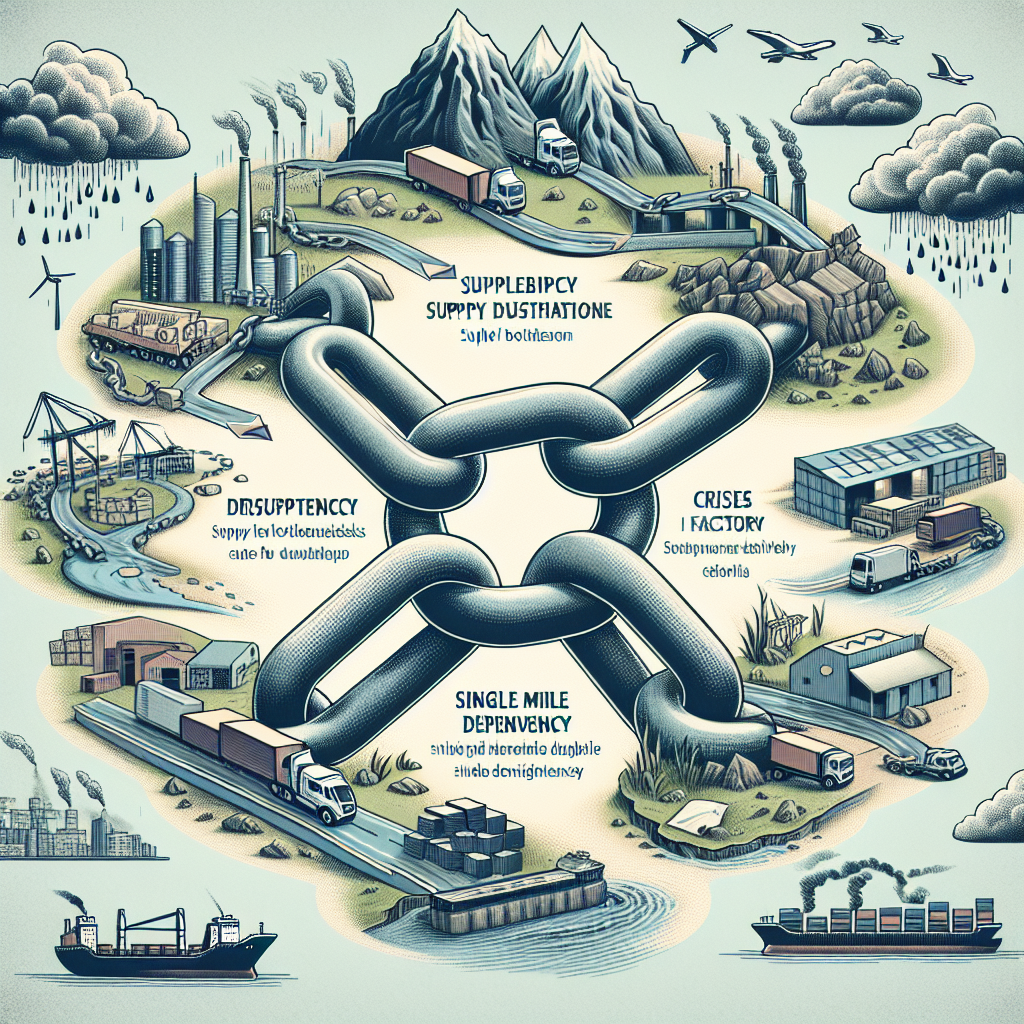


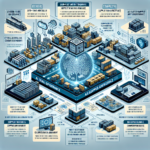





Red Sea shipping disruptions and rising tensions in the Strait of Hormuz have fundamentally altered global trade routes, forcing supply chain leaders to rethink risk management strategies in real time. From rerouted vessels to spiking freight costs, the ripple effects are being felt across industries worldwide.
Why Maritime Chokepoints Are Critical to Global Supply Chains
The Red Sea and the Strait of Hormuz together facilitate the movement of trillions of dollars in goods annually, including oil, liquefied natural gas, electronics, and consumer products. The Bab-el-Mandeb Strait alone channels approximately 12% of global trade, making any disruption there immediately consequential for importers and exporters alike.
When Houthi militant attacks on commercial vessels began escalating in late 2023, major carriers including Maersk and MSC suspended Red Sea transits, diverting ships around the Cape of Good Hope — adding 10 to 14 days and thousands of dollars in fuel and charter costs per voyage.
These disruptions underscore why real-time chokepoint tracking has become a non-negotiable capability for logistics professionals managing time-sensitive cargo.
Key Points
The Red Sea corridor handles roughly 12% of global trade volume.
Major carriers rerouted around the Cape of Good Hope, adding 10–14 days per voyage.
Real-time chokepoint monitoring is now a core supply chain competency.
Strait of Hormuz Maritime Security: Energy Supply Vulnerabilities
Strait of Hormuz maritime security remains one of the most closely watched geopolitical flashpoints in global logistics, given that approximately 20% of the world’s oil supply transits this narrow passage daily. Heightened tensions between Iran and Western nations have periodically threatened vessel movement, creating volatile conditions for energy traders and manufacturers dependent on petroleum-derived inputs.
In 2024, Iran’s seizure of cargo vessels in nearby waters amplified concerns, prompting shipping insurers to dramatically increase war-risk premiums. Costs that once averaged 0.05% of cargo value surged to as high as 0.7–1% in some corridors, directly inflating landed costs for importers across Europe and Asia.
Supply chain leaders are responding by diversifying carrier relationships, pre-positioning safety stock, and working with specialized maritime intelligence platforms such as Windward AI to monitor vessel positioning and threat indicators in real time.
Key Points
Approximately 20% of global oil supply transits the Strait of Hormuz daily.
War-risk insurance premiums surged from 0.05% to as high as 1% of cargo value.
Maritime intelligence platforms are helping logistics teams monitor threats proactively.
Tariff Impact Analysis: How Rerouting Affects Landed Costs
Conducting a thorough tariff impact analysis has become essential as rerouting decisions intersect with existing trade policy frameworks. When shipments bypass the Suez Canal and instead circumnavigate Africa, transit times extend significantly, affecting just-in-time inventory models and potentially triggering duty recalculation under certain trade agreements that factor in country of origin and transit routing.
The World Bank estimates that extended voyage routes have contributed to a 15–20% increase in container freight rates on key Asia-to-Europe lanes since disruptions intensified. For companies importing goods subject to tariffs — particularly those navigating U.S.-China trade restrictions — these added costs compound existing margin pressures and demand careful financial modeling before committing to long-term carrier contracts.
Procurement and logistics teams that invest in robust cost-modeling tools are better positioned to evaluate total landed cost scenarios dynamically, weighing rerouting expenses against potential tariff exposures and inventory carrying costs.
Key Points
Container freight rates on Asia-to-Europe lanes rose 15–20% due to rerouting.
Extended transit times disrupt just-in-time models and complicate tariff compliance.
Dynamic cost modeling is essential for accurate landed cost forecasting.
Geopolitical Risk Mitigation in Logistics: Strategies Supply Chain Leaders Are Adopting
Effective geopolitical risk mitigation in logistics requires a multi-layered approach that combines real-time intelligence, supplier diversification, and scenario planning. Leading organizations are establishing cross-functional risk committees that bring together procurement, finance, and logistics teams to respond rapidly to developing situations and adjust sourcing strategies before disruptions escalate.
Companies like Toyota and Apple have long championed supply chain resilience by maintaining dual-sourcing strategies and regionalized distribution networks. In the current environment, this approach is being widely adopted, with firms identifying alternative port pairs, nearshoring select production, and negotiating flexible incoterms that shift risk appropriately between buyers and sellers.
According to Gartner, organizations that invested in supply chain resilience capabilities prior to 2023 recovered from geopolitical disruptions 35% faster than those that had not, reinforcing the business case for proactive risk infrastructure investment.
Key Points
Cross-functional risk committees enable faster, coordinated response to disruptions.
Dual-sourcing and nearshoring reduce dependence on vulnerable maritime corridors.
Proactive resilience investment leads to 35% faster recovery, per Gartner data.
Real-Time Chokepoint Tracking: Tools and Technologies Transforming Visibility
Real-time chokepoint tracking for supply chain professionals has evolved rapidly, with platforms now integrating AIS (Automatic Identification System) vessel data, satellite imagery, and geopolitical event feeds to provide actionable alerts. Solutions from providers such as Flexport and project44 allow logistics managers to monitor vessel status, estimated arrival adjustments, and regional threat levels from a single dashboard.
These platforms are increasingly incorporating AI-driven risk scoring models that weigh historical disruption patterns, current military activity, and insurance market signals to generate predictive risk assessments for specific trade lanes. This capability is proving especially valuable for procurement teams managing time-critical shipments through high-risk corridors like the Red Sea and Persian Gulf.
Integrating chokepoint visibility tools with existing ERP and TMS systems allows supply chain teams to trigger automated contingency workflows — rerouting approvals, carrier notifications, and customer alerts — reducing manual coordination time during fast-moving crises.
Key Points
AIS data and satellite integration provide real-time vessel and threat visibility.
AI-driven risk scoring enables predictive assessments across high-risk trade lanes.
ERP and TMS integration automates contingency response workflows.
Key Takeaways
Red Sea shipping disruptions and Strait of Hormuz tensions have significantly increased freight costs and extended transit times on critical global trade lanes.
War-risk insurance premiums have risen sharply, with some corridors seeing costs increase tenfold, directly impacting landed