





Supply chains have never faced more complexity — from global disruptions to shifting consumer behavior. AI-powered demand forecasting combined with continuous S&OP planning is giving forward-thinking organizations the analytical edge they need to stay competitive, reduce costs, and improve service levels.
What Is AI-Powered Demand Forecasting and Why It Matters
Traditional demand forecasting relied on historical sales data and manual spreadsheets, leaving supply chain teams reactive rather than proactive. AI-powered demand forecasting uses machine learning algorithms to analyze vast datasets — including market signals, weather patterns, and social trends — delivering predictions that are significantly more accurate than conventional methods.
According to McKinsey & Company, companies that deploy AI in supply chain management have reduced forecasting errors by up to 50% and lowered lost sales due to product unavailability by up to 65%. These gains translate directly into improved working capital and stronger customer satisfaction scores.
Key Benefits of AI in Demand Forecasting
AI models continuously learn from new data, meaning their accuracy improves over time without requiring manual recalibration. This self-optimizing capability is especially valuable in volatile markets where consumer demand can shift rapidly within days or weeks.
Up to 50% reduction in forecasting errors compared to traditional statistical models.
Real-time incorporation of external signals such as economic indicators and competitor pricing.
Automated anomaly detection that flags unusual demand patterns before they become costly disruptions.
Continuous S&OP Planning: A Shift from Monthly Cycles to Real-Time Decisions
The traditional Sales & Operations Planning (S&OP) process operates on a monthly review cycle — a cadence that is simply too slow for today’s dynamic supply environments. Continuous S&OP planning replaces this rigid structure with an always-on, data-driven process that enables teams to make faster, better-informed decisions.
Companies like Unilever and Procter & Gamble have pioneered continuous S&OP planning models, integrating live demand signals directly into production scheduling and procurement workflows. The result is a more agile operation where supply chain analytics drive immediate action rather than waiting for the next monthly review board.
How Continuous Planning Improves Supply Chain Analytics
By feeding real-time data into supply chain analytics platforms, continuous S&OP planning enables organizations to model multiple demand scenarios simultaneously. Teams can instantly evaluate the cost implications of supply constraints, promotional uplifts, or sudden market shifts before committing resources.
Replaces slow monthly cycles with dynamic, event-driven planning cadences.
Enables multi-scenario modeling to stress-test supply plans against real-world disruptions.
Aligns sales, finance, and operations teams around a single, continuously updated data source.
Lead Time Reduction: The Operational Dividend of Smarter Forecasting
One of the most measurable outcomes of combining AI-powered demand forecasting with continuous S&OP planning is lead time reduction. When forecasts are more accurate and planning cycles are compressed, procurement teams can place orders earlier and more precisely, reducing the buffer time needed to compensate for uncertainty.
A Gartner study found that organizations implementing advanced supply chain analytics achieved an average lead time reduction of 20–30%, freeing up cash previously locked in safety stock. For manufacturers operating on thin margins, this improvement can represent millions of dollars in annual savings.
Connecting Forecast Accuracy to Inventory Efficiency
Lead time reduction is not just about speed — it is about precision. When AI-powered demand forecasting accurately predicts what is needed and when, supply teams can right-size inventory levels, eliminating both costly stockouts and excess holding costs. This precision drives a leaner, more resilient supply chain capable of absorbing future shocks without emergency air freight or production halts.
20–30% average lead time reduction achieved through advanced supply chain analytics adoption.
Lower safety stock requirements as forecast confidence intervals tighten.
Reduced reliance on expediting costs that erode profit margins and strain supplier relationships.
Implementing AI and Continuous S&OP: Practical Considerations
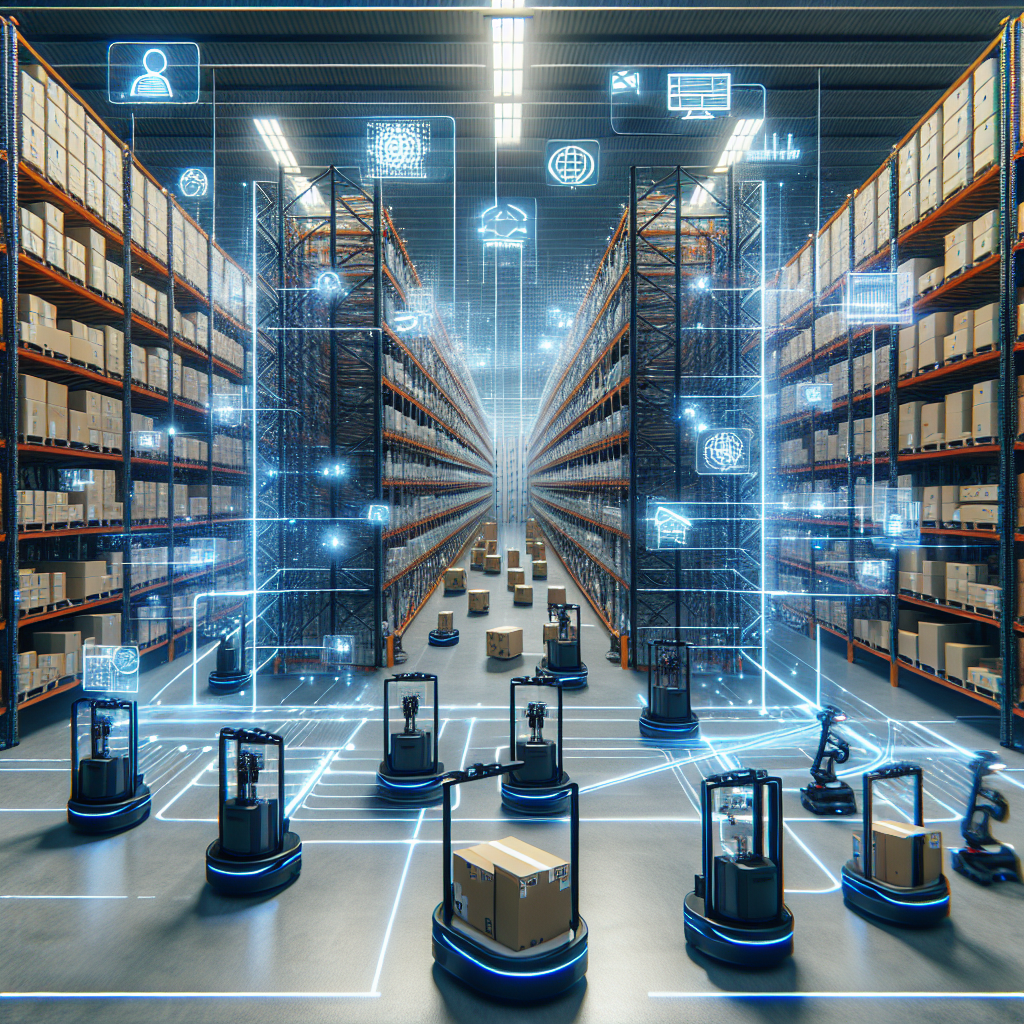
Successful implementation of AI-powered demand forecasting requires more than deploying new software — it demands a cultural shift toward data-driven decision-making at every level of the organization. Change management, data governance, and cross-functional alignment are as critical as the technology itself.
Organizations should begin by auditing the quality and completeness of their existing data, since AI models are only as reliable as the inputs they receive. Partnering with experienced supply chain analytics platforms such as o9 Solutions or Kinaxis can accelerate deployment and reduce implementation risk.
Prioritize data quality and integration before selecting an AI forecasting platform.
Engage commercial, operations, and finance teams early to ensure S&OP alignment.
Measure success through clear KPIs: forecast accuracy, inventory turns, and lead time reduction metrics.
Key Takeaways
AI-powered demand forecasting reduces forecast errors by up to 50%, delivering measurable improvements in service levels and working capital efficiency.
Continuous S&OP planning replaces slow monthly cycles with real-time, scenario-driven decision-making that keeps supply and demand in closer alignment.
Supply chain analytics platforms enable organizations to model disruptions proactively, reducing reliance on costly reactive measures.
Lead time reduction of 20–30% is achievable when AI forecasting accuracy is integrated directly into procurement and production planning workflows.
Successful adoption requires strong data governance, cross-functional commitment, and a phased implementation approach.
Ready to explore more strategies for optimizing your supply chain? Visit BestInSupplies.com for expert guides, product comparisons, and the latest insights on demand forecasting, continuous S&OP planning, supply chain analytics, and lead time reduction — all in one trusted resource.