

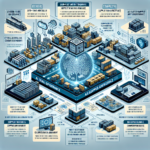





Supply chain disruption has become one of the most pressing challenges facing businesses of every size and industry. From raw material shortages and supplier failures to freight delays and port congestion, the vulnerabilities built into modern global supply networks can turn a minor hiccup into a full-blown supply chain crisis. Understanding where your supply chain is fragile — and taking proactive steps to build resilience — is no longer optional; it’s a strategic imperative.
Understanding Supply Chain Vulnerability and Fragility
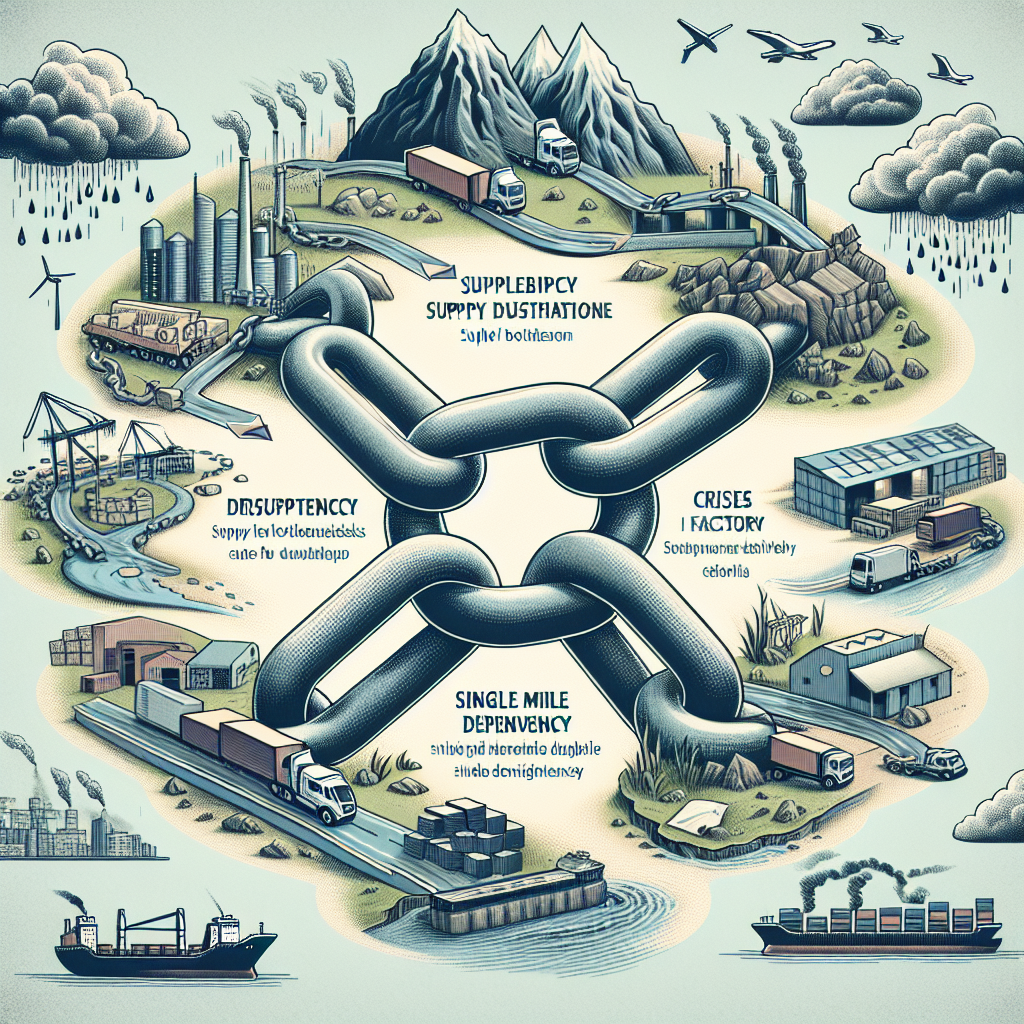
Supply chain vulnerability refers to the degree to which your network is exposed to risks that can interrupt the flow of goods, materials, or information. Many organizations unknowingly operate with significant supply chain fragility due to over-reliance on a narrow set of suppliers, geographies, or transportation modes.
A 2021 study by McKinsey & Company found that companies can expect supply chain disruptions lasting one month or longer to occur every 3.7 years on average. Despite this, fewer than half of surveyed executives reported having a comprehensive supply chain risk management strategy in place. This gap between risk awareness and preparedness is precisely where crises are born.
The Hidden Dangers of Single Source Dependency
Single source dependency — relying on just one supplier for a critical input — is one of the most common and dangerous forms of supply chain fragility. When that sole supplier experiences a disruption, whether from a natural disaster, financial failure, or geopolitical tension, your entire operation can grind to a halt.
The global semiconductor shortage of 2020–2022 is a stark example. Automakers like Ford and General Motors halted production lines for weeks, costing the industry an estimated $210 billion in lost revenue, largely because they depended on a limited number of chip manufacturers concentrated in Taiwan and South Korea.
Key Points
● Supply chain fragility often stems from geographic concentration and single source dependency.
● Disruptions lasting a month or more are statistically likely every few years for most businesses.
● Proactive supply chain risk management starts with mapping vulnerabilities before a crisis occurs.
Common Causes of Supply Chain Disruption
Supply chain disruptions can originate from dozens of different trigger points, making them difficult to predict and harder to manage without a structured framework. The most common causes include raw material shortages, supplier failure, logistics disruption, and demand volatility.
Raw material shortages have surged in frequency, driven by climate events, geopolitical conflicts, and post-pandemic demand spikes. For example, the war in Ukraine severely disrupted the global supply of wheat, sunflower oil, and neon gas — a critical component in semiconductor manufacturing — sending shockwaves through food, electronics, and automotive supply chains simultaneously.
Logistics Disruption: Freight Delays, Port Congestion, and Transportation Bottlenecks
Logistics disruption remains one of the most visible and costly forms of supply chain shock. Port congestion at major hubs like the Port of Los Angeles and the Port of Rotterdam during 2021 caused container shipping times to more than double, stranding billions of dollars in goods at sea.
Transportation bottlenecks compound the problem when inland distribution networks are also strained. A shortage of truck drivers — estimated at over 80,000 in the U.S. alone as of 2022 by the American Trucking Associations — amplified freight delays even after goods cleared port, creating cascading supply chain bottlenecks that affected retailers nationwide. You can learn more about navigating freight and logistics challenges at the U.S. Bureau of Labor Statistics transportation outlook.
Cold Chain Disruption and Last Mile Delivery Problems
Cold chain disruption presents a uniquely critical risk for industries handling perishable goods, pharmaceuticals, and temperature-sensitive products. A failure in refrigeration at any point in the distribution chain can result in spoilage, regulatory violations, and significant financial loss.
Last mile delivery problems are equally disruptive, often representing the most expensive and complex leg of the supply journey. Urban congestion, labor shortages, and address accuracy issues can cause last-mile costs to account for up to 53% of total shipping costs, according to research by Business Insider, making this a critical area for operational optimization.
Key Points
● Raw material shortages and geopolitical events can simultaneously affect multiple industries.
● Port congestion and freight delays can double transit times and strand inventory.
● Cold chain disruption and last mile delivery problems carry outsized cost and compliance risks.
Building Supply Chain Resilience: Strategies That Work
Supply chain resilience is the capacity to anticipate disruption, absorb shocks, and recover quickly without catastrophic loss of performance. Building resilience requires a deliberate, multi-layered strategy that spans supplier relationships, inventory management, technology adoption, and organizational culture.
One of the most effective tactics is supplier diversification — qualifying multiple suppliers across different geographies for each critical input. Companies like Apple have invested heavily in this approach, actively expanding their supplier base across Vietnam, India, and Mexico to reduce dependency on any single country, particularly China. This strategy directly mitigates the risks associated with single source dependency and geopolitical supply chain shocks.
Supply Chain Risk Management Frameworks and Tools
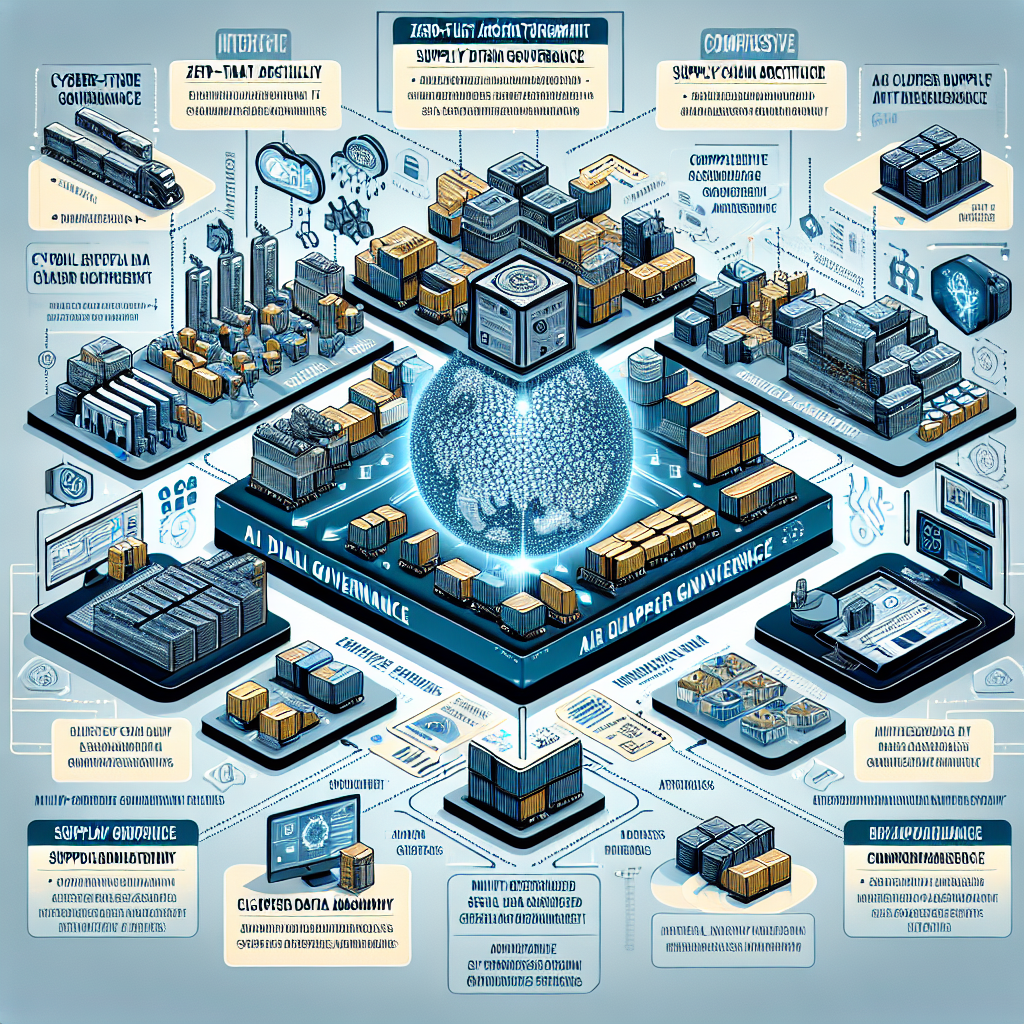
A structured supply chain risk management framework helps organizations systematically identify, assess, and mitigate vulnerabilities before they escalate into a supply chain crisis. Frameworks like the SCOR model (Supply Chain Operations Reference) or ISO 31000 risk management guidelines provide proven methodologies for building this capability. For more on supplier evaluation and procurement best practices, visit BestInSupplies.com.
Technology plays an increasingly critical role in real-time supply chain visibility. Platforms leveraging AI and IoT sensors allow procurement teams to monitor supplier health, track inventory levels, and receive early warnings of potential supply chain bottlenecks — transforming reactive firefighting into proactive risk management.
Inventory Buffers and Nearshoring to Reduce Supply Chain Shock
Strategic safety stock and buffer inventory policies are among the fastest ways to absorb a supply chain shock while longer-term solutions are implemented. While excess inventory carries a holding cost, the risk-adjusted value of buffer stock often far outweighs the cost of a production halt or missed customer orders.
Nearshoring — moving supplier relationships closer to end markets — is gaining momentum as a structural solution to supply chain fragility. Research from Deloitte indicates that over 60% of supply chain executives are actively exploring nearshoring or reshoring strategies to reduce exposure to cross-continental logistics disruption and freight delays.
Key Points
● Supplier diversification across geographies is one of the most powerful tools against supply chain disruption.
● Risk management frameworks and real-time visibility technology enable proactive rather than reactive responses.
● Nearshoring and safety stock policies provide immediate and structural buffers against supply chain shock.
Preparing Your Organization for Future Supply Chain Crises
No supply chain can be made entirely disruption-proof, but organizations that invest in preparation are far better positioned to weather a supply chain crisis with minimal operational and financial damage. This preparation includes scenario planning, cross-functional crisis response teams, and regular supplier audits.
Regular supply chain risk assessments — conducted at least annually and after any significant market event — help identify new vulnerabilities as your business evolves. Engaging directly with suppliers to understand their own risk exposure and business continuity plans is equally important, as a supplier’s fragility directly becomes your fragility.
Key Points
● Scenario planning and crisis response teams reduce recovery time when disruptions occur.
● Regular risk assessments should reflect current market conditions and supplier landscapes.
● Understanding your suppliers’ vulnerabilities is as important as understanding your own.
Key Takeaways
Supply chain disruption is an inevitable reality of modern global commerce, but its impact on your business is largely within your control. By understanding your supply chain vulnerability, diversifying suppliers, investing in risk management frameworks, and building operational flexibility, you can transform a fragile network into a resilient one.
● Supply chain fragility is often rooted in single source dependency, geographic concentration, and poor visibility.
● Logistics disruption — including freight delays, port congestion, and transportation bottlenecks — remains one of the most frequent and costly forms of supply chain shock.
● Supply chain resilience requires a multi-layered strategy: diversified suppliers, buffer inventory, nearshoring, and real-time risk monitoring.
● Cold chain disruption and last mile delivery problems demand targeted, sector-specific solutions.
● Proactive supply chain risk management, supported by technology and structured frameworks, is the most effective defense against a supply chain crisis.
For more expert guidance on sourcing, supplier evaluation, and procurement best practices, explore the resources available at BestInSupplies.com — your trusted partner in building stronger, smarter supply chains.