







The procurement landscape is undergoing a seismic shift. Rising geopolitical tensions, post-pandemic supply chain fragility, and accelerating digital transformation are forcing procurement leaders to rethink every layer of their sourcing strategy. Whether you’re navigating the nearshoring vs offshoring debate or modernizing your vendor risk management framework, the decisions you make this year will define your organization’s resilience for the decade ahead.
Why Procurement Strategy Must Evolve
A reactive procurement strategy is no longer viable. According to a 2023 McKinsey report, companies that invested in proactive supply chain restructuring saw up to 25% lower disruption costs compared to those that delayed action. Today’s procurement leaders are expected to balance cost efficiency with supply chain agility, sustainability goals, and geopolitical risk — all simultaneously.
The stakes are particularly high for mid-to-large enterprises with complex global supplier networks. Strategic sourcing has evolved from a cost-cutting exercise into a competitive differentiator, requiring cross-functional collaboration between procurement, finance, operations, and executive leadership.
● Procurement strategy must account for geopolitical risk, inflation, and digital disruption
● Strategic sourcing is now a board-level priority, not just a procurement function
● Companies with proactive sourcing strategies report measurably lower disruption costs
Strategic Sourcing: Building a Smarter Supplier Ecosystem
Strategic sourcing goes beyond finding the lowest-cost vendor — it’s about building a supplier ecosystem that delivers long-term value, reliability, and innovation. A structured strategic sourcing process typically includes market analysis, total cost of ownership (TCO) modeling, supplier capability assessments, and structured negotiation frameworks. Companies like Apple and Toyota have long demonstrated that deep, collaborative supplier relationships yield significant competitive advantages.
One concrete example is how Boeing restructured its strategic sourcing approach following the 787 Dreamliner supply chain failures. By increasing direct oversight of Tier 2 and Tier 3 suppliers, Boeing reduced component delays and improved quality control — a lesson that resonates across industries today. Applying rigorous supplier vetting criteria at every tier is now considered a foundational best practice.
● Strategic sourcing requires TCO analysis, not just unit cost comparisons
● Deep supplier collaboration at all tiers reduces quality and delivery risk
● Structured vetting frameworks protect against hidden supplier vulnerabilities
Supplier Diversification and Vendor Risk Management
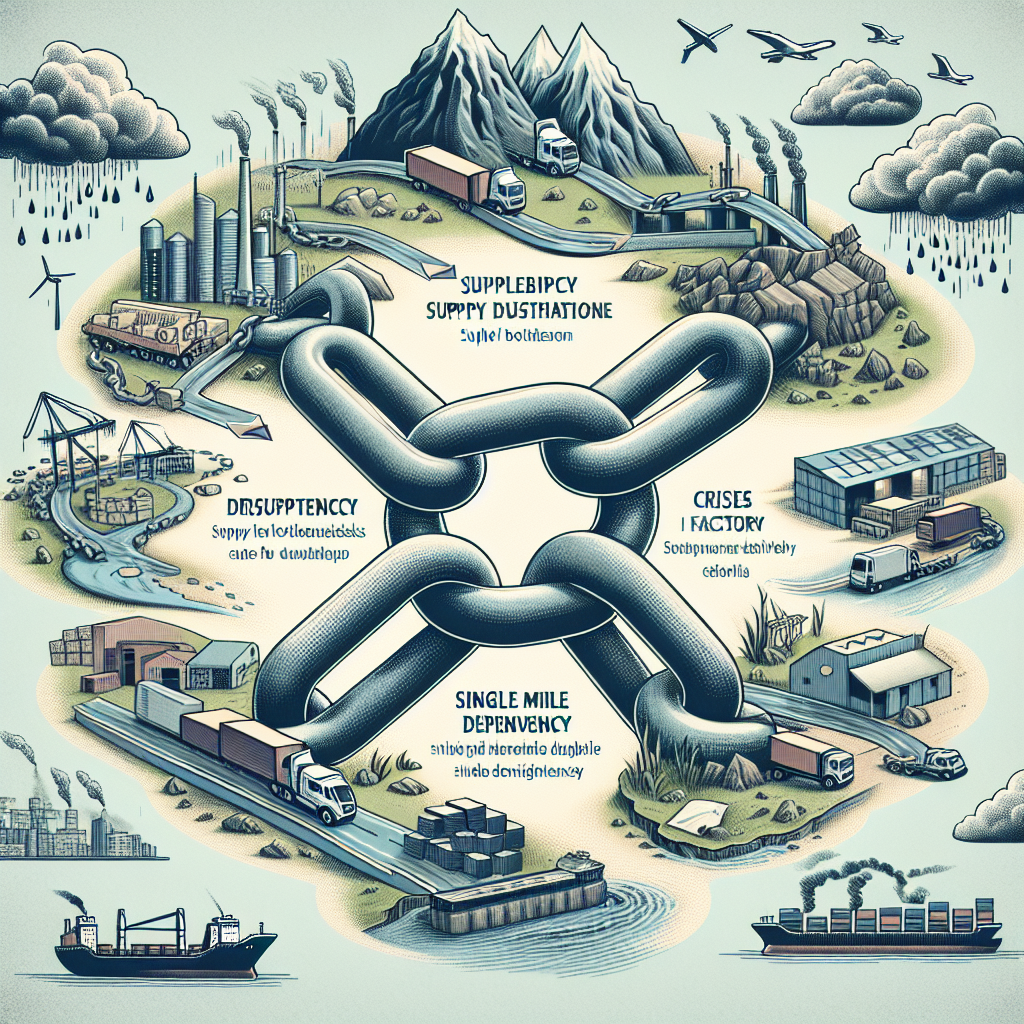
The COVID-19 pandemic exposed the catastrophic risk of single-source supplier dependencies. A 2022 Gartner study found that 87% of supply chain leaders experienced disruptions due to supplier concentration risk, driving a massive push toward supplier diversification. Distributing sourcing across multiple geographies, supplier sizes, and capability profiles creates redundancy that absorbs shocks without halting production.
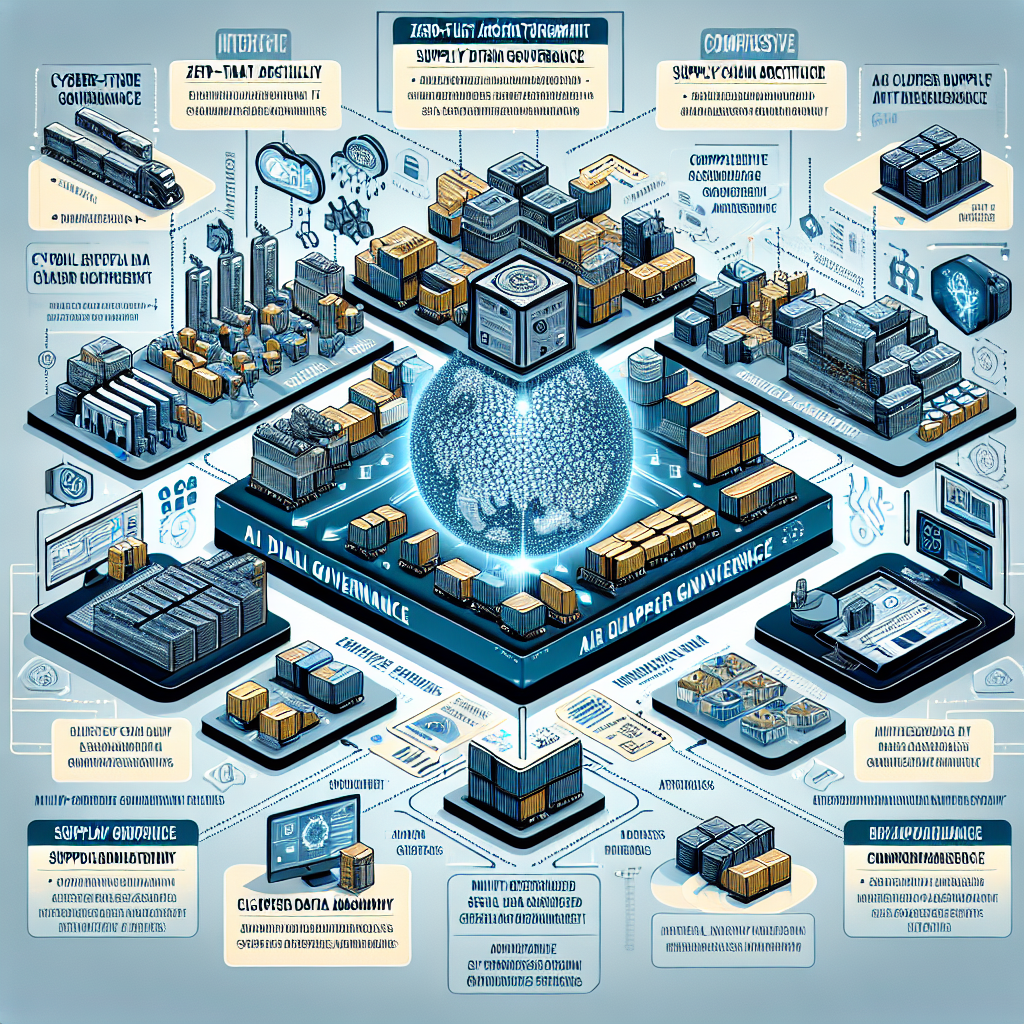
Effective vendor risk management means continuously monitoring supplier financial health, geopolitical exposure, compliance status, and operational capacity. Tools like risk scorecards, supplier portals, and third-party risk platforms — such as those offered by riskmethods — enable procurement teams to identify and mitigate vulnerabilities before they become crises. Pairing supplier diversification with robust vendor risk management creates a procurement function that is both efficient and resilient.
● 87% of supply chain leaders reported disruptions linked to supplier concentration (Gartner, 2022)
● Supplier diversification reduces single points of failure across your supply chain
● Continuous monitoring is essential to effective vendor risk management
Nearshoring vs Offshoring: The Debate
Understanding the Nearshoring vs Offshoring Trade-offs
The nearshoring vs offshoring debate has intensified as companies weigh cost savings against supply chain vulnerability. Offshoring — typically to low-cost regions like Southeast Asia or South Asia — offers significant labor cost advantages but introduces longer lead times, higher logistics costs, and greater exposure to geopolitical disruption. Nearshoring, by contrast, sources from geographically closer countries, trading some cost efficiency for faster delivery and improved supply chain visibility.
For U.S. manufacturers, nearshoring to Mexico has surged, with Mexico surpassing China as the top U.S. goods trading partner in early 2023 — a historic milestone reported by the U.S. Department of Commerce. This shift reflects both strategic risk reduction and the advantages of leveraging USMCA trade benefits to lower tariff exposure.
Near-Shoring vs Friend-Shoring: A Nuanced Distinction
A newer concept gaining traction is near-shoring vs friend-shoring, where procurement strategy prioritizes sourcing from geopolitically aligned nations rather than simply nearby ones. Friend-shoring, championed by U.S. Treasury Secretary Janet Yellen, focuses on building supply chains within trusted allied networks to reduce exposure to adversarial trade risks. This approach is particularly relevant for semiconductor, pharmaceutical, and critical materials procurement.
Both nearshoring and friend-shoring come with trade-offs — allied nations may not always offer the lowest costs or highest production capacity. Procurement leaders must weigh total landed cost, geopolitical alignment, supplier capability, and regulatory compatibility when making these decisions. Explore how leading organizations are navigating these trade-offs at BestInSupplies.com.
● Mexico became the top U.S. trading partner in 2023, reflecting the nearshoring surge
● Friend-shoring prioritizes geopolitical alignment over pure cost or proximity
● Both strategies require holistic TCO and risk analysis before implementation
Reshoring Supply Chain: The Case for Bringing Production Home
Reshoring — returning manufacturing and production to the domestic market — has gained significant policy and corporate momentum, particularly in the United States. The CHIPS and Science Act, the Inflation Reduction Act, and the Infrastructure Investment and Jobs Act have collectively mobilized hundreds of billions of dollars in incentives designed to accelerate reshoring supply chain activity across semiconductors, clean energy, and advanced manufacturing sectors.
Companies like Intel, TSMC, and Micron have announced major U.S. fabrication investments exceeding $200 billion combined, signaling that reshoring is not just a trend but a structural shift. However, reshoring success requires significant upfront capital investment, workforce development, and supplier ecosystem rebuilding — challenges that demand a well-coordinated procurement strategy to navigate effectively.
● U.S. legislative incentives are accelerating reshoring supply chain investments
● Reshoring requires procurement-led supplier ecosystem development domestically
● Major manufacturers are committing hundreds of billions to U.S.-based production
Procurement Automation and Automated Supplier Negotiation
Digital transformation is reshaping procurement at every level, with procurement automation emerging as one of the highest-ROI investments available to supply chain organizations. Platforms integrating AI-driven spend analysis, contract lifecycle management, and automated supplier negotiation are enabling procurement teams to move faster, reduce maverick spending, and improve negotiation outcomes at scale. According to Deloitte’s 2023 Global CPO Survey, organizations with advanced procurement automation capabilities reported 30% faster sourcing cycle times.
Automated supplier negotiation tools use machine learning to analyze historical pricing data, benchmark market rates, and generate optimized negotiation parameters — removing bias and accelerating deal closure. Platforms like Coupa, Jaggaer, and SAP Ariba are leading this transformation, allowing procurement teams to focus strategic capacity on high-complexity supplier relationships while automation handles routine sourcing transactions. Learn more about how automation is transforming procurement at BestInSupplies.com.
● Procurement automation reduces sourcing cycle times by up to 30% (Deloitte, 2023)
● Automated supplier negotiation improves pricing outcomes using AI-driven benchmarking
● Leading platforms like Coupa and SAP Ariba are setting the standard for digital procurement
Key Takeaways
Procurement strategy demands a sophisticated, multi-dimensional approach that balances cost, risk, agility, and innovation. Organizations that invest in strategic sourcing, supplier diversification, and procurement automation will be best positioned to outperform competitors in an increasingly volatile global market. Here are the essential takeaways for procurement leaders this year:
● Strategic sourcing must incorporate TCO analysis, supplier vetting, and long-term relationship building to deliver sustainable value
● Supplier diversification and vendor risk management are non-negotiable defenses against supply chain disruption
● The nearshoring vs offshoring and near-shoring vs friend-shoring debates require nuanced, data-driven decision-making tailored to your industry and risk profile
● Reshoring supply chain initiatives are backed by significant policy incentives but require coordinated procurement investment to succeed
● Procurement automation and automated supplier negotiation are transforming efficiency, speed, and negotiation outcomes across the procurement function
Ready to go deeper on the strategies shaping procurement now? Visit BestInSupplies.com for expert resources, supplier insights, and the latest procurement intelligence to help your organization build a stronger, smarter supply chain.