






Supply chain disruption is no longer a rare event reserved for natural disasters or geopolitical crises — it has become a recurring reality for businesses of every size and sector. From the global semiconductor shortage that paralyzed automotive production to the port congestion that left retailers scrambling for inventory, the fragility of modern supply chains has been exposed in dramatic fashion. Understanding where your vulnerabilities lie and taking proactive steps toward supply chain resilience is no longer optional — it is a strategic imperative.
Understanding Supply Chain Fragility: Why Modern Networks Break Down
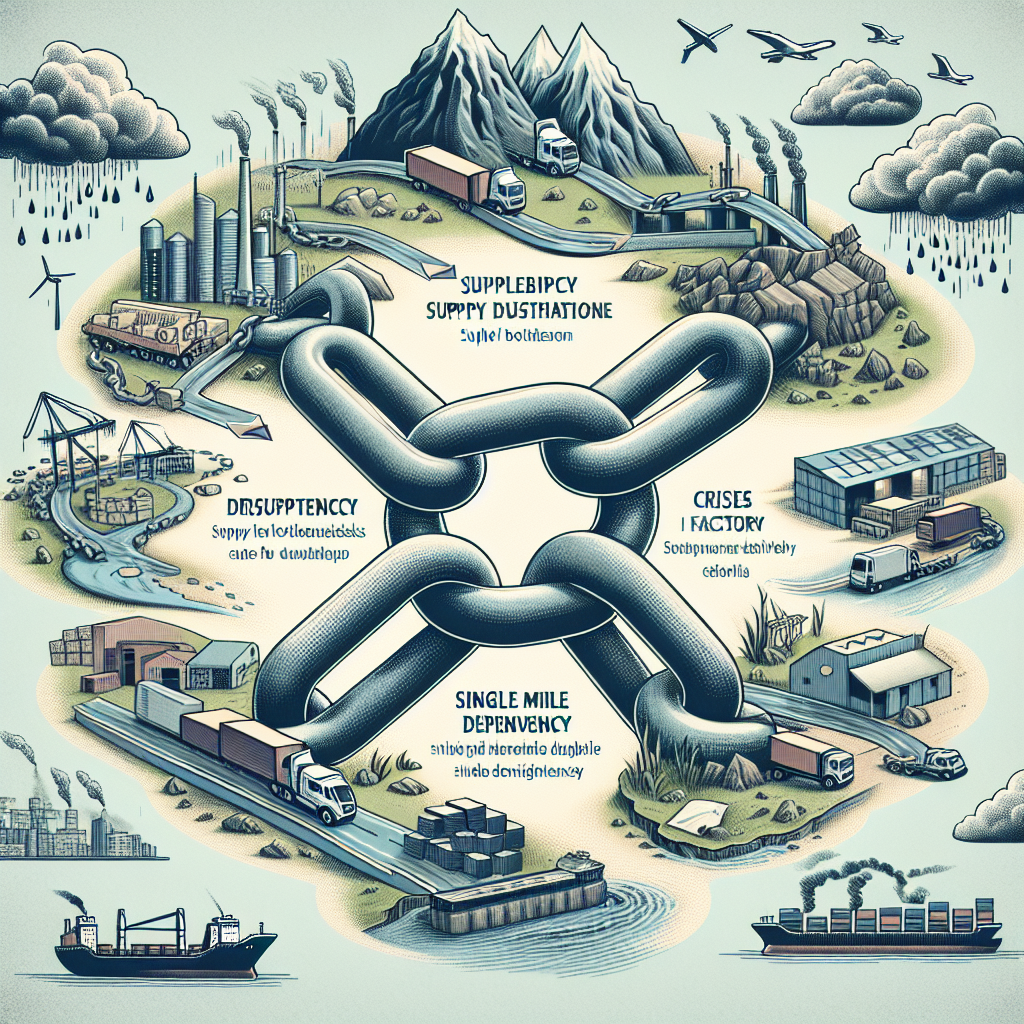
The efficiency-driven model that defined supply chain management for decades — lean inventory, just-in-time delivery, and global sourcing — has proven to be a double-edged sword. While these strategies reduce costs, they also amplify supply chain fragility by eliminating buffers that absorb shocks. When a single disruption occurs at any node in the network, the ripple effects can cascade globally within days.
A critical driver of this fragility is single source dependency, where companies rely on one supplier for a key component or material. During the COVID-19 pandemic, over 90% of Fortune 1000 companies reported supply chain disruptions, and many traced their exposure directly to concentrated supplier relationships in a single region. The lesson is clear: concentration creates catastrophic risk when a supply chain shock occurs.
Geographic concentration compounds the problem. When global supply chains depend heavily on a single country for raw material or manufacturing, events like political instability, natural disasters, or pandemics can trigger near-simultaneous disruptions across dozens of industries. Diversification at both the supplier and geographic level is the first line of defense.
Key Point 1: Lean, just-in-time models increase efficiency but reduce the buffers needed to absorb supply chain shocks.
Key Point 2: Single source dependency is one of the most common and dangerous supply chain vulnerabilities businesses overlook.
Key Point 3: Geographic concentration of suppliers amplifies the impact of regional disruptions across entire industries.
Identifying Supply Chain Vulnerabilities Before They Become Crises
Effective supply chain risk management begins with a thorough mapping of your entire supply network — not just your tier-one suppliers, but tier-two and tier-three vendors as well. Research by the Harvard Business Review found that most companies have visibility into only 21% of their extended supply chain, leaving a vast blind spot where supplier failure and raw material shortage risks go undetected until it is too late.
Once mapping is complete, businesses should conduct a formal vulnerability assessment that evaluates each node against risk criteria including financial stability, geographic exposure, lead time reliability, and capacity constraints. Tools such as Gartner’s Supply Chain Risk Framework offer structured methodologies for scoring and prioritizing risks across complex networks. This kind of systematic analysis transforms vague concern into actionable intelligence.
Common supply chain bottlenecks to assess include over-reliance on single ports of entry, limited alternative routing options, and suppliers operating near full capacity without surge capability. During the 2021 Suez Canal blockage, an estimated $9.6 billion per day in global trade was halted — a stark reminder that even infrastructure considered permanent can become a chokepoint overnight. Identifying these structural vulnerabilities before they are triggered is the cornerstone of proactive risk management.
Key Point 1: Extend supply chain mapping beyond tier-one suppliers to expose hidden vulnerabilities at deeper levels.
Key Point 2: Formal risk scoring frameworks help prioritize which vulnerabilities demand the most urgent mitigation.
Key Point 3: Infrastructure dependencies such as single ports or freight corridors represent critical supply chain bottlenecks.
Logistics Disruption: Addressing Freight Delays, Port Congestion, and Transportation Bottlenecks
Logistics disruption has emerged as one of the most visible and costly dimensions of modern supply chain crises. During the post-pandemic recovery period, port congestion at major U.S. hubs like the Ports of Los Angeles and Long Beach created backlogs stretching to over 100 vessels waiting offshore, driving spot freight rates from approximately $2,000 per container to over $20,000 at peak congestion. These freight delays pushed delivery windows from weeks to months, with downstream consequences rippling across retail, manufacturing, and healthcare.
Transportation bottlenecks extend well beyond ocean freight. Inland rail and trucking networks faced simultaneous pressure due to driver shortages, chassis scarcity, and warehouse congestion that prevented rapid unloading. According to the Bureau of Transportation Statistics, freight demand surged 23% above pre-pandemic levels in 2021 while carrier capacity remained constrained, creating a structural imbalance that took nearly two years to normalize.
Businesses can mitigate logistics disruption by diversifying carrier relationships, maintaining pre-negotiated backup contracts with regional freight providers, and investing in real-time freight visibility platforms. For temperature-sensitive goods, cold chain disruption carries even higher stakes — a single lane failure can result in millions of dollars of spoiled product. Similarly, last mile delivery problems continue to challenge e-commerce and healthcare distributors as final-mile capacity struggles to keep pace with demand growth in urban and rural markets alike.
Key Point 1: Port congestion and freight delays can multiply shipping costs tenfold and extend lead times by months.
Key Point 2: Diversifying carrier relationships and securing backup freight contracts provides critical flexibility during logistics disruptions.
Key Point 3: Cold chain disruption and last mile delivery problems require specialized contingency planning beyond standard logistics strategies.
Building Supply Chain Resilience: Strategies to Withstand the Next Shock
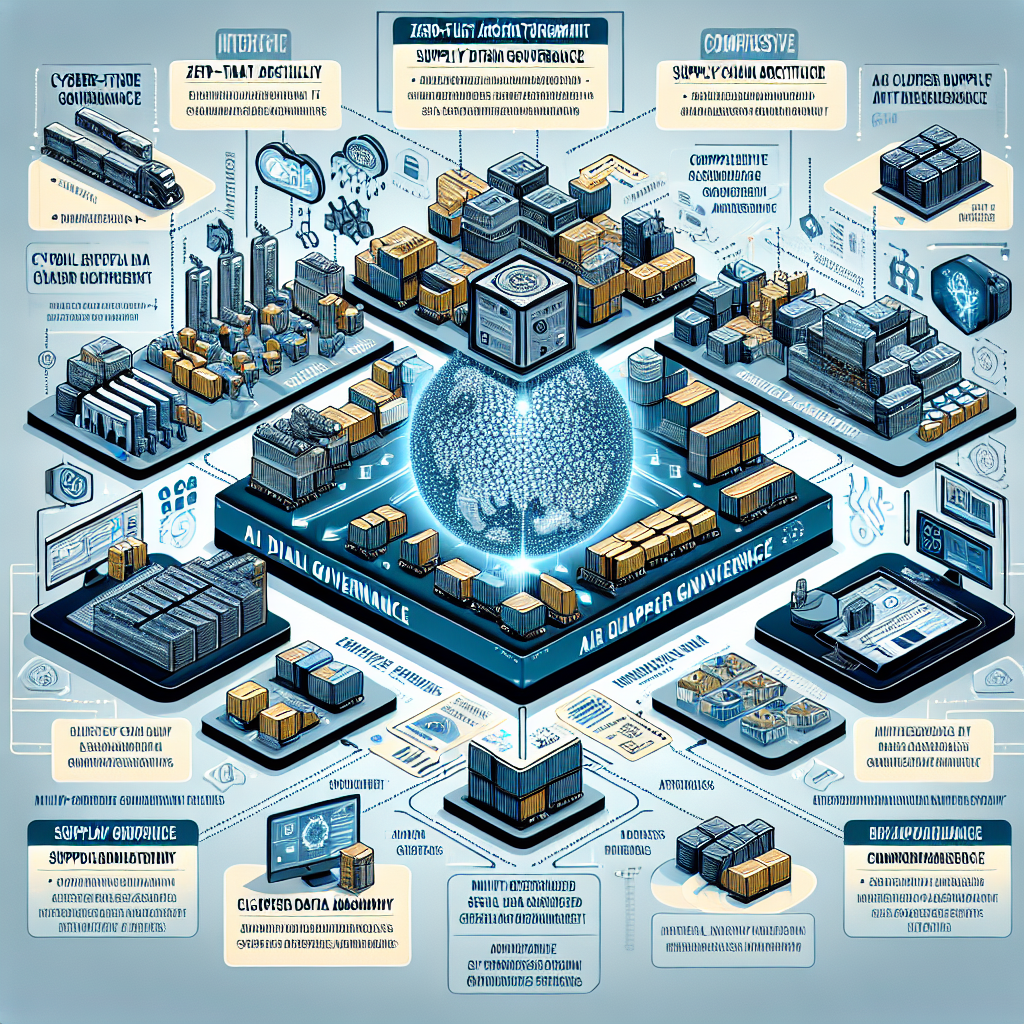
Building genuine supply chain resilience requires a shift in organizational mindset — from optimizing for cost alone to balancing cost with redundancy, agility, and visibility. Leading companies are increasingly adopting a “resilience-by-design” approach that embeds risk mitigation into sourcing strategy, contract terms, inventory policy, and technology investment simultaneously rather than treating it as an afterthought.
Strategic safety stock — holding additional inventory of critical or high-risk components — is one of the most straightforward resilience measures, yet it is often resisted due to working capital concerns. However, a McKinsey analysis found that companies with higher inventory buffers in critical categories recovered from supply chain crises up to three times faster than those operating on pure lean principles. The cost of carrying extra inventory is almost always lower than the cost of a production shutdown or lost customer revenue during a supply shortage.
Technology investment also plays a central role. Platforms that provide end-to-end supply chain visibility, AI-driven demand forecasting, and automated supplier risk monitoring allow organizations to detect early warning signals of disruption — whether a raw material shortage developing in a supplier’s home market or early indicators of port congestion weeks before goods arrive. Visit BestInSupplies.com