





Supply chain visibility has become a defining competitive advantage in modern procurement and logistics. As global networks grow more complex, businesses that leverage real-time IoT inventory tracking and end-to-end visibility platforms are outpacing those still relying on manual processes and fragmented data systems.
Why End-to-End Supply Chain Visibility Matters More Than Ever
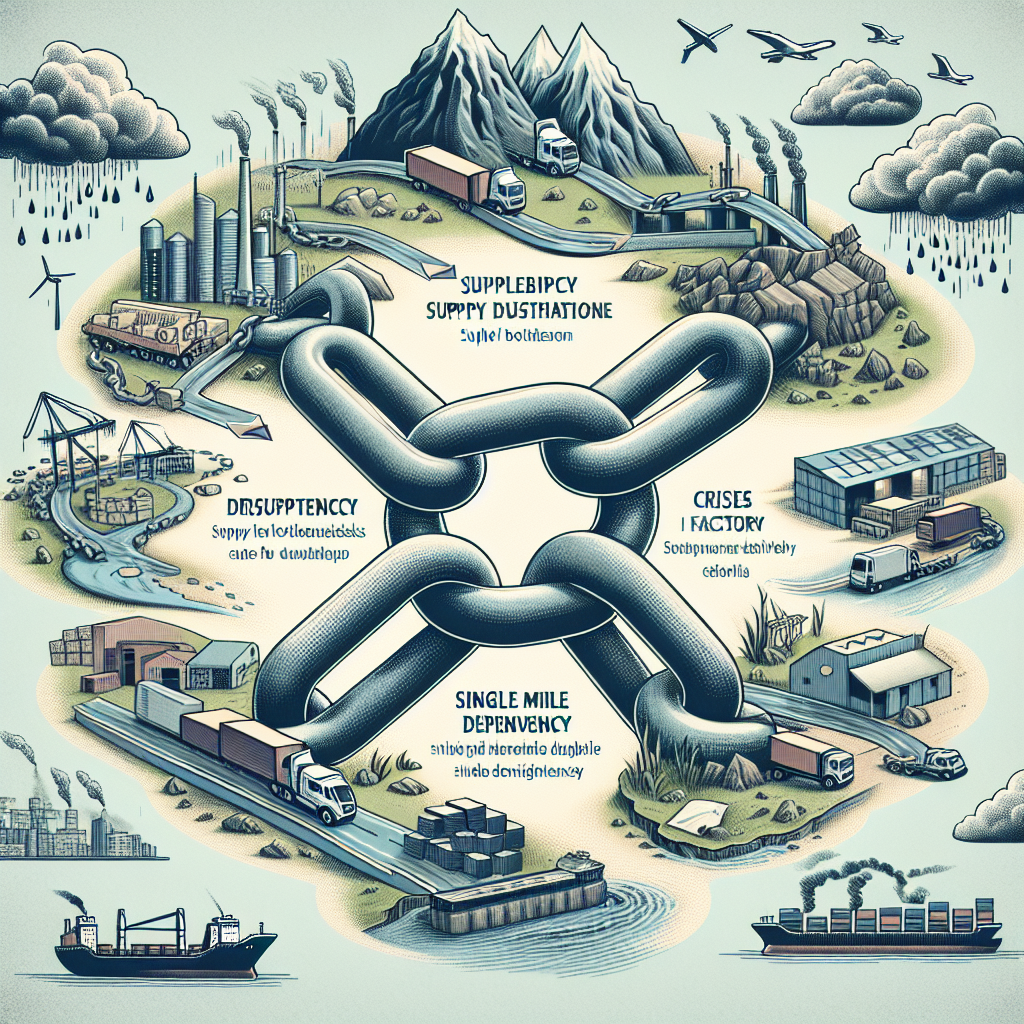
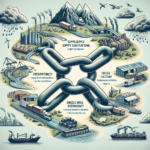
Disruptions like the COVID-19 pandemic exposed critical blind spots in global supply chains, costing businesses an estimated $4 trillion in lost revenue between 2020 and 2021, according to McKinsey. Companies with end-to-end visibility platforms recovered faster because they could identify bottlenecks, reroute shipments, and communicate proactively with customers.
True visibility extends beyond your immediate suppliers. It requires insight into sub-tier vendors, logistics partners, and inventory levels across every node in the network. Without this depth, procurement teams are essentially navigating in the dark.
Global supply chain disruptions have made visibility a top executive priority
End-to-end platforms reduce response time to disruptions by up to 50%
Visibility gaps increase operational costs and customer dissatisfaction
Real-Time IoT Inventory Tracking: The Technology Driving Transparency
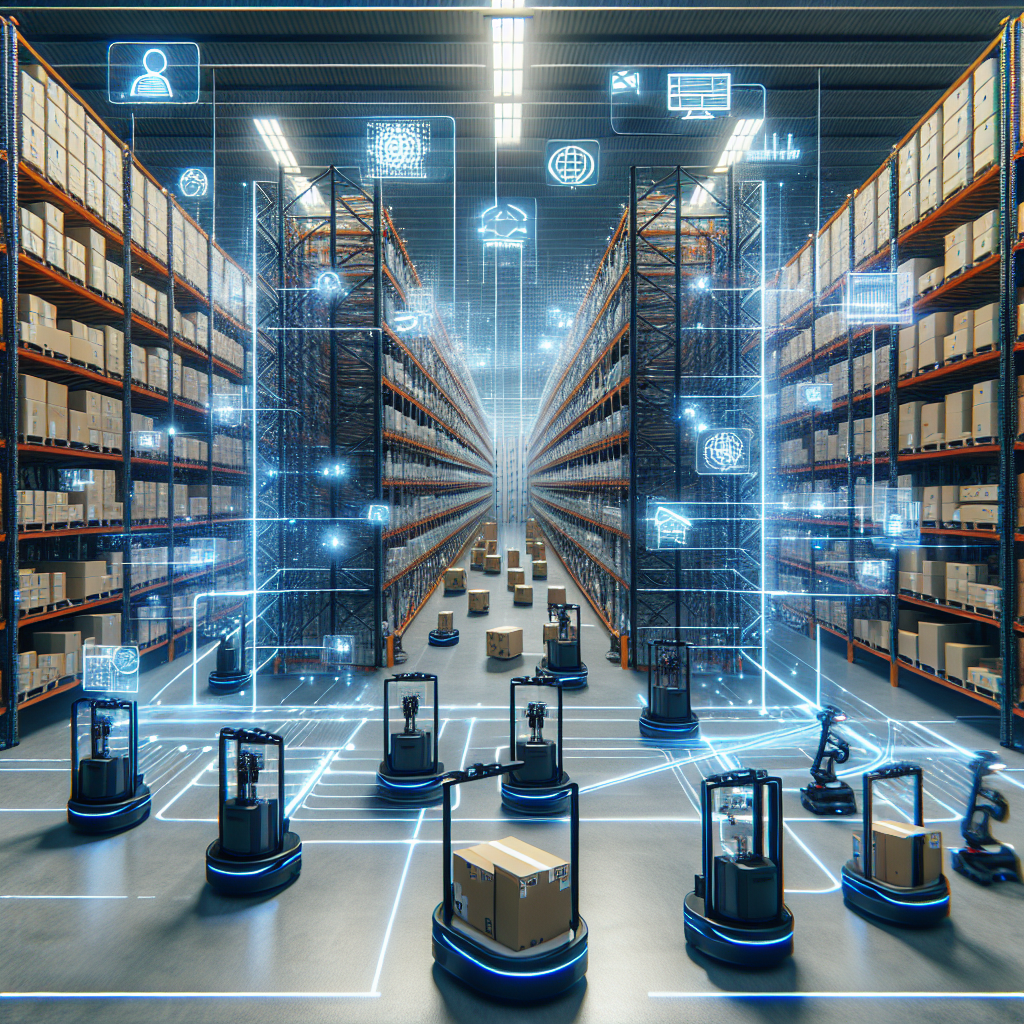
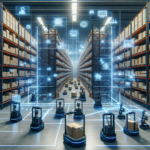
Real-time IoT inventory tracking uses connected sensors, RFID tags, and GPS devices to monitor goods from the point of manufacture to final delivery. According to a Gartner report, organizations implementing IoT-enabled tracking reduced inventory carrying costs by an average of 25% while improving order accuracy to above 98%.
For example, global retailer Walmart deployed IoT shelf sensors and RFID tagging across thousands of SKUs, enabling automated replenishment triggers that cut out-of-stock incidents by 16%. This level of granularity is what separates reactive supply chains from proactive ones.
How IoT Integrates with Existing Supply Chain Systems
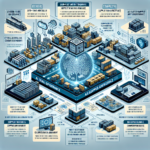
Modern IoT solutions integrate seamlessly with ERP and warehouse management systems through open APIs, eliminating data silos. This interoperability ensures that supply chain visibility data flows in real time to decision-makers, enabling faster responses to demand shifts or supplier delays.
Platforms such as Oracle SCM Cloud and SAP Integrated Business Planning now offer native IoT data ingestion, allowing businesses to consolidate sensor data alongside purchase orders and logistics updates in a single dashboard.
IoT tracking reduces inventory carrying costs by an average of 25%
RFID and GPS sensors provide node-by-node shipment visibility
API integrations connect IoT data directly to ERP and WMS platforms
Multi-Tier Supplier Visibility: Seeing Beyond Your Immediate Vendors
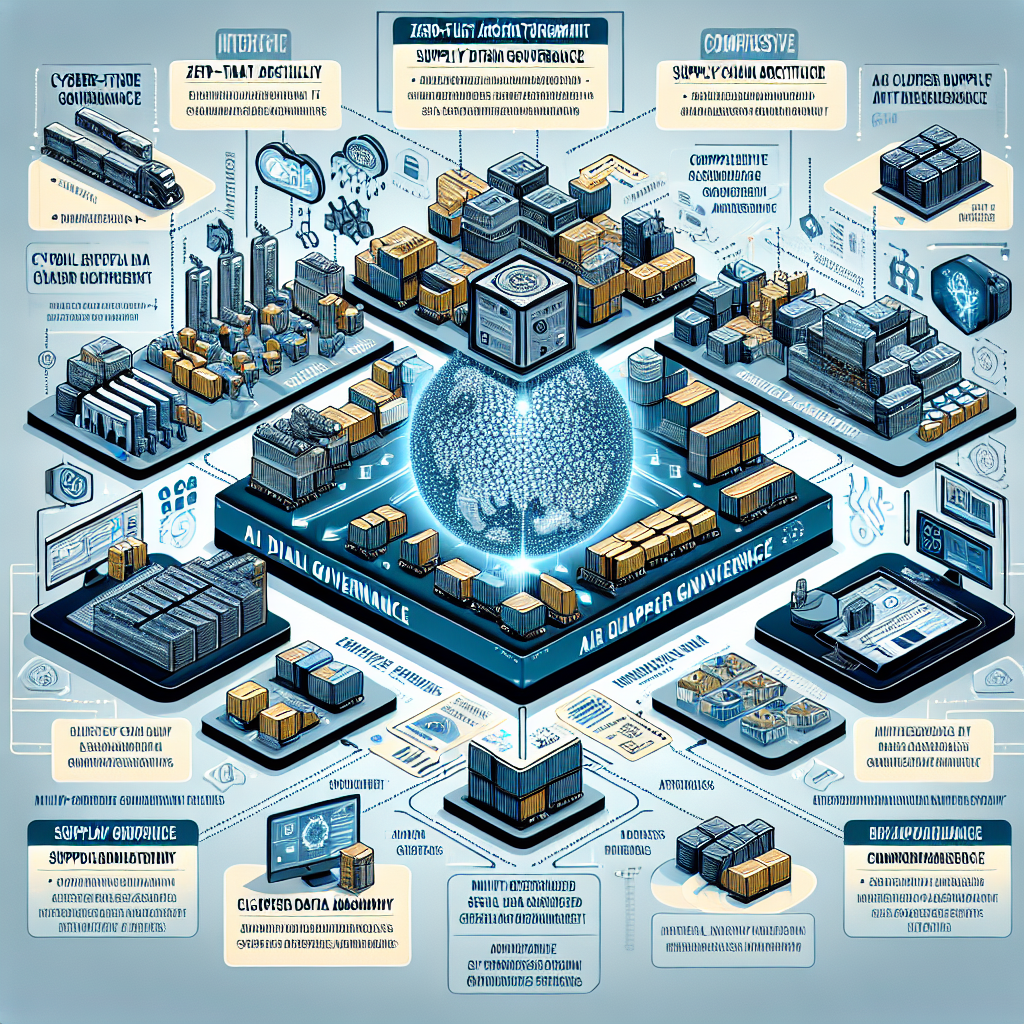
Multi-tier supplier visibility means mapping and monitoring not just your direct (Tier 1) suppliers, but also their suppliers (Tier 2) and beyond. Research from Deloitte found that over 70% of supply chain disruptions originate below Tier 1, yet fewer than 20% of companies have visibility into Tier 2 and Tier 3 suppliers.
Platforms like Resilinc and Coupa use AI-powered supplier mapping to automatically surface sub-tier risk factors, including financial instability, geopolitical exposure, and natural disaster proximity. This intelligence allows procurement teams to pre-qualify alternate suppliers before a disruption occurs rather than scrambling during one.
Building a Resilient Multi-Tier Supplier Network
Establishing multi-tier supplier visibility starts with supplier onboarding that requires data sharing agreements across all tiers. Progressive companies are now including sub-tier disclosure requirements in their standard vendor contracts to enforce transparency from the outset.
Technology platforms that offer digital supplier networks, such as those featured at BestInSupplies.com, help procurement teams centralize supplier data, monitor compliance, and benchmark performance across every tier of their supply chain.
Over 70% of disruptions originate below the Tier 1 supplier level
AI-powered mapping tools automatically surface sub-tier risks
Contract-embedded data sharing requirements enforce multi-tier transparency
Demand Forecasting: Turning Visibility Data into Actionable Intelligence
Supply chain visibility is only as powerful as the decisions it enables. Advanced demand forecasting tools use machine learning to analyze historical purchase data, market signals, and real-time inventory levels to generate highly accurate demand predictions. Companies using AI-driven demand forecasting have reported a 10–20% reduction in forecast errors compared to traditional statistical models, according to a IBM Institute for Business Value study.
When demand forecasting is integrated with real-time IoT inventory tracking, businesses can automatically trigger replenishment orders, adjust safety stock levels, and alert suppliers to upcoming demand spikes—all without manual intervention. This closed-loop approach transforms supply chain visibility from a reporting tool into a true operational engine.
Connecting Forecasting to Multi-Tier Supplier Planning
Sharing demand forecasts with Tier 1 and Tier 2 suppliers through collaborative planning platforms reduces the bullwhip effect—where small demand fluctuations cause large swings in upstream orders. Companies like Procter & Gamble have long demonstrated that collaborative forecasting with suppliers reduces inventory levels by up to 30% while improving service levels.
End-to-end visibility platforms that incorporate demand forecasting modules allow procurement teams to communicate forward-looking demand signals directly to their supplier networks, aligning production schedules and reducing lead times across every tier.
AI-driven forecasting reduces forecast errors by 10–20%
Integrated IoT and forecasting enables automated replenishment triggers
Collaborative supplier forecasting reduces inventory levels by up to 30%
Key Takeaways
End-to-end supply chain visibility is essential for resilience and competitive advantage in today’s complex global networks
Real-time IoT inventory tracking reduces carrying costs, improves order accuracy, and enables proactive decision-making
Multi-tier supplier visibility uncovers risks that originate below Tier 1—where most disruptions actually begin
Demand forecasting powered by AI and integrated with visibility data closes the loop between sensing and responding
Businesses that invest in end-to-end visibility platforms today are positioned to outperform competitors during the next major supply chain disruption
Ready to explore the tools and platforms that can bring true end-to-end supply chain visibility to your organization? Visit BestInSupplies.com for expert reviews, platform comparisons, and the latest insights on IoT tracking, multi-tier supplier management, and demand forecasting solutions tailored for procurement professionals