





AI-powered demand forecasting is reshaping how businesses manage inventory, reduce waste, and respond to market volatility. Combined with continuous S&OP planning, organizations can now move beyond static, monthly review cycles toward real-time, data-driven decision-making. This post explores how these technologies are defining the future of supply chain analytics.
What Is AI-Powered Demand Forecasting?
Traditional demand forecasting relied on historical sales data and manual spreadsheet models, often resulting in costly over- or under-stocking. AI-powered demand forecasting leverages machine learning algorithms to analyze hundreds of variables simultaneously—including weather patterns, consumer sentiment, and macroeconomic indicators—delivering predictions with significantly higher accuracy. According to McKinsey & Company, AI-driven forecasting can reduce forecast errors by up to 50% and reduce lost sales due to stockouts by up to 65%.
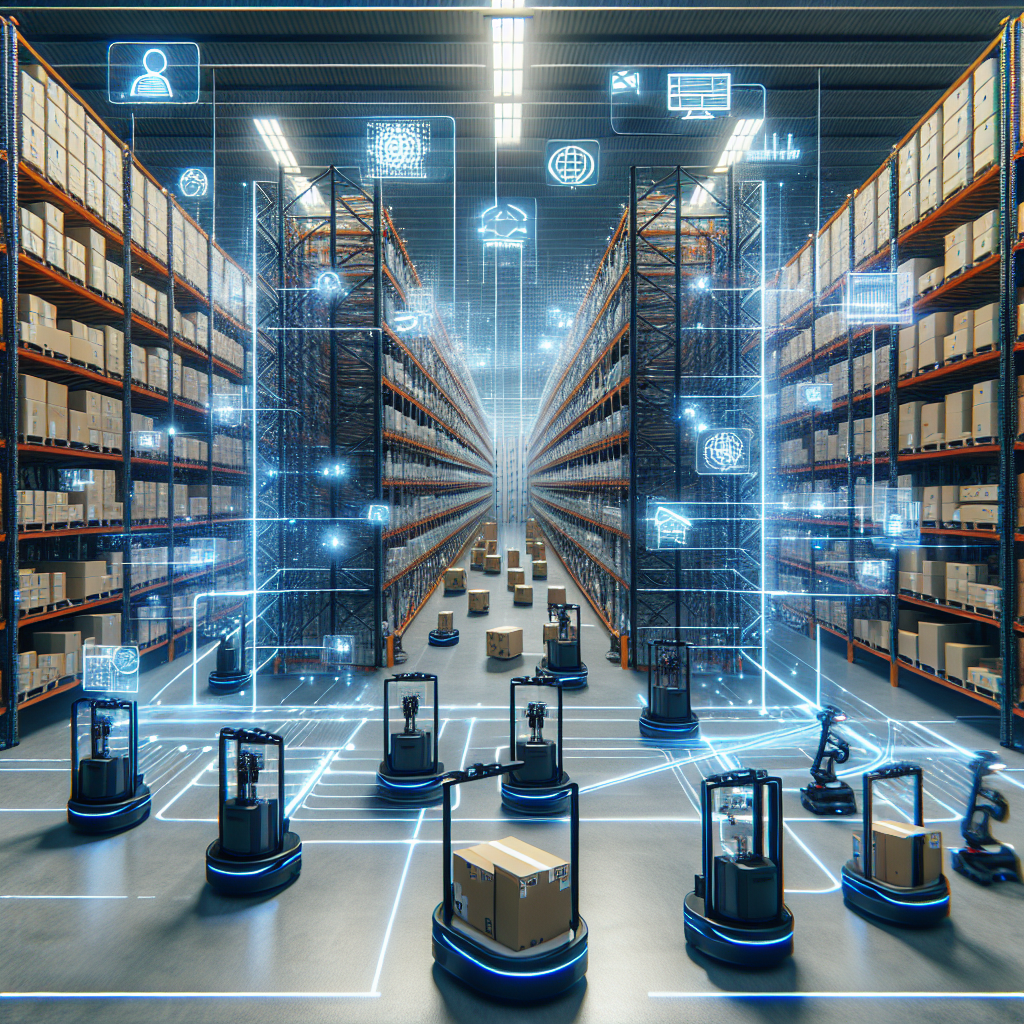
Companies like Amazon and Walmart have deployed AI forecasting models that update predictions in near real-time, adjusting procurement signals before supply gaps emerge. These systems integrate seamlessly with ERP platforms and warehouse management systems to create a closed-loop planning environment. The result is a more agile, resilient supply chain that responds to demand signals rather than chasing them.
Key Points
AI forecasting reduces errors by up to 50% compared to traditional methods.
Real-time data ingestion replaces static monthly demand reviews.
Integration with ERP systems creates a closed-loop planning cycle.
Continuous S&OP Planning: Moving Beyond the Monthly Cadence
Continuous S&OP planning transforms the traditional monthly Sales and Operations Planning cycle into an always-on, dynamic process. Rather than waiting for a scheduled review meeting, teams receive automated alerts when demand signals shift, enabling faster consensus and decision-making. This approach is particularly valuable in industries with short product lifecycles, such as consumer electronics and fast-moving consumer goods (FMCG).
A landmark example is Unilever, which implemented a continuous planning model as part of its digital supply chain transformation. By integrating supply chain analytics into a unified platform, Unilever reported a 20% improvement in forecast accuracy and a measurable reduction in excess inventory within the first year. Continuous S&OP planning also aligns finance, sales, and operations teams around a single version of the truth, eliminating the data silos that traditionally slow down strategic decisions.
Key Points
Continuous S&OP replaces periodic reviews with real-time consensus planning.
Unilever achieved a 20% forecast accuracy improvement through continuous planning.
Cross-functional alignment reduces data silos and accelerates decision cycles.
Supply Chain Analytics as the Foundation for Lead Time Reduction
Advanced supply chain analytics provides the visibility needed to identify bottlenecks, optimize sourcing decisions, and achieve meaningful lead time reduction. By analyzing supplier performance data, transportation patterns, and production capacity in real time, organizations can proactively reroute orders or adjust safety stock levels before delays escalate. Gartner research highlights that companies using advanced analytics in supply chain operations achieve lead time reductions of 15–35% compared to peers using conventional methods.
For example, a global pharmaceutical company used predictive supply chain analytics to monitor cold-chain logistics performance across 40 countries. By flagging at-risk shipments 72 hours in advance, the company reduced average lead times by 22% and cut compliance-related penalties by 18%. This level of operational precision is only achievable when AI-powered demand forecasting, continuous S&OP planning, and robust analytics are fully integrated into a single decision-support ecosystem.
Key Points
Analytics-driven organizations achieve 15–35% lead time reduction per Gartner.
Predictive tools allow proactive intervention before delays escalate.
Full integration of forecasting and S&OP delivers the greatest operational impact.
Key Takeaways
AI-powered demand forecasting reduces forecast errors by up to 50%, improving inventory efficiency.
Continuous S&OP planning enables real-time alignment across finance, sales, and operations teams.
Supply chain analytics is the critical enabler of lead time reduction and resilience.
Industry leaders like Amazon, Walmart, and Unilever are already demonstrating measurable ROI from these technologies.
Full integration of AI forecasting, continuous planning, and analytics creates a competitive, future-ready supply chain.
Want to explore more insights on supply chain optimization and procurement strategies? Visit BestInSupplies.com for expert resources, product guides, and the latest trends in supply chain management designed to help your business operate smarter and more efficiently.