






Supply chain disruption has moved from an occasional business inconvenience to a persistent, board-level threat. From raw material shortages triggered by geopolitical tensions to freight delays caused by port congestion, modern supply chains face compounding risks that demand proactive management and structural reform.
Understanding Supply Chain Vulnerability and Fragility
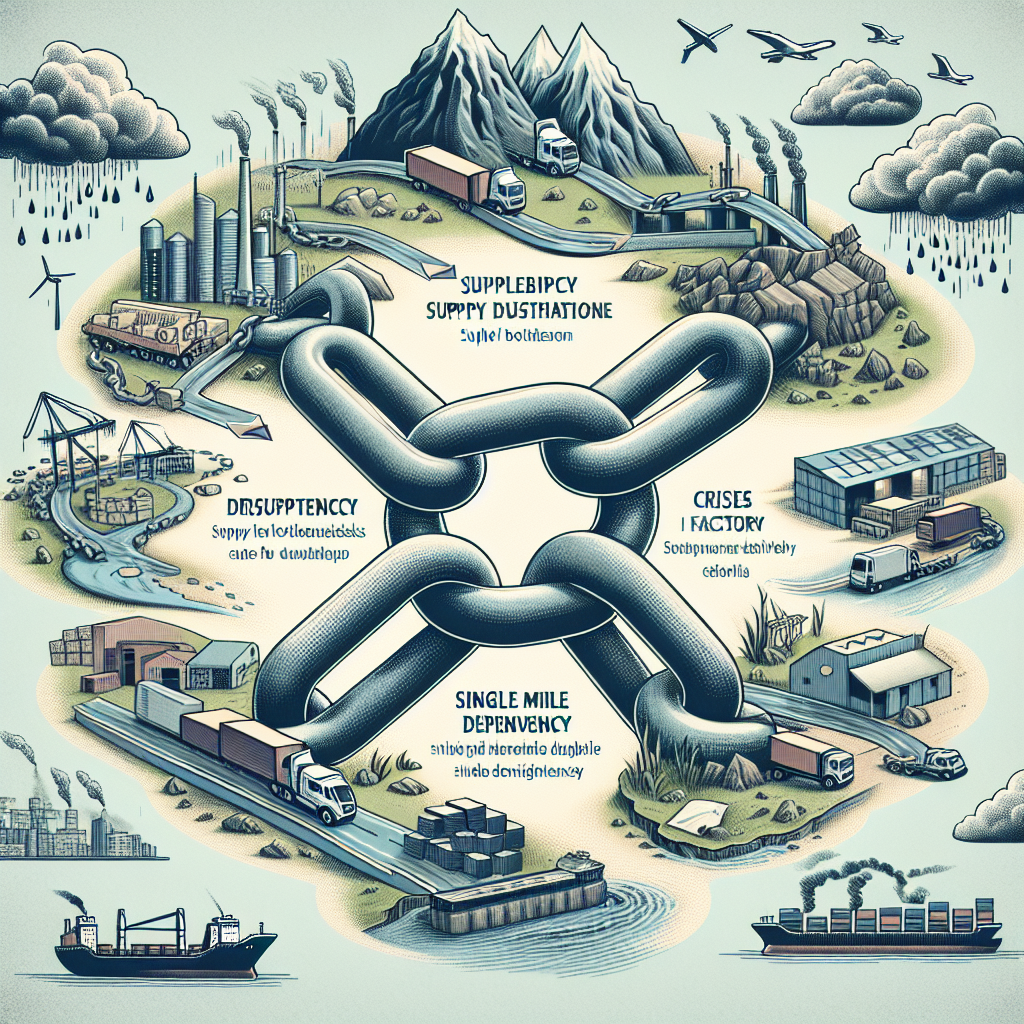
Supply chain vulnerability refers to the degree to which a supply network is exposed to shocks it cannot absorb without significant operational or financial damage. Supply chain fragility, by contrast, describes systems that lack the redundancy, flexibility, or visibility needed to recover quickly from those shocks.
The COVID-19 pandemic exposed just how fragile global supply networks had become. A 2021 McKinsey Global Institute report found that companies can expect supply chain disruptions lasting one month or longer to occur every 3.7 years on average, with severe disruptions wiping out nearly 45% of one year’s profits over a decade.
Industries relying on single source dependency are especially exposed. When a sole supplier fails, production halts entirely, with no fallback position available.
Key Points
Supply chain fragility is amplified by lack of redundancy and poor network visibility.
Single source dependency remains one of the most common and dangerous vulnerabilities.
Historical data confirms that significant disruptions are not rare events but statistical certainties.
Common Sources of Supply Chain Disruption
Supply chain shock can originate from dozens of trigger points across a network. The most frequent causes include supplier failure, transportation bottlenecks, port congestion, cold chain disruption, and last mile delivery problems that prevent goods from reaching end customers on time.
Port congestion became a defining supply chain crisis during 2021 and 2022, when ports such as Los Angeles and Long Beach saw vessels waiting up to three weeks to berth. According to FreightWaves, container dwell times nearly tripled, creating cascading freight delays that rippled across retail, automotive, and electronics sectors globally.
Cold chain disruption presents an additional layer of complexity, particularly in pharmaceuticals and food logistics, where temperature excursions can render entire shipments unsaleable. Last mile delivery problems further compound costs, often accounting for over 53% of total shipping expenses according to industry research.
Key Points
Port congestion and transportation bottlenecks can paralyze entire industries for weeks or months.
Cold chain disruption carries both financial and public safety consequences.
Last mile delivery problems disproportionately inflate overall logistics costs.
How to Identify Supply Chain Bottlenecks Before They Escalate
Effective supply chain risk management begins with systematic mapping of every node in the supply network, identifying where supply chain bottlenecks are most likely to form under stress. This includes tier-2 and tier-3 suppliers, not just direct vendors, as disruptions frequently originate several layers deep in the network.
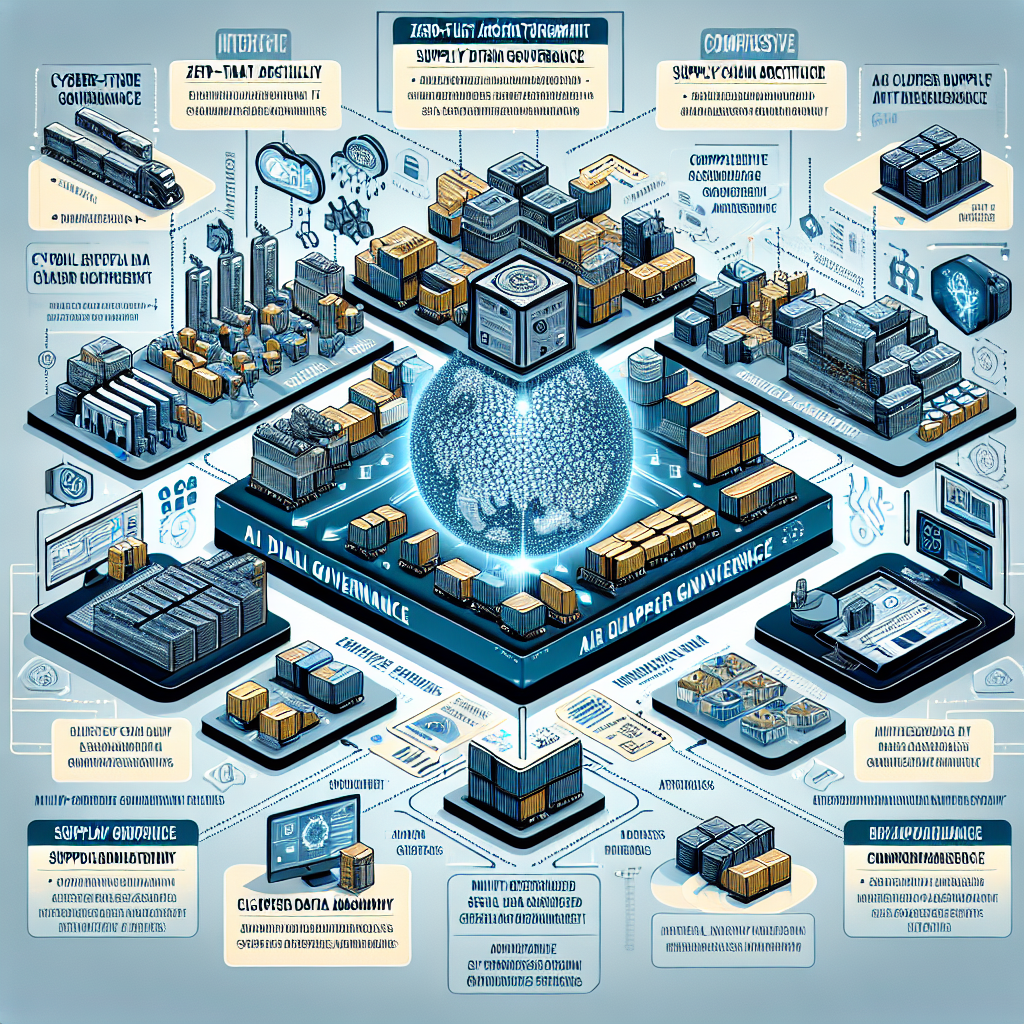
Digital tools such as supply chain control towers and AI-driven risk platforms allow procurement and operations teams to monitor supplier health scores, inventory buffers, and logistics performance in real time. Companies including Resilinc provide continuous supplier monitoring that alerts businesses to early warning signals such as factory closures, financial distress, or natural disaster exposure well before a supply shortage materializes.
Conducting regular stress tests and scenario planning exercises helps leadership quantify the financial impact of potential supply chain shock events and prioritize mitigation investment accordingly.
Key Points
Supply chain mapping must extend to tier-2 and tier-3 suppliers to be effective.
Real-time monitoring platforms can identify supplier failure risk before it becomes a crisis.
Scenario planning transforms abstract risks into actionable mitigation priorities.
Building True Supply Chain Resilience
Supply chain resilience is not simply about adding safety stock or finding a second supplier. True resilience requires structural diversification, regional sourcing strategies, agile logistics partnerships, and a culture of continuous risk review embedded at every level of the organization.
Following a raw material shortage crisis in its semiconductor supply, the automotive industry began restructuring its sourcing model in 2022 and 2023. Major manufacturers including Ford and General Motors signed direct agreements with chip manufacturers, bypassing traditional tier-1 suppliers to reduce single source dependency and secure long-term supply commitments. This structural shift illustrates how supply chain resilience requires both strategic foresight and contractual commitment.
Organizations should also invest in logistics network flexibility, maintaining relationships with multiple freight carriers and fulfillment partners to mitigate the impact of freight delays or transportation bottlenecks during peak demand or crisis periods. For practical sourcing strategies tailored to your business, explore resources at BestInSupplies.com.
Key Points
True supply chain resilience demands structural diversification, not just inventory buffers.
Direct supplier agreements can reduce single source dependency in critical categories.
Flexible logistics partnerships help absorb freight delays and transportation bottlenecks.
Key Takeaways
Supply chain disruption is a statistical certainty; proactive risk management is not optional.
Identifying supply chain vulnerability requires mapping beyond direct suppliers to deeper tiers.
Port congestion, cold chain disruption, and last mile delivery problems are among the most costly and frequent sources of supply chain shock.
Supply chain resilience is built through diversification, real-time monitoring, and agile logistics strategies.
Companies that treat supply chain risk management as a continuous discipline outperform those that react only after a crisis occurs.
For expert guidance on supplier sourcing, procurement strategies, and supply chain resilience tools, visit BestInSupplies.com to explore related articles and resources designed to help your business stay ahead of the next disruption.