

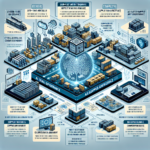





AI-powered demand forecasting is no longer a futuristic concept — it is rapidly becoming the operational backbone of resilient, data-driven supply chains. As market volatility increases and customer expectations rise, organizations are turning to advanced supply chain analytics and continuous S&OP planning to stay competitive and profitable.
What Is AI-Powered Demand Forecasting?
Traditional demand forecasting relied on historical sales data and manual spreadsheet models, often producing forecasts that were outdated before they were even acted upon. AI-powered demand forecasting replaces these static methods with machine learning algorithms that continuously ingest real-time signals — including point-of-sale data, weather patterns, economic indicators, and social media trends — to generate dynamic, highly accurate predictions.
According to McKinsey, companies that implement AI-driven forecasting can reduce forecast errors by up to 50% and decrease lost sales due to stockouts by up to 65%. These improvements translate directly into working capital savings and stronger customer satisfaction scores.
Key Points
AI models process real-time, multi-source data for higher forecast accuracy.
Forecast error reductions of up to 50% are achievable with machine learning.
Lower stockout rates directly improve revenue and customer retention.
Continuous S&OP Planning: Moving Beyond the Monthly Cycle
Traditional Sales and Operations Planning (S&OP) operates on a rigid monthly cadence, creating a lag between when market conditions change and when the business responds. Continuous S&OP planning breaks this cycle by enabling organizations to update plans in near real-time, aligning demand signals with supply capacity, inventory positioning, and financial targets on an ongoing basis.
Companies like Unilever and Procter & Gamble have pioneered continuous planning models, reporting significant improvements in on-shelf availability and inventory turns. By integrating AI-powered demand forecasting into the S&OP process, planners can run scenario analyses in minutes rather than days, empowering faster and more confident decision-making across the entire supply chain.
Key Points
Continuous S&OP planning replaces static monthly cycles with dynamic, real-time updates.
Scenario analysis capabilities allow faster response to supply and demand disruptions.
Integration with AI forecasting aligns financial, supply, and demand plans simultaneously.
How Supply Chain Analytics Drives Lead Time Reduction
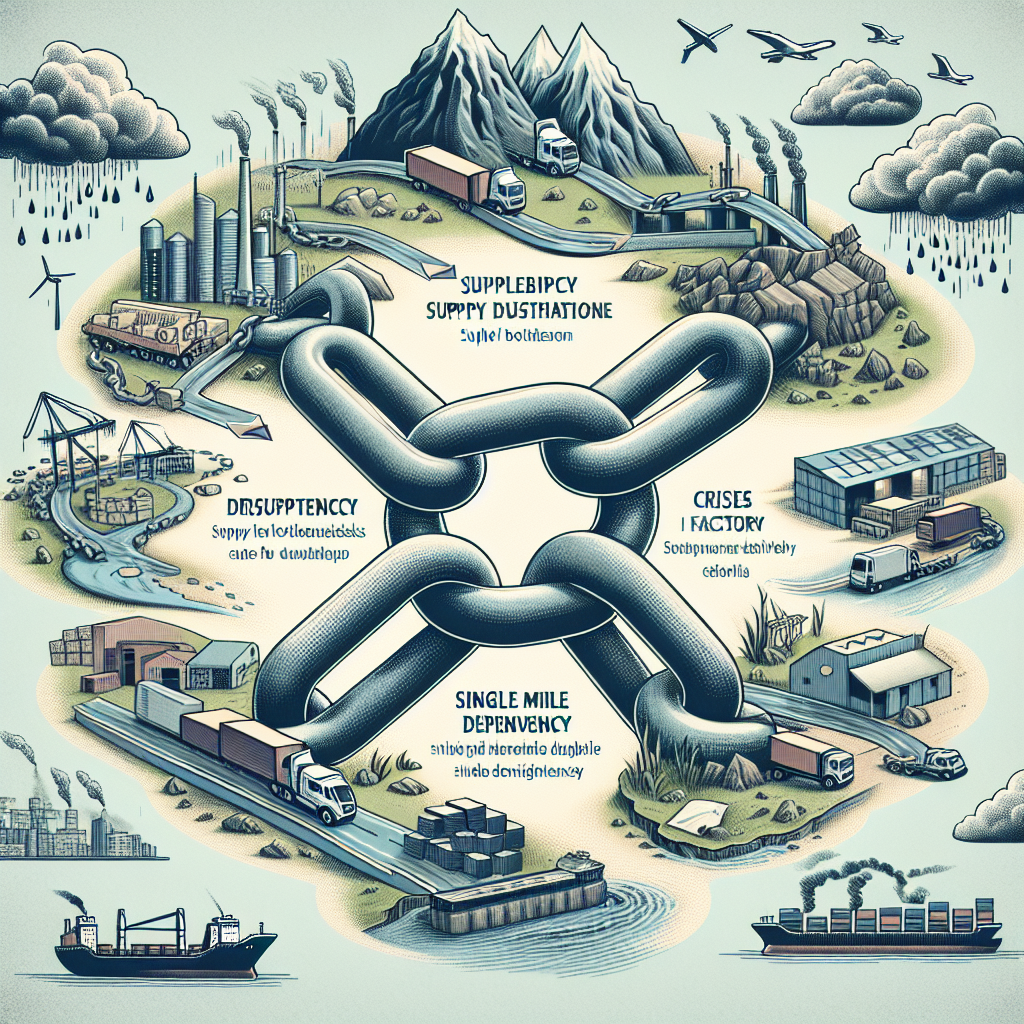
Advanced supply chain analytics provides the visibility needed to identify and eliminate inefficiencies across the procurement, production, and logistics network. By analyzing supplier performance data, transportation patterns, and production capacity in real time, organizations can pinpoint the root causes of delays and implement targeted improvements that achieve meaningful lead time reduction.
For example, a global electronics manufacturer leveraged predictive analytics to identify that 30% of its lead time variability stemmed from a single tier-2 supplier. By re-sourcing that component and using AI to monitor supplier risk scores continuously, the company reduced its average procurement lead time by 22% within six months. This kind of data-driven action is only possible when robust supply chain analytics is embedded into daily operations.
Key Points
Supply chain analytics reveals hidden bottlenecks across multi-tier supplier networks.
Predictive models enable proactive risk mitigation before disruptions escalate.
Lead time reduction of 20%+ is achievable through targeted, analytics-driven interventions.
Integrating AI Forecasting With Your S&OP Technology Stack
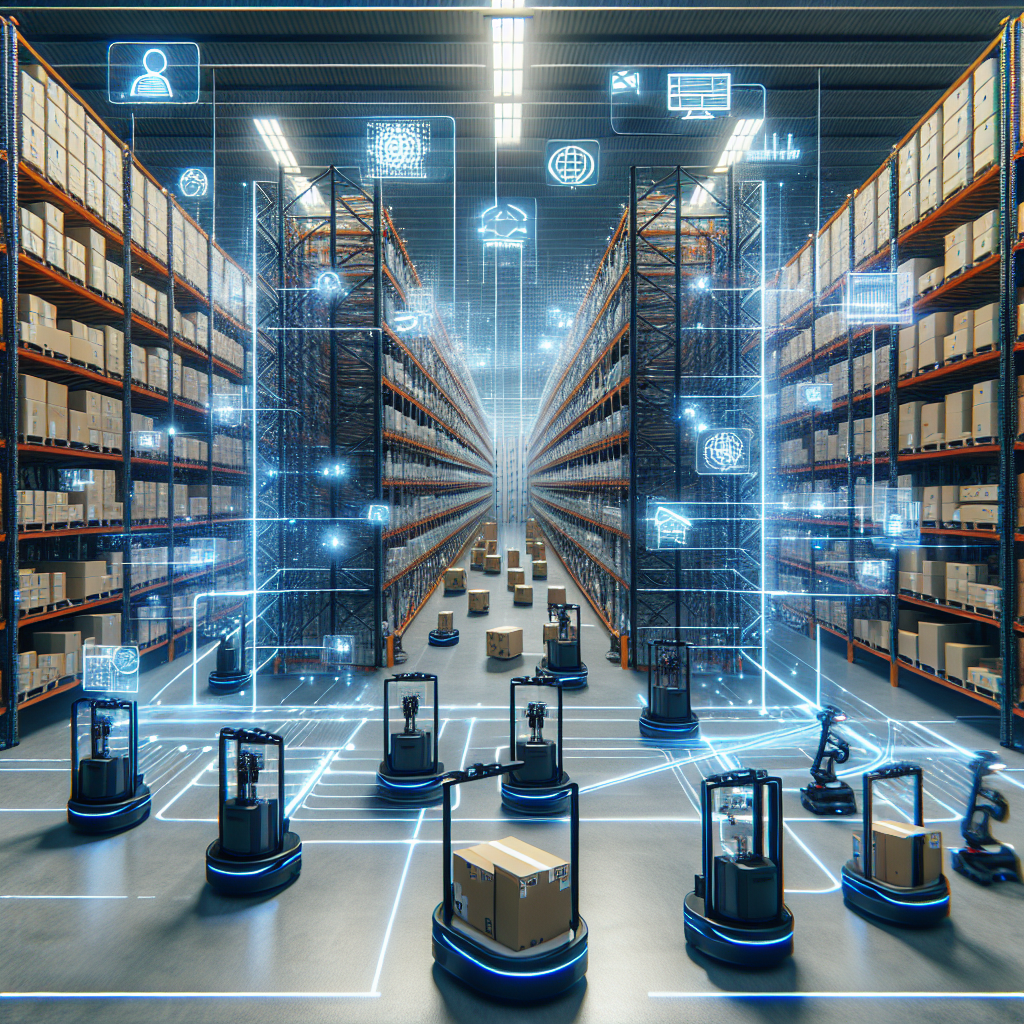
Successful implementation of AI-powered demand forecasting requires seamless integration with existing ERP, TMS, and WMS platforms. Leading solutions such as o9 Solutions, Blue Yonder, and Kinaxis offer native AI capabilities that embed directly into the S&OP workflow, reducing the friction often associated with point-solution deployments.
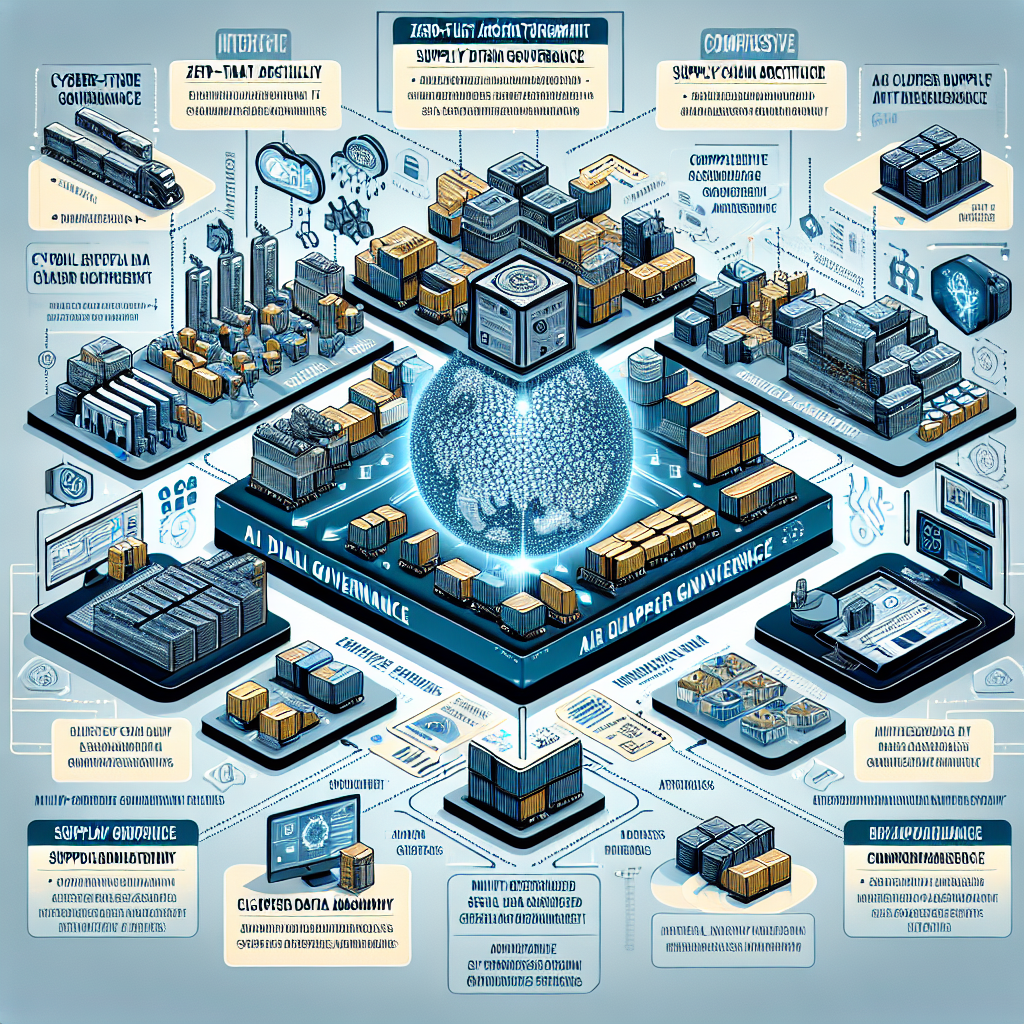
Organizations should also invest in data governance frameworks to ensure the quality and consistency of inputs feeding their AI models. Garbage in still means garbage out — even the most sophisticated machine learning algorithm cannot compensate for fragmented or inaccurate master data.
Key Points
Native AI integration with ERP and planning platforms reduces implementation complexity.
Data governance is a critical enabler of AI forecasting accuracy.
Platform selection should prioritize scalability, connectivity, and user adoption.
Key Takeaways
AI-powered demand forecasting reduces forecast errors by up to 50%, improving inventory efficiency and service levels.
Continuous S&OP planning replaces rigid monthly cycles with agile, real-time decision-making.
Advanced supply chain analytics is the foundation for measurable lead time reduction across complex networks.
Successful AI adoption requires strong data governance and seamless technology integration.
Organizations that embrace these capabilities today will build the competitive resilience needed for tomorrow’s supply chain challenges.
Want to explore how these strategies can transform your supply chain operations? Visit BestInSupplies.com for expert insights, tools, and resources on demand forecasting, continuous S&OP planning, supply chain analytics, and lead time reduction strategies tailored for modern supply chain professionals.
“`