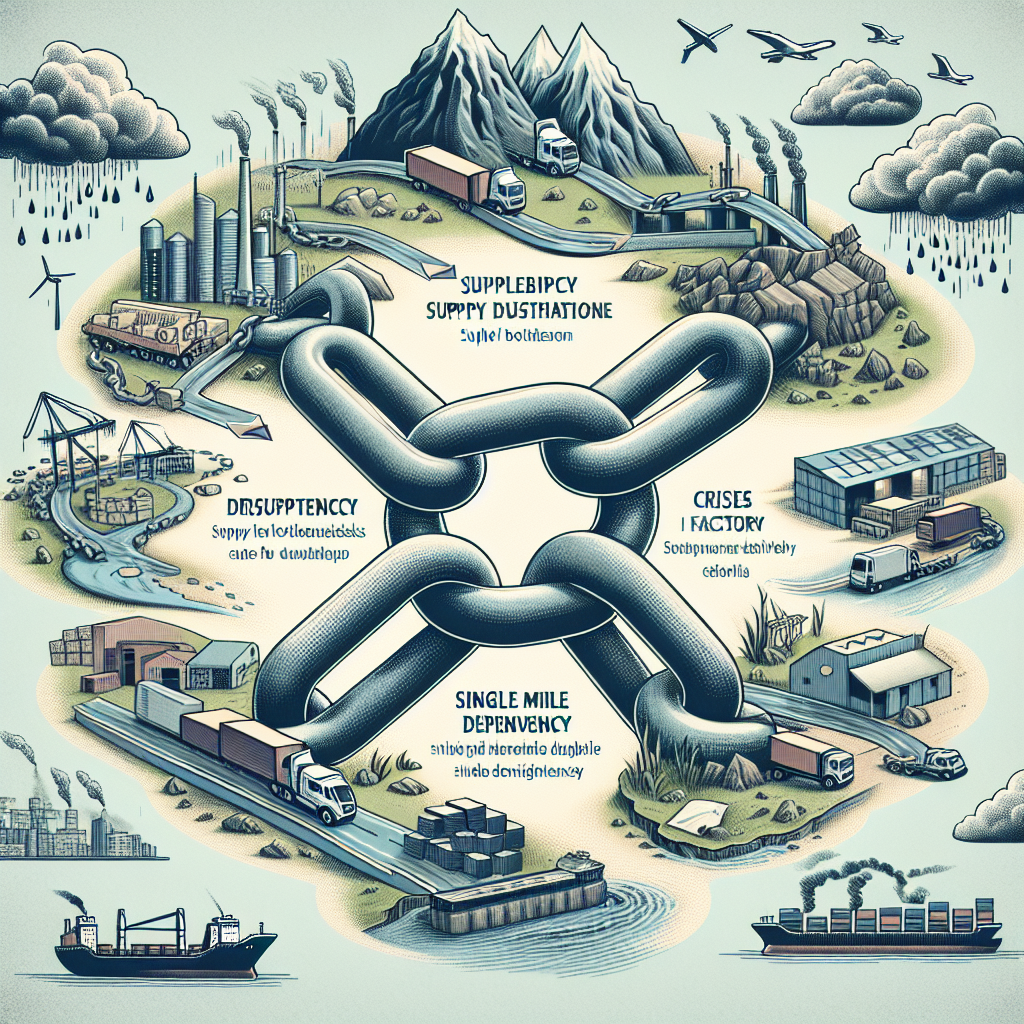


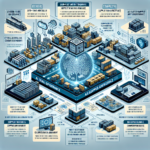





Supply chain visibility has shifted from a competitive advantage to an operational necessity. As global disruptions expose the fragility of traditional logistics models, businesses are turning to real-time IoT inventory tracking and end-to-end visibility platforms to stay resilient, responsive, and profitable.
What Is End-to-End Supply Chain Visibility?
End-to-end supply chain visibility refers to the ability to track products, materials, and data across every stage of the supply chain — from raw material sourcing to last-mile delivery. It eliminates blind spots by connecting disparate systems, suppliers, and logistics partners into a single, unified view.
According to a Gartner report, organizations that invest in supply chain visibility tools reduce operational disruptions by up to 30%. This translates directly into cost savings, improved customer satisfaction, and stronger supplier relationships.
Key Points
- End-to-end visibility connects all supply chain tiers into one coherent data stream.
- It reduces disruption risk by identifying bottlenecks before they escalate.
- Unified platforms replace siloed, manual tracking methods with automated intelligence.
The Role of Real-Time IoT Inventory Tracking
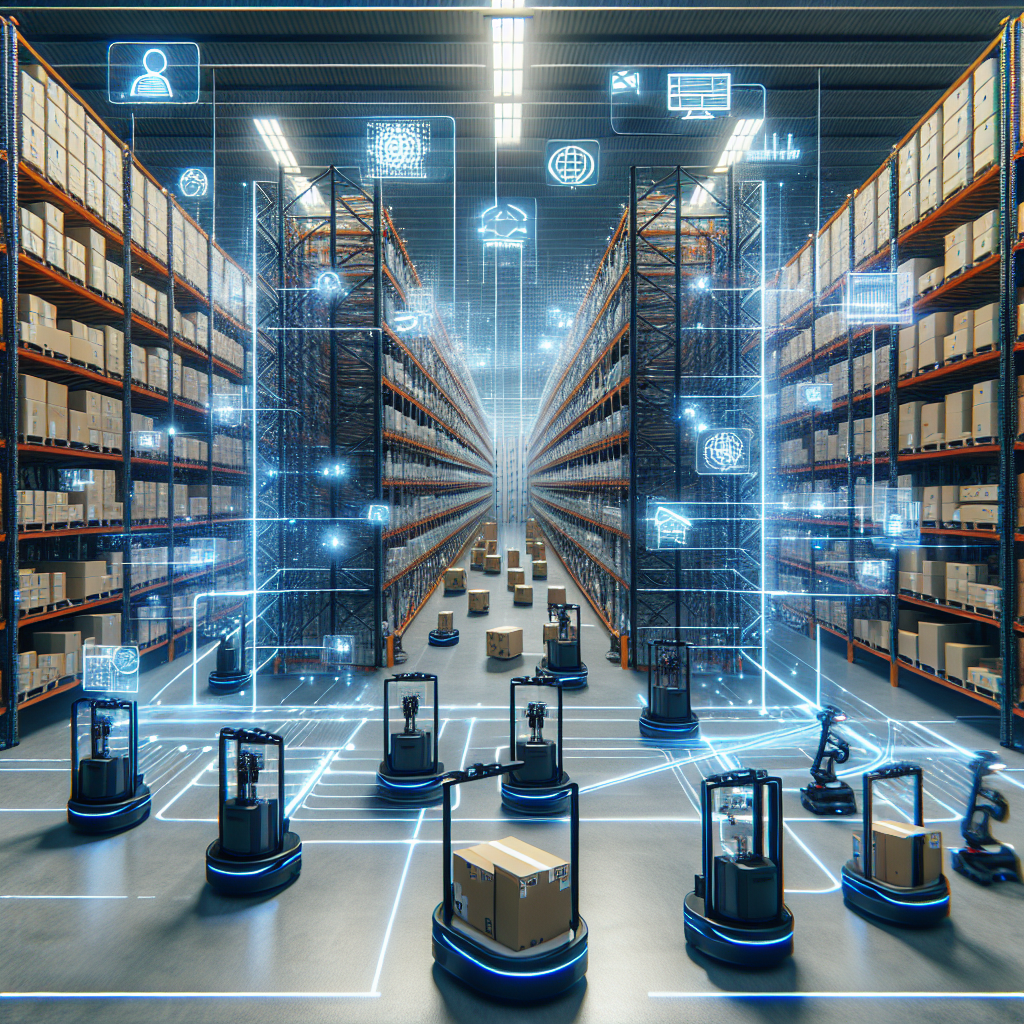
Real-time IoT inventory tracking uses connected sensors, RFID tags, and GPS-enabled devices to monitor goods as they move through warehouses, transit hubs, and retail environments. Companies like Amazon and Walmart have deployed IoT-enabled inventory systems that update stock levels every few seconds, dramatically reducing overstock and stockout scenarios.
A McKinsey study found that IoT-driven supply chains can reduce inventory costs by 20–50% and improve forecast accuracy by as much as 85%. For mid-sized businesses, affordable IoT platforms such as Samsara and Zebra Technologies are making enterprise-grade tracking accessible at scale.
Key Points
- IoT sensors provide continuous, real-time location and condition data for inventory.
- Businesses report up to 50% inventory cost reduction through IoT implementation.
- Scalable IoT solutions are now available for businesses of all sizes.
Multi-Tier Supplier Visibility: Seeing Beyond Tier 1
Multi-tier supplier visibility extends tracking capabilities beyond direct (Tier 1) suppliers to include sub-suppliers and raw material sources (Tier 2 and Tier 3). This deeper layer of oversight became critically important during the COVID-19 pandemic, when disruptions at sub-supplier levels caused catastrophic shortages across the automotive, semiconductor, and pharmaceutical industries.
For example, Toyota’s well-documented supply chain challenges in 2021 were partly attributed to a lack of visibility into Tier 2 semiconductor suppliers. In response, leading manufacturers are now deploying platforms like Resilinc and Sourcemap to map supplier networks multiple tiers deep, enabling proactive risk mitigation.
Key Points
- Most supply chain risks originate at Tier 2 and Tier 3 levels, not Tier 1.
- Multi-tier visibility tools help identify geographic and geopolitical exposure early.
- Supplier mapping platforms enable proactive contingency planning before disruptions occur.
End-to-End Visibility Platforms: Choosing the Right Technology
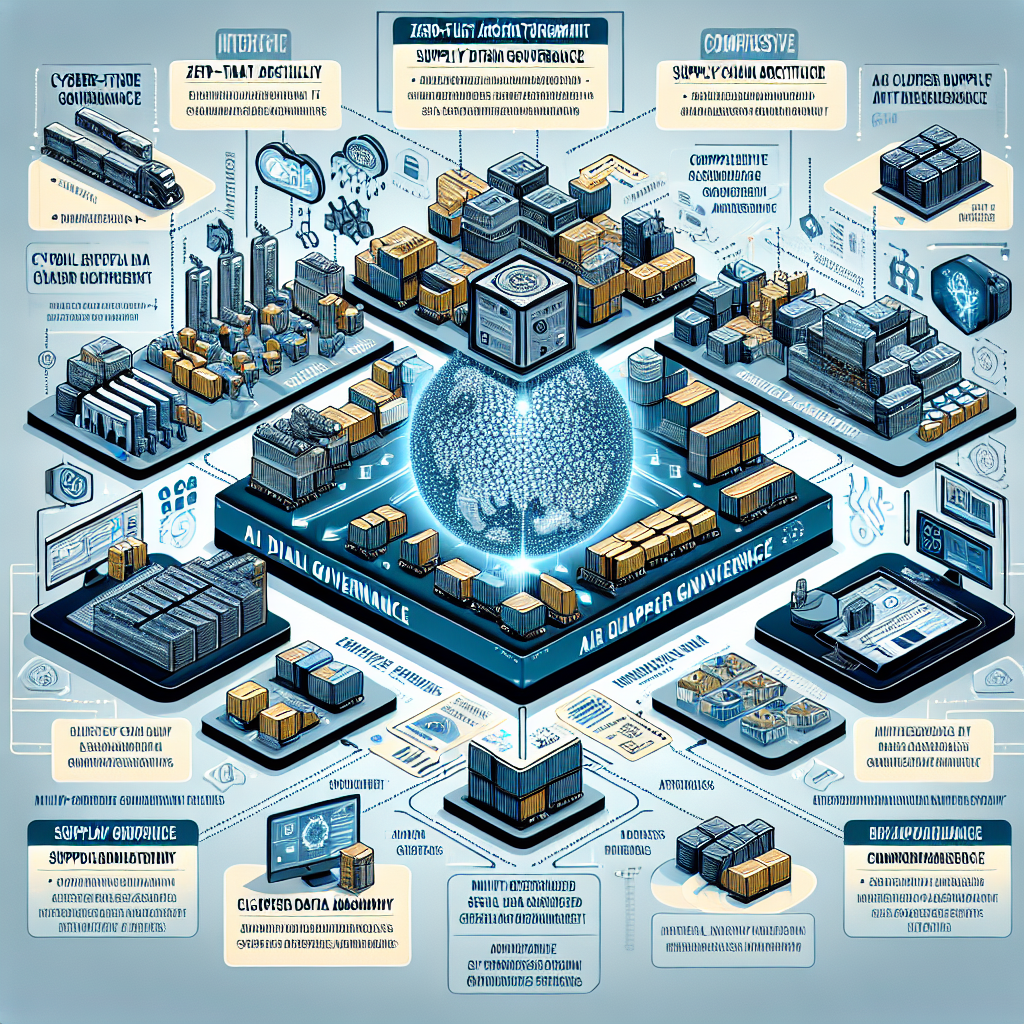
End-to-end visibility platforms integrate data from IoT devices, ERP systems, transportation management systems (TMS), and supplier portals into a centralized dashboard. Solutions like SAP Integrated Business Planning, Oracle Supply Chain Management Cloud, and Project44 offer powerful analytics engines paired with real-time alerting capabilities.
The key differentiator among leading platforms is their ability to support demand forecasting alongside visibility functions. When historical sales data, market signals, and supplier lead times are analyzed together, businesses can anticipate demand shifts weeks in advance rather than reacting to them after the fact. Learn more about evaluating these tools on BestInSupplies.com.
Key Points
- The best platforms unify IoT data, ERP inputs, and supplier feeds in one interface.
- Real-time alerting reduces response time to supply disruptions significantly.
- Integrated demand forecasting enables proactive procurement rather than reactive buying.
Demand Forecasting: The Intelligence Layer of Supply Chain Visibility
Demand forecasting for modern supply chains has evolved well beyond spreadsheets and historical averages. AI-driven forecasting engines now analyze thousands of variables — including weather patterns, social media sentiment, and macroeconomic indicators — to generate highly accurate demand predictions. Companies using advanced demand forecasting report a 15–20% reduction in excess inventory, according to McKinsey Operations Insights.
When combined with real-time IoT inventory tracking and multi-tier supplier visibility, demand forecasting becomes a truly powerful tool. It allows procurement teams to align purchase orders with predicted demand, reduce carrying costs, and avoid both shortages and surpluses simultaneously — a balance that was previously very difficult to achieve without sophisticated technology.
Key Points
- AI-powered demand forecasting analyzes diverse data sources for superior accuracy.
- Companies reduce excess inventory by 15–20% with advanced forecasting models.
- Combining forecasting with IoT tracking creates a closed-loop supply chain intelligence system.
Key Takeaways
- Supply chain visibility is no longer optional — it is a foundational requirement for operational resilience.
- Real-time IoT inventory tracking reduces costs and eliminates blind spots across warehouse and transit operations.
- Multi-tier supplier visibility protects businesses from sub-supplier disruptions that Tier 1 monitoring alone cannot detect.
- End-to-end visibility platforms unify data streams to enable faster, smarter decision-making across procurement, logistics, and operations.
- Integrating demand forecasting with visibility tools creates a proactive supply chain strategy rather than a reactive one.
Ready to explore the tools and strategies that power modern supply chain visibility? Visit BestInSupplies.com.