






Supply chain disruption is no longer a rare event — it is a recurring reality that exposes the fragility of global commerce. From the COVID-19 pandemic to the Suez Canal blockage in 2021, businesses worldwide have learned that supply chain fragility can turn a minor incident into a full-scale supply chain crisis overnight. Understanding where your vulnerabilities lie — and how to address them — is the foundation of sustainable operations.
Understanding Supply Chain Vulnerability and Fragility
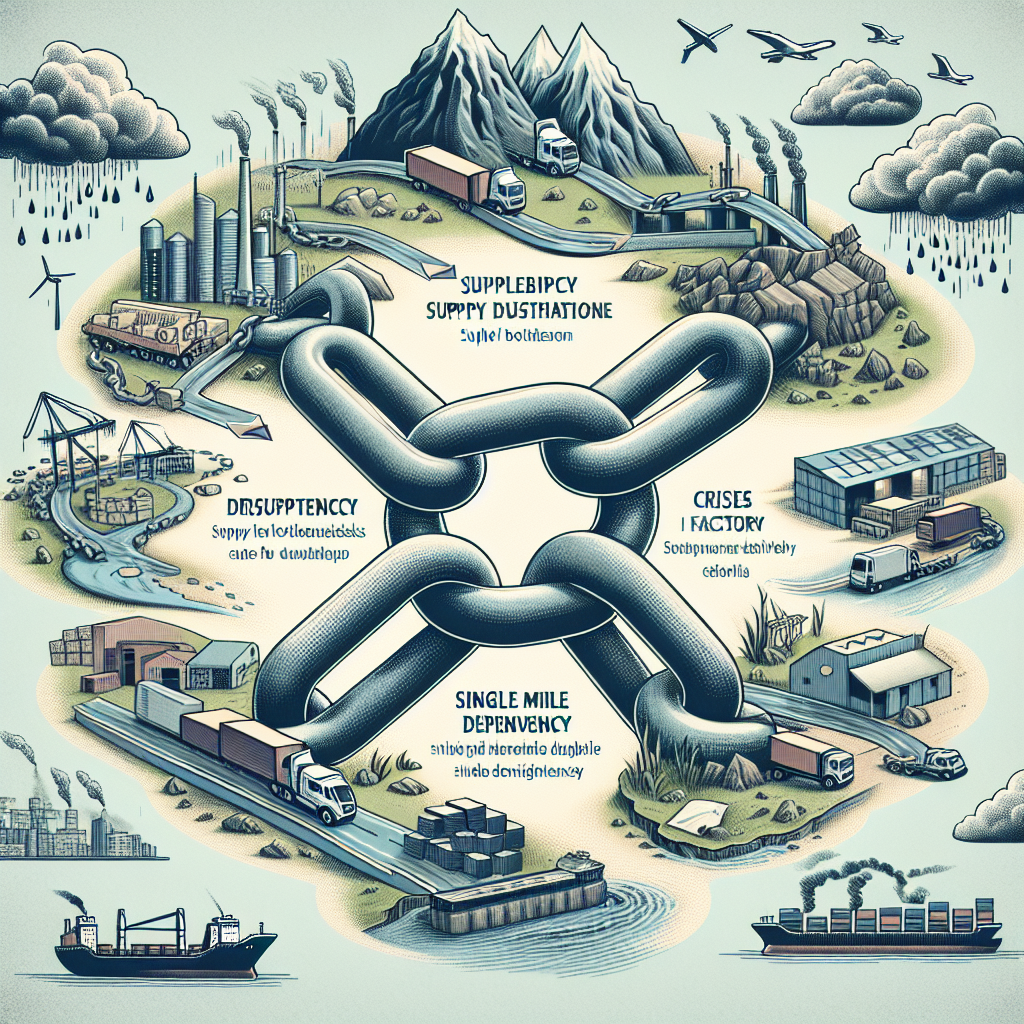
A supply chain vulnerability is any weak point that, when stressed, can halt the flow of goods, materials, or information across your network. Supply chain fragility often develops quietly over years of cost-cutting, consolidation, and over-reliance on single geographies or suppliers. Recognizing these weaknesses before a disruption occurs is the first step toward meaningful supply chain risk management.
One of the most dangerous forms of vulnerability is single source dependency — relying on one supplier for a critical component or raw material. During the global semiconductor shortage, automotive giants like Ford and General Motors were forced to halt production lines because they depended on a narrow base of chip suppliers, costing the industry an estimated $210 billion in lost revenue in 2021. Diversifying supplier networks is not optional — it is essential.
Raw material shortage events compound vulnerability further. When demand surges or geopolitical instability disrupts access to critical inputs — such as rare earth minerals, lumber, or agricultural commodities — businesses without buffer stock or alternative sourcing strategies face immediate operational risk.
Key Points:
- Single source dependency magnifies the impact of any supplier failure.
- Raw material shortages can cascade into production shutdowns with little warning.
- Supply chain fragility builds gradually through systemic cost-cutting and consolidation.
Mapping Supply Chain Bottlenecks Across Your Network
A supply chain bottleneck occurs when one node in the network constrains the throughput of the entire system. These bottlenecks are not always obvious — they may reside deep in a tier-2 or tier-3 supplier relationship, far removed from your direct visibility. Conducting a thorough supply chain mapping exercise is a critical component of proactive supply chain risk management.
Logistics disruption is one of the most common contributors to bottlenecks. Port congestion, for example, became a defining feature of the post-pandemic supply environment. In late 2021, the Port of Los Angeles saw over 100 container ships anchored offshore, creating freight delays that rippled across retail, manufacturing, and food distribution sectors for months. Businesses that had mapped their logistics dependencies were better positioned to reroute shipments and communicate realistic delivery timelines to customers.
Transportation bottlenecks are not limited to ocean freight. Cold chain disruption — particularly in pharmaceutical and perishable food logistics — can result in product loss, regulatory penalties, and serious public health concerns. Last mile delivery problems further compound end-customer dissatisfaction, especially as e-commerce volumes continue to grow beyond existing infrastructure capacity.
Key Points:
- Port congestion and freight delays can paralyze even well-managed supply networks.
- Cold chain disruption carries financial and compliance consequences beyond basic logistics failure.
- Mapping tier-2 and tier-3 suppliers uncovers hidden bottlenecks before they become crises.
Building Supply Chain Resilience Before the Next Shock
Supply chain resilience is defined as the ability to anticipate, absorb, adapt to, and recover from supply chain shocks — without sacrificing performance or customer trust. Building resilience requires deliberate investment in redundancy, visibility technology, and supplier relationship depth. It is not a one-time project but an ongoing organizational capability.
Companies that weathered recent supply chain crises most effectively shared several common practices: they held strategic safety stock of critical components, maintained relationships with multiple qualified suppliers across different geographies, and invested in real-time supply chain visibility platforms. According to a McKinsey report on post-COVID supply chain resilience, companies with high supply chain agility recovered gross margin losses up to three times faster than their less-prepared counterparts. The lesson is clear: supply chain resilience is a competitive advantage, not just a risk mitigation measure.
Addressing supply shortage risk also means engaging in scenario planning and stress-testing your supply chain against defined risk categories — including supplier failure, logistics disruption, regulatory changes, and natural disasters. Digital twins and AI-powered risk monitoring tools are increasingly accessible to mid-market businesses, enabling proactive detection of emerging threats before they escalate into a full supply chain crisis.
Key Points:
- Resilient supply chains hold strategic safety stock and maintain multi-sourcing strategies.
- Real-time visibility platforms are essential for detecting supply chain shocks early.
- Scenario planning and stress-testing transform reactive organizations into proactive ones.
Practical Steps to Reduce Supply Chain Risk Today
Audit Your Supplier Base for Single Source Dependency
Begin by identifying every product category or component where you rely on a single supplier. Prioritize those with long lead times, limited global sourcing alternatives, or high criticality to your core product lines. Even qualifying one backup supplier can dramatically reduce your exposure to supplier failure.
Invest in Visibility Across the Full Supply Chain
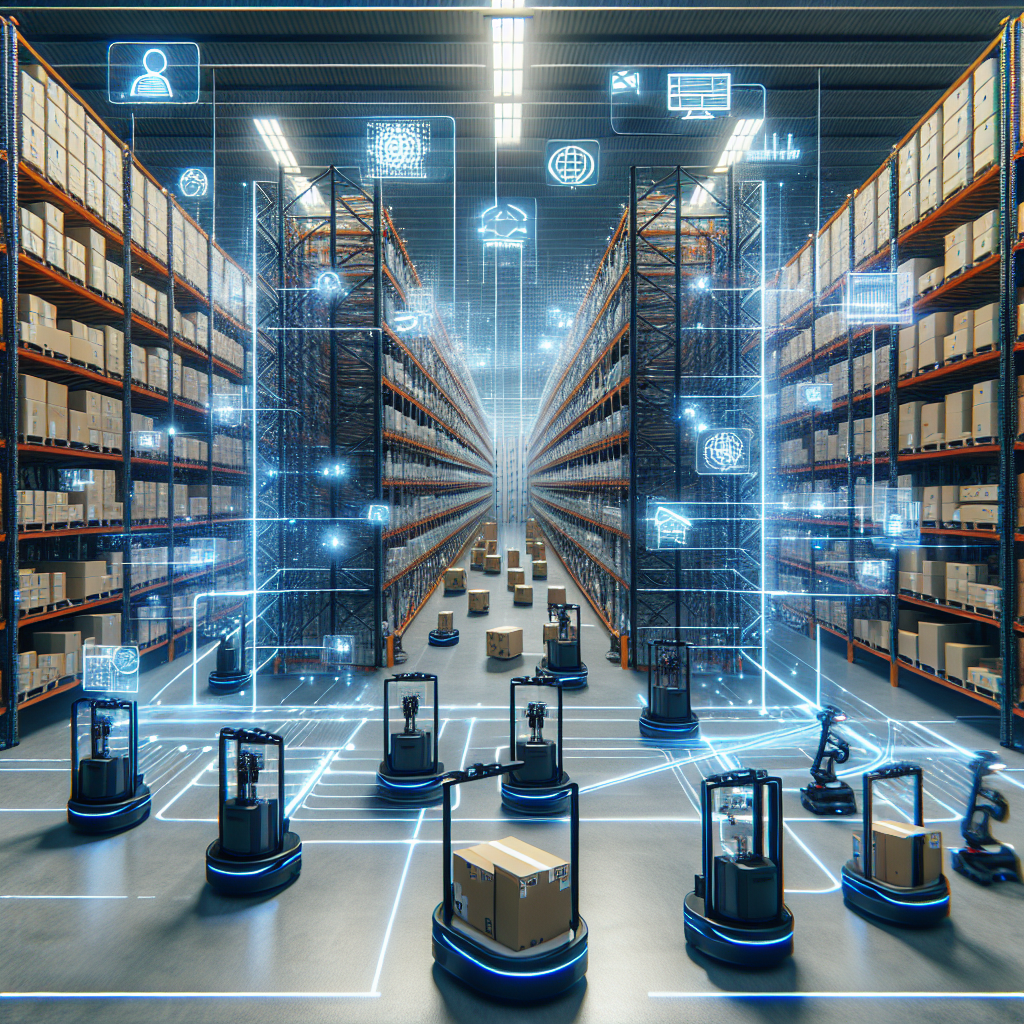
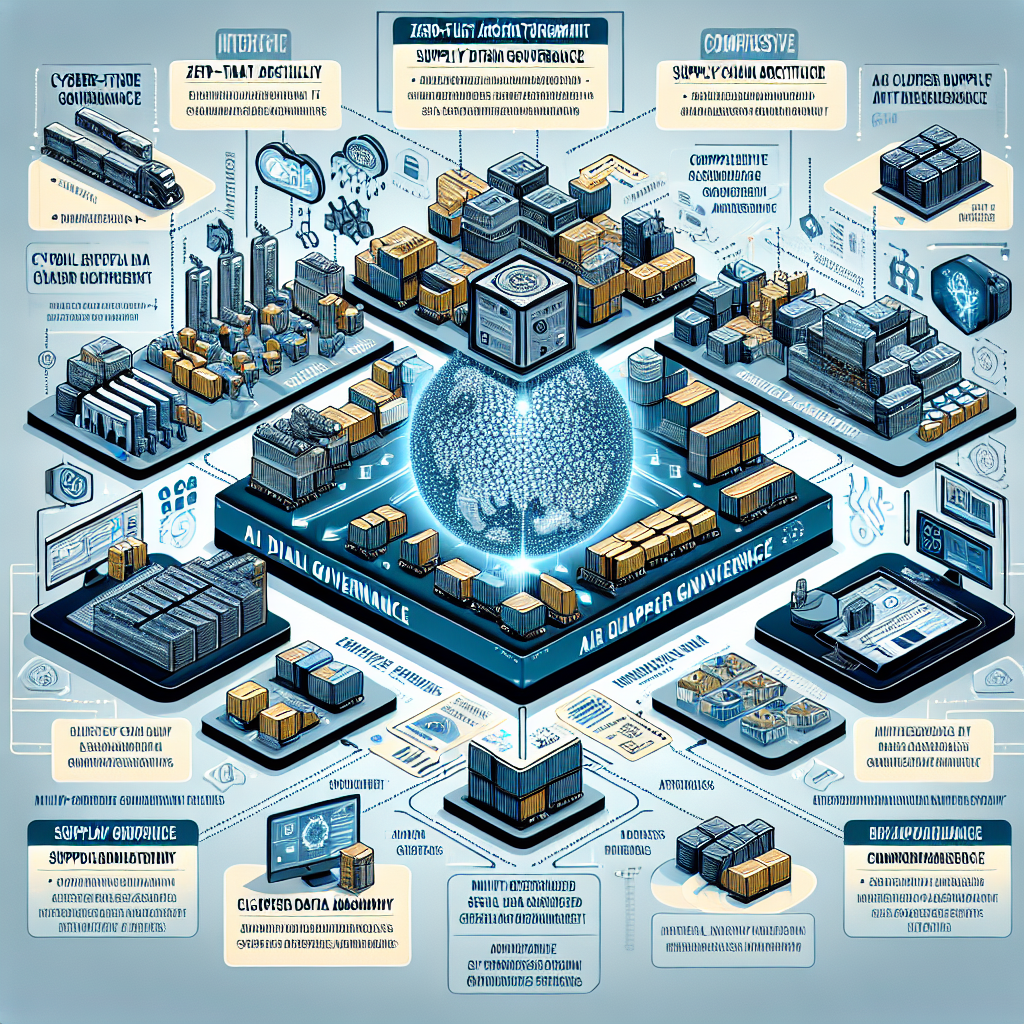
Visibility is the foundation of supply chain resilience. Implementing platforms that provide real-time tracking of inventory levels, shipment status, and supplier performance enables faster, better-informed decisions during periods of supply chain disruption. Tools such as supply chain control towers consolidate data across logistics, procurement, and operations into a single actionable view.
Develop a Supply Chain Contingency Framework
A contingency framework defines specific triggers and responses for different categories of supply chain shock — from a regional logistics disruption to a major raw material shortage. Documenting escalation paths, alternative sourcing options, and customer communication protocols ensures that your team responds quickly and consistently when a crisis emerges.
Key Points:
- Auditing for single source dependency is the fastest way to surface critical vulnerabilities.
- Supply chain visibility tools reduce response time during active disruptions.
- A documented contingency framework prevents reactive decision-making under pressure.
Key Takeaways
- Supply chain disruption is an ongoing risk — not a one-time event — and businesses must treat resilience as a strategic priority.
- Single source dependency and raw material shortages are among the most dangerous and underappreciated supply chain vulnerabilities.