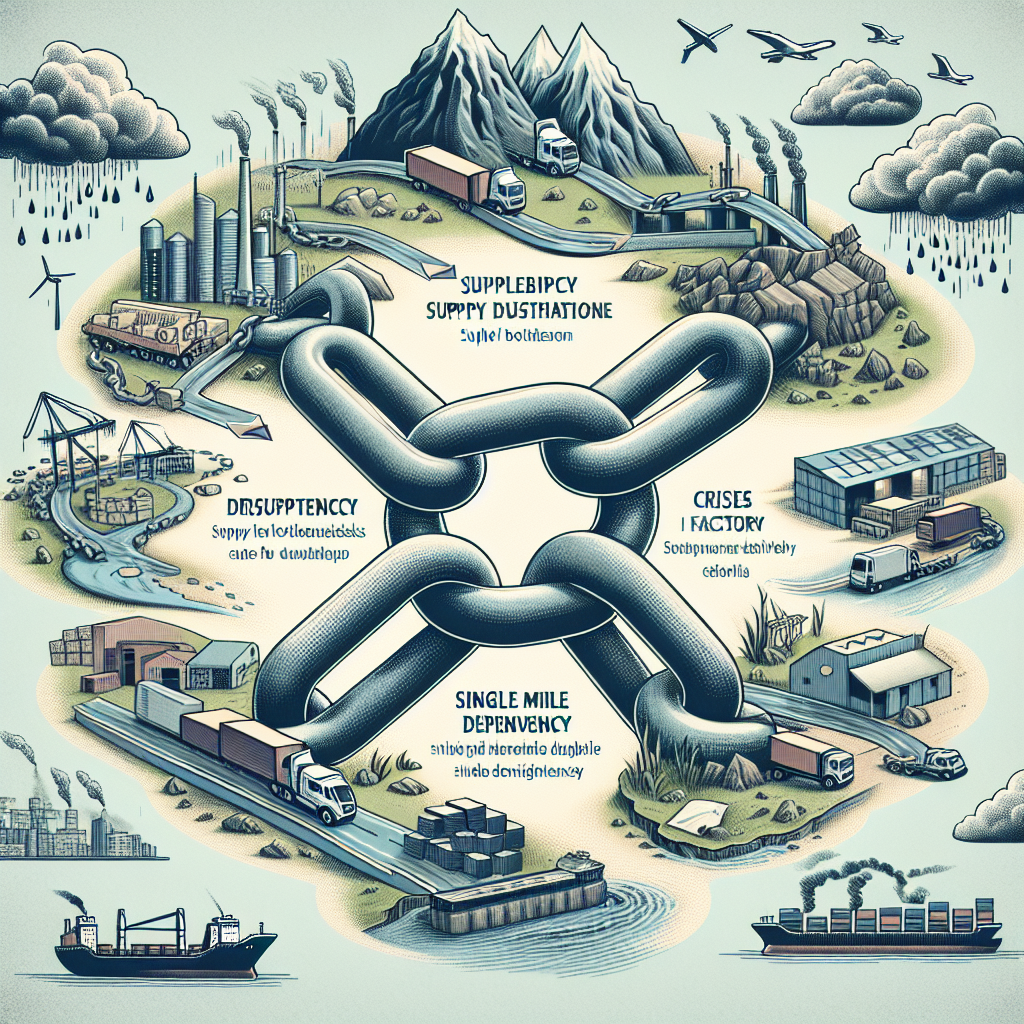








Shipping disruption and logistics disruption have become constants in today’s global supply chain landscape, forcing businesses to rethink how they stock, track, and fulfill orders. From port congestion to geopolitical trade shifts, the pressure on operations has never been higher. Companies that invest in intelligent warehouse management and inventory systems are proving far more resilient than those relying on outdated manual processes.
The Real Cost of Shipping and Logistics Disruptions
According to a McKinsey Global Institute report, companies can expect supply chain disruptions lasting one month or more to occur every 3.7 years on average, costing up to 45% of one year’s profits over a decade. The ripple effects of a single logistics disruption can cascade across production schedules, customer satisfaction, and revenue forecasting simultaneously. Businesses unprepared for these shocks face compounding losses that far exceed the initial disruption cost.
The COVID-19 pandemic exposed a critical flaw in lean supply chain models, revealing how quickly global logistics networks can buckle under unexpected pressure. Container shortages, port backlogs, and carrier capacity constraints turned routine restocking into operational crises for thousands of businesses. Those with diversified supplier networks and dynamic inventory systems recovered significantly faster than their competitors.
Key Points
- Supply chain disruptions costing up to 45% of annual profits are statistically inevitable over a 10-year period.
- Logistics disruptions expose dangerous gaps in lean or single-source supply strategies.
- Businesses with adaptive inventory systems recover faster and with lower financial impact.
Why Just-in-Time Inventory Carries Hidden Risks
The just-in-time inventory risks model, once celebrated for reducing carrying costs and waste, has been dramatically reassessed in the post-pandemic era. While JIT remains efficient under stable conditions, it leaves virtually zero buffer when shipping lanes close, suppliers miss deadlines, or demand spikes unexpectedly. A single delayed shipment can halt an entire production line or empty shelves that should be generating revenue.
Toyota, the originator of JIT principles, itself faced production shutdowns following the 2011 Tōhoku earthquake and tsunami, a stark reminder that even the most refined lean system is vulnerable to external shocks. The automotive and electronics industries have since shifted toward hybrid inventory models that blend lean efficiency with strategic reserve buffers. This approach acknowledges that the cost of holding safety stock is almost always lower than the cost of a supply chain failure.
Key Points
- Just-in-time inventory risks become critical during port closures, carrier shortages, or demand surges.
- Even industry pioneers like Toyota experienced devastating JIT failures during natural disasters.
- Hybrid inventory models balancing lean principles with buffer stock outperform pure JIT in volatile markets.
Building a Resilient Safety Stock Strategy
A robust safety stock strategy is no longer optional — it is a competitive differentiator for businesses operating in unpredictable logistics environments. Safety stock calculations should incorporate historical demand variability, average supplier lead times, and the statistical probability of supply disruptions specific to each sourcing region. Modern inventory management software at BestInSupplies.com can automate these calculations and trigger reorder points dynamically based on real-time supply chain conditions.
Effective safety stock is not a fixed number — it must flex with market conditions, seasonal demand patterns, and evolving supplier reliability scores. Businesses that treat safety stock as a dynamic variable rather than a static buffer consistently report fewer stockouts and higher order fulfillment rates. Pairing a smart safety stock strategy with lead time reduction initiatives creates a compounding resilience effect across the entire supply chain.
Key Points
- Safety stock calculations must incorporate demand variability, lead times, and regional disruption probabilities.
- Dynamic safety stock models outperform static buffer approaches in volatile supply environments.
- Combining safety stock strategy with lead time reduction amplifies overall supply chain resilience.
How Inventory Management Software Powers Smarter Decisions
Advanced inventory management software transforms reactive supply chain management into a proactive, data-driven discipline. Platforms with integrated demand forecasting, supplier performance analytics, and automated reorder logic allow operations teams to anticipate disruptions before they materialize on warehouse shelves. According to Gartner research, organizations using AI-powered supply chain tools achieve up to 15% reduction in logistics costs and a 35% improvement in service levels.
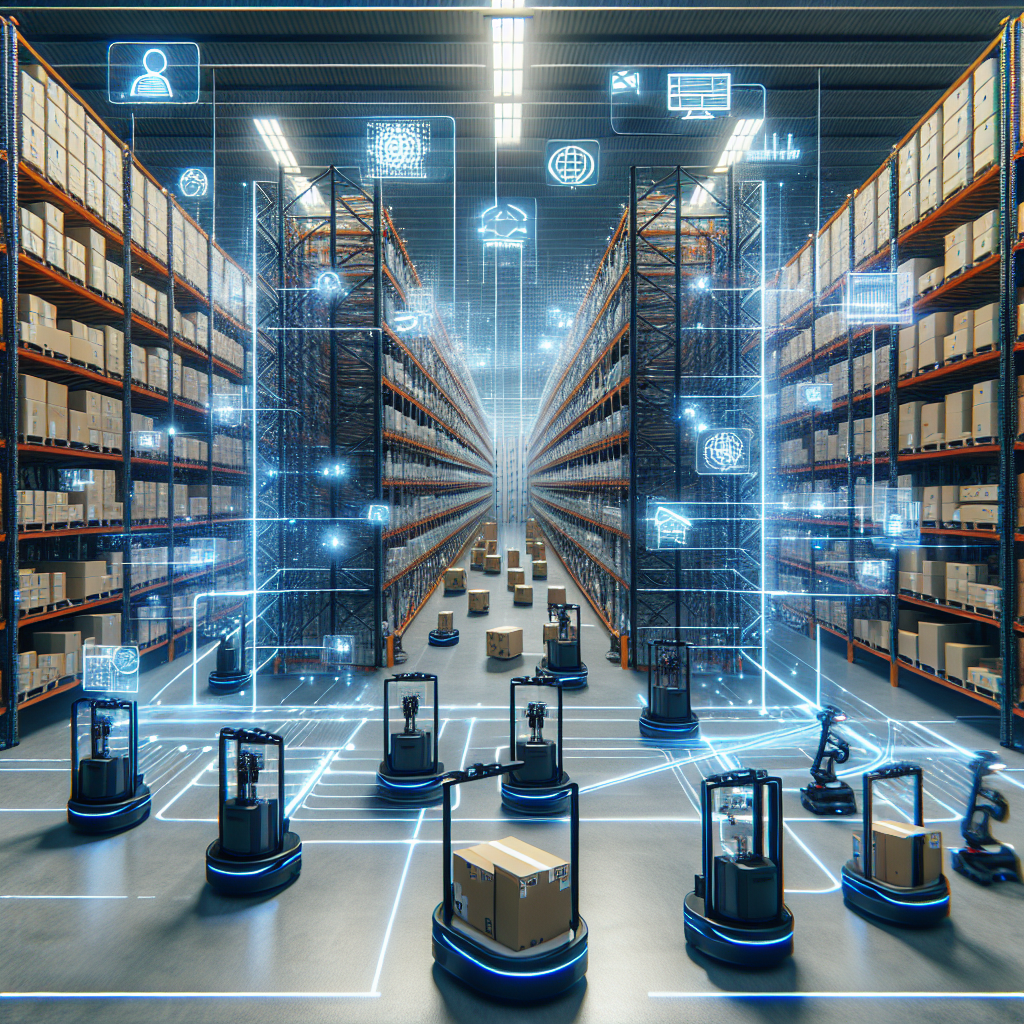
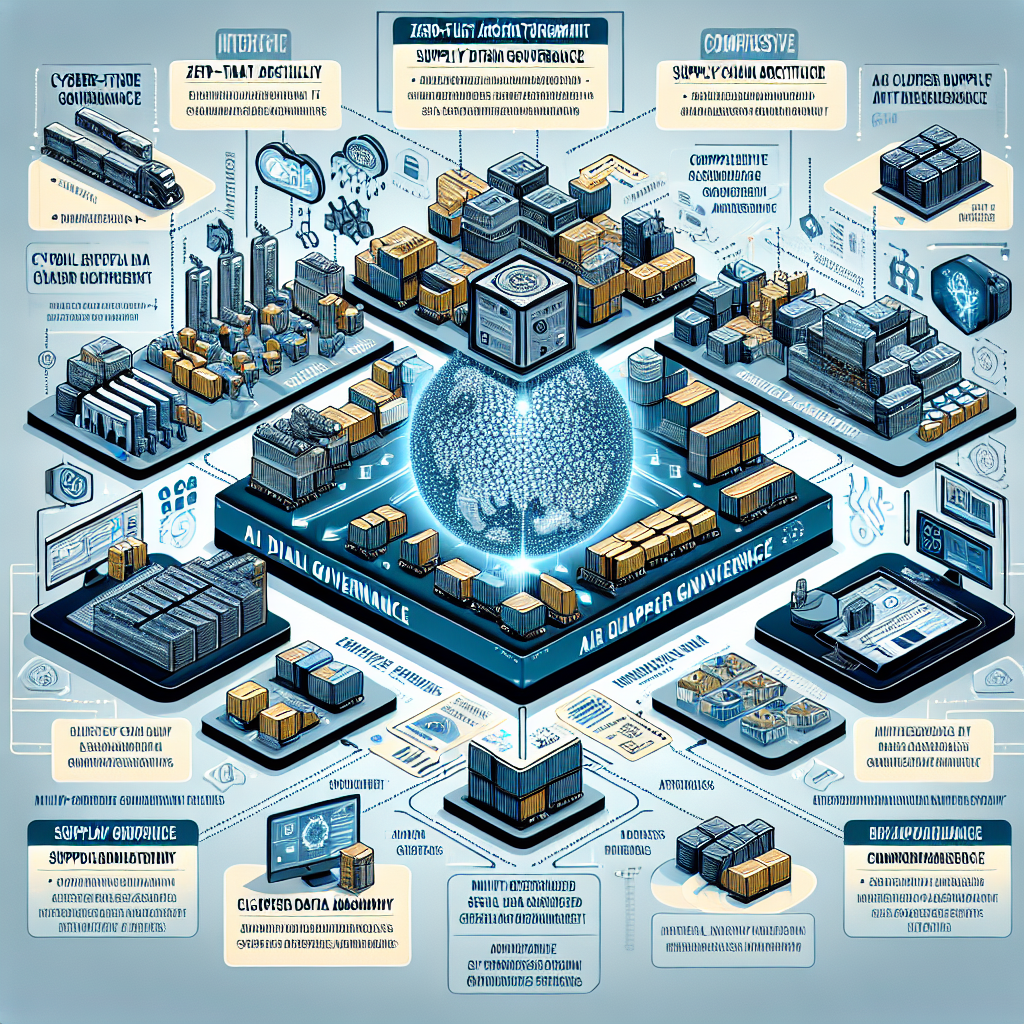
Modern warehouse management systems now integrate directly with carrier networks, customs platforms, and supplier ERP systems to provide end-to-end supply chain visibility. This connectivity enables operations managers to reroute shipments, adjust safety stock levels, and reallocate inventory across distribution centers in real time. The result is a more agile operation capable of absorbing shocks that would paralyze less connected competitors.
Key Points
- AI-powered inventory management software can reduce logistics costs by up to 15% according to Gartner.
- Full integration between warehouse management systems and carrier networks enables real-time rerouting.
- Data-driven inventory decisions significantly outperform manual replenishment processes during disruptions.
Real-Time IoT Inventory Tracking: The New Visibility Standard
Real-time IoT inventory tracking has emerged as one of the most powerful tools available for combating shipping disruption at both the warehouse and in-transit stages. IoT sensors embedded in pallets, containers, and warehouse shelving units provide continuous location, temperature, and condition data, eliminating the blind spots that once made supply chain disruptions so devastating. Companies deploying IoT tracking report up to 30% reductions in inventory discrepancies and significantly faster exception management response times.
Beyond simple location tracking, IoT-enabled systems can trigger automated alerts when shipment conditions deviate from acceptable parameters — such as temperature excursions for pharmaceutical or food products — allowing teams to intervene before goods are lost. Integrating real-time IoT inventory tracking with warehouse management and inventory management software creates a unified operational intelligence layer that spans the entire supply chain. This visibility gap closure is particularly valuable during high-disruption periods when manual oversight becomes impractical at scale.
Key Points
- IoT sensors deliver continuous location and condition data, reducing inventory discrepancies by up to 30%.
- Automated IoT alerts enable rapid intervention before shipment exceptions become total losses.
- IoT integration with warehouse management software creates end-to-end operational intelligence.