

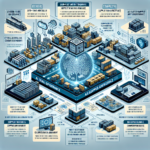





Supply chain sustainability has stopped being a side conversation. In 2026, it’s a market-access requirement, a procurement scorecard, an investor screen, and — for a growing list of jurisdictions — a legal obligation with real penalties attached. To help procurement leaders, sustainability teams, and operators make sense of where the field actually stands, we’ve just published our most comprehensive resource yet.
Introducing the Guide
The BestInSupplies Guide to Supply Chain Sustainability: Circular Models, Net-Zero Roadmaps, Ethical Sourcing & the Technology Driving It All pulls together the regulatory, strategic, and technological shifts redefining global supply chains into a single, practical reference. It’s written for the people doing the work — not the people writing the press releases.
What’s Inside
The guide is structured around the four pillars that now define sustainable supply chain strategy, plus a practical roadmap to get started:
- The Circular Supply Chain — why the linear “take-make-waste” model is breaking, and the four circular models (take-back programs, design for disassembly, industrial symbiosis, product-as-a-service) replacing it.
- Net-Zero Roadmaps — a five-step framework for building a credible plan, from emissions baselines and science-based targets through supplier engagement, decarbonization levers, and audit-ready reporting.
- Ethical Sourcing — the wave of due-diligence laws (CSDDD, LkSG, UFLPA, the EU Forced Labour Ban) that have moved ethical sourcing from policy statements to verifiable, auditable data.
- The Technology Stack — Digital Product Passports rolling out under the EU’s Ecodesign for Sustainable Products Regulation, blockchain-backed traceability, AI-powered emissions accounting, and the procurement platforms making it all work.
- A Practical Roadmap — six sequenced steps to move from intention to execution without trying to do everything at once.
Why We Wrote It
Three numbers tell the story. Scope 3 emissions average roughly eleven times higher than Scope 1 and 2 combined for most companies. Only 24% of companies currently disclose their upstream Scope 3 footprint. And just 22% have mature supplier-engagement programs. The gap between regulatory expectation and operational reality is the largest it’s ever been — and closing fastest in the companies that treat sustainability as supply chain strategy rather than a reporting exercise.
The guide is built around what’s actually working: how Apple is operationalizing circularity as a Scope 3 strategy, how the NHS is using its Net Zero Supplier Roadmap to push thousands of suppliers, how digital product passports are reshaping product data architecture, and how leading procurement platforms are embedding carbon and ESG data directly into purchasing decisions.
Who It’s For
Procurement and sourcing leaders trying to translate CSRD, CSDDD, and UFLPA exposure into supplier requirements. Sustainability teams building or defending Scope 3 baselines. Operations and logistics executives evaluating circular take-back models. Founders and SME suppliers deciding which compliance investments are non-negotiable and which can wait. And anyone trying to separate genuine progress from greenwashing in their own organization.
Read the Full Guide
Head to the full guide here to dive in. While you’re there, take a look at our other procurement, sourcing, and supplier-risk resources.