





The Rise of AI-Powered Demand Forecasting
Artificial intelligence is fundamentally reshaping how businesses predict customer demand, manage inventory, and coordinate logistics. AI-powered demand forecasting tools analyze massive datasets — including historical sales, seasonal trends, and real-time market signals — to generate predictions that are far more accurate than traditional statistical models. According to McKinsey, companies that adopt AI-driven forecasting can reduce forecasting errors by up to 50% and lower inventory costs by 20–30%.
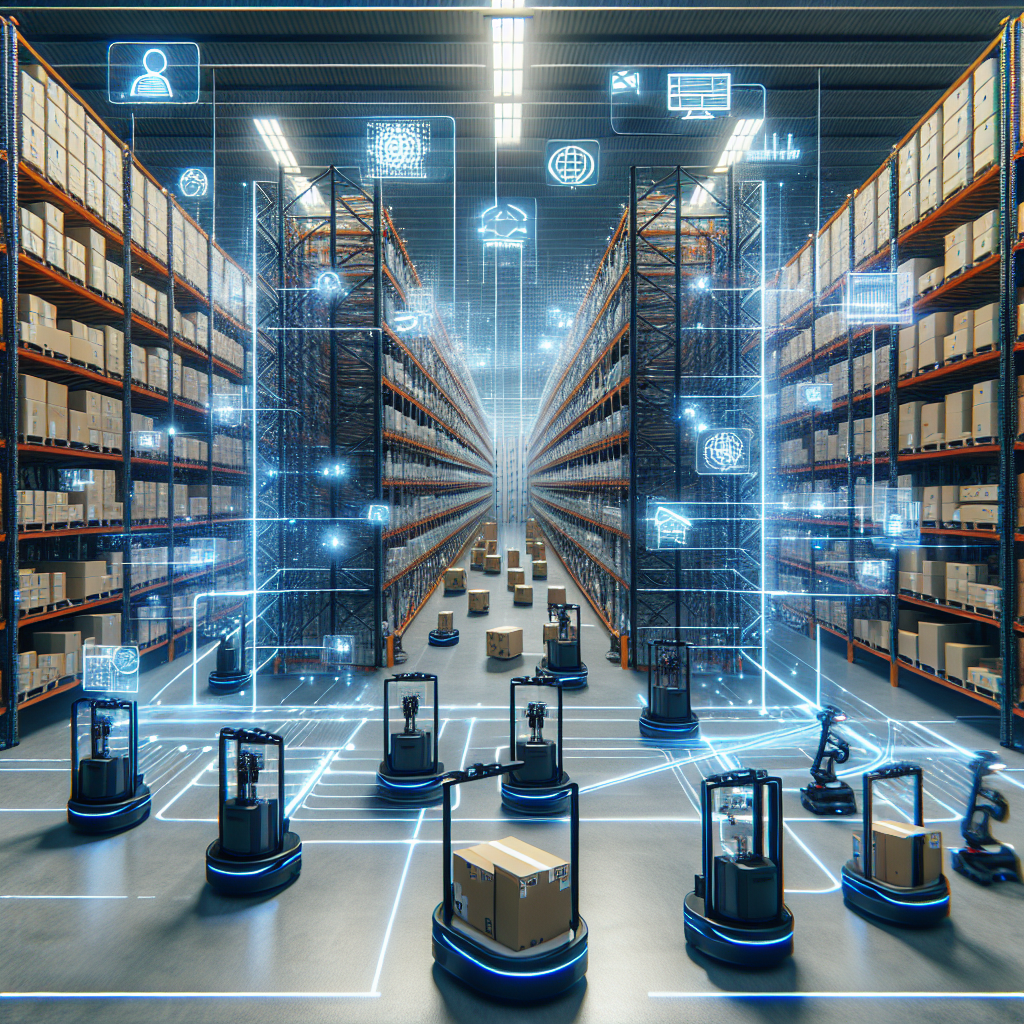
Leading retailers like Amazon and Walmart have already deployed machine learning algorithms to anticipate demand shifts days or even weeks in advance. This allows procurement and logistics teams to act proactively rather than reactively, reducing costly stockouts and overstock situations simultaneously.
Key Points
● AI-powered demand forecasting reduces forecast errors by up to 50% compared to legacy methods.
● Machine learning models process real-time and historical data to improve accuracy continuously.
● Industry leaders like Amazon use AI forecasting to drive significant cost reductions.
Continuous S&OP Planning: A Shift From Static to Dynamic Decision-Making
Traditional Sales and Operations Planning (S&OP) relied on monthly review cycles, leaving businesses exposed to rapid market changes between planning sessions. Continuous S&OP planning replaces these rigid schedules with an always-on, rolling planning process that updates forecasts and operational decisions in near real time. This approach allows supply chain leaders to align demand signals, capacity constraints, and financial goals on a continuous basis rather than waiting for the next scheduled meeting.
Companies like Unilever have successfully implemented continuous S&OP planning frameworks, enabling cross-functional teams to respond to demand disruptions within hours instead of weeks. By integrating AI-powered demand forecasting into the S&OP process, these organizations have achieved greater forecast accuracy, faster decision cycles, and improved collaboration between sales, finance, and operations teams.
Key Points
● Continuous S&OP planning replaces monthly cycles with real-time, rolling decision-making.
● AI integration enables faster cross-functional alignment and more agile responses to disruptions.
● Organizations using continuous S&OP report measurable improvements in operational efficiency.
How Supply Chain Analytics Drives Competitive Advantage
Advanced supply chain analytics transforms raw operational data into actionable intelligence, giving businesses a clearer picture of risks, bottlenecks, and opportunities across their entire value chain. When combined with AI-powered demand forecasting, analytics platforms can model multiple demand scenarios simultaneously, helping planners make more confident decisions under uncertainty. Gartner reports that companies investing in advanced supply chain analytics are 2.5 times more likely to be top performers in their industry.
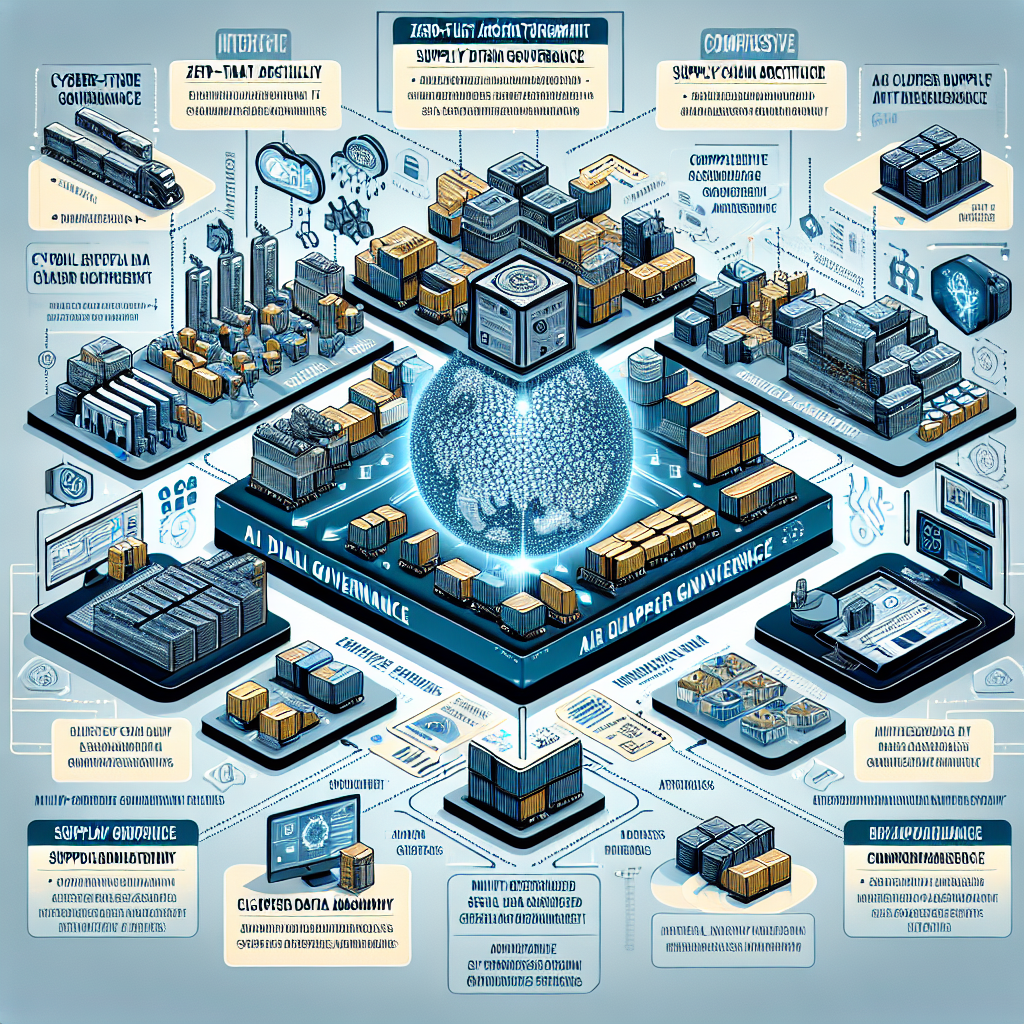
Modern analytics dashboards provide visibility into supplier performance, transportation delays, and inventory turnover rates — all in a single interface. This end-to-end visibility is critical for procurement teams that need to balance cost efficiency with service reliability, especially in volatile markets where demand patterns shift rapidly.
Key Points
● Supply chain analytics integrates demand, supplier, and logistics data into unified insights.
● Companies using advanced analytics are 2.5 times more likely to outperform industry peers.
● Real-time dashboards improve decision quality across procurement, operations, and finance.
Lead Time Reduction: A Direct Benefit of AI and Continuous Planning
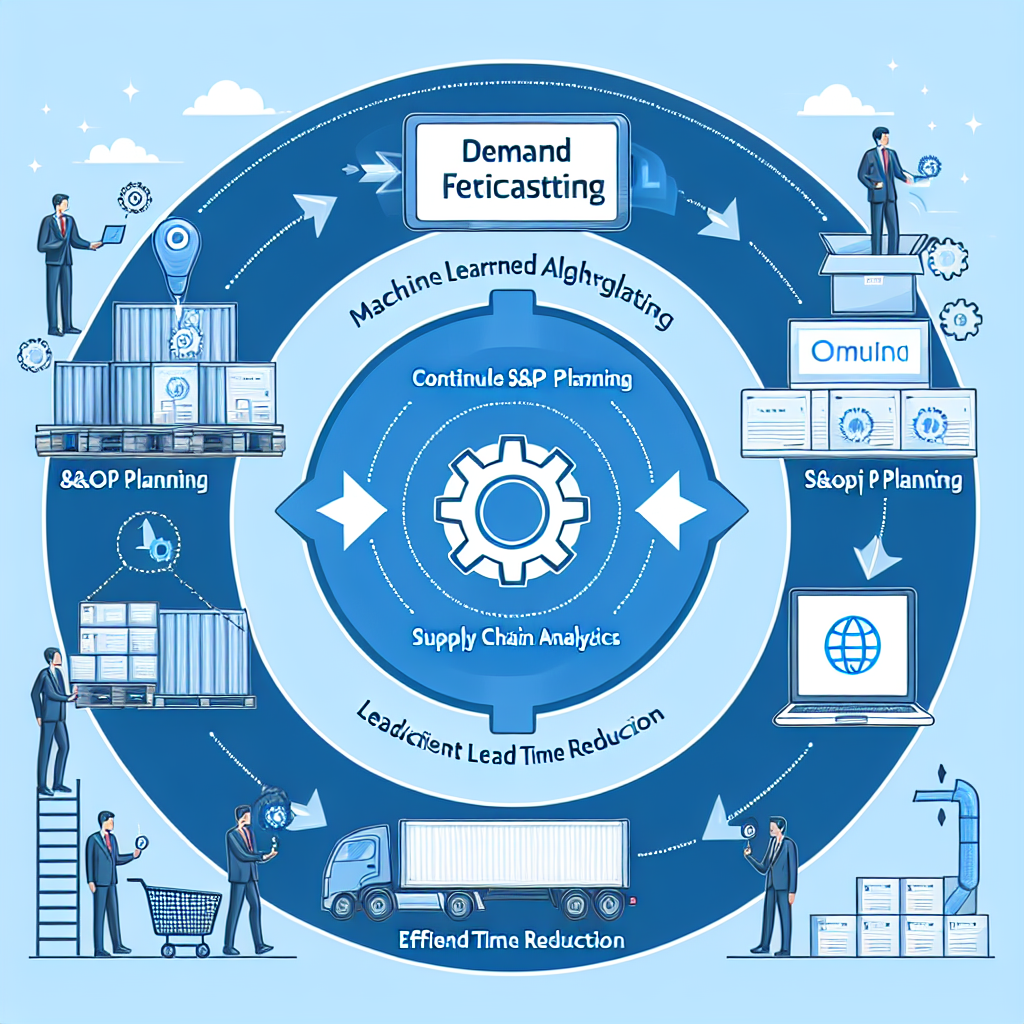
One of the most tangible outcomes of combining AI forecasting with continuous S&OP is meaningful lead time reduction across the supply chain. When demand signals are detected earlier and planning cycles are compressed, procurement teams can place orders sooner, suppliers can prepare in advance, and logistics networks can be optimized proactively. A McKinsey report on AI in supply chains found that AI-driven planning tools can reduce supply chain lead times by 15–35% in high-performing organizations.
Lead time reduction also has a direct impact on customer satisfaction and working capital efficiency. Shorter lead times mean businesses can hold less safety stock, free up cash, and respond faster to customer orders — all while maintaining or improving service levels. For companies competing on speed and reliability, this represents a significant strategic advantage.
Key Points
● AI-enabled planning can reduce supply chain lead times by 15–35%, according to McKinsey.
● Shorter lead times reduce safety stock requirements and free up working capital.
● Lead time reduction improves both customer satisfaction and competitive positioning.
Implementing AI-Powered Forecasting in Your Supply Chain
Successfully implementing AI-powered demand forecasting requires more than deploying new software — it demands clean data infrastructure, cross-functional buy-in, and a willingness to revisit entrenched planning processes. Organizations should begin by auditing their existing data sources, ensuring that sales history, inventory records, and supplier lead time data are accurate and accessible. Platforms like o9 Solutions and Kinaxis offer integrated AI planning environments that support continuous S&OP planning out of the box.
Change management is equally important, as supply chain planners must trust AI-generated recommendations enough to act on them. Providing training, establishing clear KPIs for forecast accuracy and lead time reduction, and creating feedback loops between planners and AI systems will accelerate adoption and maximize return on investment.
Key Points
● Clean, integrated data is the foundation of any successful AI forecasting initiative.
● Platforms like o9 Solutions and Kinaxis offer purpose-built continuous S&OP capabilities.
● Change management and planner training are critical to realizing AI’s full potential.
Key Takeaways
AI-powered demand forecasting and continuous S&OP planning are no longer emerging trends — they are rapidly becoming baseline requirements for supply chain competitiveness. Organizations that invest in these capabilities today will be better positioned to reduce costs, improve service levels, and respond to market disruptions with speed and confidence.
● AI-powered demand forecasting reduces errors by up to 50% and inventory costs by 20–30%.
● Continuous S&OP planning replaces rigid monthly cycles with real-time, rolling decision-making.
● Advanced supply chain analytics provides end-to-end visibility that drives competitive advantage.
● Lead time reduction of 15–35% is achievable through AI-driven planning integration.
● Successful implementation requires strong data foundations, the right platforms, and effective change management.
Want to explore more strategies for optimizing your supply chain operations? Visit BestInSupplies.com for expert insights, product recommendations, and the latest trends in supply chain management, procurement, and operations planning.