






Understanding Supply Chain Disruption in Today’s Global Economy
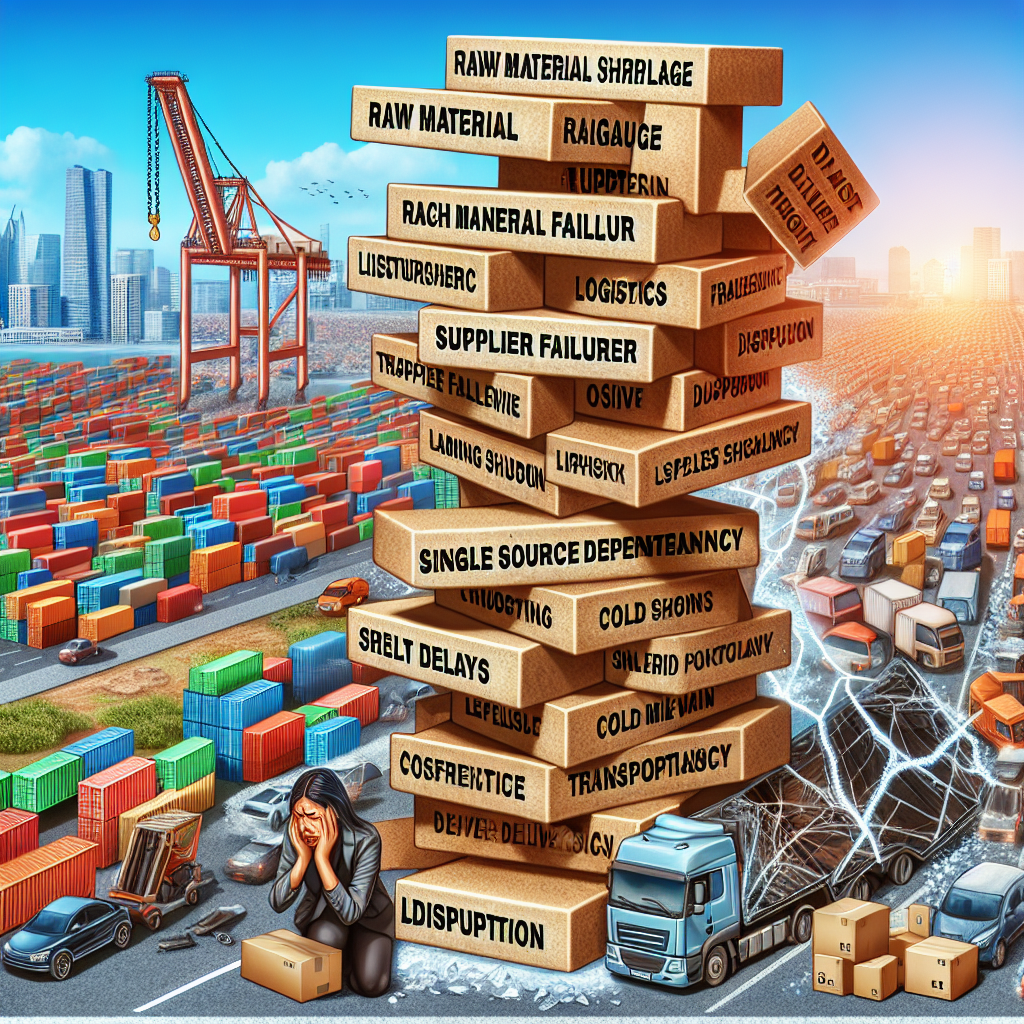
Supply chain disruption has become one of the most pressing challenges facing businesses across every industry. From raw material shortages and supplier failures to port congestion and freight delays, the modern supply chain is exposed to an unprecedented range of threats. What was once considered a rare operational setback is now a recurring reality that demands strategic attention and proactive planning.
The COVID-19 pandemic served as a stark reminder of how deeply interconnected global supply chains are and how quickly a single supply chain shock can cascade into a full-blown supply chain crisis. Even as pandemic-related disruptions subsided, new vulnerabilities emerged through geopolitical tensions, climate events, and shifting trade policies. Understanding the root causes of supply chain fragility is the first step toward building a more resilient operation.
What Is Supply Chain Vulnerability and Why Does It Matter?
Supply chain vulnerability refers to the degree to which a supply chain is exposed to risks that can interrupt the flow of goods, materials, or services. Every organization has vulnerabilities, but not every organization knows where they are until something goes wrong. Identifying these weak points before a disruption occurs is essential for protecting business continuity and maintaining customer trust.
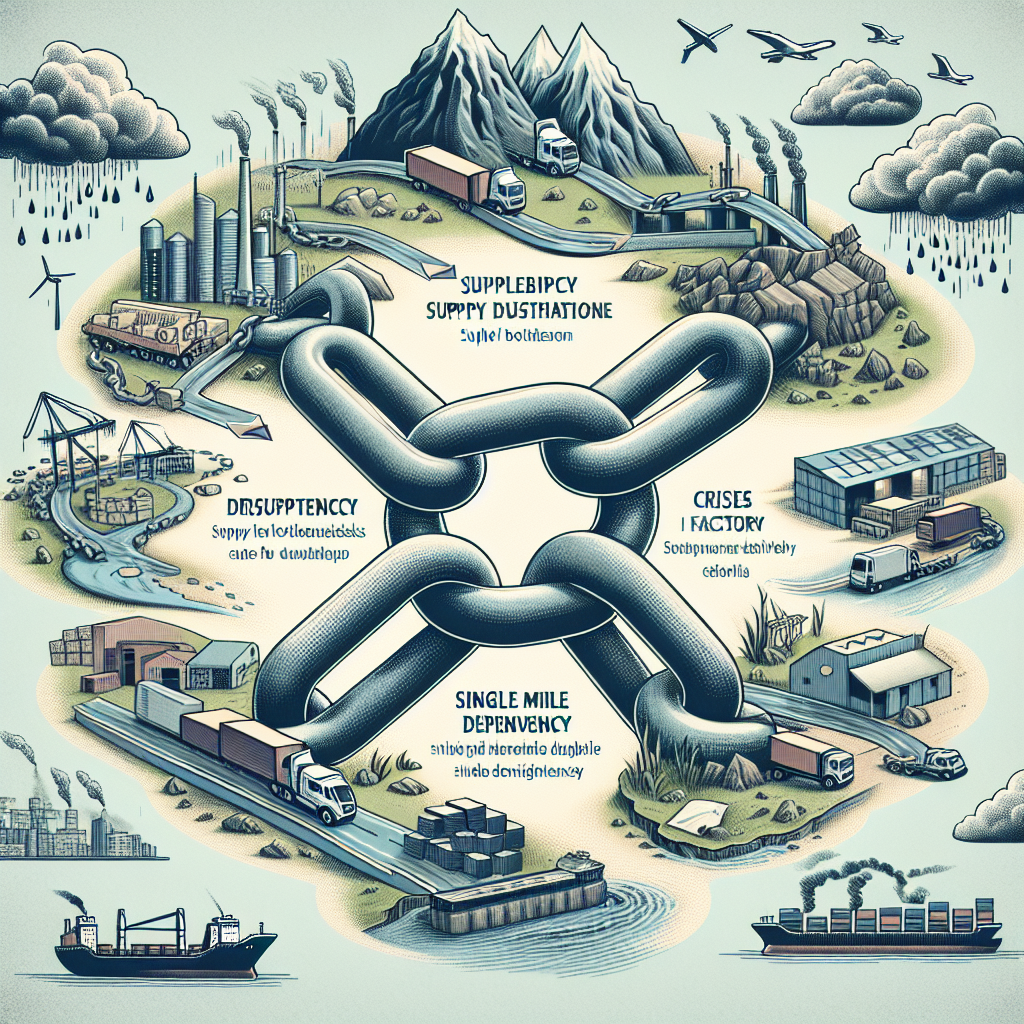
Vulnerability can stem from a wide range of sources, including geographic concentration of suppliers, single source dependency, inadequate inventory buffers, outdated technology, and weak supplier relationships. The consequences of unaddressed vulnerability range from minor operational delays to catastrophic supply shortages that damage revenue, reputation, and competitive standing for months or even years.
The Role of Single Source Dependency in Supply Chain Fragility
One of the most common and dangerous forms of supply chain vulnerability is single source dependency, where a company relies on just one supplier for a critical input or component. While this arrangement can offer cost advantages and simplified management, it creates a significant single point of failure. When that supplier experiences financial difficulties, production problems, or natural disasters, the buying company has no immediate alternative and faces immediate supply shortages.
Many businesses discovered this weakness painfully during the global semiconductor shortage, when reliance on a small number of chip manufacturers created severe bottlenecks across automotive, consumer electronics, and industrial sectors. Diversifying the supplier base is not merely a best practice but a fundamental requirement for any organization serious about supply chain risk management.
Geographic Concentration and Its Impact on Supply Chain Risk
Geographic concentration of manufacturing or sourcing in a single country or region amplifies supply chain risk considerably. When political instability, natural disasters, labor strikes, or regulatory changes affect that region, every company sourcing from it faces the same supply chain shock simultaneously. This concentration effect was clearly visible when factory shutdowns in Asia created widespread logistics disruption and freight delays that affected global markets.
Businesses that had diversified their sourcing across multiple geographies were far better positioned to absorb these shocks. While geographic diversification may increase complexity and cost in the short term, it provides a critical buffer against regional disruptions that can otherwise bring entire operations to a standstill.
Common Types of Supply Chain Disruption
Supply chain disruptions take many forms, and understanding their variety helps organizations prepare more comprehensively. No two disruptions are identical, but they tend to fall into recognizable categories that share common causes, warning signs, and mitigation strategies. Recognizing these patterns enables supply chain teams to develop targeted response plans rather than reactive, one-size-fits-all solutions.
Logistics Disruption: Freight Delays, Port Congestion, and Transportation Bottlenecks
Logistics disruption is one of the most visible and widely experienced forms of supply chain disruption. Freight delays, port congestion, and transportation bottlenecks can grind shipments to a halt, inflate costs, and push delivery timelines far beyond acceptable limits. Port congestion in particular has proven to be a persistent challenge, as imbalances in container availability, labor shortages at terminals, and surges in import volumes combine to create chronic logjams at major global gateways.
Transportation bottlenecks extend beyond ports to include road networks, rail infrastructure, and air freight capacity. When any single node in the transportation network becomes congested or fails, ripple effects spread throughout the broader logistics system. Companies that maintain strong relationships with multiple logistics providers, invest in real-time shipment visibility, and hold strategic safety stock at multiple distribution points are better equipped to manage these challenges.
Cold Chain Disruption and Its Consequences for Perishable Goods
Cold chain disruption presents unique and severe risks for industries dealing in perishable goods, pharmaceuticals, fresh produce, and temperature-sensitive chemicals. A break in the cold chain at any point, whether during transportation, storage, or last mile delivery, can render products unsellable or unsafe, resulting in significant financial losses and potential public health consequences.
Cold chain integrity depends on reliable refrigeration equipment, consistent power supply, trained personnel, and precise timing across every handoff in the supply chain. Any weak link in this chain creates vulnerability. The pharmaceutical sector learned this acutely during the COVID-19 vaccine rollout, when ultra-cold storage requirements exposed significant gaps in cold chain infrastructure in many markets. Investing in redundant cold storage capacity and monitoring technology is essential for businesses operating in temperature-sensitive sectors.
Last Mile Delivery Problems and Their Effect on Customer Experience
Last mile delivery problems represent the final and often most costly stage of supply chain disruption. Even when goods arrive at a regional distribution center on time, failures in the last mile, such as driver shortages, address errors, failed delivery attempts, or inadequate delivery infrastructure, can prevent products from reaching end customers. This stage accounts for a disproportionate share of total delivery costs and has a direct and immediate impact on customer satisfaction.
The explosive growth of e-commerce has intensified last mile delivery challenges, as consumers now expect rapid, reliable, and transparent delivery of an ever-expanding range of products. Companies that invest in route optimization technology, flexible delivery partnerships, and proactive customer communication are better positioned to minimize last mile failures and protect the customer experience even when upstream disruptions occur.
Raw Material Shortage and Supplier Failure
Raw material shortage can originate from a wide range of causes, including environmental disruptions, mining or agricultural failures, export restrictions, sudden demand spikes, and geopolitical conflicts. When critical raw materials become scarce, prices surge, lead times extend dramatically, and production schedules collapse. Industries with complex bill-of-materials structures are particularly vulnerable, as a shortage of even a minor component can halt the assembly of an entire finished product.
Supplier failure adds another dimension to this risk. Suppliers can fail financially, operationally, or reputationally, and their failure has immediate consequences for every customer in their network. Conducting regular financial health assessments of key suppliers, maintaining alternative source qualifications, and including supply assurance clauses in contracts are all practical measures that reduce exposure to supplier failure risk.
How to Identify Supply Chain Vulnerabilities
Identifying supply chain vulnerabilities requires a structured, data-driven approach that examines every tier of the supply chain, not just the direct supplier relationships most visible to the buying organization. Many of the most damaging supply chain disruptions originate several tiers deep in the supply chain, in the suppliers of suppliers, where visibility is limited and risk monitoring is rare.
Conducting a Comprehensive Supply Chain Risk Assessment
A comprehensive supply chain risk assessment begins with mapping the complete supply chain from raw material origin to end customer. This mapping exercise reveals the full network of suppliers, logistics providers, and distribution nodes that the business depends on. Once mapped, each node can be evaluated for its criticality to operations, the availability of alternatives, and its exposure to specific risk categories such as geographic concentration, financial instability, or regulatory compliance gaps.
Risk assessments should be conducted at regular intervals and updated whenever significant changes occur in the supply chain or external environment. They should incorporate quantitative data such as supplier financial ratios, geographic risk scores, and historical disruption frequency alongside qualitative inputs from procurement teams, logistics managers, and category specialists. The output of this process should be a prioritized risk register that guides investment in mitigation measures and contingency planning.
Using Technology to Monitor Supply Chain Fragility in Real Time
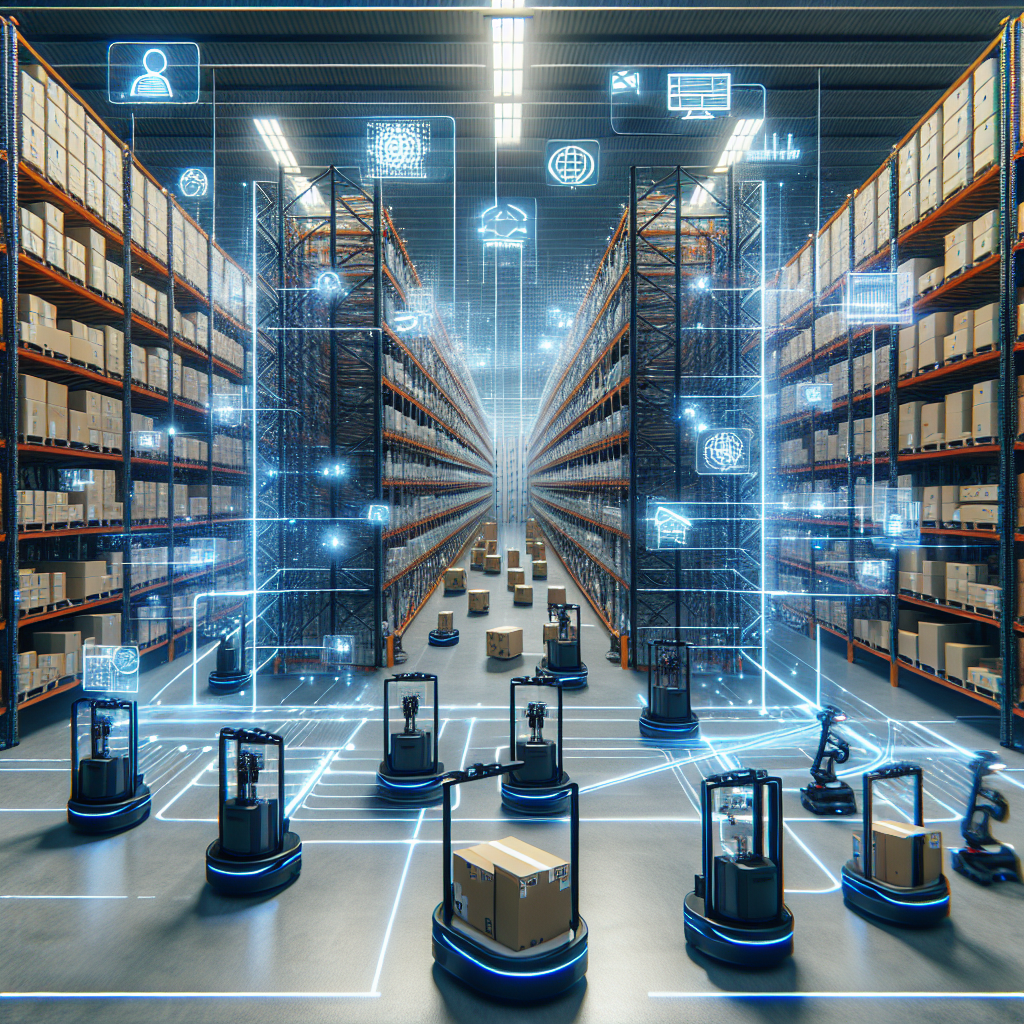
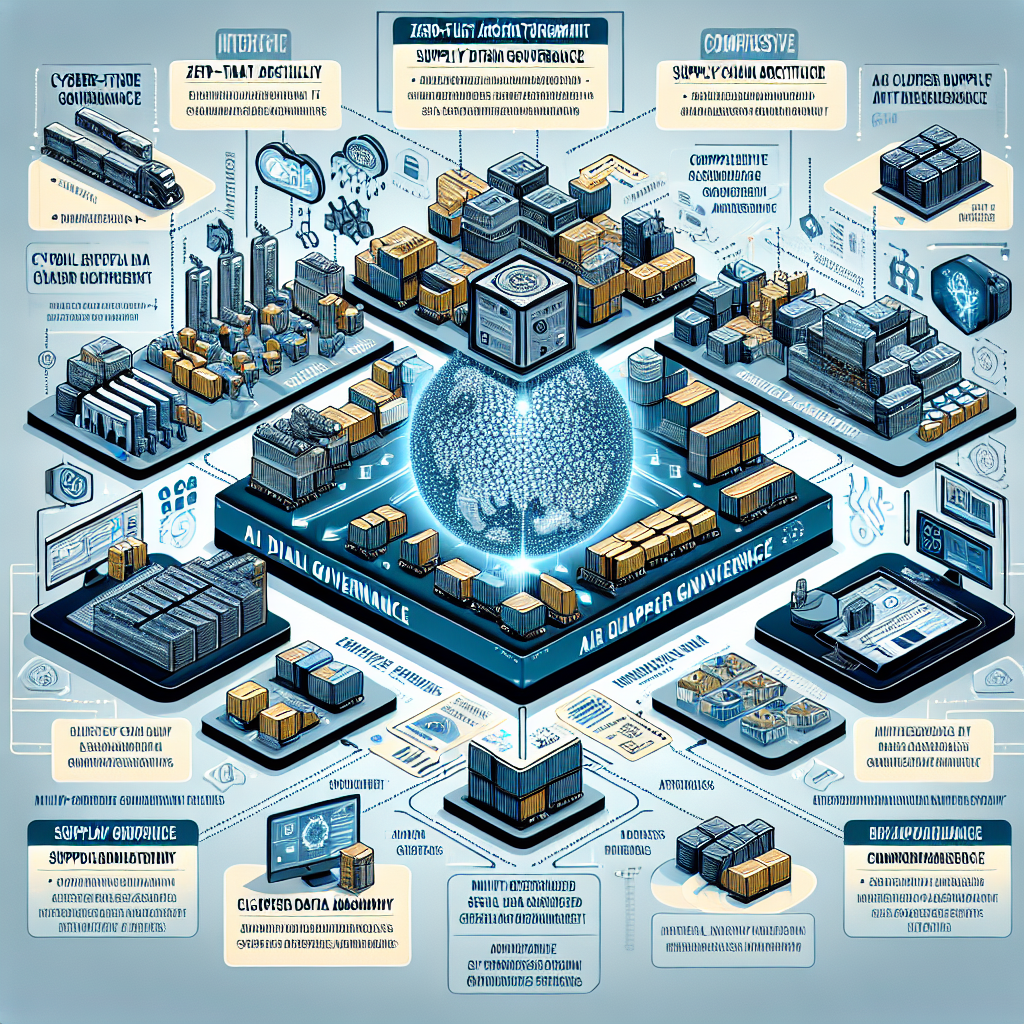
Technology plays an increasingly important role in identifying supply chain vulnerabilities before they escalate into full disruptions. Supply chain visibility platforms, AI-powered risk monitoring tools, and predictive analytics solutions enable organizations to track supplier performance, monitor news and regulatory developments, and identify early warning signals of potential supply chain bottlenecks or disruptions.
Real-time monitoring tools can alert procurement teams to supplier financial distress, weather events threatening key shipping lanes, or emerging port congestion at critical hubs. By integrating these tools with internal data systems, companies can move from reactive crisis management to proactive risk mitigation, identifying and addressing supply chain fragility before it translates into costly disruption. Investing in digital supply chain infrastructure is no longer optional for organizations that take supply chain resilience seriously.
Engaging Suppliers in Vulnerability Identification
Suppliers themselves are often the best source of information about vulnerabilities within their own operations and their upstream supply chains. Building collaborative relationships with key suppliers that encourage open communication about risks, capacity constraints, and operational challenges is an underutilized but highly effective vulnerability identification strategy. Suppliers who feel valued and trusted are more likely to share early warning information that allows their customers to prepare and respond effectively.
Formal supplier engagement programs, including regular business reviews, joint risk workshops, and shared visibility into demand forecasts, create the conditions for this kind of collaborative risk management. These relationships also tend to produce better outcomes during disruptions, as suppliers are more likely to prioritize customers with whom they have strong relationships when allocating scarce capacity or materials during a supply chain crisis.