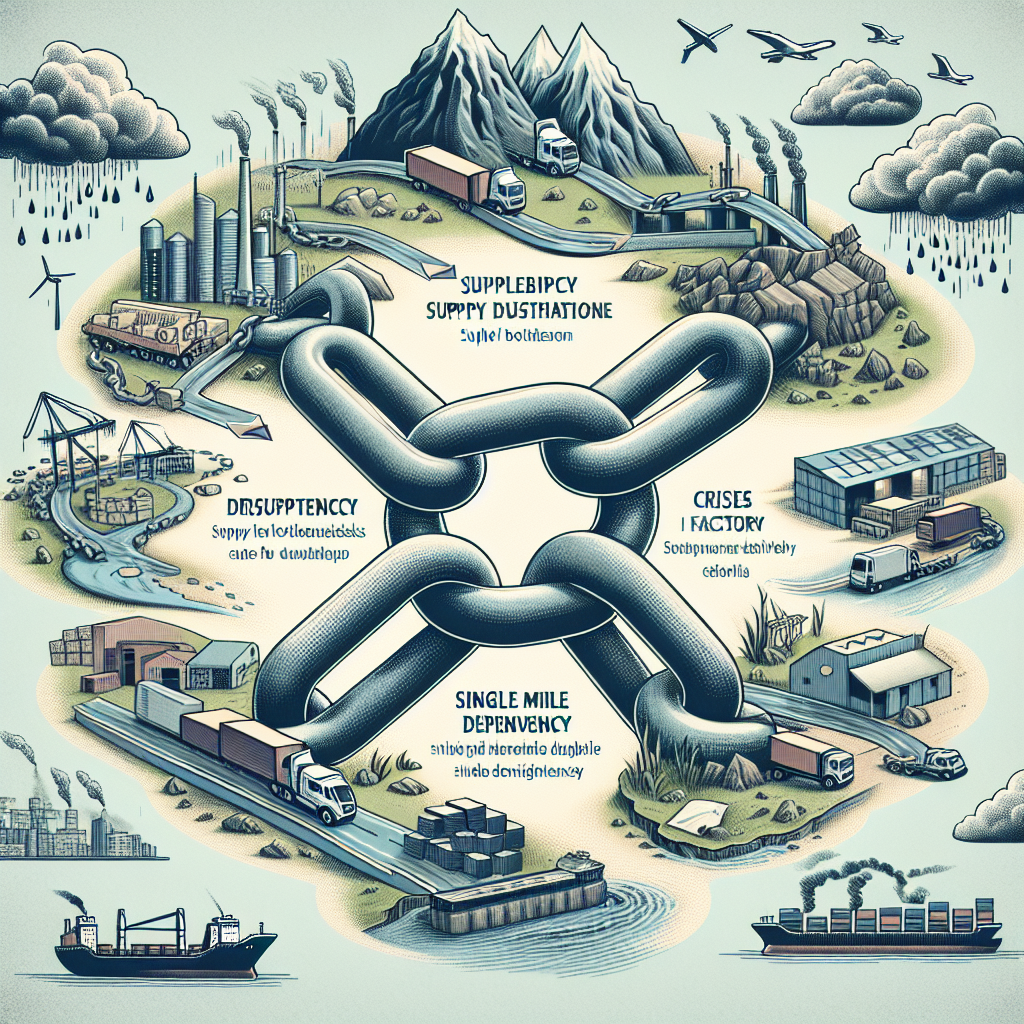






Supply chains have never been more complex—or more vulnerable. From pandemic-era disruptions to geopolitical instability and climate-driven logistics failures, the pressure on supply chain leaders to act faster and smarter has reached a breaking point. Enter Agentic AI in supply chain management: a new generation of autonomous, goal-driven AI systems that don’t just analyze data—they take action. Unlike traditional AI tools that surface recommendations for humans to approve, agentic AI systems can independently execute multi-step workflows, negotiate with suppliers, reroute shipments, and recalibrate inventory strategies in real time. This isn’t incremental automation—it’s a fundamental rewiring of how supply chains think, adapt, and operate.
What Is Agentic AI and Why Does It Matter for Supply Chains?
Agentic AI refers to AI systems that operate with a degree of autonomy, pursuing defined goals through sequences of decisions and actions—often without human intervention at each step. In the context of AI in supply chain management, this means deploying agents that can monitor supplier performance, detect anomalies, trigger purchase orders, and coordinate logistics simultaneously.
According to Gartner, by 2028, at least 15% of day-to-day work decisions will be made autonomously through agentic AI—up from virtually zero in 2024. For supply chains handling thousands of SKUs, dozens of suppliers, and global transportation networks, this level of autonomous decision-making can compress response times from days to minutes.
The distinction between traditional AI and agentic AI is critical: traditional tools wait for a human query; agentic systems proactively sense conditions, reason about options, and execute solutions. This makes them uniquely suited to the dynamic, high-stakes environment of modern supply chain operations.
● Agentic AI acts autonomously on multi-step tasks rather than just generating recommendations
● Gartner projects autonomous AI decision-making to cover 15% of daily work decisions by 2028
● The technology is purpose-built for dynamic, high-volume supply chain environments
Autonomous Procurement Agents: Redefining Sourcing at Scale
Autonomous procurement agents are among the most impactful early applications of agentic AI, capable of scanning supplier databases, evaluating risk profiles, issuing RFQs, and finalizing purchase orders—all within predefined policy guardrails. Companies like Coupa and Ivalua are already integrating AI agent layers into their procurement platforms to reduce tail spend and accelerate sourcing cycles.
A concrete example: a global consumer electronics manufacturer deployed autonomous procurement agents to manage indirect spend across 40+ countries. The agents monitored real-time commodity pricing, flagged supplier risk events (such as a factory fire or port strike), and automatically reallocated orders to pre-approved backup suppliers—cutting average procurement cycle time by 62% and reducing maverick spend by 30%.
Beyond speed, these agents bring consistency and auditability to procurement decisions. Every action is logged, every deviation from policy is flagged, and every negotiation outcome is recorded—creating a compliance trail that manual processes rarely achieve.
● Autonomous agents can manage end-to-end procurement within policy guardrails without human touchpoints
● Real-world deployments have cut procurement cycle times by over 60%
● Full audit trails improve compliance and reduce maverick spending
AI-Powered Demand Forecasting and Continuous S&OP Planning
AI-powered demand forecasting has matured significantly—but when combined with agentic capabilities and continuous S&OP planning, it becomes a living, breathing planning engine. Traditional Sales and Operations Planning (S&OP) cycles run monthly, leaving supply chains exposed to demand shifts that occur daily or even hourly. Agentic AI collapses this cycle by continuously ingesting signals—POS data, social sentiment, weather patterns, macroeconomic indicators—and adjusting supply plans dynamically.
Procter & Gamble, for instance, has invested heavily in AI-driven demand sensing that evaluates millions of data points daily to fine-tune replenishment signals across its retail network. The result: a reported 20% reduction in forecast error and measurable improvements in service levels across high-velocity categories. This kind of continuous, signal-driven planning simply wasn’t possible with legacy S&OP tools.
Agentic AI elevates this further by not just forecasting demand but autonomously acting on those forecasts—adjusting production schedules, triggering supplier releases, and updating distribution plans without waiting for a planning committee to convene. This is the essence of a truly responsive, intelligent supply chain.
● Continuous S&OP powered by agentic AI replaces slow monthly planning cycles with real-time adjustments
● P&G’s AI demand sensing reduced forecast error by approximately 20%
● Agentic systems act on forecasts autonomously, not just report them
Generative AI for Logistics: Smarter Routing, Better Decisions
Generative AI for logistics is moving beyond chatbots and into operational intelligence—generating optimized routing plans, synthesizing carrier performance data, and drafting exception management responses at scale. Logistics networks generate enormous volumes of unstructured data: carrier emails, customs documents, proof-of-delivery notes, and exception logs. Generative AI can parse, summarize, and act on this data in ways that structured analytics tools cannot.
DHL has piloted generative AI tools that automatically summarize shipment exception reports, recommend corrective actions, and communicate updates to customers in natural language—reducing the time logistics coordinators spend on exception management by up to 40%. The system not only drafts responses but routes priority cases to human agents based on complexity and financial impact.
When integrated with cognitive supply chain automation frameworks, generative AI becomes part of a broader orchestration layer—connecting demand signals, warehouse management systems, and carrier networks into a unified, self-correcting logistics ecosystem. For more on how AI is transforming logistics operations, explore resources from the Gartner Supply Chain Practice.
● Generative AI parses unstructured logistics data to generate routing plans and exception responses
● DHL’s generative AI pilots reduced exception management time by up to 40%
● Integration with cognitive automation creates a self-correcting logistics ecosystem
Supply Chain Digital Twins and IoT-Driven Predictive Maintenance
Supply chain digital twins—virtual replicas of physical supply chain networks—are becoming powerful platforms for agentic AI to simulate, test, and execute decisions before committing resources in the real world. A digital twin doesn’t just model current state; it runs thousands of scenario simulations simultaneously, allowing AI agents to identify the optimal response to disruptions before they fully materialize.
Unilever has deployed supply chain digital twins across its manufacturing and distribution network, enabling real-time visibility into inventory positions, production capacity, and logistics constraints across 190 countries. When combined with agentic AI, these twins allow autonomous agents to simulate the downstream impact of a supplier delay or demand spike—and proactively trigger corrective actions across the network before human planners are even alerted.
Equally transformative is the role of IoT for predictive maintenance for fleet management. Connected sensors embedded in delivery vehicles, warehouse equipment, and cold chain containers feed real-time telemetry data into AI systems that predict component failures days or weeks in advance. Companies like Caterpillar and Michelin have reported 25–35% reductions in unplanned downtime by deploying IoT-enabled predictive maintenance—directly improving fleet availability and on-time delivery rates. Learn more about McKinsey’s insights on AI-driven supply chain transformation for a broader strategic perspective.
● Digital twins allow AI agents to simulate disruption responses before executing real-world actions
● Unilever uses digital twins for real-time visibility across 190 countries
● IoT-enabled predictive maintenance has reduced unplanned fleet downtime by 25–35% at leading companies
Cognitive Supply Chain Automation: The Integration Layer
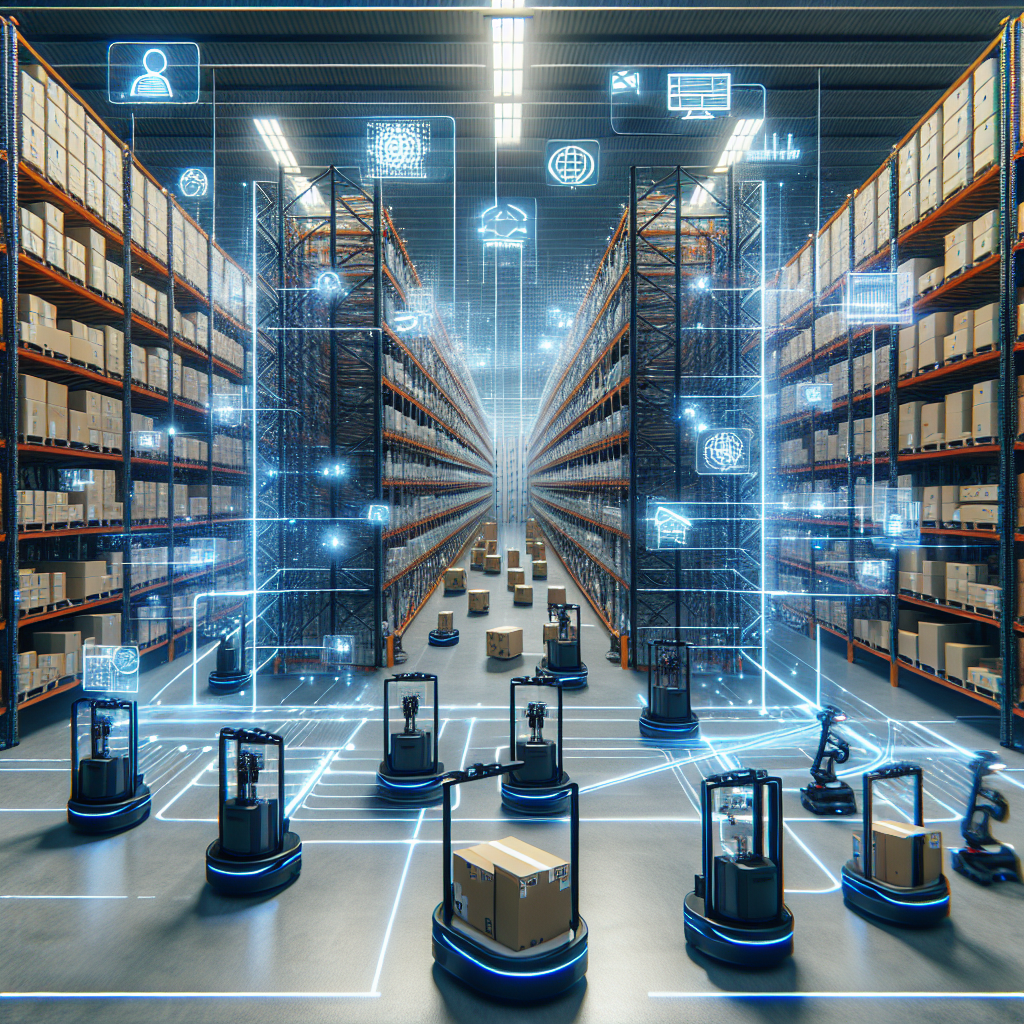
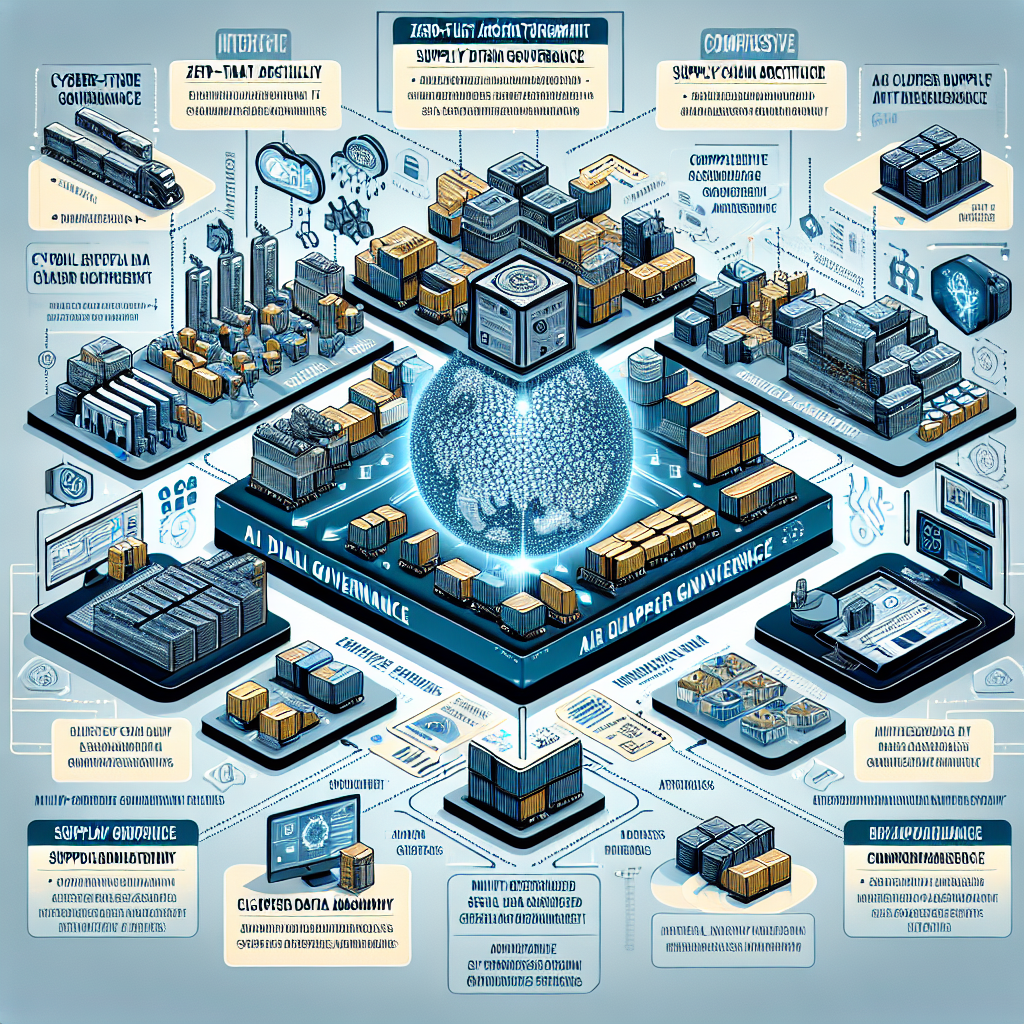
Cognitive supply chain automation refers to the orchestration of AI, machine learning, robotic process automation (RPA), and agentic systems into an integrated decision-making architecture. Rather than deploying siloed AI tools across procurement, logistics, and planning, cognitive automation creates a unified intelligence layer that coordinates actions across functions in real time.
Amazon’s supply chain is perhaps the most cited example of cognitive automation at scale—its systems autonomously manage inventory positioning across hundreds of fulfillment centers, dynamically reprice products, reroute last-mile deliveries, and optimize carrier selection, all with minimal human intervention. The competitive advantage this creates is not just efficiency—it’s the ability to learn and adapt faster than any human-managed system could.
For enterprises outside of Big Tech, platforms like Blue Yonder, o9 Solutions, and Kinaxis are making cognitive supply chain automation increasingly accessible. These platforms embed agentic AI capabilities into planning, procurement, and logistics workflows—enabling mid-market and enterprise supply chain teams to close the gap with digital-native competitors. You can explore how leading supply chain solutions are evaluated at BestInSupplies.com to identify the right tools for your organization.