








Why AI Governance and Zero-Trust Architecture Matter Now
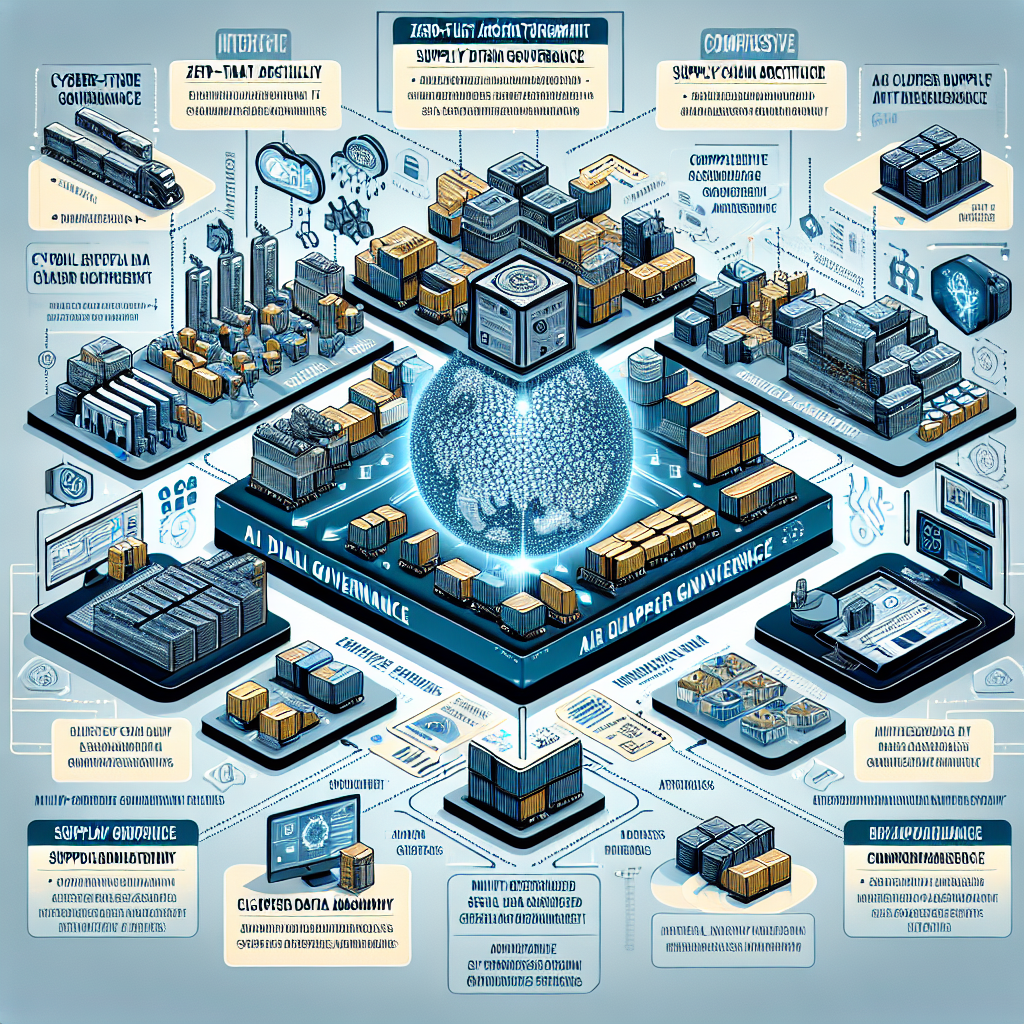
Digital supply chains are moving faster than ever, and with that speed comes a whole new set of risks. From ransomware attacks targeting logistics providers to AI models making procurement decisions without proper oversight, the stakes have never been higher. At BestInSupplies.com, we’re seeing enterprises scramble to build frameworks that are both agile and secure — and the smartest ones are doing it by combining AI governance in supply chain operations with zero-trust security principles.
The convergence of these two disciplines isn’t just a tech trend — it’s a business imperative. A breach in your supplier network or an unaudited AI decision can cascade into regulatory fines, lost contracts, and reputational damage. Let’s break down how leading enterprises are building resilient, compliant, and future-proof supply chain architectures.
Understanding Zero-Trust Supply Chain Architecture
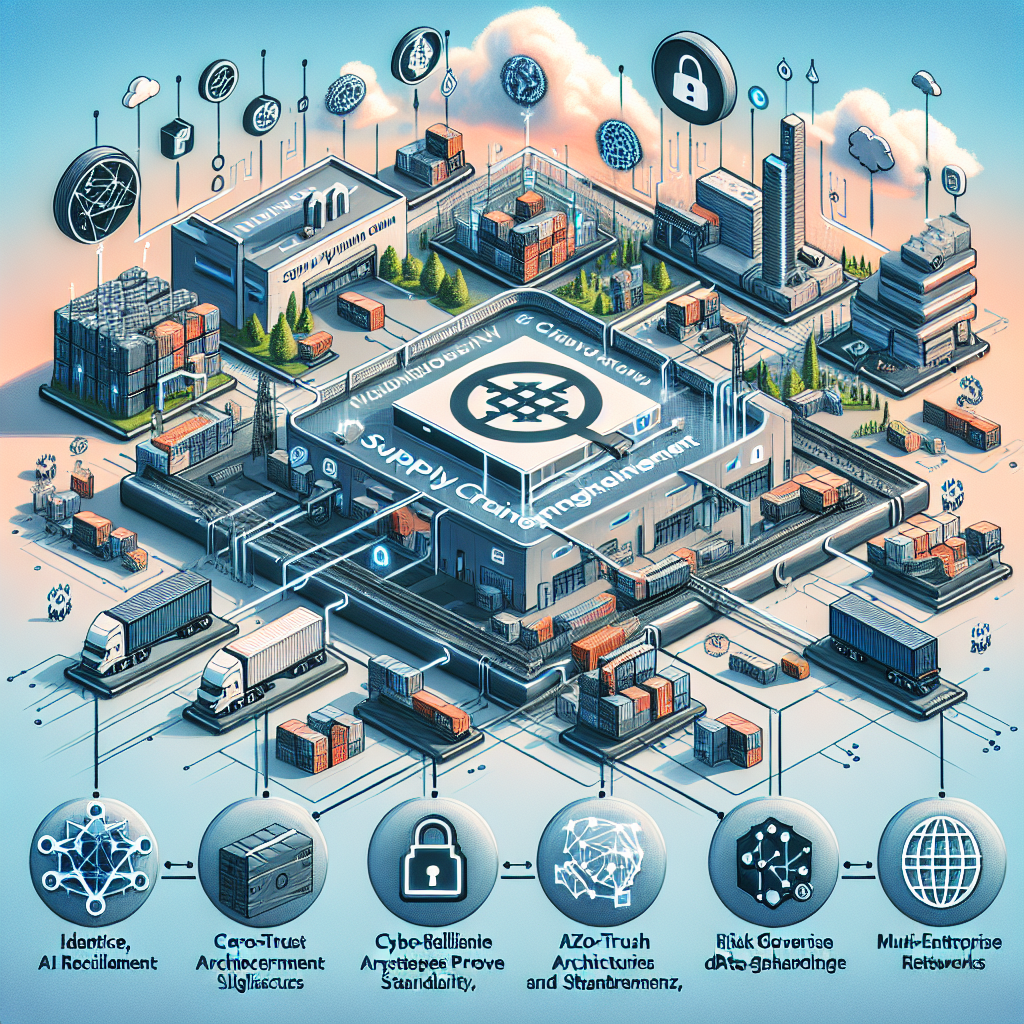
Zero-trust isn’t just a buzzword — it’s a fundamental shift in how we think about network access and data permissions across supply chain ecosystems. The core principle is simple: never trust, always verify. Every user, device, and system — whether inside or outside your organization — must be authenticated and authorized before accessing supply chain data or applications.
In a zero-trust supply chain architecture, this means segmenting access by role, location, and context. For example, a third-party logistics (3PL) partner might be granted read-only access to shipment status APIs but have zero access to your pricing engine or demand forecasting models. Companies like Gartner have reported that organizations adopting zero-trust frameworks reduce the blast radius of security incidents by up to 50%.
This architecture also supports supply chain identity and access management (IAM) at scale, ensuring that each supplier, carrier, or platform has a verified digital identity with clearly scoped permissions. It’s the foundation of cyber-resilience in logistics environments where dozens or even hundreds of external parties interact with your core systems daily.
● Zero-trust requires continuous verification of every user, device, and application — not just at login
● Supply chain IAM ensures that external partners only access the data they genuinely need
● Segmented access reduces risk exposure when one partner or node is compromised
AI Governance in Supply Chain: Setting the Rules for Intelligent Decisions
AI is already making decisions across the supply chain — from dynamic routing and demand sensing to supplier risk scoring and inventory optimization. But without a solid supply chain IT governance framework in place, those decisions can be opaque, biased, or non-compliant with regulations like the EU AI Act or FDA supply chain rules.
A robust AI governance framework for supply chains should define who owns AI models, how they’re trained and validated, what data they can access, and how their decisions are logged and audited. Take the example of a global retailer using AI to flag high-risk suppliers: if the model’s training data contains historical bias, the outputs could unfairly penalize certain geographies or supplier types. That’s not just an ethical problem — it’s a supply chain compliance framework failure waiting to happen.
Data lineage in supply chain systems plays a huge role here. You need to be able to trace every AI decision back to its source data — knowing where that data came from, who modified it, and when. Tools like Collibra and similar data governance platforms are increasingly being integrated into enterprise supply chain architecture stacks to meet these requirements.
● AI governance frameworks must cover model ownership, training data quality, and auditability
● Data lineage tools create traceable decision trails that satisfy regulatory auditors
● Without governance guardrails, AI-driven decisions can introduce compliance and ethical risks
Master Data Management and Supply Chain Data Standardization
You can’t govern what you can’t clearly define. That’s why master data management in supply chain environments is the backbone of any serious data governance initiative. MDM establishes a single, trusted version of critical data entities — products, suppliers, locations, contracts — across every system in your ecosystem.
Poor data quality is still one of the leading causes of supply chain disruption. According to IBM, organizations lose an average of $12.9 million annually due to poor data quality. When supplier records are inconsistent across ERP, WMS, and TMS platforms, reconciliation becomes a manual nightmare — slowing down everything from purchase orders to compliance reporting.
Supply chain data standardization builds on MDM by defining common data formats, taxonomies, and exchange protocols across multi-enterprise supply chain networks. Think GS1 standards for product identification or EDIFACT for electronic data interchange — these aren’t optional niceties, they’re the glue that holds interoperable supply chain ecosystems together.
● MDM creates a single source of truth for products, suppliers, and locations across all systems
● Standardized data formats reduce integration friction and improve regulatory reporting accuracy
● Poor master data quality costs enterprises millions annually in operational inefficiency
Building Interoperability with API-Driven Supply Chain Integration
Modern supply chains operate across dozens of platforms — ERPs, warehouse management systems, freight brokers, customs portals, and e-commerce platforms. Getting them to talk to each other reliably is the core challenge of digital supply chain architecture. The answer lies in API-driven supply chain integration, which replaces brittle point-to-point connections with flexible, scalable interfaces.
APIs allow real-time data exchange between systems without locking you into proprietary formats or vendor ecosystems. For instance, when a port congestion event is detected by a logistics intelligence platform, an API call can automatically trigger rerouting logic in your TMS, update ETA fields in your customer portal, and log the change in your audit trail — all in seconds. This kind of interoperability in supply chain systems is what separates reactive organizations from truly resilient ones.
From a governance perspective, every API endpoint in your supply chain should be documented, versioned, and secured behind your zero-trust IAM layer. API gateways like those offered by MuleSoft or AWS API Gateway provide rate limiting, authentication, and logging capabilities that support both security and supply chain auditability requirements.
● API-first integration enables real-time, event-driven responses across multi-enterprise supply chain networks
● API gateways provide built-in security controls that align with zero-trust principles
● Well-governed APIs improve interoperability while maintaining data integrity and audit trails
Secure Data Sharing in Multi-Enterprise Supply Chain Networks
One of the trickiest challenges in supply chain governance is figuring out how to share data with external partners without compromising confidentiality or compliance. Secure data sharing in supply chain environments requires more than just encryption — it demands clear data classification, consent management, and contractual alignment with every party in your network.
Emerging technologies like confidential computing and privacy-enhancing technologies (PETs) are starting to gain traction here. Imagine a scenario where two competing retailers share demand forecasts with a common logistics provider to optimize load consolidation — without either party exposing their underlying data to the other. That’s the promise of secure multi-party computation, and it’s becoming increasingly practical for cloud supply chain architecture deployments.
Supplier data governance is a critical piece of this puzzle. Every supplier in your network should operate under a clearly defined data sharing agreement that specifies what data they can access, how long they can retain it, and what security controls they must maintain. This is especially important for compliance with frameworks like GDPR, CCPA, and emerging supply chain due diligence legislation in the EU.
● Secure data sharing requires data classification, consent frameworks, and contractual governance with every partner
● Privacy-enhancing technologies enable collaboration without exposing sensitive business intelligence
● Supplier data governance agreements are essential for regulatory compliance across global supply chains
Regulatory Compliance and Risk Governance Frameworks in Logistics
Regulatory pressure on supply chains is intensifying globally. From the EU’s Corporate Sustainability Due Diligence Directive (CS3D) to the US Uyghur Forced Labor Prevention Act (UFLPA), enterprises must now demonstrate not just compliance in their own operations, but across their entire supplier network. Regulatory compliance in global supply chains is no longer a legal department problem — it’s a data and architecture problem.
Effective risk governance frameworks in logistics integrate compliance monitoring directly into supply chain platforms, using real-time data feeds from customs authorities, sanctions lists, and ESG rating agencies. For example, a pharmaceutical company sourcing active ingredients globally might use automated compliance checks at the purchase order level to flag suppliers on restricted lists — preventing violations before they happen rather than discovering them during audits.
The architecture supporting this level of compliance needs strong supply chain platform architecture — one that connects risk data, supplier profiles, transaction records, and regulatory databases in a unified, queryable environment. This is where the investment in MDM, API integration, and data lineage pays its biggest dividends.