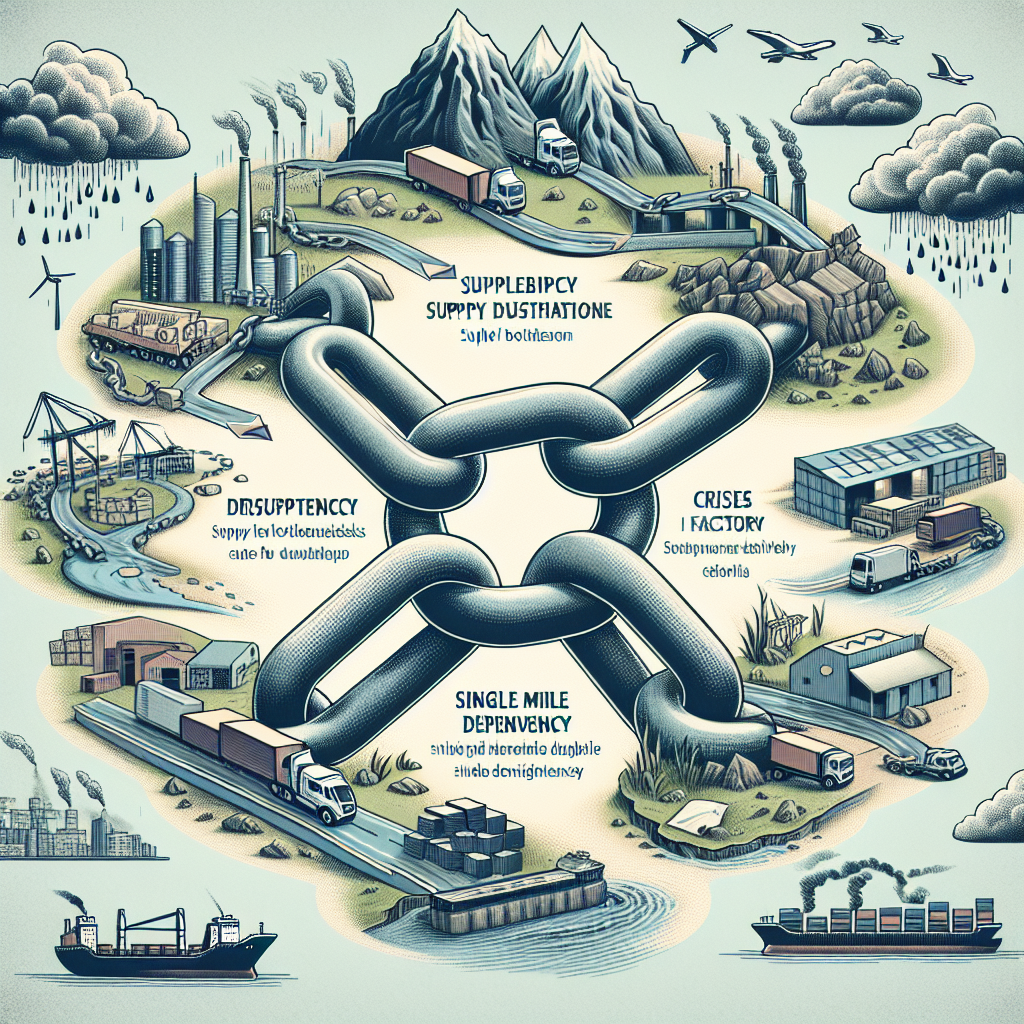







Supply chain disruption has emerged as one of the most pressing challenges facing businesses of every size and sector. From raw material shortage and supplier failure to port congestion and last mile delivery problems, the vulnerabilities embedded in modern supply networks can escalate quickly into a full-blown supply chain crisis. Understanding where these weaknesses hide — and how to systematically address them — is the first step toward building lasting supply chain resilience.
Understanding Supply Chain Vulnerability and Fragility
Supply chain vulnerability refers to any condition that leaves a network exposed to operational disruption, financial loss, or reputational damage. Supply chain fragility, a closely related concept, describes networks that lack the redundancy or flexibility needed to absorb unexpected shocks.
A striking example of systemic fragility came during the COVID-19 pandemic, when the McKinsey Global Institute estimated that industries could expect supply chain shocks lasting a month or longer every 3.7 years on average. Companies that had invested in mapping their tier-two and tier-three suppliers weathered those disruptions far better than those operating with limited visibility.
Single source dependency is among the most dangerous forms of supply chain vulnerability. When a business relies on a single supplier for a critical input — whether a semiconductor, a chemical compound, or a packaging component — any disruption at that source can halt production entirely.
● Map your supply network beyond tier-one suppliers to expose hidden fragility.
● Audit for single source dependency on any critical input or material.
● Treat supply chain fragility as a strategic business risk, not just an operational inconvenience.
Common Sources of Supply Chain Disruption
Raw Material Shortage and Supplier Failure
Raw material shortage can originate from geopolitical conflict, climate events, regulatory changes, or sudden spikes in demand. The global semiconductor shortage that began in 2020 disrupted automotive, electronics, and appliance manufacturing worldwide, costing the auto industry alone an estimated $210 billion in lost revenue in 2021, according to AlixPartners.
Supplier failure adds another layer of risk, particularly when a key vendor experiences financial insolvency, a natural disaster, or a quality control breakdown. Businesses that conduct regular supplier financial health assessments are better positioned to identify warning signs before a failure cascades into a supply chain crisis.
● Diversify your supplier base across geographies to reduce raw material shortage risk.
● Conduct annual financial health reviews of critical suppliers.
Logistics Disruption, Freight Delays, and Port Congestion
Logistics disruption encompasses a wide range of events — from freight delays caused by labor strikes and severe weather to port congestion that backs up global trade for weeks. The 2021 congestion at the Ports of Los Angeles and Long Beach at one point saw over 100 container ships anchored offshore, creating transportation bottlenecks that rippled through retail and manufacturing supply chains across North America.
Cold chain disruption represents an especially costly subset of logistics risk, as temperature-sensitive products such as pharmaceuticals, fresh food, and biologics can be permanently lost when refrigeration fails during transit. Businesses in these sectors should invest in real-time temperature monitoring technology and maintain qualified backup carriers.
● Build relationships with multiple freight carriers to hedge against logistics disruption.
● Monitor port congestion data in real time using tools like PortOptimizer or similar platforms.
● Implement cold chain monitoring protocols and redundant carrier agreements.
Last Mile Delivery Problems and Supply Chain Bottlenecks
Last mile delivery problems account for an estimated 53% of total shipping costs, according to Business Insider, making this final stage of delivery one of the most expensive and disruptive supply chain bottlenecks businesses face. Urbanization, labor shortages, and rising consumer expectations for fast delivery continue to intensify these challenges.
Supply chain bottlenecks at the last mile can be partially addressed through route optimization software, regional fulfillment hubs, and partnerships with local delivery providers. Companies that proactively invest in last mile infrastructure tend to achieve higher customer satisfaction and lower overall logistics costs.
● Use route optimization software to reduce last mile delivery problems.
● Consider regional micro-fulfillment centers to bypass major supply chain bottlenecks.
Building a Robust Supply Chain Risk Management Framework
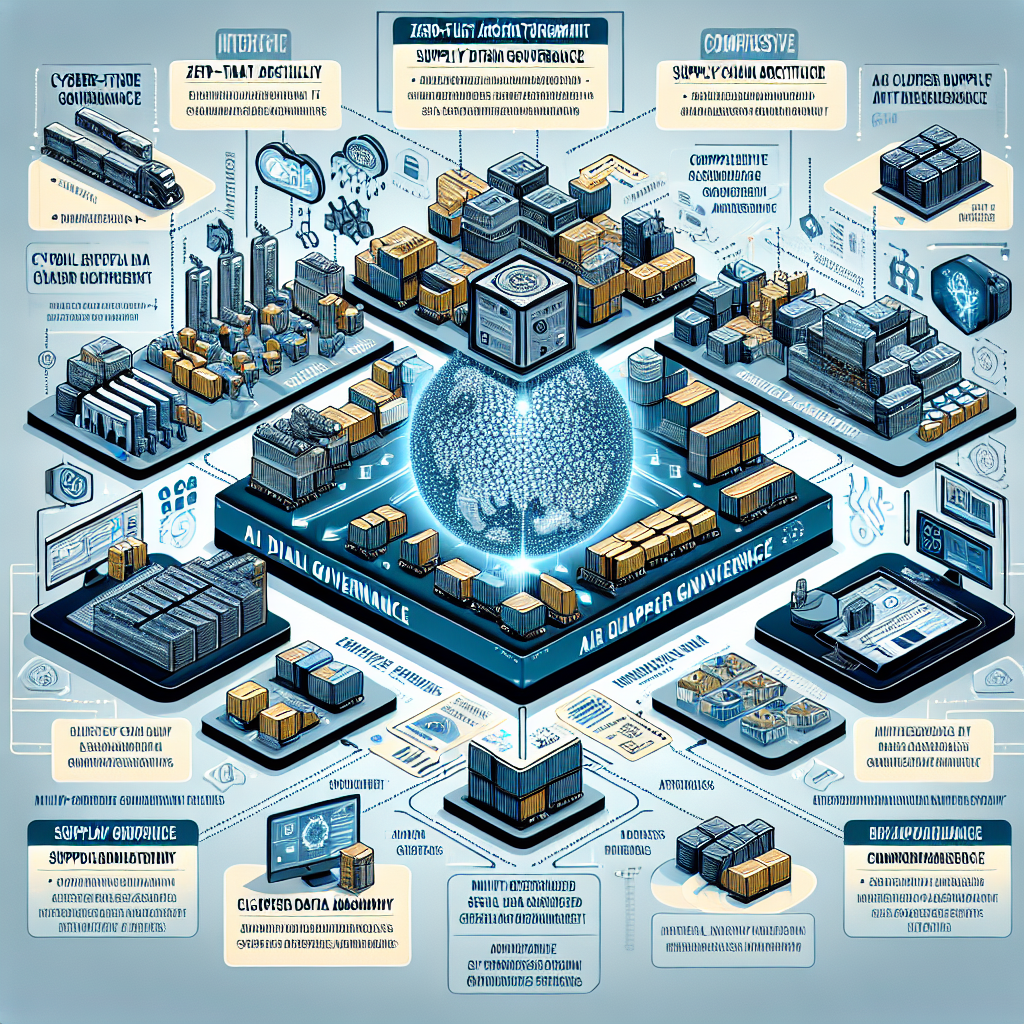
Effective supply chain risk management begins with a comprehensive risk assessment that identifies the probability and potential impact of each threat category — from supply shortage and supplier failure to logistics disruption and geopolitical instability. Risk should be scored and prioritized so that mitigation resources are allocated where they matter most.
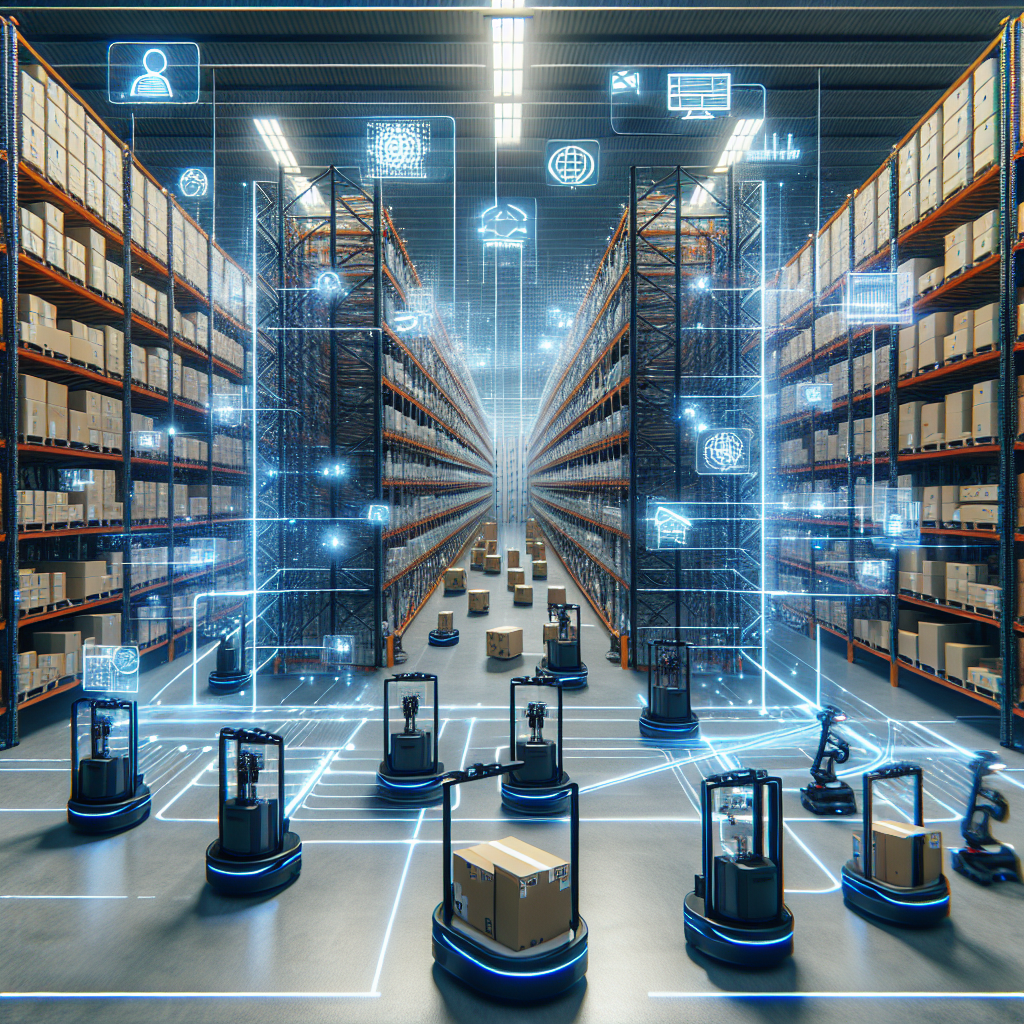
Leading organizations use a combination of technology, process design, and strategic sourcing to reduce exposure. Supply chain visibility platforms, for example, aggregate data from across the network to provide early warning of developing disruptions. According to Gartner, companies with high supply chain visibility are 2.5 times more likely to outperform peers during periods of disruption.
● Establish a formal supply chain risk management process with documented protocols.
● Invest in end-to-end supply chain visibility technology.
● Assign clear ownership of risk categories to specific team members or departments.
Strategies for Achieving Long-Term Supply Chain Resilience
Diversification and Nearshoring
Diversifying the supplier base — both in terms of the number of suppliers and their geographic distribution — is one of the most effective defenses against supply chain shock. Nearshoring, or relocating supply sources closer to the end market, reduces exposure to international freight delays, customs disruptions, and geopolitical risk.
The reshoring and nearshoring trend accelerated significantly after the pandemic, with companies in North America increasingly sourcing from Mexico and Canada to reduce dependence on distant suppliers. This strategic shift shortens lead times and provides greater flexibility when a supply chain shock occurs.
● Evaluate nearshoring opportunities to reduce dependence on distant suppliers.
● Maintain at least two qualified suppliers for every critical input.
Inventory Strategy and Safety Stock
Just-in-time inventory models, while efficient under stable conditions, proved catastrophic for many businesses during the pandemic-era supply shortage. Rebuilding strategic safety stock for critical components or finished goods provides a buffer when supply chain disruption strikes.
Businesses should use demand forecasting analytics to determine optimal safety stock levels, balancing carrying costs against the financial risk of a stockout. A data-driven approach ensures that inventory investment is targeted rather than indiscriminate. Learn more about inventory optimization strategies at BestInSupplies.com.
● Rebuild safety stock levels for high-risk or long-lead-time items.
● Use demand forecasting tools to set stock levels based on disruption probability.
Key Takeaways
Supply chain resilience is not built overnight, but the organizations that invest in risk visibility, supplier diversification, and adaptive logistics strategies are far better positioned to survive — and even thrive — when disruption strikes. The cost of preparation is almost always lower than the cost of a crisis.
● Identify and eliminate single source dependency across all critical inputs.
● Build a formal supply chain risk management framework with clear ownership and protocols.
● Invest in supply chain visibility tools to detect disruption signals early.
● Diversify suppliers geographically and explore nearshoring to reduce logistics risk.
● Maintain strategic safety stock to buffer against raw material shortage and supply shortage events.
For more expert guidance on sourcing strategies, supplier evaluation, and supply chain best practices, visit BestInSupplies.com — your trusted resource for navigating today’s complex supply environment.