







Global supply chains are under mounting pressure as two of the world’s most critical maritime chokepoints—the Red Sea and the Strait of Hormuz—face escalating instability. For supply chain managers, understanding how to monitor these flashpoints and build resilience into logistics networks is no longer optional; it is a strategic imperative. This post breaks down the current threat landscape, offers actionable mitigation strategies, and highlights tools for real-time chokepoint tracking to help your organization stay ahead of disruption.
Why the Red Sea and Strait of Hormuz Matter to Global Trade
Together, the Red Sea and the Strait of Hormuz serve as conduits for an estimated 20–30% of global seaborne trade. The Red Sea route, anchored by the Suez Canal, handles approximately 12–15% of world trade volume, including a significant share of container traffic between Asia and Europe. The Strait of Hormuz, meanwhile, is the transit point for roughly 21 million barrels of oil per day—about 21% of global petroleum liquids consumption, according to the U.S. Energy Information Administration.
When either route is disrupted, the downstream effects are immediate and far-reaching. Freight rates spike, insurance premiums surge, and delivery timelines stretch by days or weeks as vessels reroute around the Cape of Good Hope or seek alternative transit corridors. Supply chain managers who treat these chokepoints as background noise rather than active risk variables do so at significant financial and operational peril.
● The Red Sea and Strait of Hormuz collectively influence global energy and container trade flows
● Disruptions trigger cascading effects on freight rates, insurance costs, and delivery windows
● Both chokepoints require continuous monitoring, not periodic review
Red Sea Shipping Disruptions: The Current Threat Landscape
Since late 2023, Houthi militant attacks on commercial vessels in the Red Sea have forced major shipping lines—including Maersk, MSC, and CMA CGM—to suspend or reroute transits through the Bab-el-Mandeb Strait. According to data from Xeneta and Freightos, spot container freight rates on the Asia-to-Europe lane more than doubled between December 2023 and February 2024 as a direct consequence of these Red Sea shipping disruptions. Vessels rerouting via the Cape of Good Hope add 10–14 days to transit times and approximately $1 million in additional fuel costs per voyage.
The financial impact extends well beyond shipping lines. Retailers, automotive manufacturers, and electronics firms reliant on just-in-time inventory models have reported inventory shortages, production slowdowns, and unplanned air freight costs. For example, European automakers including Volvo and Tesla temporarily halted production lines in early 2024 due to component shortages tied directly to Red Sea rerouting delays. These disruptions underscore the vulnerability of lean supply chain models to geopolitical shocks.
● Major carriers have rerouted away from the Red Sea, adding cost and transit time
● Just-in-time manufacturers are disproportionately exposed to Red Sea shipping disruptions
● Freight rate volatility from Red Sea instability can persist for months after initial incidents
Strait of Hormuz Maritime Security: Energy Supply Chain Risk
The Strait of Hormuz represents a distinct but equally critical category of risk, particularly for energy-intensive industries and nations dependent on Gulf crude imports. Tensions between Iran and Western nations have periodically threatened Strait of Hormuz maritime security, with Iran seizing or harassing commercial tankers as recently as 2023. A full closure of the strait—even temporarily—would remove the equivalent of roughly 20% of global oil supply from the market, triggering immediate price shocks across petrochemical, manufacturing, and transportation sectors.
Supply chain managers in energy-dependent industries should model scenario-based risk around Hormuz closures. The International Energy Agency (IEA) maintains strategic petroleum reserve protocols for member nations, but private sector organizations must develop their own contingency frameworks. Diversifying supplier geography, building buffer inventory of energy-intensive inputs, and locking in forward contracts during periods of relative calm are all proven hedging strategies for organizations exposed to Hormuz-linked volatility. For more on energy supply chain strategy, visit the IEA’s Oil Security page.
● The Strait of Hormuz is the single most critical oil transit chokepoint globally
● Iran’s capacity to threaten Strait of Hormuz maritime security is well-documented and recurring
● Energy sector supply chains require scenario modeling, not just reactive risk management
Tariff Impact Analysis: Layering Trade Policy Risk onto Maritime Disruptions
Geopolitical instability at sea rarely occurs in isolation—it typically coincides with or amplifies existing trade policy pressures. A rigorous tariff impact analysis is essential for supply chain managers navigating simultaneous maritime disruption and protectionist trade measures. For instance, U.S. tariffs on Chinese goods implemented under Section 301 already elevated landed costs for many importers; when combined with Red Sea rerouting surcharges, total cost increases on some SKUs have exceeded 35–40% compared to 2022 baselines.
Effective tariff impact analysis involves mapping your product portfolio against current tariff schedules, modeling alternative sourcing geographies, and stress-testing your cost structures under multiple disruption scenarios. Tools such as USITC DataWeb and commercial trade intelligence platforms can help procurement teams identify tariff exposure quickly. Integrating tariff impact analysis into quarterly business reviews—rather than treating it as a one-time exercise—positions organizations to respond faster when conditions shift.
● Tariff impact analysis must be integrated with maritime risk assessments for a complete cost picture
● Landed cost increases from combined tariff and disruption pressures can exceed 35% on affected SKUs
● Regular tariff reviews enable faster pivots when trade policy or routing conditions change
Real-Time Chokepoint Tracking: Tools and Technologies
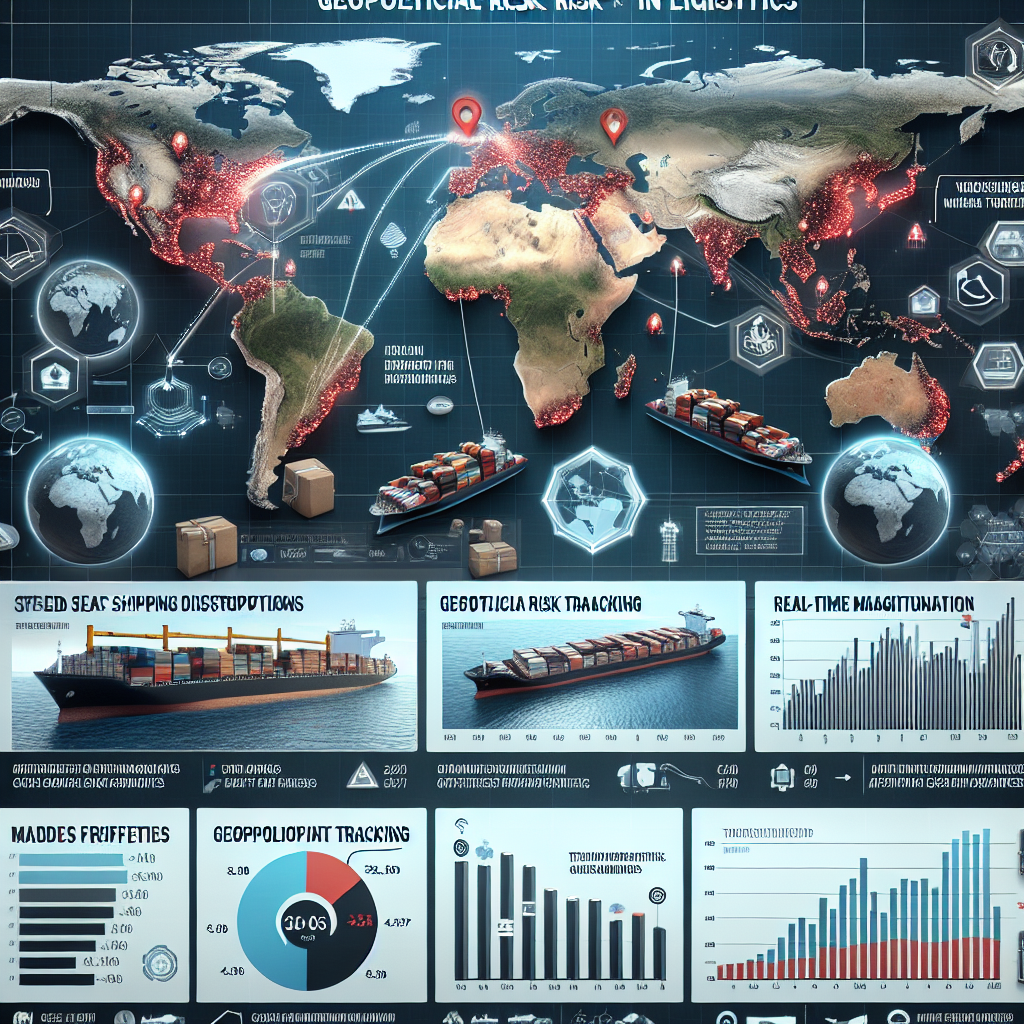
Effective real-time chokepoint tracking has become a foundational capability for modern supply chain risk management. Platforms such as MarineTraffic, Windward, and Lloyd’s List Intelligence provide vessel position data, risk scoring, and alert systems that flag anomalies around the Red Sea, Strait of Hormuz, and other critical maritime corridors. These tools allow logistics teams to identify rerouting patterns, predict capacity crunches, and proactively communicate with customers about potential delays before they escalate into service failures.
Beyond vessel tracking, organizations should integrate geopolitical intelligence feeds from sources such as the ICC International Maritime Bureau and government maritime advisories from UKMTO and NAVCEN. Combining automated tracking data with human intelligence analysis creates a layered situational awareness framework. Supply chain teams that invest in real-time chokepoint tracking consistently outperform peers in response time and cost containment during acute disruption events.
● Platforms like MarineTraffic and Windward offer real-time chokepoint tracking and risk scoring
● Geopolitical intelligence feeds from IMB and UKMTO complement automated vessel data
● Layered situational awareness reduces response time and limits financial exposure during disruptions
Geopolitical Risk Mitigation in Logistics: Building a Resilient Strategy
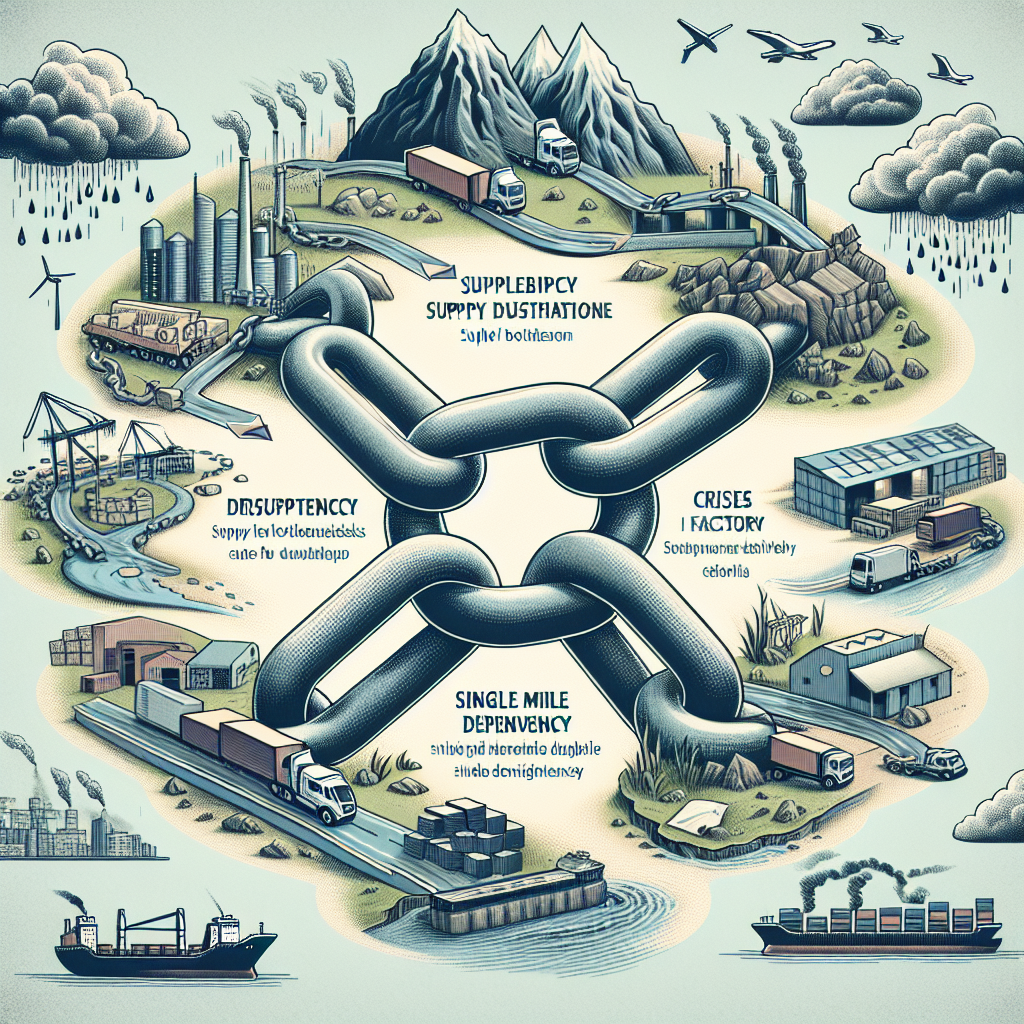
Sustainable geopolitical risk mitigation in logistics requires a shift from reactive crisis management to proactive resilience architecture. This means diversifying carrier relationships, establishing pre-negotiated contingency routing agreements, and building strategic inventory buffers for high-risk product categories. Organizations with multi-modal capabilities—able to shift between sea, air, and rail freight as conditions demand—demonstrate significantly greater resilience than those locked into single-mode dependencies.
Collaboration with freight forwarders, 3PLs, and insurance brokers who specialize in political risk coverage is equally critical. War risk insurance premiums in the Red Sea corridor have increased by 400–600% since 2023, making it essential for logistics managers to review coverage terms and limits regularly. Building geopolitical risk mitigation in logistics into annual supplier contracts—including force majeure clauses, alternative port-of-loading provisions, and escalation protocols—can substantially reduce legal and financial exposure when disruptions materialize. Learn more about supply chain resilience frameworks on BestInSupplies.com.
● Multi-modal flexibility is a core enabler of geopolitical risk mitigation in logistics
● War risk insurance terms must be reviewed regularly given rapidly shifting premium environments
● Contractual resilience provisions with suppliers and carriers reduce legal and financial exposure
Key Takeaways
The convergence of Red Sea shipping disruptions, Strait of Hormuz maritime security threats, and trade policy volatility demands a new standard of supply chain preparedness. Organizations that invest in real-time intelligence, scenario-based planning, and contractual flexibility will be best positioned to absorb and recover from geopolitical shocks.
● Monitor Red Sea shipping disruptions and Strait of Hormuz maritime security through real-time chokepoint tracking platforms and government advisories
● Conduct regular tariff impact analysis to understand the compounding cost effects of trade policy and maritime disruption
● Build geopolitical risk mitigation in logistics into supplier contracts, insurance coverage, and routing contingency plans
● Diversify carrier relationships and develop multi-modal logistics capabilities to reduce single-point dependencies