





Why Supply Chain Visibility Matters More Than Ever
In today’s fast-paced business environment, having complete supply chain visibility isn’t just a nice-to-have—it’s essential for staying competitive. Whether you’re managing a small operation or overseeing a global network of suppliers and distributors, knowing exactly where your products are at any given moment can make or break your business. The good news? Modern technology has made it easier than ever to gain that critical visibility across your entire supply chain.
Supply chain visibility means having real-time insights into every stage of your product journey, from raw materials to the customer’s doorstep. When you can see what’s happening across your entire network, you’re better equipped to respond to disruptions, optimize operations, and keep your customers happy. Let’s explore how multi-tier tracking, IoT monitoring, and integrated platforms are transforming the way businesses manage their supply chains.
Understanding Multi-Tier Supplier Visibility
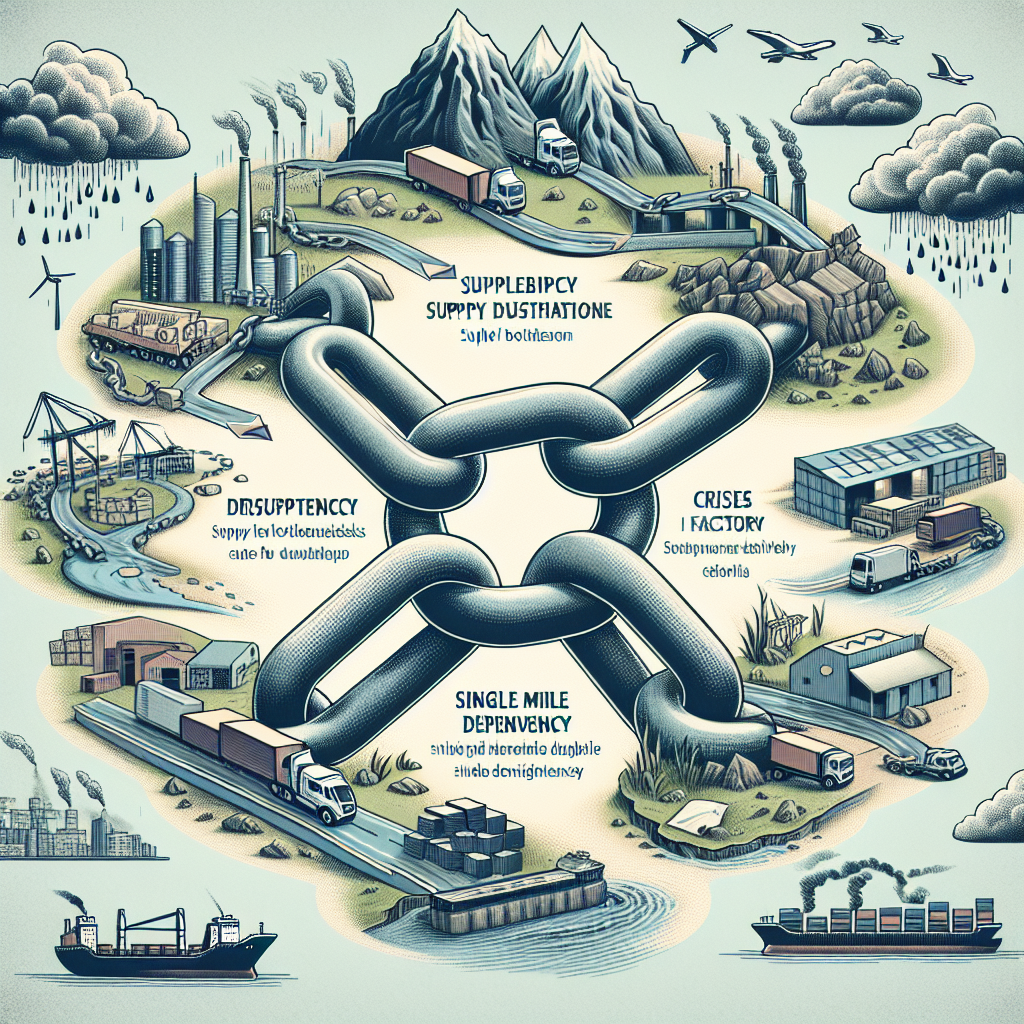
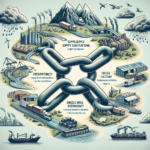
Most companies have a good handle on their direct suppliers, but what about the suppliers behind those suppliers? That’s where multi-tier supplier visibility comes into play. This approach allows you to look beyond your immediate partners and understand the entire supplier ecosystem that supports your business.
Multi-tier supplier visibility helps you identify potential risks lurking in your supply chain before they become major problems. For instance, if a raw material supplier three tiers down experiences a disruption, you’ll know about it early enough to find alternatives or adjust your production schedule. This level of transparency is becoming increasingly important as supply chains grow more complex and global events continue to create unexpected challenges.
Benefits of Multi-Tier Tracking
When you implement multi-tier tracking, you gain several significant advantages. First, you can better assess and manage risks throughout your supply chain. Second, you improve compliance and sustainability efforts by ensuring all suppliers meet your standards. Third, you can identify opportunities for cost savings and efficiency improvements that might be hidden several layers deep in your supplier network.
Real-Time IoT Inventory Tracking: The Game Changer
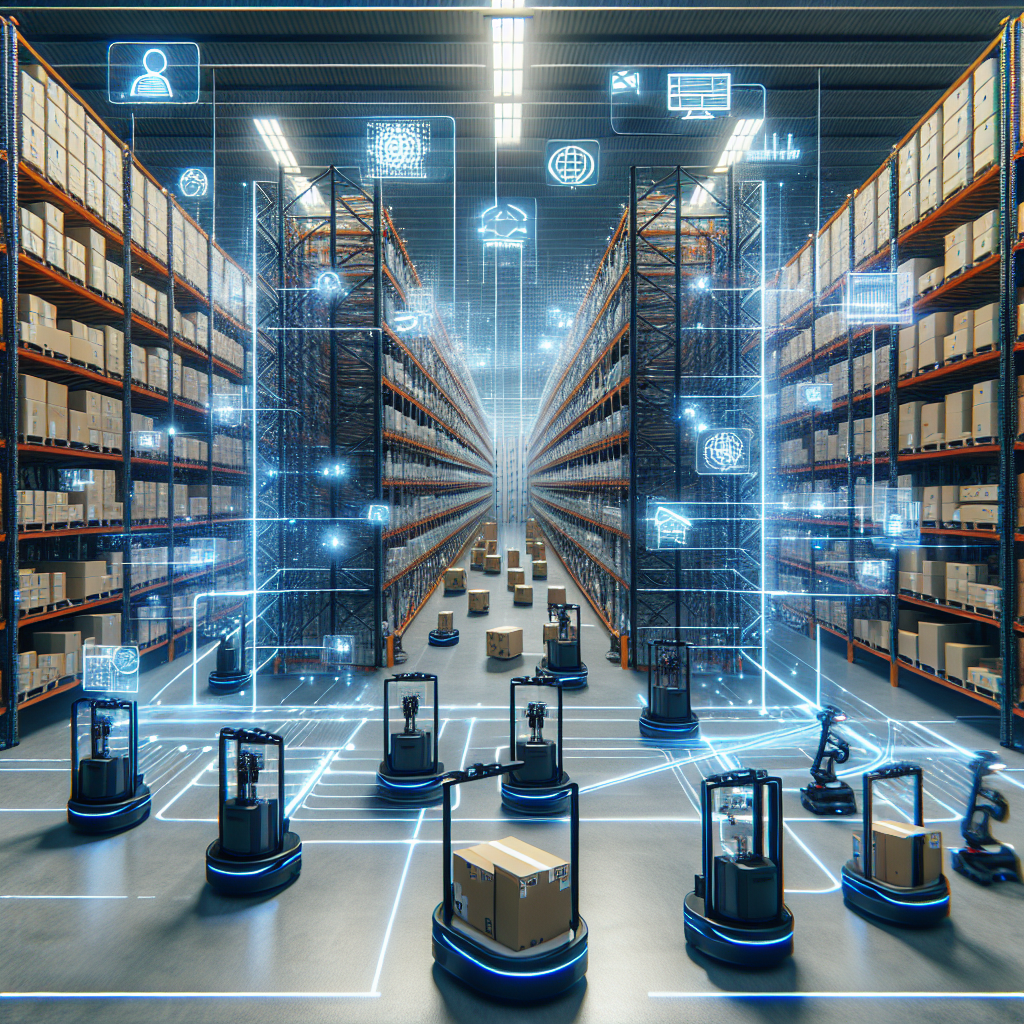
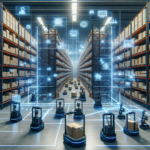
Internet of Things (IoT) technology has revolutionized how we track inventory and shipments. Real-time IoT inventory tracking uses smart sensors, RFID tags, and GPS devices to provide continuous updates on your products’ location, condition, and status as they move through the supply chain.
Imagine being able to monitor the temperature of perishable goods in transit, track the exact location of high-value shipments, or receive instant alerts when inventory levels fall below a certain threshold. That’s the power of IoT monitoring in action. These smart devices collect data automatically and transmit it to your systems, eliminating manual tracking errors and providing unprecedented visibility into your operations.
Practical Applications of IoT Monitoring
IoT monitoring isn’t just about tracking location. Modern sensors can monitor environmental conditions like temperature, humidity, and shock during transport. They can detect when containers are opened, track asset utilization rates, and even predict when equipment might need maintenance. This rich data stream helps you maintain product quality, reduce waste, and optimize your logistics operations.
End-to-End Visibility Platforms: Connecting the Dots
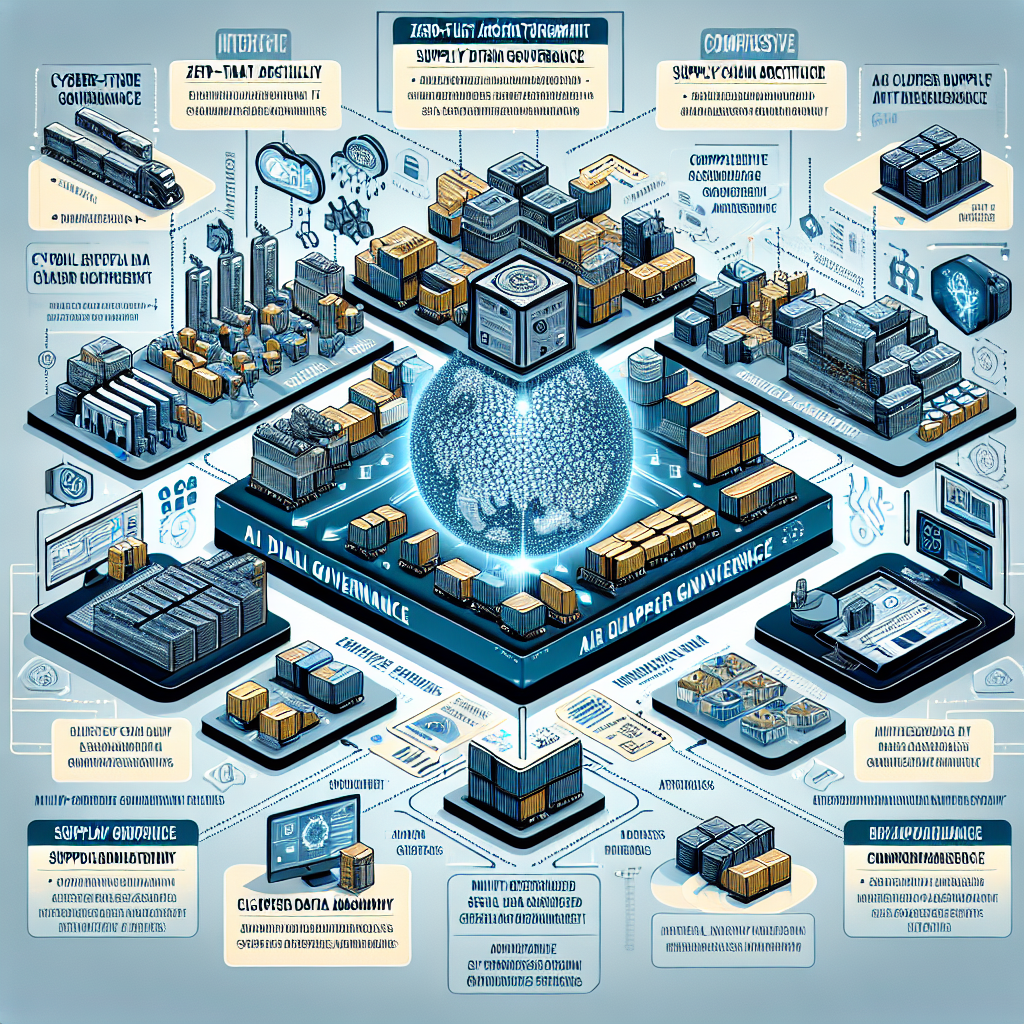
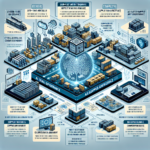
While individual tracking tools are valuable, the real magic happens when you integrate everything into comprehensive end-to-end visibility platforms. These platforms serve as a central hub that aggregates data from all your suppliers, warehouses, transportation partners, and IoT devices into a single, unified view.
End-to-end visibility platforms break down information silos and give everyone in your organization access to the same real-time data. Your purchasing team can see incoming shipments, warehouse managers can prepare for arrivals, and customer service representatives can provide accurate delivery estimates. This level of coordination dramatically improves efficiency and customer satisfaction.
Choosing the Right Platform
When selecting an end-to-end visibility platform, look for solutions that integrate easily with your existing systems, offer intuitive dashboards and reporting tools, and provide mobile access for on-the-go decision-making. The best platforms also incorporate advanced analytics and artificial intelligence to help you make sense of the massive amounts of data flowing through your supply chain.