




The New Era of Supply Chain Intelligence
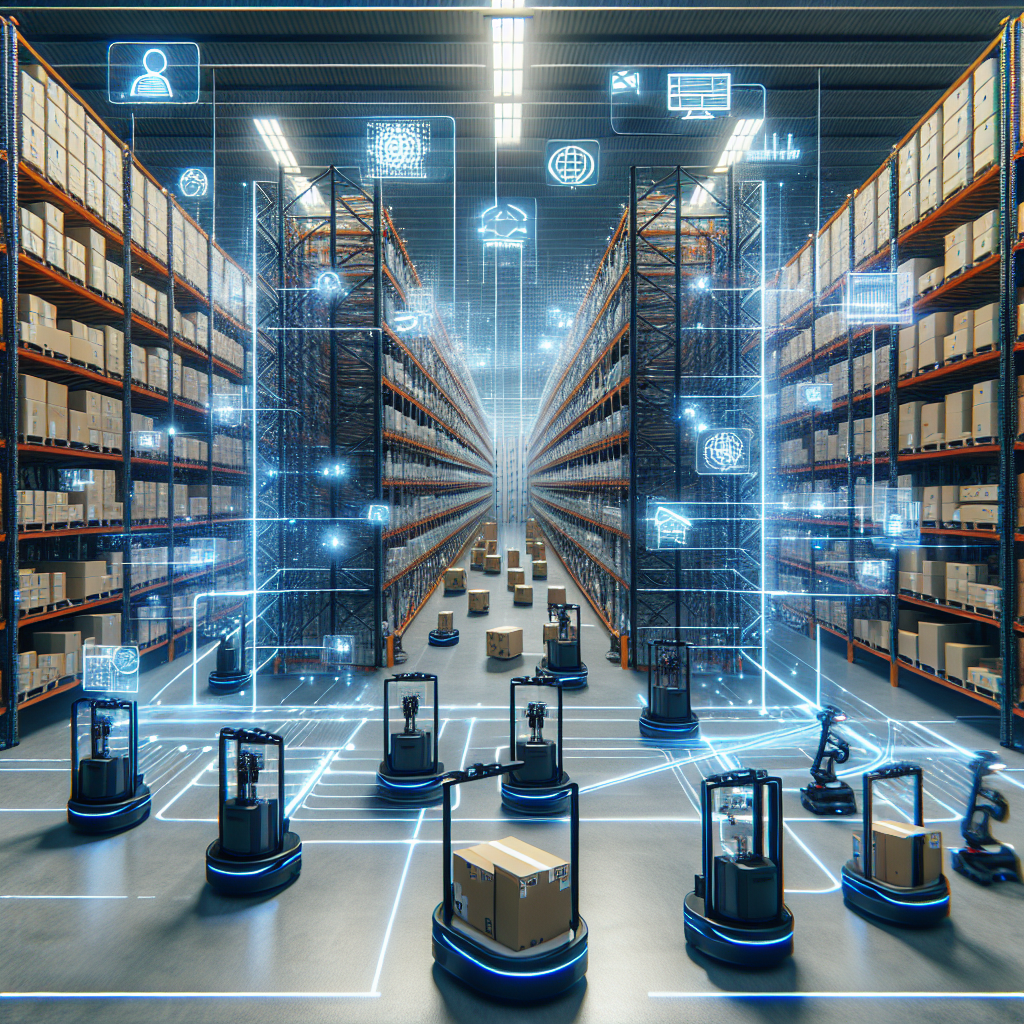
Hey there, supply chain enthusiasts! If you’ve been keeping up with the logistics world lately, you know things are changing faster than ever. Gone are the days when supply chain management meant clipboards and crossed fingers. Today, we’re witnessing a revolution powered by digital twins, artificial intelligence, and automation that’s transforming how we think about supply chain resilience strategies.
Let’s dive into the exciting technologies reshaping our industry and discover how they’re making supply chains smarter, faster, and more resilient than we ever imagined possible.
Understanding Supply Chain Digital Twins
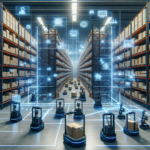
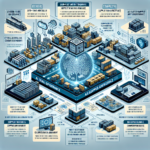
Imagine having a perfect virtual replica of your entire supply chain—every warehouse, every truck, every supplier, and every product—all updating in real-time. That’s exactly what supply chain digital twins offer. These virtual models mirror your physical operations, allowing you to test scenarios, predict problems, and optimize performance without disrupting actual operations.
Think of it as having a crystal ball, but one powered by data rather than magic. Digital twins let you simulate “what if” scenarios before they happen in the real world. What if a snowstorm hits your distribution center? What if a key supplier experiences delays? With digital twins, you can run these scenarios thousands of times to find the best response strategy.
Real-World Benefits of Digital Twin Technology
Companies implementing digital twins are seeing remarkable results. They’re reducing downtime, optimizing inventory levels, and catching potential disruptions before they cascade through their networks. The technology provides a sandbox environment where innovation happens safely, and lessons are learned without costly real-world consequences.
Real-Time Chokepoint Tracking: Your Early Warning System
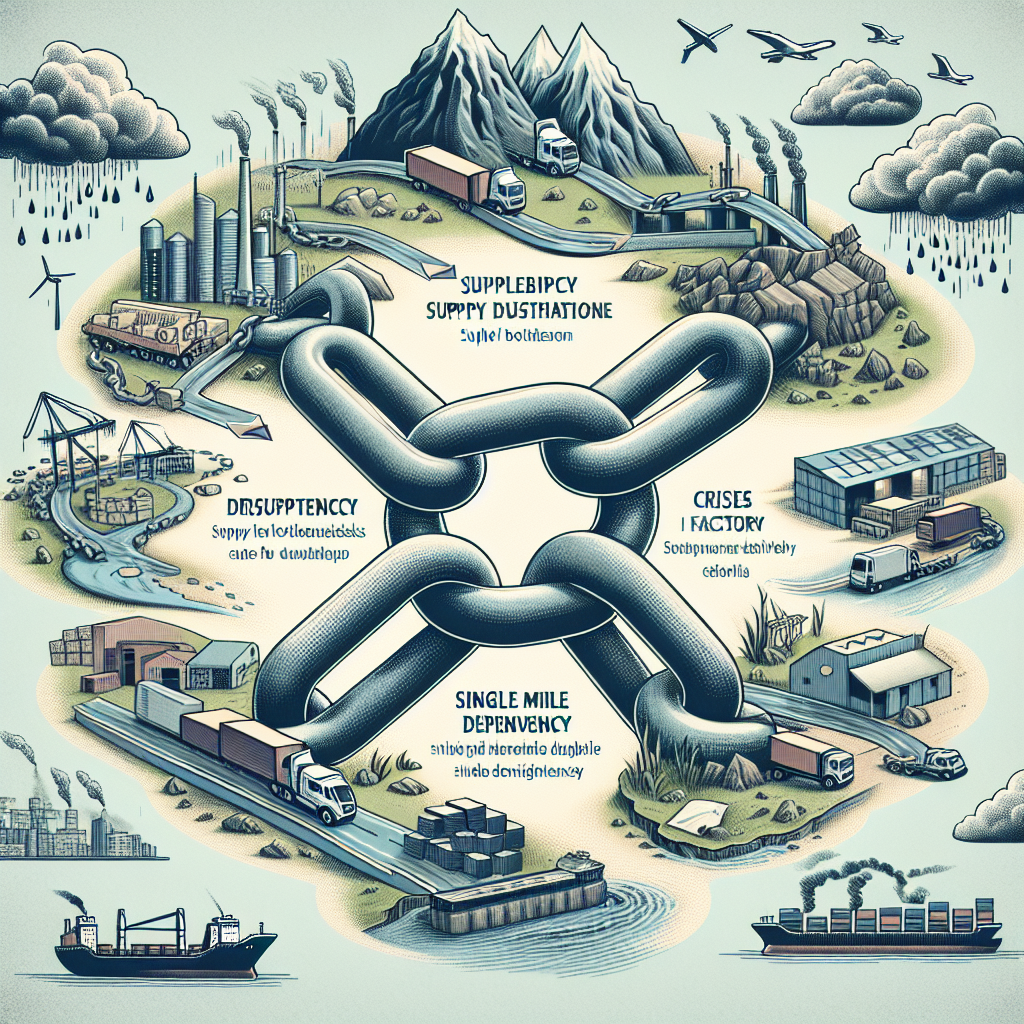
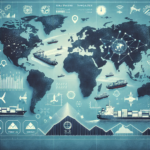
We’ve all felt the pain of supply chain bottlenecks—those frustrating moments when everything grinds to a halt because of one congested port, one delayed shipment, or one unexpected closure. Real-time chokepoint tracking changes this game entirely.
This technology monitors critical junctures across your supply network constantly, identifying slowdowns and congestion as they develop. Instead of discovering problems when angry customers start calling, you’ll know about potential issues hours or even days in advance. It’s like having traffic alerts for your entire supply chain, helping you reroute around problems before they impact your deliveries.
The beauty of chokepoint tracking lies in its predictive capabilities. Advanced systems don’t just tell you where problems exist today—they forecast where bottlenecks are likely to form tomorrow, next week, or next month based on patterns, seasonal trends, and external factors.
Multi-Tier Supplier Visibility: Seeing Beyond the Obvious
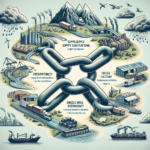
Here’s a question that keeps supply chain managers up at night: Do you really know who’s making the components that go into your products? Most companies have good visibility into their direct suppliers, but what about the suppliers to those suppliers, and their suppliers beyond that?
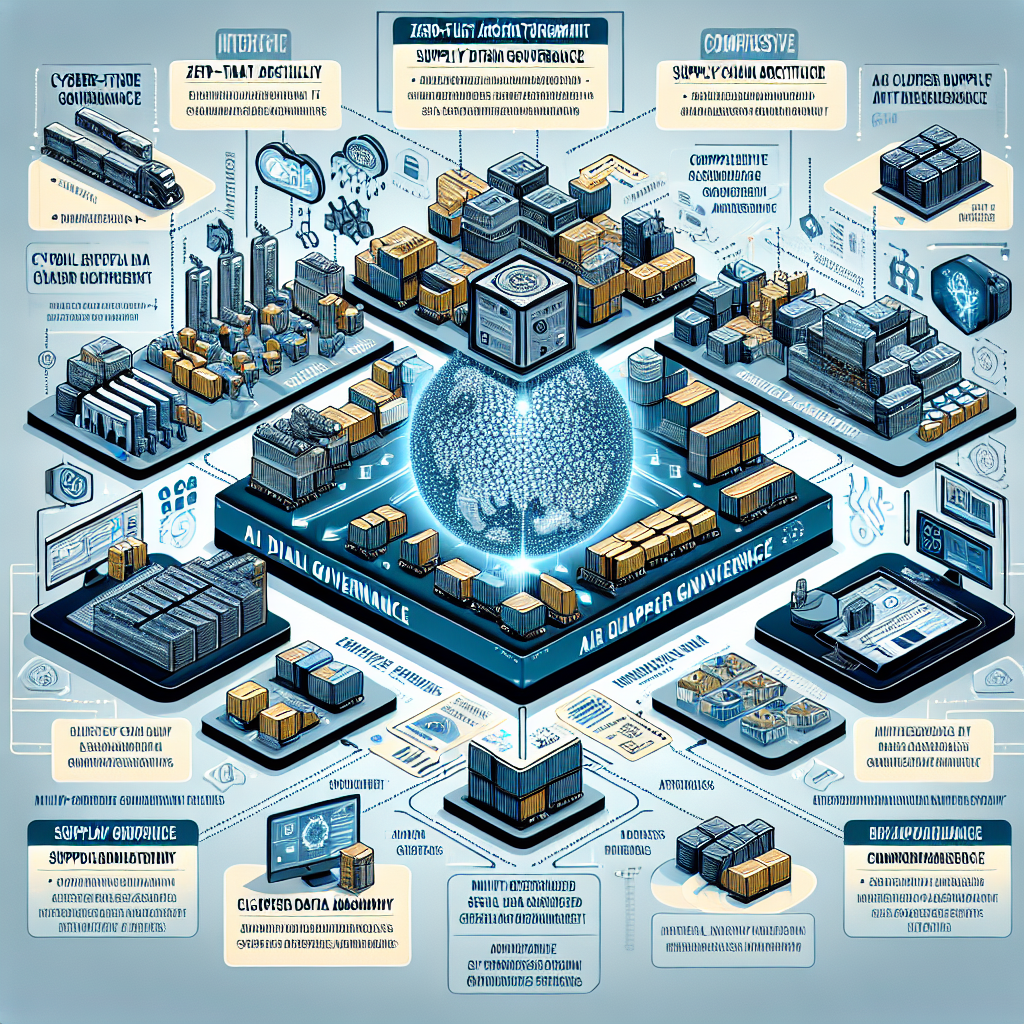
Multi-tier supplier visibility pulls back the curtain on your entire supply ecosystem. This deeper transparency means you’re not blindsided when a factory three levels down in your supply chain experiences problems. You’ll see risks rippling through your network before they reach your doorstep.
Building Trust Through Transparency
Achieving this level of visibility requires collaboration and trust. It means building partnerships where information flows freely, and everyone benefits from shared intelligence. The companies leading in this space are those that view their suppliers as partners in resilience rather than just vendors in a transaction.