

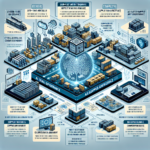





The modern supply chain is experiencing a remarkable transformation. Companies worldwide are discovering that the future of logistics lies in systems that require minimal human intervention—what we call zero-touch logistics orchestration. This isn’t science fiction anymore; it’s happening right now in warehouses and distribution centers around the globe.
Understanding Zero-Touch Logistics
Zero-touch logistics represents a paradigm shift in how we manage supply chains. Instead of relying on manual processes and constant human oversight, these systems leverage cutting-edge technology to automate decision-making and physical operations. The goal is simple yet ambitious: create a supply chain that can sense, think, and act independently.
At the heart of this revolution are two key technologies working in perfect harmony: autonomous mobile robots (AMRs) and warehouse edge computing. Together, they’re creating smart, responsive environments that can adapt to changing conditions in real-time without waiting for human input.
The Role of Autonomous Mobile Robots AMR
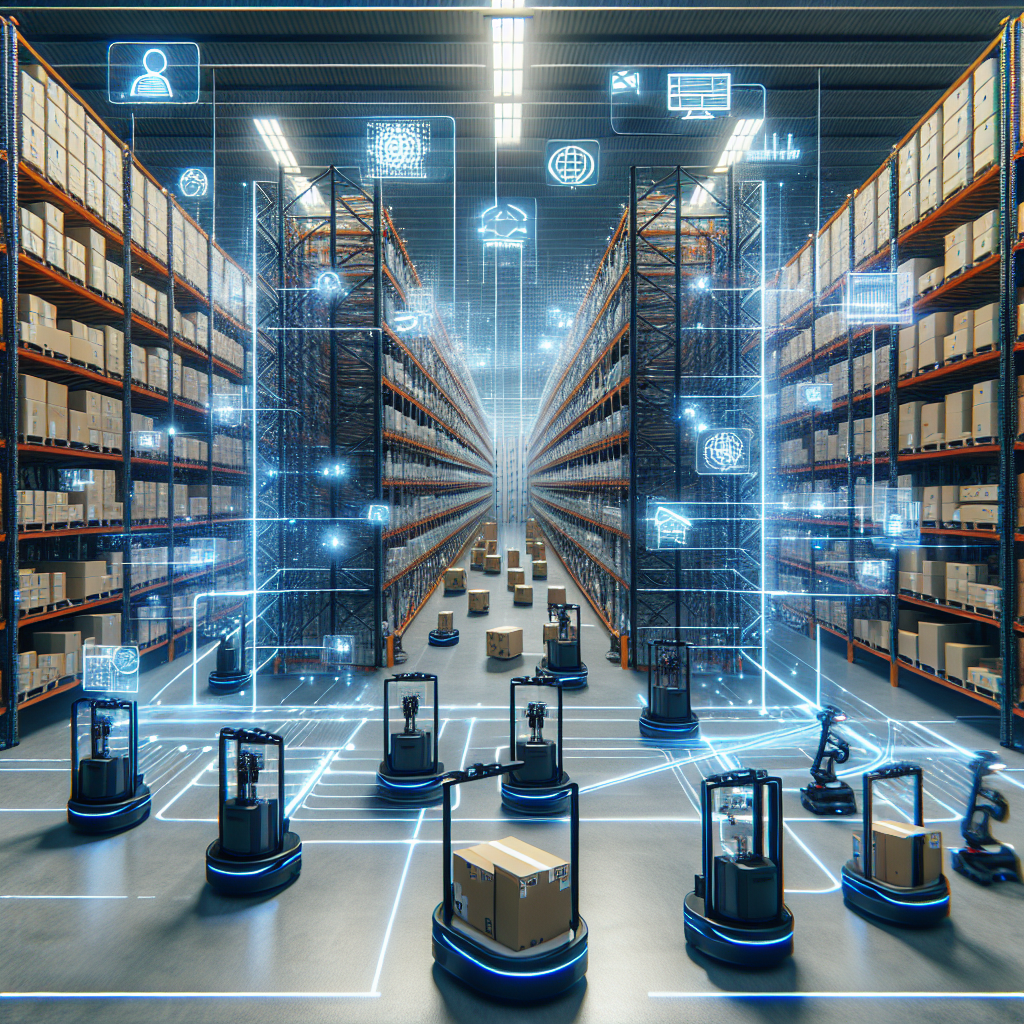
Autonomous mobile robots AMR have become the workhorses of modern warehouses. Unlike their predecessors—the guided vehicles that followed fixed paths—today’s AMRs navigate dynamically through complex environments. They dodge obstacles, optimize their routes on the fly, and collaborate with other robots to maximize efficiency.
These intelligent machines handle everything from picking and transporting goods to sorting and inventory management. What makes them truly special is their ability to learn and improve over time. As they encounter new situations, they adapt their behavior, becoming more efficient with each passing day.
How AMRs Integrate with Existing Systems
One of the biggest concerns for warehouse managers is whether new technology will play nicely with existing infrastructure. The good news? Modern AMRs are designed with integration in mind. They communicate seamlessly with warehouse management systems, inventory databases, and other operational platforms, creating a unified ecosystem where information flows freely.
Warehouse Edge Computing: The Brain Behind the Operation
While AMRs provide the muscle, warehouse edge computing serves as the nervous system of zero-touch logistics. Edge computing brings data processing closer to where it’s needed—right on the warehouse floor—rather than sending everything to distant cloud servers.
This proximity matters enormously. When split-second decisions need to be made, you can’t afford the delay of sending data to the cloud and back. Edge computing enables real-time processing, allowing systems to respond instantly to changing conditions. If a robot encounters an obstacle or an order priority suddenly changes, the system can adapt immediately.
Real-Time Decision Making at the Edge
The beauty of warehouse edge computing lies in its ability to process massive amounts of data locally. Sensors throughout the facility constantly feed information about inventory levels, equipment status, environmental conditions, and workflow patterns. Edge computing systems analyze this data instantly, making intelligent decisions about resource allocation, task prioritization, and problem resolution.
Industry 4.0 Smart Factory Integration
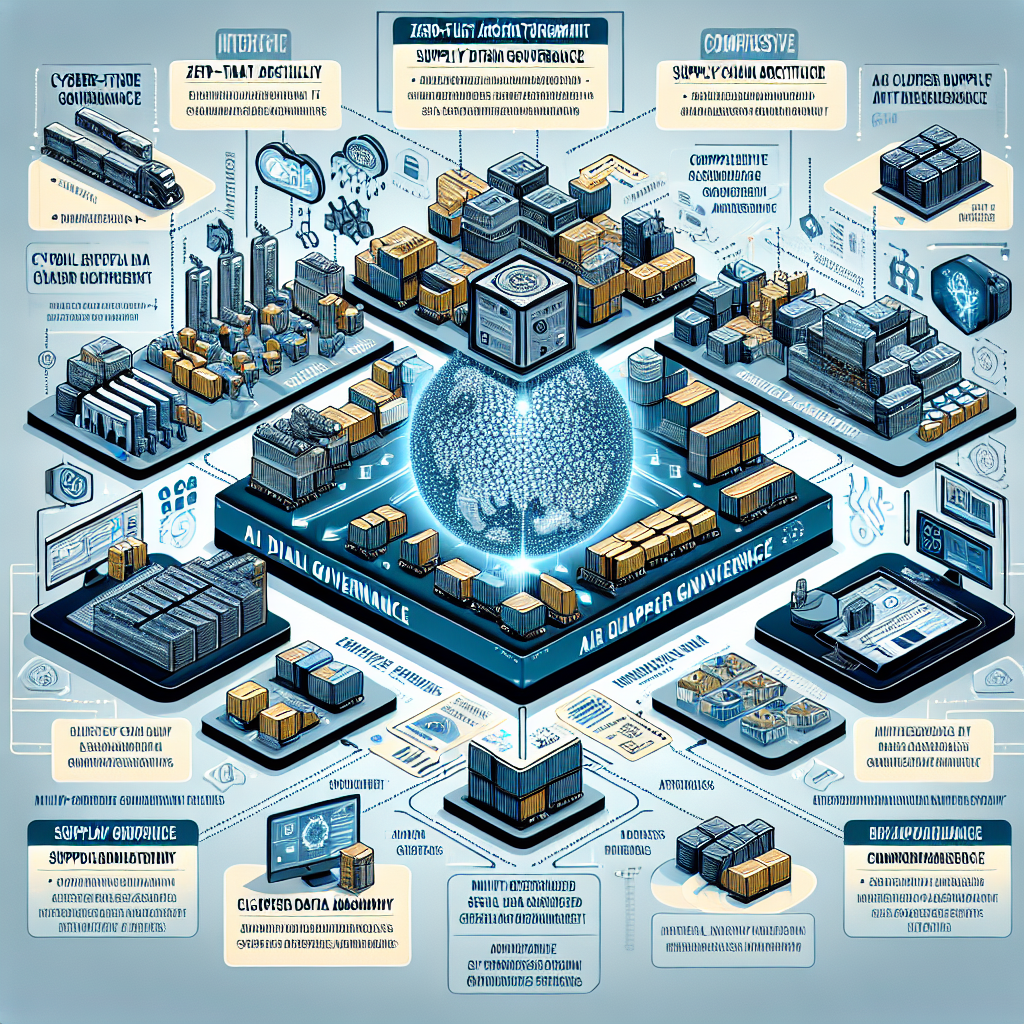
Zero-touch logistics doesn’t exist in isolation. It’s a crucial component of the broader Industry 4.0 smart factory integration movement. This fourth industrial revolution connects every aspect of manufacturing and distribution into an intelligent, self-optimizing network.
In a fully integrated Industry 4.0 environment, your warehouse communicates directly with production lines, supplier systems, and customer platforms. When a product is manufactured, the warehouse system automatically knows about it. When inventory runs low, orders are triggered without human intervention. When a customer places an order, the entire fulfillment process begins automatically.
Breaking Down Operational Silos
Traditional supply chains often suffered from information silos, where different departments operated independently with limited visibility into each other’s operations. Industry 4.0 smart factory integration breaks down these barriers. Production, logistics, quality control, and customer service all share a common data ecosystem, enabling unprecedented coordination and efficiency.
The Benefits Are Real and Measurable
Companies implementing zero-touch logistics orchestration are seeing impressive results. Labor costs decrease as automation handles routine tasks. Accuracy improves dramatically because machines don’t get tired or distracted. Space utilization becomes more efficient as intelligent systems optimize storage and movement patterns.
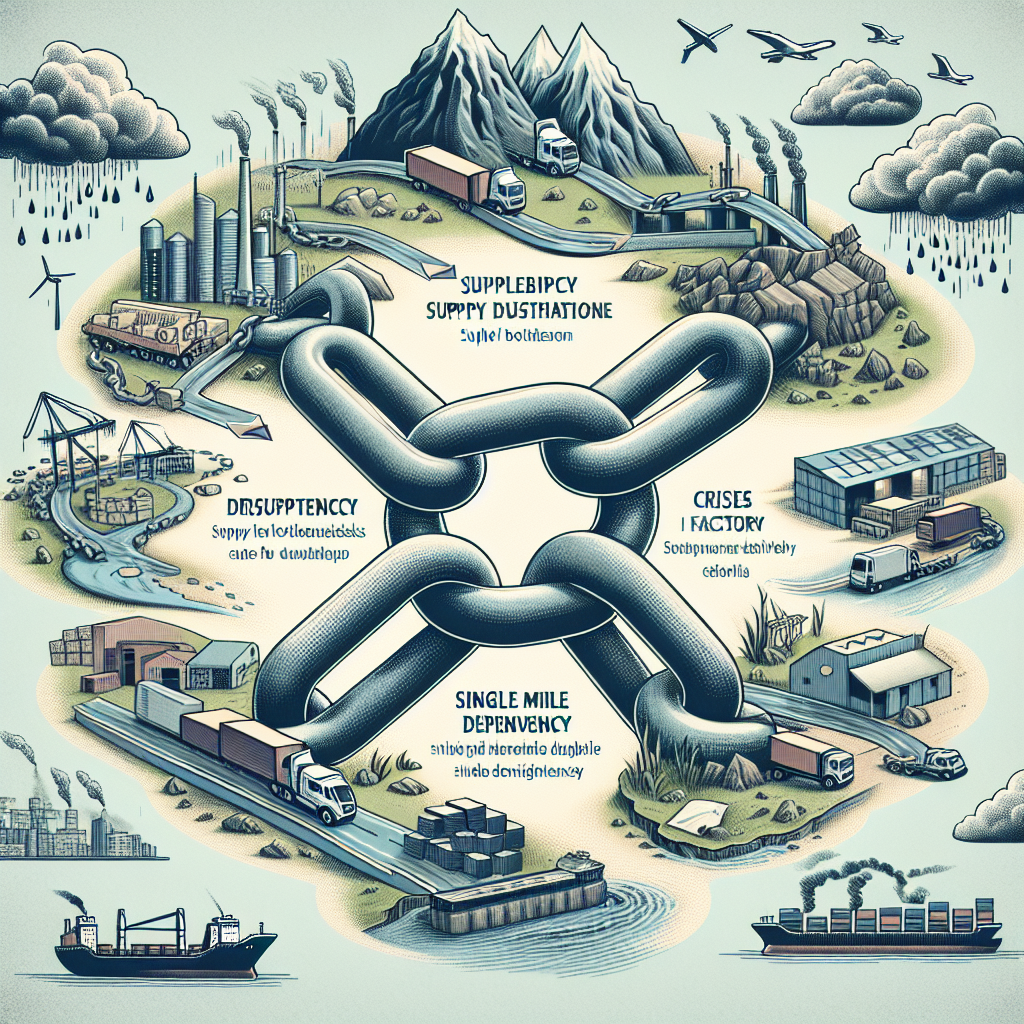
Perhaps most importantly, these systems provide resilience. When unexpected disruptions occur—and they always do—zero-touch systems can quickly recalibrate, finding alternative solutions without grinding to a halt. This adaptability has proven invaluable, especially in recent years when supply chains have faced unprecedented challenges.
Getting Started with Your Transformation
If you’re considering implementing zero-touch logistics in your operation, start by assessing your current processes. Identify bottlenecks where automation could make the biggest impact. You don’t need to transform everything overnight; successful implementations often begin with pilot projects in specific areas.
Look for partners who understand both the technology and the logistics industry. The best solutions aren’t just about buying equipment—they’re about reimagining your entire operation for the automated age. Invest time in training your team because while zero-touch systems reduce manual labor, they create new roles focused on oversight, optimization, and strategic decision-making.
Looking Ahead
The future of supply chain orchestration is automated, intelligent, and remarkably efficient. As autonomous mobile robots AMR become more capable and warehouse edge computing grows more sophisticated, we’ll see even more impressive applications emerge. Machine learning algorithms will predict demand with uncanny accuracy. Robots will collaborate in increasingly complex ways. Systems will optimize themselves continuously without any human prompting.
Zero-touch logistics orchestration isn’t just a trend—it’s the foundation of competitive supply chains in the digital age. Companies that embrace these technologies today are positioning themselves for success tomorrow. The question isn’t whether to adopt these innovations, but how quickly you can integrate them into your operations.
The transformation is already underway. The warehouses and factories that will dominate the next decade are being built right now, powered by autonomous robots, edge computing, and the vision of a truly intelligent supply chain. It’s an exciting time to be part of this industry, and the best part? We’re only just getting started.