





Why Supply Chain Visibility Matters More Than Ever
In today’s fast-paced business environment, understanding exactly what’s happening across your supply chain isn’t just nice to have—it’s absolutely essential. Supply chain visibility has become a critical competitive advantage that can make or break your business operations. When you know where your products are, how they’re moving, and what challenges might be ahead, you can make smarter decisions that save time, money, and customer relationships.
The good news? Technology has evolved to give us unprecedented insights into every corner of our supply chains. From the raw materials at your suppliers’ facilities to the finished products arriving at your customers’ doors, modern visibility solutions are transforming how businesses operate.
Understanding Multi-Tier Supplier Visibility
Gone are the days when tracking your direct suppliers was enough. Today’s complex global supply chains require multi-tier supplier visibility that extends deep into your network. This means looking beyond your immediate suppliers to understand who they’re buying from, and even further down the line.
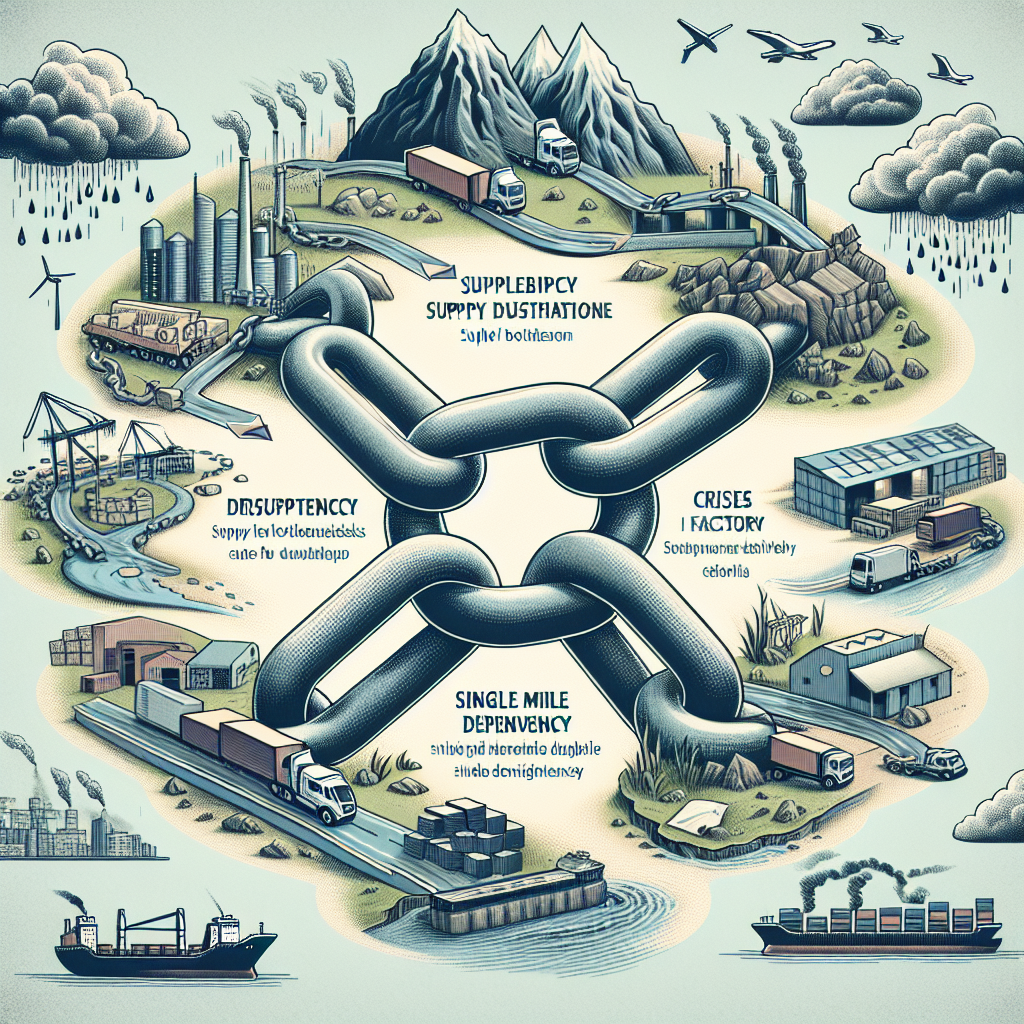
Think of it like this: if your tier-one supplier depends on a critical component from a tier-two or tier-three supplier, you need to know about it. A disruption several levels down can ripple through your entire operation, causing delays and headaches you never saw coming.
Benefits of Multi-Tier Tracking
When you implement multi-tier supplier visibility, you gain the ability to identify potential risks before they become problems. Maybe there’s a weather event affecting a region where several of your sub-suppliers operate, or perhaps there’s a labor dispute at a port that will impact shipments. With deep visibility, you can start planning alternatives immediately rather than scrambling when products don’t arrive.
This comprehensive view also helps you ensure compliance and quality standards throughout your supply chain. You’re not just trusting that your direct suppliers are meeting requirements—you can verify that everyone in the chain maintains the standards your business demands.
Real-Time IoT Inventory Tracking: Your Digital Eyes Everywhere
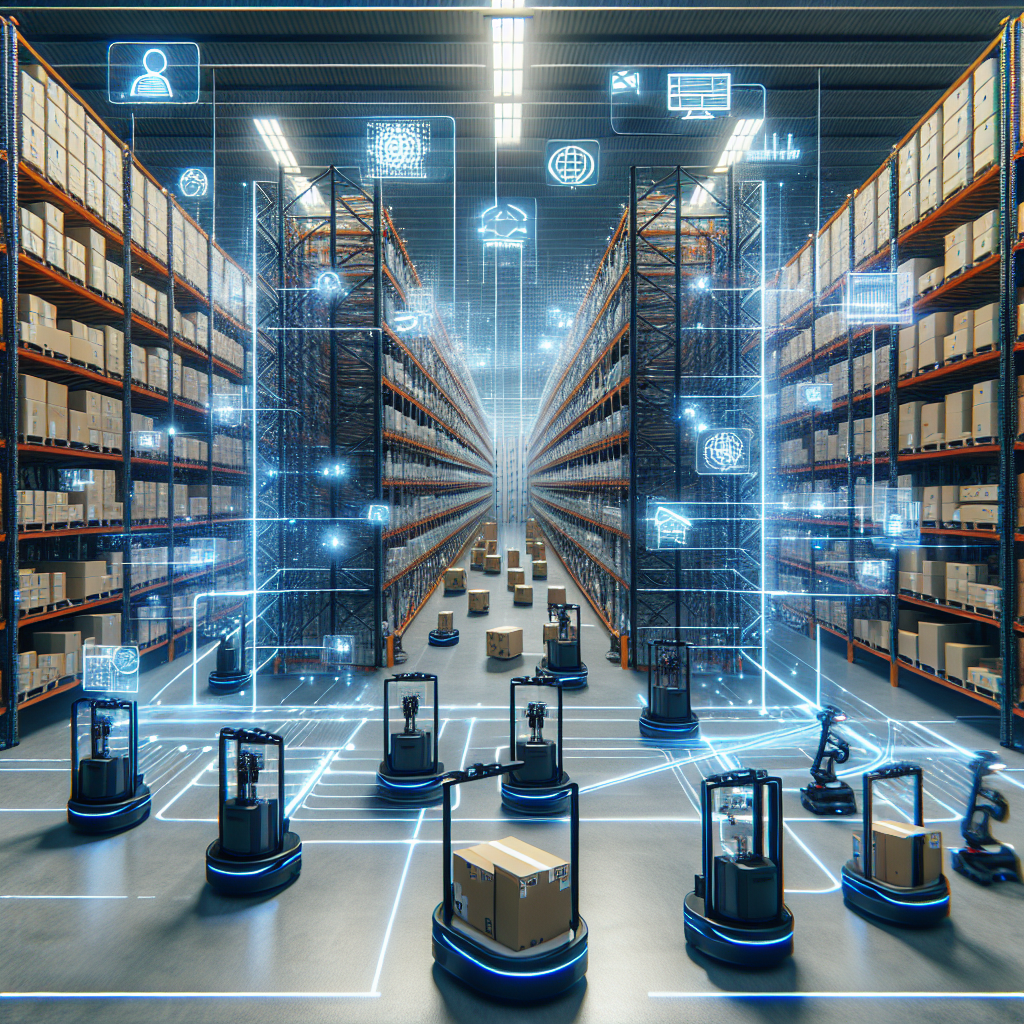
Imagine being able to check the exact location, temperature, and condition of your inventory at any moment, from anywhere in the world. That’s the magic of real-time IoT inventory tracking. Internet of Things devices have revolutionized how we monitor goods throughout the supply chain journey.
Smart sensors attached to shipments can transmit data continuously, giving you live updates on location, environmental conditions, and handling quality. For businesses dealing with sensitive products like pharmaceuticals, fresh food, or electronics, this technology is a game-changer.
Practical Applications of IoT Monitoring
Let’s get practical about how IoT monitoring works in real-world scenarios. Temperature-sensitive shipments can trigger automatic alerts if they move outside safe ranges, allowing you to intervene before products are compromised. GPS trackers show you exactly where shipments are and can predict arrival times with remarkable accuracy.
The beauty of real-time IoT inventory tracking is that it creates a continuous feedback loop. You’re not waiting for weekly reports or manual updates—you have a living, breathing view of your inventory status that updates constantly. This means faster responses to issues and better decision-making across the board.
End-to-End Visibility Platforms: Bringing It All Together
Having all this data is wonderful, but only if you can actually use it effectively. That’s where end-to-end visibility platforms come in. These comprehensive systems integrate information from all your suppliers, carriers, warehouses, and monitoring devices into a single, unified view.
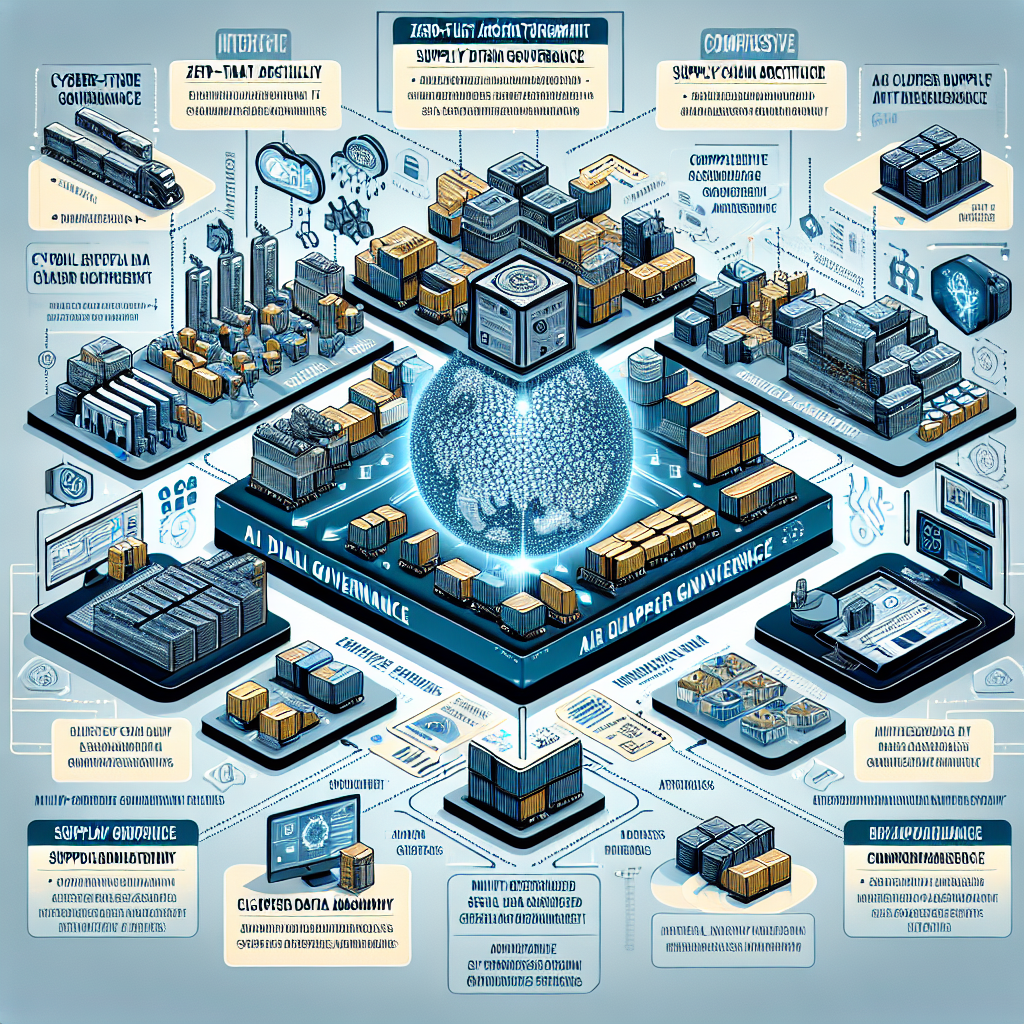
Modern end-to-end visibility platforms act as your supply chain command center. They aggregate data from multiple sources, apply analytics and artificial intelligence, and present actionable insights in user-friendly dashboards. No more switching between a dozen different systems or trying to piece together spreadsheets from various departments.
Key Features to Look For
When evaluating end-to-end visibility platforms, look for solutions that offer seamless integration with your existing systems. The platform should connect with your ERP, transportation management systems, warehouse management software, and IoT devices without requiring you to rebuild your entire technology stack.
The best platforms also provide customizable alerts and notifications, so you only hear about issues that matter to your role and responsibilities. They should offer both high-level dashboards for executives and detailed drill-down capabilities for operations teams who need to dig into specific problems.
The Power of Demand Forecasting
All the visibility in the world is even more valuable when you can use it to predict what’s coming next. That’s where demand forecasting enters the picture. By analyzing historical data, market trends, and real-time signals, modern forecasting tools help you anticipate customer needs with impressive accuracy.
When you combine comprehensive supply chain visibility with advanced demand forecasting, you create a powerful synergy. You’re not just reacting to what’s happening now—you’re preparing for what’s likely to happen next week, next month, or next quarter.
From Reactive to Proactive
Demand forecasting transforms your supply chain from a reactive system into a proactive operation. Instead of waiting for orders to come in and then scrambling to fulfill them, you can position inventory strategically, schedule production runs efficiently, and ensure suppliers are ready for upcoming needs.
The combination of real-time visibility and predictive analytics also helps you optimize inventory levels. You can maintain just enough stock to meet anticipated demand without tying up excessive capital in inventory sitting in warehouses.
Making the Journey to Complete Visibility
Achieving complete supply chain visibility doesn’t happen overnight, and that’s okay. Start by identifying your biggest pain points and blind spots. Where are you most often surprised by disruptions? Which parts of your supply chain cause the most headaches?
Begin with foundational elements like establishing clear visibility into your tier-one suppliers and implementing basic tracking for critical shipments. As you build confidence and demonstrate value, you can expand to multi-tier supplier visibility and add more sophisticated IoT monitoring capabilities.
Building the Business Case
When presenting visibility initiatives to stakeholders, focus on concrete benefits: reduced stockouts, lower expediting costs, improved customer satisfaction, and better working capital management. Calculate the cost of disruptions you’ve experienced and show how visibility tools could have prevented or minimized those impacts.
Remember that implementing these systems is an investment in resilience. In an era of increasing supply chain disruptions, the companies that thrive are those that can see problems coming and adapt quickly.
The Future Is Visible
The technology enabling supply chain visibility continues to evolve rapidly. Artificial intelligence and machine learning are making predictions more accurate, blockchain is enhancing transparency and trust, and 5G networks are enabling even faster real-time data transmission.
The businesses that embrace these tools now are positioning themselves for success in an increasingly complex global marketplace. Complete supply chain visibility isn’t just about avoiding problems—it’s about unlocking new opportunities for efficiency, customer service, and competitive advantage.
Whether you’re just starting your visibility journey or looking to enhance existing capabilities, the path forward is clear: integrate your data, embrace real-time monitoring, extend your vision across multiple supplier tiers, and use insights to forecast and plan proactively. Your supply chain—and your customers—will thank you for it.