

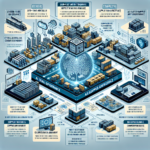





Learn how to manage supply chain disruption, reduce vulnerability, and build lasting resilience to protect your business from costly supply chain crises.
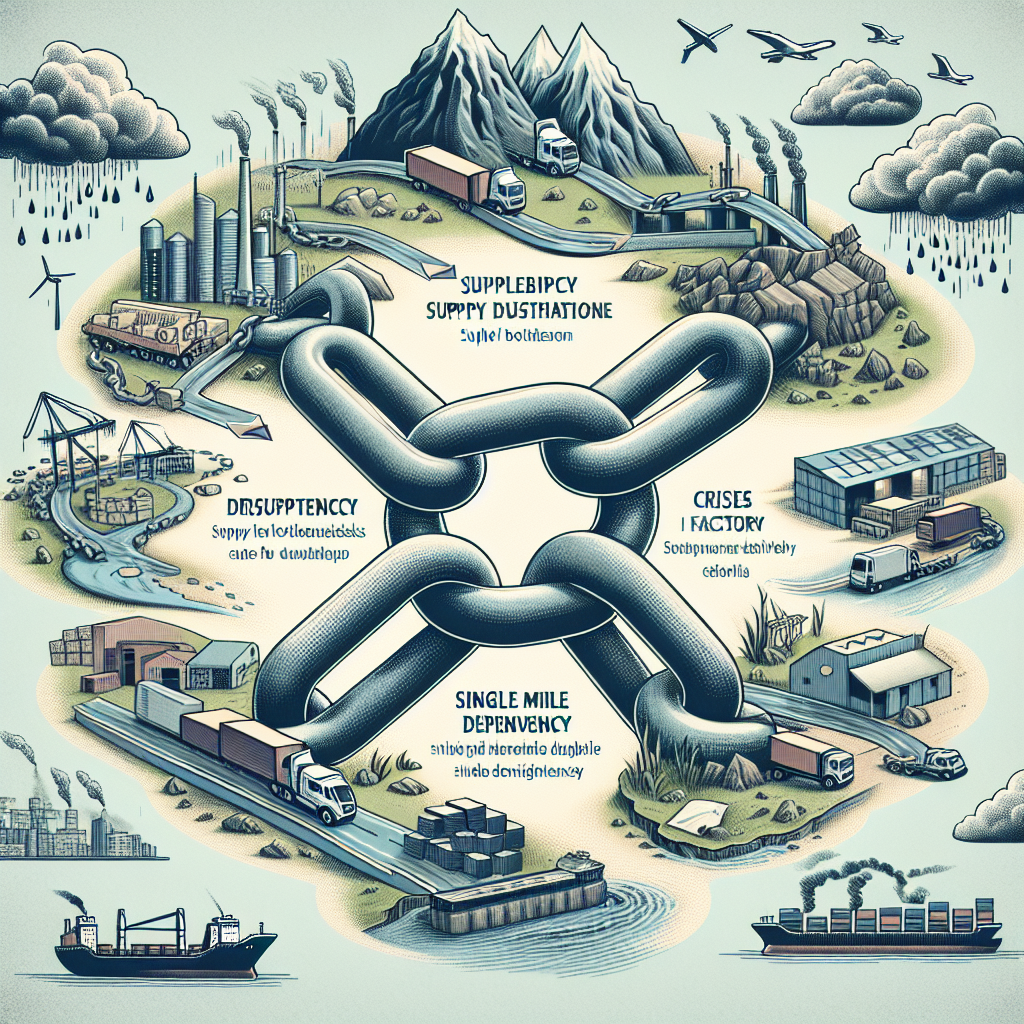
Supply chain disruption has become one of the most pressing threats facing businesses of all sizes. From raw material shortages and supplier failures to port congestion and last mile delivery problems, the modern supply chain is under constant pressure. Understanding how to identify vulnerabilities and build resilience is no longer optional — it is a strategic imperative.
Understanding Supply Chain Vulnerability and Fragility
Supply chain vulnerability stems from an over-reliance on interconnected systems that lack redundancy. When a single node fails — whether due to a natural disaster, geopolitical conflict, or supplier insolvency — the ripple effects can halt production, delay shipments, and erode customer trust.
Supply chain fragility is often invisible until a crisis strikes. The COVID-19 pandemic exposed how deeply embedded these weaknesses are across global industries. According to a McKinsey Global Institute report, companies can expect supply chain disruptions lasting a month or more to occur every 3.7 years on average, with severe disruptions causing losses equivalent to nearly 45% of one year’s profits over a decade.
Single source dependency is one of the most dangerous forms of supply chain fragility. When a business relies on one supplier for a critical component or material, it eliminates any buffer against disruption, turning a manageable supplier failure into a full-scale supply chain crisis.
Key Points
- Supply chain fragility often goes undetected until a disruptive event occurs.
- Single source dependency amplifies the impact of any supplier failure.
- Historical data shows major disruptions occur more frequently than most businesses plan for.
Common Causes of Supply Chain Disruption
Supply chain disruptions arise from a wide spectrum of triggers, ranging from predictable operational issues to sudden external shocks. Logistics disruption, freight delays, and port congestion are among the most frequently cited operational causes, particularly in global trade networks. The 2021 congestion at the Port of Los Angeles — where over 100 container ships sat waiting at anchor — illustrated how transportation bottlenecks can paralyze entire industries for weeks.
Raw material shortages represent another major category of supply chain shock. The global semiconductor shortage that began in 2020 forced major automakers, including Ford and General Motors, to idle production lines and cut annual output by millions of vehicles, resulting in billions of dollars in lost revenue. This event underscored how a shortage in one specialized input can cascade across multiple sectors simultaneously.
Cold chain disruption and last mile delivery problems introduce additional layers of complexity, especially for businesses in food, pharmaceuticals, and e-commerce. Temperature-sensitive goods spoiled during transit delays, and overburdened final-mile networks struggled to meet consumer delivery expectations, highlighting the need for robust contingency planning at every stage of the supply chain.
Key Points
- Port congestion and transportation bottlenecks can stall global trade for extended periods.
- Raw material shortages in one sector frequently create cross-industry supply chain crises.
- Cold chain disruption and last mile delivery problems demand specialized resilience strategies.
Building Supply Chain Resilience Through Risk Management
Effective supply chain risk management begins with a comprehensive mapping of your entire supply network, including Tier 2 and Tier 3 suppliers. Many businesses are shocked to discover they have hidden single source dependencies several layers deep in their supply chain — risks that only become apparent when a supply chain bottleneck forces the issue. Tools like supply chain digital twins and risk analytics platforms can help organizations model disruption scenarios before they occur.
Diversifying your supplier base is one of the most effective strategies for building supply chain resilience. By qualifying multiple suppliers across different geographic regions, businesses reduce their exposure to region-specific supply chain shocks such as natural disasters, trade restrictions, or political instability. Leading companies like Apple have been actively diversifying manufacturing away from single-country dependency, investing in production facilities across Vietnam, India, and other markets to buffer against future disruptions.
Building strategic inventory buffers — often called safety stock — is another proven method of strengthening resilience. While leaner just-in-time models improve efficiency, they increase supply chain vulnerability during periods of supply shortage. Balancing lean practices with calculated inventory reserves can dramatically reduce a business’s exposure to supply chain disruptions without sacrificing operational efficiency.
Key Points
- Comprehensive supply chain mapping reveals hidden vulnerabilities at Tier 2 and Tier 3 levels.
- Geographic supplier diversification reduces exposure to regional supply chain shocks.
- Strategic safety stock helps buffer against supply shortages without abandoning lean principles.
Technology and Collaboration as Resilience Enablers
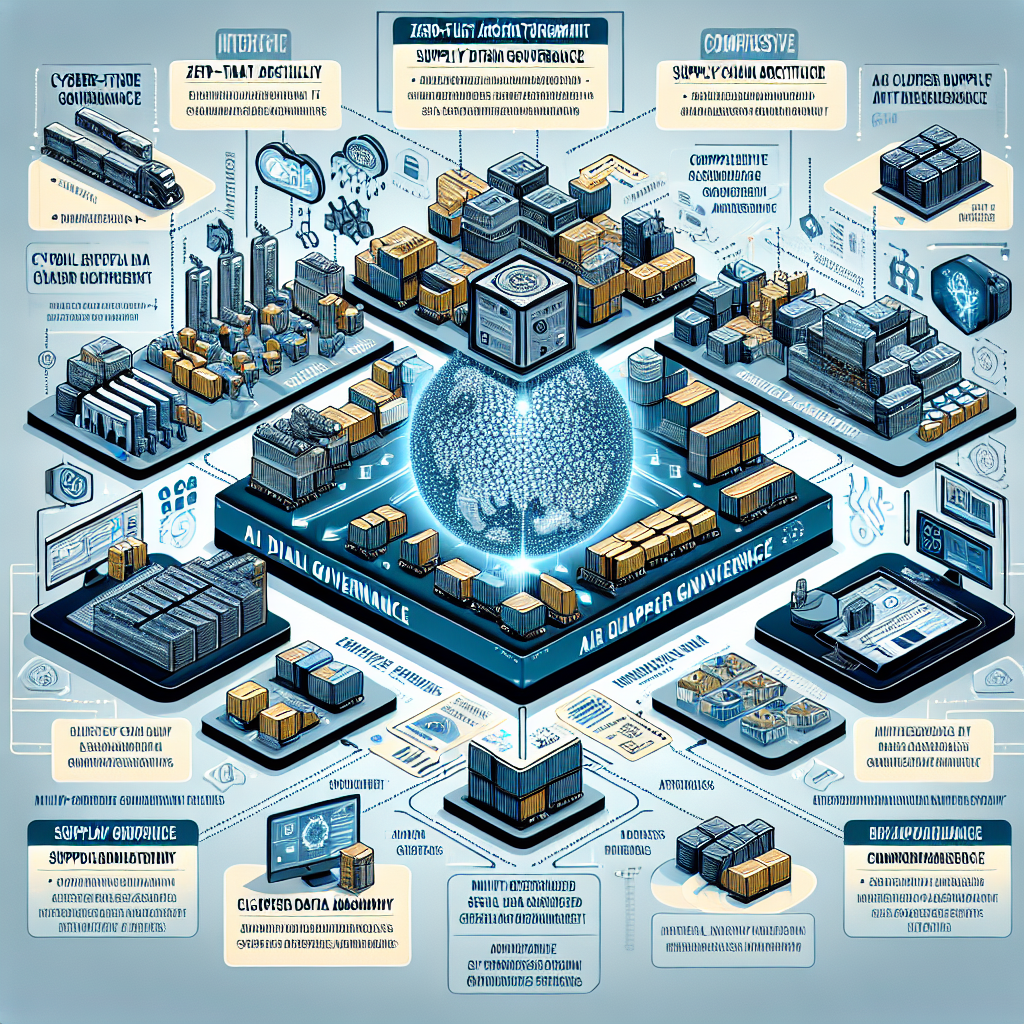
Advanced technology is transforming the way businesses approach supply chain risk management. Real-time visibility platforms, AI-driven demand forecasting, and blockchain-based traceability tools allow companies to detect early warning signs of supply chain bottlenecks before they escalate into full disruptions. According to Gartner, by 2026, over 75% of large organizations will have adopted some form of intra- and inter-enterprise supply chain resilience solution.
Collaborative relationships with key suppliers are equally important. Businesses that invest in supplier development, share demand forecasts transparently, and establish joint contingency planning are far better positioned to weather logistics disruptions and freight delays. Trust-based supplier partnerships create informal priority access during periods of scarcity — an invaluable advantage during a supply chain crisis.
Key Points
- Real-time visibility and AI tools enable early detection of supply chain bottlenecks.
- Collaborative supplier relationships provide competitive advantages during disruptions.
Key Takeaways
- Supply chain disruption is a recurring risk — build proactive resilience strategies rather than reactive ones.
- Eliminate single source dependency by diversifying suppliers across multiple geographies.
- Use technology and data analytics to gain real-time visibility and predict supply chain shocks early.
- Maintain strategic inventory buffers to guard against raw material shortages and supply shortages.
Foster collaborative supplier partnerships to improve priority access and joint crisis response.
Building supply chain resilience is an ongoing process, not a one-time project. The businesses that invest in robust supply chain risk management today will be best positioned to navigate tomorrow’s inevitable disruptions.
For more expert guidance on sourcing strategies, supplier management, and protecting your business from supply chain vulnerability, explore related resources at BestInSupplies.com — your trusted source for supply chain insights, product sourcing solutions, and business continuity strategies.