







Discover how AI governance in supply chain, zero-trust architecture, and data compliance frameworks build resilient, secure, and future-ready logistics networks.
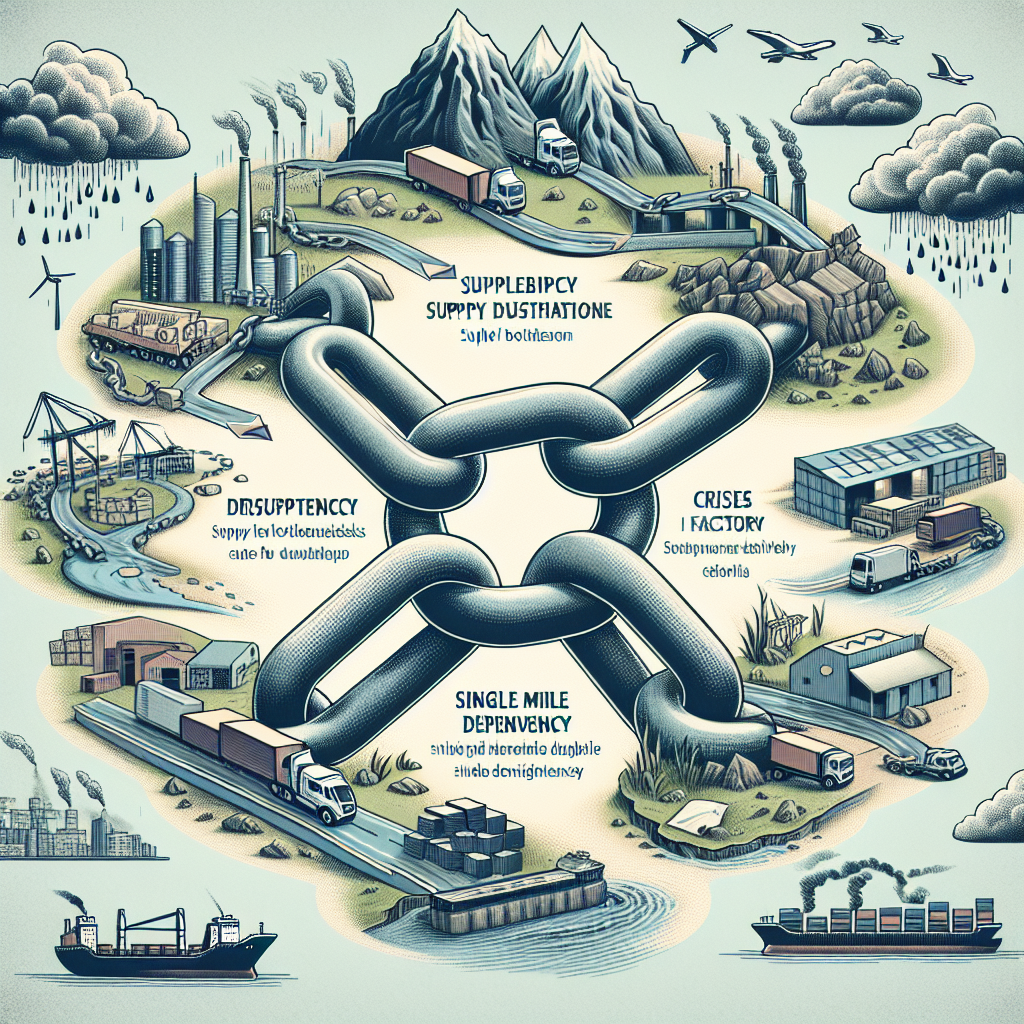
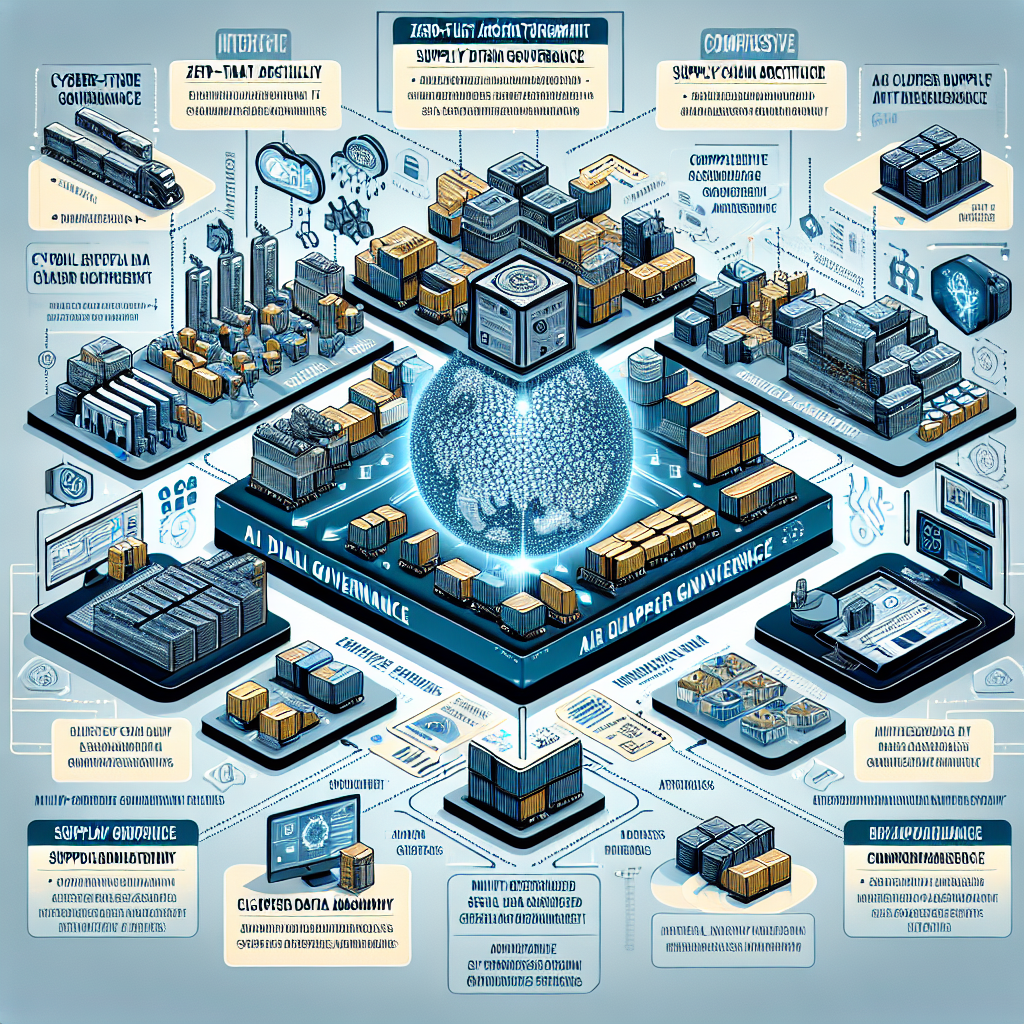
Modern supply chains operate across dozens of jurisdictions, thousands of suppliers, and countless data touchpoints. Without a robust governance framework, even the most sophisticated logistics networks remain vulnerable to disruption, data breaches, and regulatory penalties. This guide explores how enterprise supply chain architecture, AI governance, and zero-trust security principles work together to create truly resilient operations.
Why AI Governance in Supply Chain Is No Longer Optional
AI is rapidly transforming demand forecasting, supplier risk scoring, and logistics optimization. However, ungoverned AI systems introduce significant risks, including biased decision-making, opaque outputs, and non-compliance with emerging regulations such as the EU AI Act.
Effective AI governance in supply chain requires clearly defined accountability structures, model documentation, and continuous monitoring. According to Gartner, by 2026, organizations that fail to implement AI governance will face twice the number of AI-related compliance incidents compared to governed counterparts.
- A practical governance framework should include model inventories, explainability standards, and audit trails that connect AI-driven decisions back to underlying data sources, enabling full supply chain auditability.
- Define clear AI ownership and accountability across business and IT teams.
- Require explainability documentation for all AI models influencing procurement or logistics decisions.
- Establish continuous monitoring protocols to detect model drift or biased outputs.
Zero-Trust Supply Chain Architecture: Security by Design
Traditional perimeter-based security is wholly inadequate for today’s multi-enterprise supply chain networks, where data flows between manufacturers, carriers, third-party logistics providers, and customs authorities simultaneously.
Zero-trust supply chain architecture operates on the principle of “never trust, always verify,” requiring continuous authentication and authorization for every user, device, and application attempting to access supply chain systems. The 2021 SolarWinds attack demonstrated precisely how trusted third-party software access can become a catastrophic vulnerability in interconnected enterprise networks, underscoring the urgent need for zero-trust adoption in logistics ecosystems.
Implementing supply chain identity and access management (IAM) is central to zero-trust design. Role-based access controls, multi-factor authentication, and privileged access management ensure that only verified identities interact with sensitive supply chain data at any given moment.
- Deploy microsegmentation to isolate supplier access to only the systems they require.
- Enforce multi-factor authentication across all supplier portals and API integrations.
- Continuously log and review access events to support audit and compliance requirements.
Supply Chain Data Governance and Master Data Management
Inconsistent, duplicate, or inaccurate data across supplier records, product catalogs, and logistics systems is one of the most persistent and costly challenges in global supply chains. Supply chain data governance provides the policies, standards, and processes to ensure data is accurate, consistent, and trusted enterprise-wide.
Master data management in supply chain (MDM) creates a single, authoritative record for critical entities such as suppliers, products, locations, and contracts. Companies like Procter & Gamble have publicly credited robust MDM programs with reducing supply chain data errors by over 30%, directly improving procurement efficiency and reducing costly order discrepancies. Effective MDM is inseparable from supply chain data standardization, which ensures that data formats, taxonomies, and identifiers are consistent across all internal and external systems.
Data lineage in supply chain systems adds another critical layer, enabling organizations to trace the origin, transformation, and movement of data across every touchpoint. This capability is increasingly required for regulatory compliance in global supply chains, including GDPR, DSCSA for pharmaceuticals, and emerging ESG reporting mandates.
- Implement a centralized MDM platform to eliminate duplicate and conflicting supplier records.
- Establish data lineage tracking to support regulatory audits and traceability requirements.
- Standardize data taxonomies across all trading partner systems to reduce integration friction.
Building a Supply Chain Compliance Framework for Global Operations
Operating across multiple countries means navigating an increasingly complex patchwork of trade regulations, data privacy laws, environmental standards, and customs requirements. A well-designed supply chain compliance framework provides a structured approach to identifying, managing, and documenting regulatory obligations across all markets.
Risk governance frameworks in logistics must address both operational risks, such as supplier financial instability or geopolitical disruption, and digital risks, including cyberattacks, data breaches, and software vulnerabilities. The ISO 28000 Supply Chain Security Management Standard offers a globally recognized framework that organizations can adapt to align with their specific risk profiles and regulatory environments.
Supplier data governance is a critical component of any compliance framework, ensuring that third-party partners adhere to the same data quality, security, and privacy standards as internal teams. This includes contractual data handling requirements, periodic supplier audits, and shared compliance dashboards that provide real-time visibility into supplier compliance posture.
- Map all applicable regulatory requirements across every country of operation.
- Extend compliance obligations contractually to all Tier 1 and Tier 2 suppliers.
- Deploy shared compliance dashboards to monitor supplier adherence in real time.
API-Driven Integration and Cloud Architecture for Interoperability
Modern digital supply chain architecture depends on seamless data exchange between heterogeneous systems, including ERP platforms, warehouse management systems, transportation management systems, and supplier portals. API-driven supply chain integration enables real-time, standardized communication between these systems without costly point-to-point integrations.
Cloud supply chain architecture further accelerates interoperability by providing scalable, accessible infrastructure that supports multi-enterprise collaboration. Leading platforms such as SAP Business Network and Blue Yonder demonstrate how cloud-native supply chain platforms can connect thousands of trading partners through standardized APIs, dramatically reducing onboarding time and integration costs.
Interoperability in supply chain systems is not solely a technical challenge; it also requires agreed-upon data standards, governance protocols, and clear rules for secure data sharing in supply chain environments. Organizations that invest in API management platforms and data exchange standards such as GS1 significantly reduce both integration complexity and compliance risk.
- Standardize on open APIs and recognized data exchange standards such as GS1 or EDI X12.
- Leverage cloud-native integration platforms to accelerate multi-enterprise connectivity.
- Govern API access using centralized API gateways with built-in security and monitoring.