






Red Sea shipping disruptions and Strait of Hormuz tensions are reshaping global logistics. Learn how supply chain leaders are managing geopolitical risk now.
Red Sea shipping disruptions have moved from regional concern to global crisis in 2024, forcing supply chain leaders to rethink decades-old routing strategies overnight. With Houthi attacks targeting commercial vessels and escalating Strait of Hormuz maritime security tensions, the world’s two most critical maritime chokepoints are under simultaneous pressure. The result is a cascading effect on shipping costs, delivery timelines, and trade reliability that demands immediate, strategic attention.
Key Points
- Both the Red Sea and Strait of Hormuz are under active geopolitical stress in 2024.
- Supply chain leaders face compounding risks from simultaneous chokepoint disruptions.
- Strategic rerouting and real-time data are now essential operational priorities.
The Scope of Red Sea Shipping Disruptions
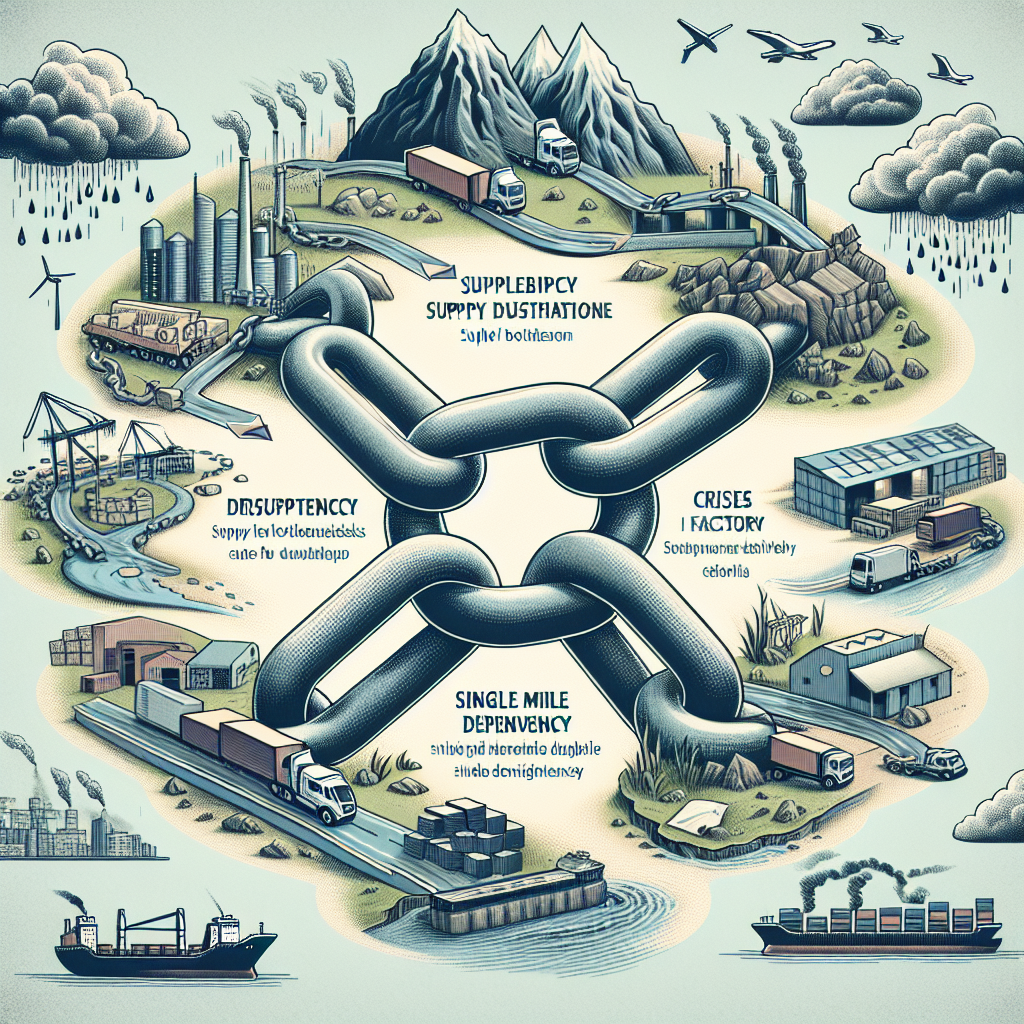
Since late 2023, Houthi militia attacks on commercial shipping in the Red Sea have caused a dramatic decline in traffic through the Suez Canal, one of the world’s busiest trade corridors. According to the International Monetary Fund, container ship transits through the Suez Canal fell by approximately 50% in early 2024 compared to the same period in 2023. Major carriers including Maersk, MSC, and CMA CGM rerouted vessels around the Cape of Good Hope, adding 10–14 days and thousands of dollars in additional fuel costs per voyage.
The financial impact has been severe and measurable. Spot freight rates on Asia-to-Europe lanes surged by over 200% between December 2023 and February 2024, according to data from the Freightos Baltic Index. Retailers and manufacturers dependent on just-in-time inventory models were among the hardest hit, scrambling to secure alternative capacity or absorb cost overruns. A thorough tariff impact analysis has become an urgent exercise for procurement teams evaluating total landed costs under new routing realities.
Key Points
- Suez Canal transits dropped roughly 50% in early 2024 due to Houthi attacks.
- Asia-to-Europe spot freight rates rose over 200% within just two months.
- Cape of Good Hope rerouting adds 10–14 days and significant fuel surcharges per voyage.
Strait of Hormuz Maritime Security and the Compounding Risk Factor
While the Red Sea crisis dominates headlines, Strait of Hormuz maritime security remains an equally critical — and often underestimated — vulnerability in global supply chains. Approximately 21 million barrels of oil pass through the Strait of Hormuz daily, representing nearly 20% of global petroleum liquids trade, according to the U.S. Energy Information Administration. Any meaningful disruption to this corridor would trigger immediate energy price shocks with downstream effects on manufacturing, transportation, and consumer goods pricing worldwide.
Iran’s periodic threats to close the strait, combined with ongoing naval confrontations in the Persian Gulf, have kept insurers and shipping companies on high alert throughout 2024. War risk insurance premiums for vessels transiting the region have risen sharply, adding another layer of cost to an already strained system. Supply chain leaders practicing geopolitical risk mitigation in logistics are now building dual-scenario contingency plans that account for simultaneous disruptions across both chokepoints.
Key Points
- Nearly 20% of global petroleum liquids trade flows through the Strait of Hormuz daily.
- War risk insurance premiums for Gulf transits have risen significantly in 2024.
- Dual-chokepoint contingency planning is now a best practice for risk-mature organizations.
Geopolitical Risk Mitigation in Logistics: How Leaders Are Responding
Forward-thinking supply chain organizations are investing in geopolitical risk mitigation in logistics by diversifying carrier relationships, building strategic inventory buffers, and accelerating modal diversification. Companies like Toyota and Samsung have publicly acknowledged adjusting safety stock levels and qualifying additional suppliers outside traditional single-source models to reduce exposure. These structural changes reflect a broader industry shift away from pure efficiency optimization toward resilience-first supply chain design.
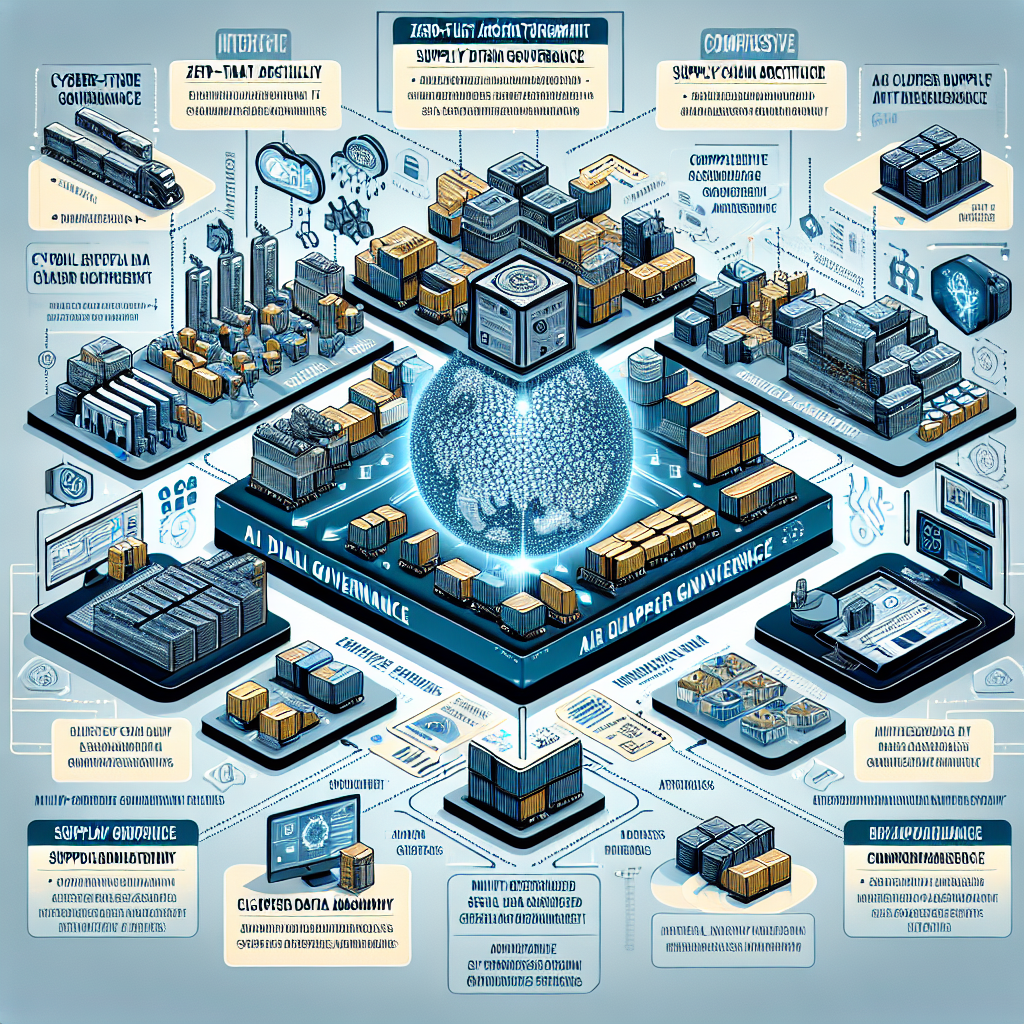
Technology adoption is also accelerating as a risk management tool. Real-time chokepoint tracking platforms now allow logistics teams to monitor vessel movements, threat alerts, and insurance advisories in a single dashboard, enabling faster rerouting decisions and carrier negotiations. Solutions integrating AIS (Automatic Identification System) data with geopolitical intelligence feeds are being deployed by tier-one shippers to reduce reaction times from days to hours. For a deeper look at tools supporting supply chain resilience, explore resources available at BestInSupplies.com.
Key Points
- Leading companies are rebuilding safety stock and diversifying supplier bases for resilience.
- Real-time chokepoint tracking reduces rerouting decision cycles from days to hours.
- Resilience-first design is replacing pure efficiency optimization as the dominant supply chain model.
Tariff Impact Analysis: Recalculating Total Landed Costs
Beyond routing disruptions, organizations must conduct ongoing tariff impact analysis to accurately project total landed costs in this volatile environment. Cape of Good Hope rerouting, combined with elevated fuel surcharges and increased war risk insurance premiums, can add between $2,000 and $4,000 per container to Asia-Europe trade lanes depending on vessel type and cargo class. When these costs intersect with existing tariff regimes — particularly U.S.-China trade tariffs still in effect from prior trade disputes — margin erosion for importers and exporters can be severe.
Procurement leaders are responding by renegotiating supplier contracts to include dynamic cost-adjustment clauses tied to freight index benchmarks such as the Shanghai Containerized Freight Index (SCFI) or the Freightos Baltic Index. This approach shifts cost volatility risk from a fixed liability to a shared, formula-based model, providing greater financial predictability. Organizations that have not yet updated their total cost of ownership models to reflect current geopolitical realities risk significant budget variances heading into Q3 and Q4 of 2024.
Key Points
- Cape rerouting can add $2,000–$4,000 per container on Asia-Europe lanes.
- Dynamic freight index-linked contract clauses are gaining adoption among procurement teams.
- Outdated total cost models create serious budget risk for organizations not yet recalibrated.