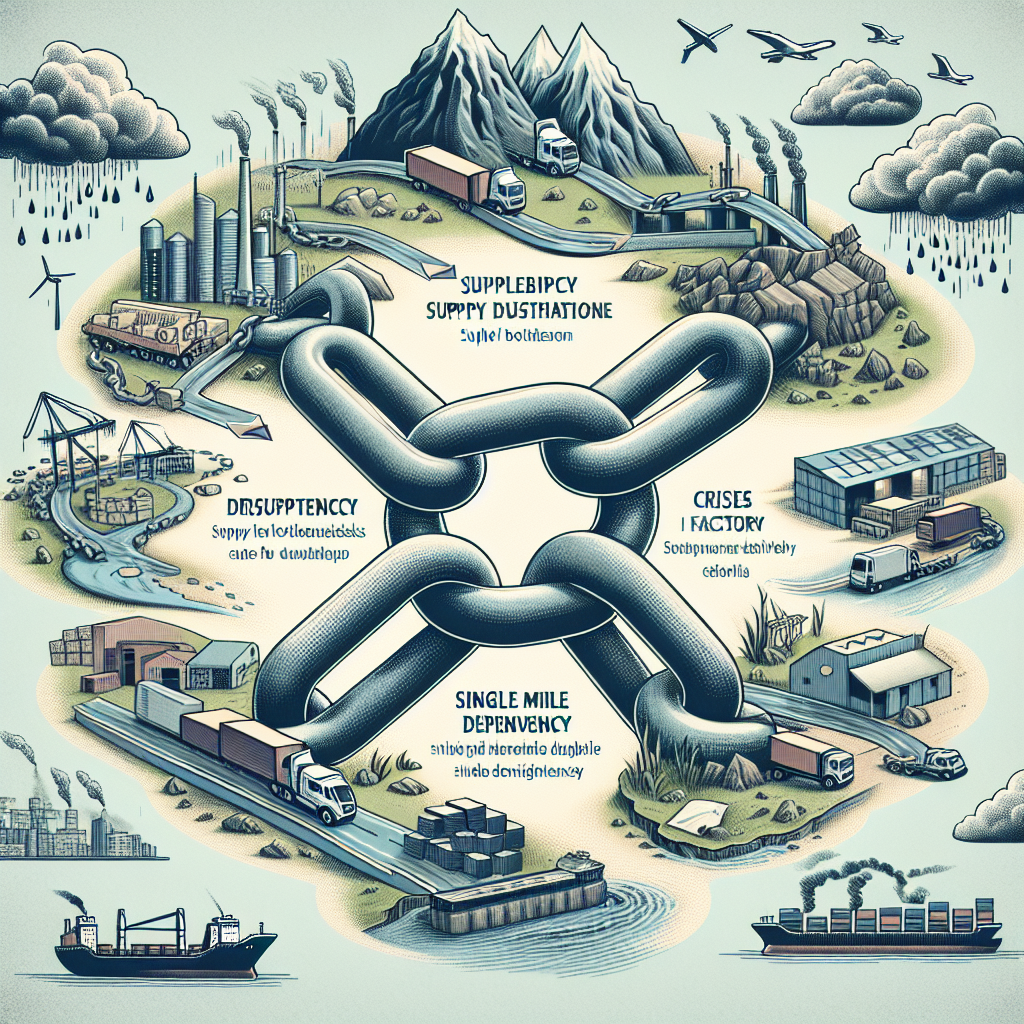







Supply chain disruption has moved from a background business risk to a front-page crisis in recent years. From pandemic-era factory shutdowns to geopolitical conflicts blocking critical trade routes, companies of every size have learned that supply chain fragility can threaten their entire operation overnight. Understanding where your vulnerabilities lie — and building genuine supply chain resilience — is no longer optional; it is a core business strategy.
Understanding Supply Chain Vulnerability and Why It Matters
A supply chain vulnerability is any weak point that, when stressed, can cascade into broader operational failure. These weaknesses often hide in plain sight: a single source dependency on one overseas manufacturer, a logistics partner with no backup capacity, or an inventory model so lean that even minor freight delays cause stockouts.
According to a 2023 report by the McKinsey Global Institute, companies can expect supply chain shocks severe enough to cause significant financial losses once every 3.7 years on average. Yet most organizations only begin mapping their supply chain risk management frameworks after a crisis has already struck.
Key Points
● Single source dependency is one of the most common and dangerous supply chain vulnerabilities.
● Supply chain fragility is often invisible until a disruption reveals it.
● Proactive risk mapping is far less costly than reactive crisis management.
Common Causes of Supply Chain Disruption
Supply chain disruption rarely has a single cause. More often, it results from compounding factors: a raw material shortage triggers a production delay, which backs up freight, which leads to port congestion, which ultimately causes last mile delivery problems for end customers. The 2021 global semiconductor shortage is a clear example — a raw material and manufacturing bottleneck that rippled across automotive, electronics, and medical device industries simultaneously, costing the global economy an estimated $500 billion in lost revenue.
Logistics disruption is another significant driver. The 2021 Suez Canal blockage caused by the Ever Given container ship halted approximately $9.6 billion worth of goods per day, demonstrating how a single transportation bottleneck can paralyze global trade. Similarly, recurring port congestion at major U.S. hubs like Los Angeles and Long Beach has repeatedly slowed imports, exposing how dependent many businesses are on narrow freight corridors.
Key Points
● Supply chain bottlenecks are frequently triggered by compounding events, not isolated incidents.
● Port congestion and transportation bottlenecks can affect industries far removed from the original disruption point.
● Supplier failure in one tier can quickly destabilize entire downstream supply networks.
Identifying Supply Chain Bottlenecks Before They Become Crises
Effective supply chain risk management begins with a thorough audit of every node in your network — from raw material sourcing through final delivery. Businesses should ask: where is there single source dependency? Which suppliers operate in geopolitically unstable regions? Where are the longest lead times, and what happens if those routes experience logistics disruption?
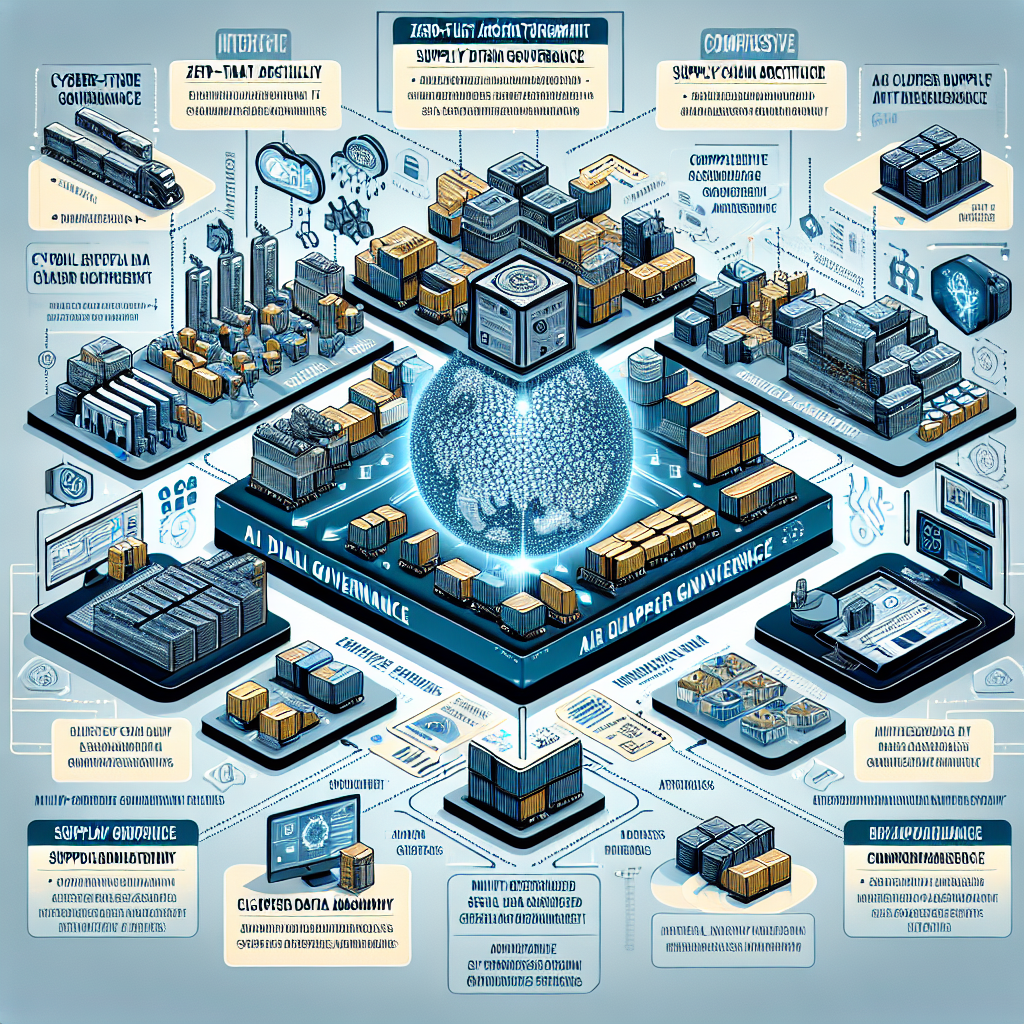
Digital tools are increasingly essential here. Platforms that offer real-time supply chain visibility can flag early warning signs such as unusual freight delays, supplier financial stress, or emerging port congestion before they escalate into a full supply chain crisis. Companies like Toyota, which famously maps its supply chain several tiers deep, have used this visibility to reduce their exposure to supply shortage events compared to competitors with less transparent networks.
Key Points
● Multi-tier supply chain mapping is critical to identifying hidden supply chain vulnerabilities.
● Real-time monitoring tools can detect early signals of supply chain shock before they escalate.
● Lead time analysis helps prioritize which bottlenecks carry the highest risk.
Cold Chain and Last Mile: Often Overlooked Vulnerabilities
While most supply chain conversations focus on raw materials and manufacturing, cold chain disruption and last mile delivery problems represent significant and often underestimated risks. For industries such as pharmaceuticals, fresh food, and biotech, a cold chain disruption — whether from equipment failure, power outages, or temperature excursions during transit — can render entire shipments unsalvageable and create immediate supply shortage conditions.
Last mile delivery problems are particularly acute in e-commerce and healthcare. According to Gartner, last mile logistics can account for up to 53% of total shipping costs, and disruptions at this stage have an outsized impact on customer experience and brand trust. Investing in redundant last mile partners and localized fulfillment centers is increasingly seen as a core component of supply chain resilience.
Key Points
● Cold chain disruption can cause total product loss, making it a critical vulnerability in regulated industries.
● Last mile delivery problems disproportionately affect customer satisfaction and retention.
● Redundant delivery networks reduce the risk of localized logistics disruption becoming a broader supply chain crisis.
Building Lasting Supply Chain Resilience
True supply chain resilience is not simply about stockpiling inventory — it is about building adaptive, flexible networks that can absorb and recover from supply chain shock without catastrophic loss. This means diversifying suppliers across geographies, establishing dual or multi-source agreements, and developing contractual protections that require suppliers to maintain business continuity plans.
Organizations leading in resilience also invest in collaborative relationships with their suppliers, sharing forecasts and risk data openly. When suppliers understand your demand patterns and you understand their constraints, both parties can respond more quickly when a supply chain crisis emerges. For procurement leaders looking to strengthen their sourcing strategies, BestInSupplies.com offers curated resources on supplier evaluation, procurement best practices, and supply chain risk management frameworks tailored for modern businesses.
Key Points
● Supplier diversification across geographies is the most direct countermeasure to single source dependency.
● Collaborative supplier relationships accelerate response times during a supply chain crisis.
● Business continuity planning at the supplier level is a non-negotiable component of supply chain resilience.
Key Takeaways
Supply chain disruption is an inevitable reality for businesses operating in a globalized economy, but its impact is not inevitable. By identifying supply chain vulnerabilities early, monitoring for signs of supply chain bottlenecks and logistics disruption, and building diversified, collaborative supplier networks, organizations can transform their supply chain fragility into genuine competitive strength.
● Map your supply chain multiple tiers deep to uncover hidden vulnerabilities and single source dependencies.
● Use real-time visibility tools to detect early warning signs of supply shortage, freight delays, and port congestion.
● Address cold chain disruption and last mile delivery problems as strategic priorities, not afterthoughts.
● Diversify suppliers geographically to reduce exposure to regional supply chain shock and raw material shortage events.
● Invest in supplier relationships and shared risk data to accelerate recovery when a supply chain crisis occurs.
For more expert guidance on sourcing strategies, supplier evaluation, and supply chain risk management, visit BestInSupplies.com to explore our full library of procurement and supply chain resources.