

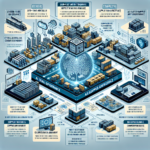





Supply chain disruption has become one of the most pressing challenges facing businesses across every industry. From sudden raw material shortages to cascading logistics disruption, the vulnerabilities embedded in modern supply networks can surface without warning and escalate quickly into a full-scale supply chain crisis. Understanding where these weaknesses exist and how to address them is no longer optional — it is a strategic imperative for any organization serious about long-term operational stability.
Understanding Supply Chain Vulnerability and Fragility
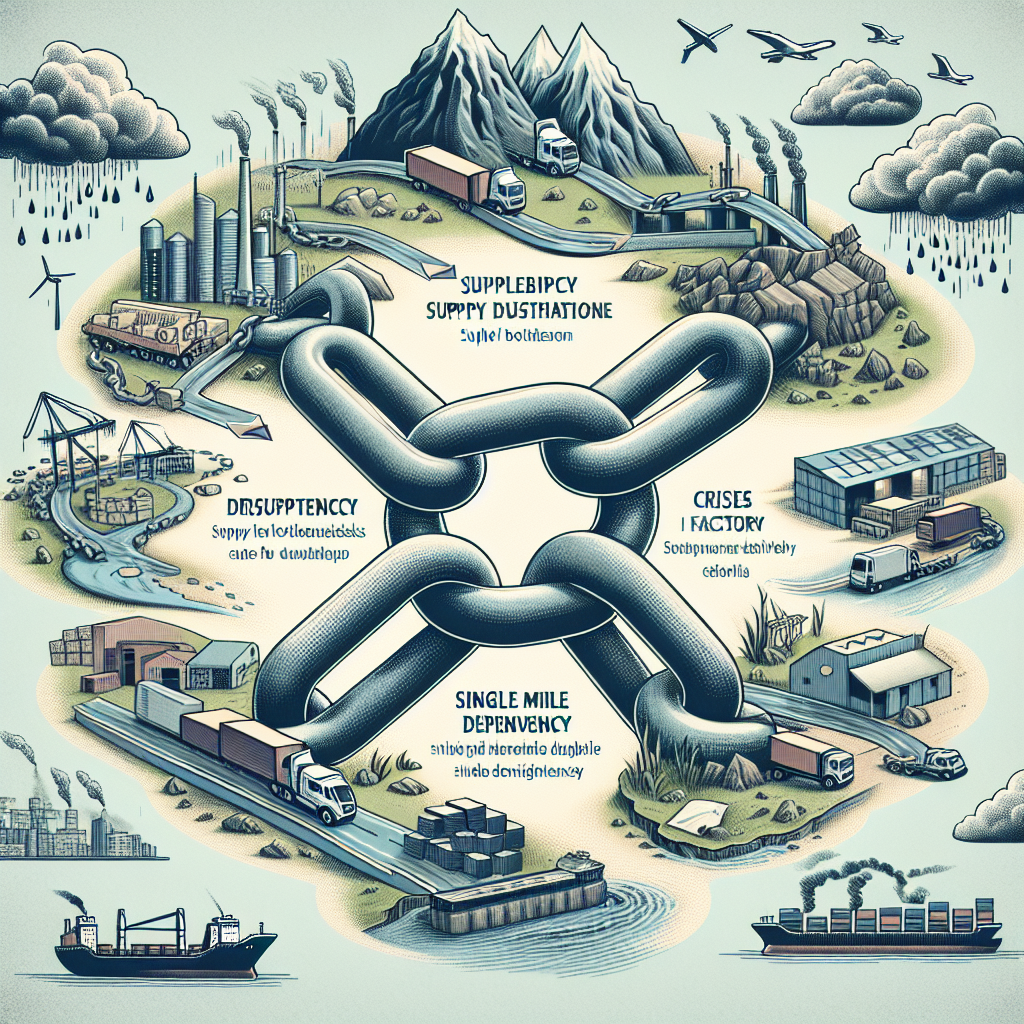
Supply chain vulnerability refers to the exposure a business has to internal or external shocks that interrupt the flow of goods, materials, or information. Supply chain fragility is closely related, describing how easily a network can break down when faced with unexpected stress. Together, these two factors determine how well your organization can withstand and recover from disruptions before they affect customers or revenue.
A striking example of systemic fragility occurred during the COVID-19 pandemic, when global supply chains collectively lost an estimated $4 trillion in revenue due to interconnected failures across manufacturing, logistics, and distribution networks. Single source dependency — relying on one supplier for a critical input — proved to be a catastrophic vulnerability for thousands of companies. Businesses that had mapped their supply chain exposure in advance were significantly better positioned to pivot and recover faster.
Key Points
● Supply chain vulnerability and fragility are distinct but interconnected risk factors
● Single source dependency dramatically amplifies exposure to supplier failure
● Proactive risk mapping is the first step toward identifying structural weaknesses
Common Causes of Supply Chain Disruption
Supply chain disruption can originate from a wide range of sources, including supplier failure, geopolitical instability, natural disasters, and cyberattacks. Each of these triggers can create a supply chain shock that ripples through multiple tiers of your supplier network, often affecting businesses far removed from the original source of the problem. Understanding the full landscape of potential causes is essential for building a realistic risk profile.
Logistics disruption is one of the most frequent and impactful contributors to supply chain instability. Port congestion during the 2021–2022 global shipping crisis caused freight delays of weeks or even months, with vessels anchored off the coast of Los Angeles and Long Beach for record periods. BestInSupplies.com covers how these transportation bottlenecks forced businesses to rethink carrier diversification and inventory positioning as core components of their resilience strategy.
Raw material shortage represents another major category of supply chain risk, particularly for manufacturers in sectors like semiconductors, pharmaceuticals, and construction. The global chip shortage, which began in 2020, led to production halts at major automakers including Ford and General Motors, costing the automotive industry an estimated $210 billion in lost revenue in 2021 alone. These events underscore how a shortage in one upstream material can create a supply chain bottleneck that cascades across entire industries.
Key Points
● Supplier failure, port congestion, and raw material shortage are leading causes of disruption
● Transportation bottlenecks can delay goods for weeks and destabilize downstream operations
● Multi-tier visibility is critical for identifying indirect exposure to supply chain shocks
Specialized Disruption Risks: Cold Chain and Last Mile Delivery
Certain industries face unique forms of supply chain disruption that require specialized risk management strategies. Cold chain disruption, for example, poses an existential risk to businesses in pharmaceuticals, food and beverage, and biotechnology, where temperature-sensitive products can be rendered unusable by even brief lapses in controlled storage or transportation. A single cold chain failure can result in product loss, regulatory penalties, and severe reputational damage.
Last mile delivery problems represent a growing challenge as e-commerce volumes continue to surge and consumer expectations for fast, reliable delivery intensify. According to industry research, last mile logistics accounts for up to 53% of total shipping costs, making it one of the most expensive and operationally complex segments of the supply chain. Carrier capacity shortfalls, address inaccuracies, and urban congestion routinely contribute to failed or delayed deliveries that erode customer trust and inflate operational costs.
Key Points
● Cold chain disruption carries significant financial and regulatory consequences for temperature-sensitive industries
● Last mile delivery problems account for a disproportionate share of logistics costs and customer complaints
● Specialized risks require tailored mitigation strategies beyond standard supply chain protocols
Building Supply Chain Resilience Through Risk Management
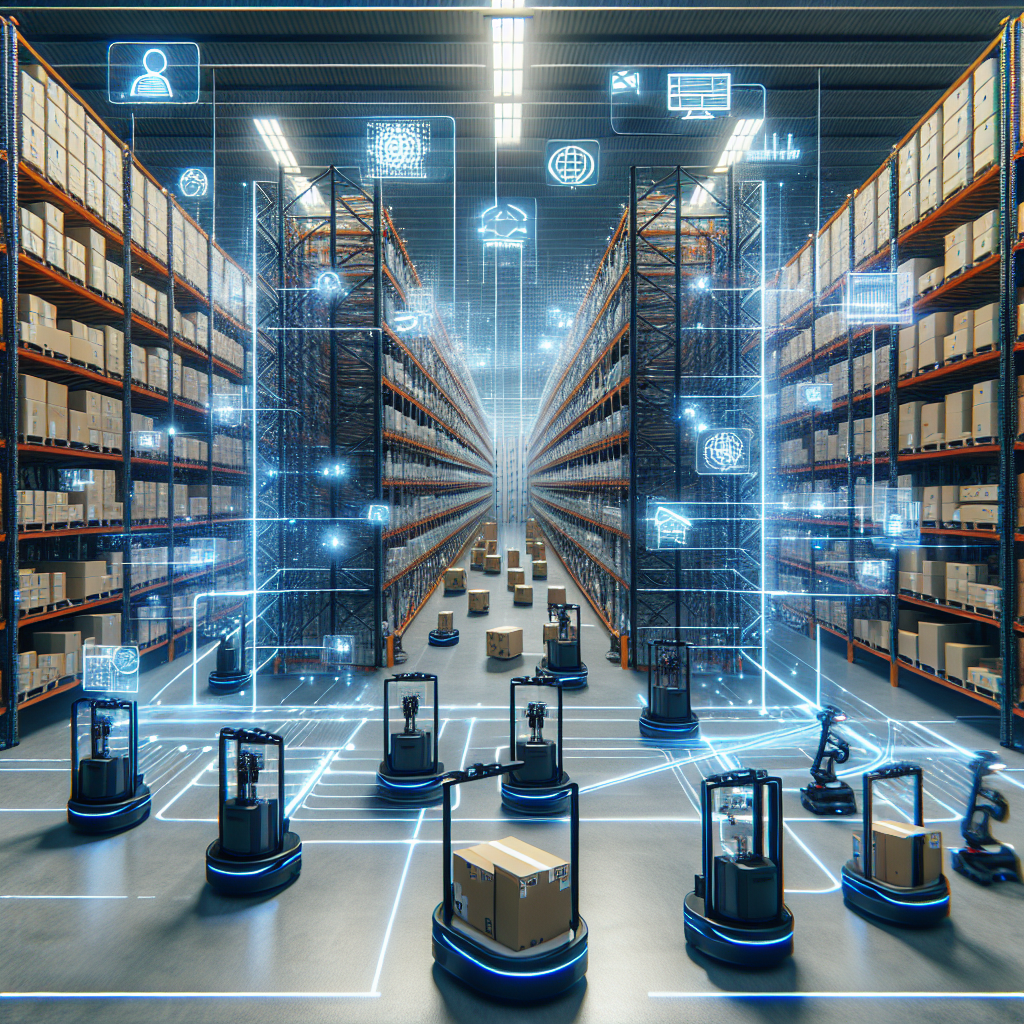
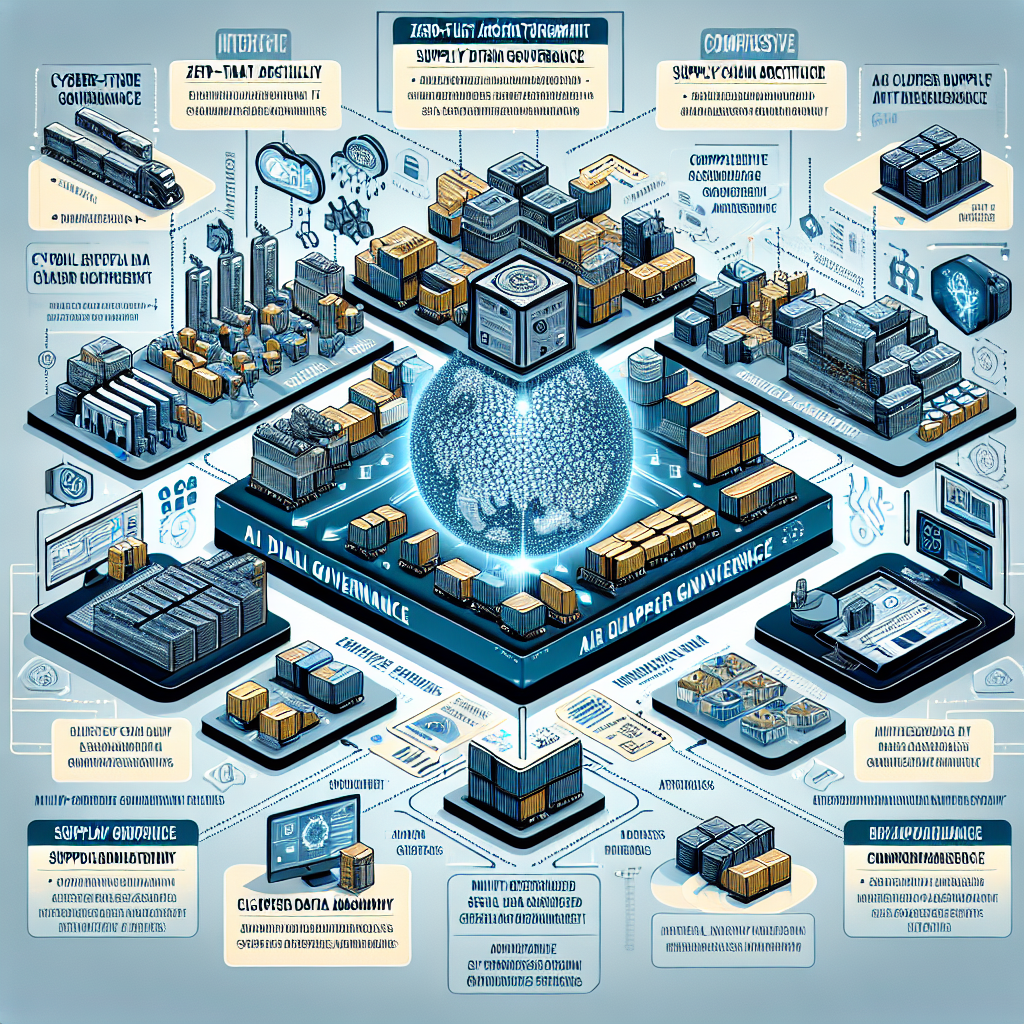
Supply chain resilience is the organizational capability to anticipate, absorb, adapt to, and recover from supply chain disruption with minimal impact on performance. Achieving true resilience requires a structured approach to supply chain risk management that goes beyond simply holding safety stock. It involves diversifying the supplier base, investing in real-time visibility technology, and developing contingency plans that can be activated quickly when a supply chain shock occurs.
Effective supply chain risk management begins with a thorough vulnerability assessment across all tiers of the supply network. Organizations should map supplier dependencies, identify single source relationships, evaluate geographic concentration risks, and stress-test their logistics networks for known failure modes like freight delays and port congestion. According to Gartner, companies with mature supply chain risk management practices recover from major disruptions up to 40% faster than those without structured programs in place.
Supplier diversification is one of the most effective structural responses to supply chain fragility. By qualifying multiple suppliers across different geographies, businesses reduce their exposure to any single point of failure — whether that failure stems from a natural disaster, geopolitical conflict, or a supplier’s internal operational failure. Complementing diversification with demand sensing technology and dynamic inventory optimization creates a resilient foundation capable of absorbing future supply chain shocks without operational collapse.
Key Points
● Supply chain resilience is built through diversification, visibility, and proactive contingency planning
● Structured supply chain risk management programs accelerate recovery from major disruptions
● Combining supplier diversification with demand sensing technology strengthens long-term resilience
Key Takeaways
Supply chain disruption is an inevitable reality in today’s interconnected global economy, but its impact does not have to be catastrophic. Organizations that invest in understanding their supply chain vulnerability, diversifying their supplier networks, and implementing robust supply chain risk management frameworks will be far better positioned to withstand future shocks and emerge stronger. Building supply chain resilience is an ongoing discipline, not a one-time project — and the businesses that treat it as such will gain a measurable competitive advantage.
● Identify and eliminate single source dependency to reduce exposure to supplier failure
● Conduct multi-tier supply chain mapping to surface hidden vulnerabilities before a crisis occurs
● Develop and regularly test contingency plans for logistics disruption, port congestion, and freight delays
● Invest in real-time visibility tools to detect early warning signs of a supply chain bottleneck or raw material shortage
● Treat cold chain disruption and last mile delivery problems as specialized risks requiring targeted solutions
For more expert guidance on managing supply chain risk, sourcing strategies, and building operational resilience, visit BestInSupplies.com — your trusted resource for supply chain insights, supplier intelligence, and procurement best practices.