






What Is Supply Chain Disruption — and Why Should You Care?
Supply chain disruption isn’t just a buzzword tossed around in boardrooms — it’s a real, costly, and increasingly common challenge that affects businesses of every size and industry. Whether you’re a small manufacturer or a global retailer, understanding where your supply chain is vulnerable could mean the difference between weathering a storm and shutting your doors.
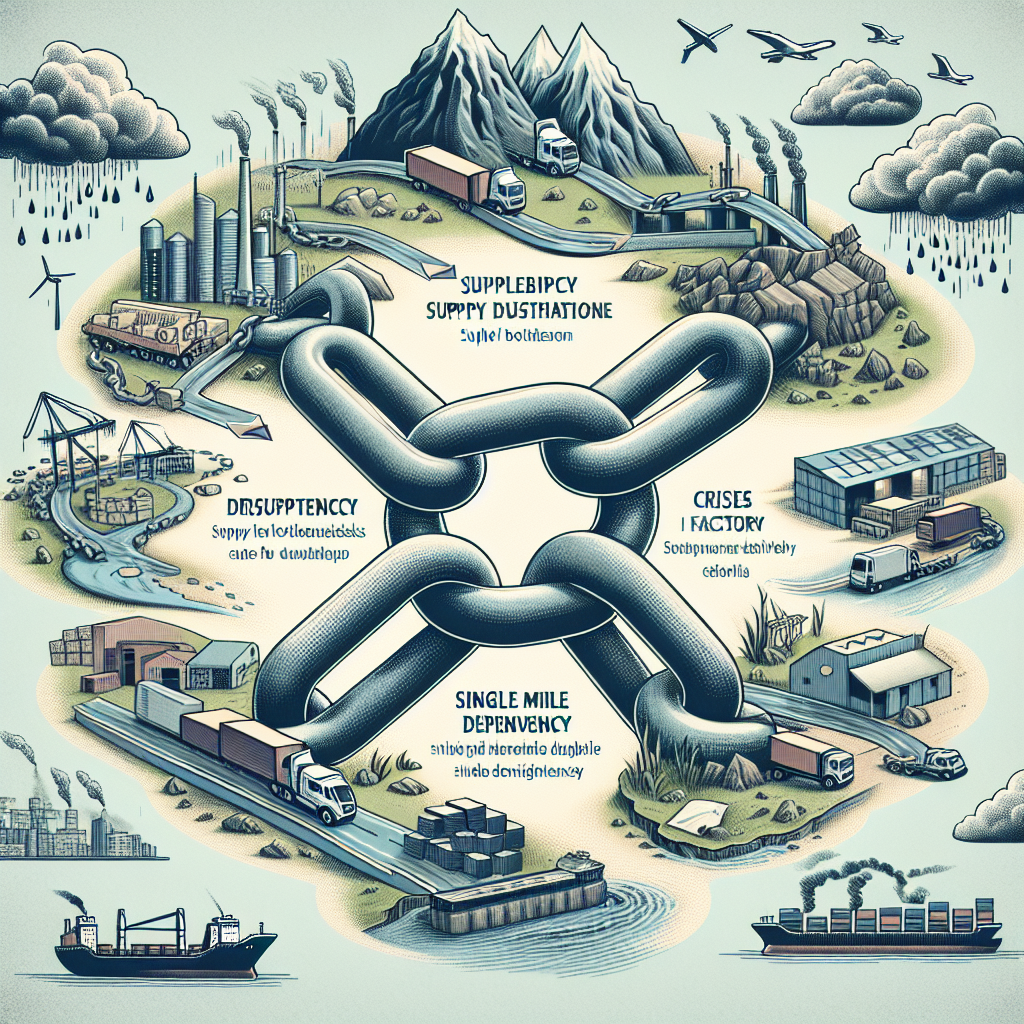
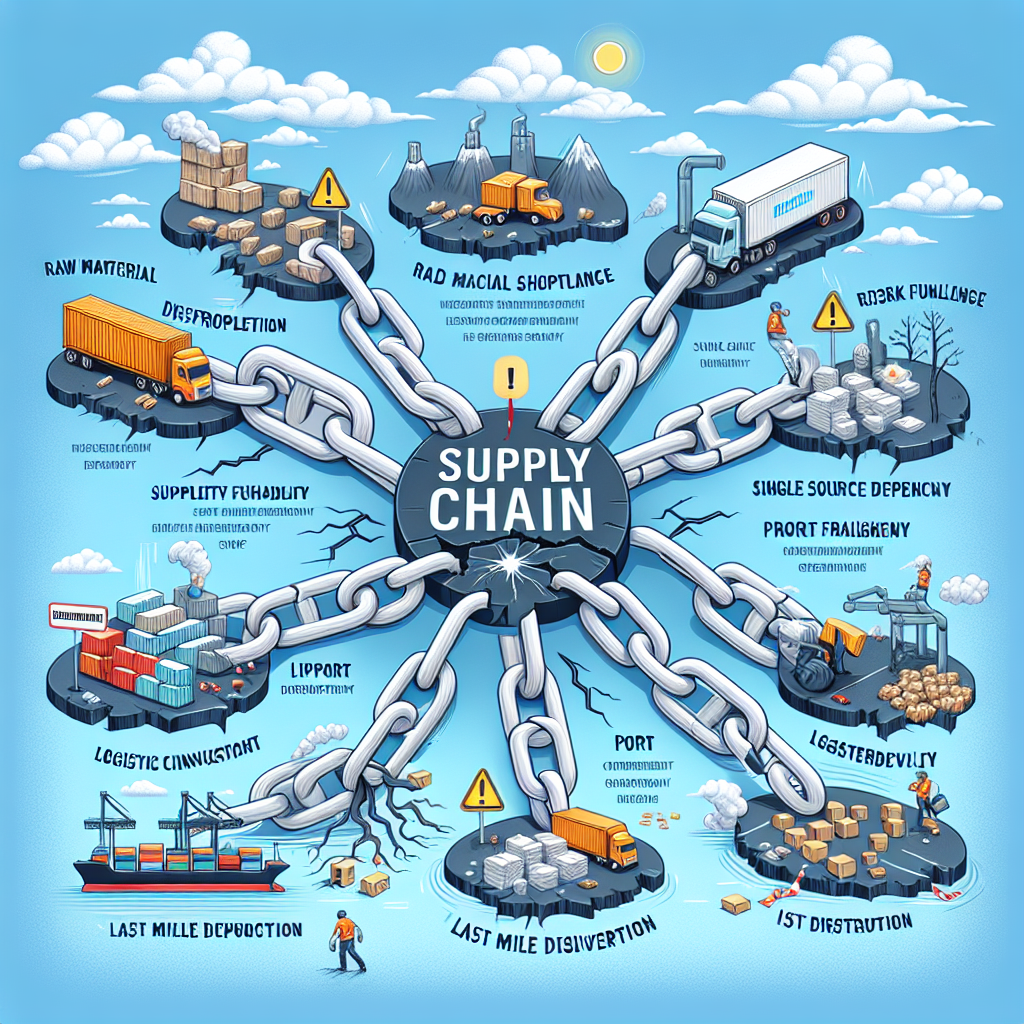
A supply chain disruption occurs when any link in the chain — from raw material sourcing to last mile delivery — breaks down unexpectedly. These disruptions can be triggered by natural disasters, geopolitical tensions, supplier failures, or logistical bottlenecks, and they can ripple outward far faster than most companies anticipate.
In this post, we’ll walk through the most common sources of supply chain vulnerability, show you how to spot them before they become full-blown crises, and share practical strategies for building genuine supply chain resilience.
Understanding Supply Chain Fragility: Where Do Breaks Happen?
Supply chain fragility often hides in plain sight. Many businesses operate for years without incident and assume their network is solid — until one disruption event exposes just how thin their margins really are.
The most dangerous vulnerabilities tend to cluster around single source dependency, geographic concentration, and lean inventory models. When the COVID-19 pandemic hit, for example, automotive manufacturers discovered that their entire production lines could be halted by a shortage of semiconductor chips — most of which came from just a handful of suppliers in Taiwan and South Korea. That’s a textbook case of supply chain fragility masquerading as efficiency.
Other common weak points include over-reliance on specific shipping routes, aging logistics infrastructure, and limited visibility into sub-tier suppliers — the suppliers of your suppliers. Understanding these layers is critical to any serious supply chain risk management strategy.
● Single source dependency is one of the fastest ways fragility enters your network
● Sub-tier supplier visibility is often overlooked but critically important
● Lean inventory strategies, while cost-efficient, can amplify disruptions significantly
Common Triggers of Supply Chain Disruption
Raw Material Shortage and Supplier Failure
A raw material shortage can bring an entire production ecosystem to a standstill almost overnight. Consider the global lumber shortage that caused construction project delays and sent housing prices soaring — a clear example of how upstream scarcity cascades into downstream chaos.
Supplier failure is another leading cause of supply chain shock. When a key supplier goes bankrupt, loses key certifications, or simply can’t scale to meet demand, businesses that haven’t diversified their sourcing are left scrambling. According to a Gartner supply chain report, over 80% of companies have experienced at least one significant supplier-related disruption in recent years.
● Supplier financial health should be monitored as regularly as your own balance sheet
● Dual or multi-sourcing strategies dramatically reduce raw material shortage risk
Logistics Disruption, Port Congestion, and Freight Delays
Logistics disruption is one of the most visible forms of supply chain shock, and it can emerge from a surprisingly wide range of causes — labor strikes, extreme weather, infrastructure failures, or sudden spikes in demand. The Ever Given container ship blocking the Suez Canal in 2021 is a dramatic example: a single vessel grounded for six days caused an estimated $9.6 billion per day in delayed trade, according to Lloyd’s List.
Port congestion and freight delays tend to compound each other in a frustrating feedback loop. When ports back up, ships wait offshore, delivery windows collapse, and transportation bottlenecks spread inland to trucking and rail networks. The result is a ripple effect that can take weeks or months to fully unwind.
● Monitor port congestion data in real time using tools like Port Optimizer
● Build buffer inventory at strategic distribution points to absorb freight delays
● Diversifying shipping routes and carriers reduces dependence on any single logistics lane
Cold Chain Disruption and Last Mile Delivery Problems
For businesses dealing in perishable goods — food, pharmaceuticals, biologics — cold chain disruption can mean spoilage, regulatory violations, and serious financial losses. Temperature excursions during transit don’t just waste product; they can endanger end consumers and trigger costly recalls.
Last mile delivery problems are a growing pain point as e-commerce volumes continue to surge. That final leg of the journey — from a local distribution hub to the customer’s door — accounts for roughly 53% of total shipping costs, according to data from McKinsey & Company. Driver shortages, urban congestion, and failed delivery attempts all add cost and erode customer trust.
● IoT temperature monitoring can catch cold chain disruption before product is compromised
● Last mile delivery problems are best addressed with local fulfillment partnerships or micro-warehousing
How to Identify Supply Chain Vulnerabilities Before They Become a Crisis
Proactive supply chain risk management starts with a clear-eyed vulnerability assessment. Mapping your entire supply network — including sub-tier suppliers — gives you a visual representation of where risk concentrates and where redundancy is lacking.
Tools like supply chain control towers and digital twin technology allow businesses to model disruption scenarios before they occur. Running simulations like “What happens if our primary raw material supplier goes offline for 30 days?” helps quantify risk and prioritize mitigation investments. The BestInSupplies.com resource library offers practical frameworks for conducting these assessments across a variety of industries.
Supplier scorecards are another underutilized tool. By regularly evaluating suppliers across dimensions like financial stability, geographic risk, lead time consistency, and quality performance, procurement teams can spot early warning signs of supplier failure well before a crisis hits.
● Supply chain mapping is the essential first step in any vulnerability identification process
● Digital twin simulations help quantify the real cost of potential disruption scenarios
● Supplier scorecards create an early warning system for supplier failure risk
Building Supply Chain Resilience: Practical Strategies That Actually Work
Diversify Suppliers and Reduce Single Source Dependency
One of the most effective ways to build supply chain resilience is straightforward: don’t put all your eggs in one basket. Diversifying across multiple suppliers — ideally in different geographic regions — significantly reduces your exposure to any single supply chain shock.
This doesn’t mean you need to double your supplier count overnight. Start by identifying your top 10 most critical inputs and asking whether each has a viable backup source. Even a secondary supplier relationship maintained at low volume gives you a lifeline when your primary source goes dark.
● Geographic diversification protects against regional disruptions like natural disasters or political instability
● Maintaining relationships with backup suppliers — even at low volume — pays off in a crisis
Strengthen Inventory Strategy to Absorb Supply Shortage
Pure just-in-time inventory leaves businesses dangerously exposed to supply shortage events. A hybrid approach — maintaining strategic safety stock on your most critical and hardest-to-source items while keeping leaner inventories on readily available commodities — offers a better balance between cost efficiency and resilience.
Nearshoring and reshoring manufacturing are also gaining traction as resilience strategies. By bringing production closer to end markets, companies reduce their exposure to international logistics disruption, freight delays, and geopolitical supply chain risk simultaneously.
● Safety stock levels should be calibrated based on lead time variability and criticality of each SKU
● Nearshoring reduces exposure to international logistics disruption and transportation bottlenecks
Invest in Visibility and Supply Chain Technology
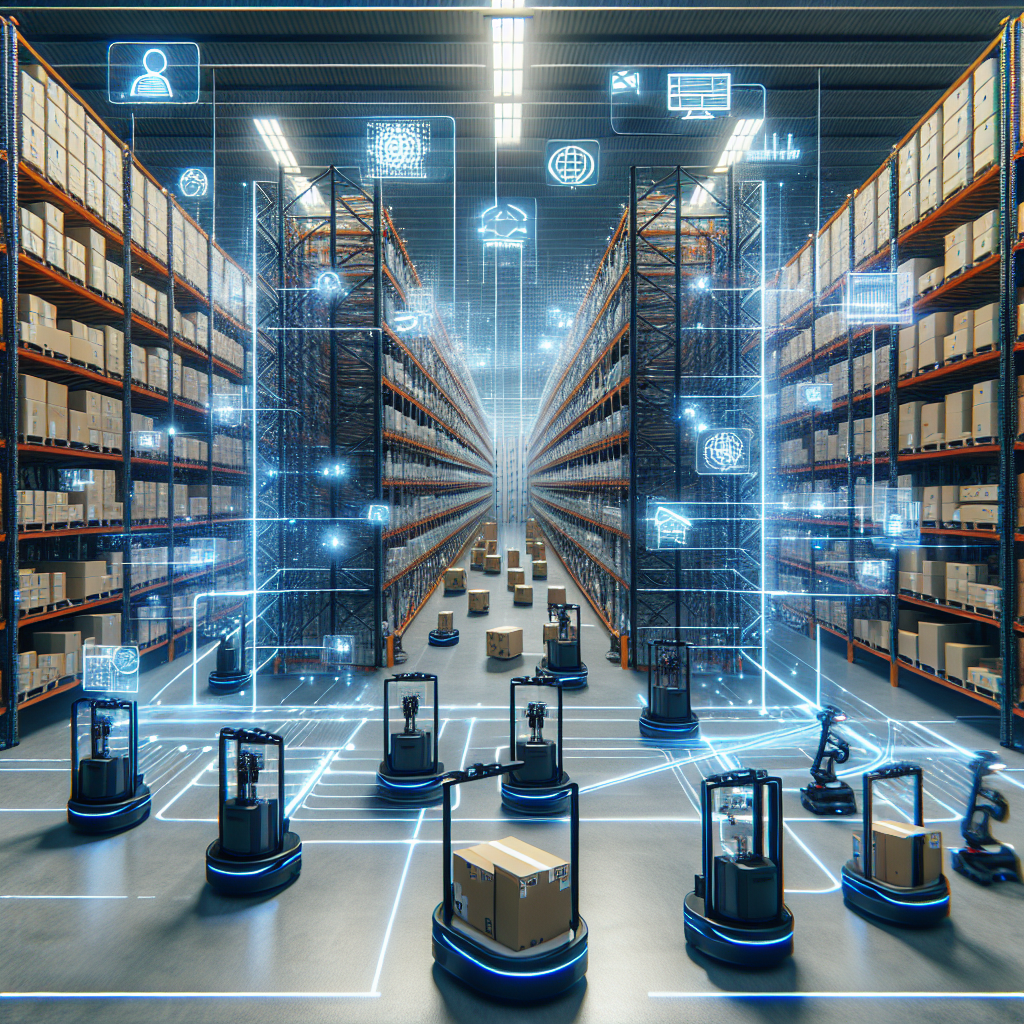
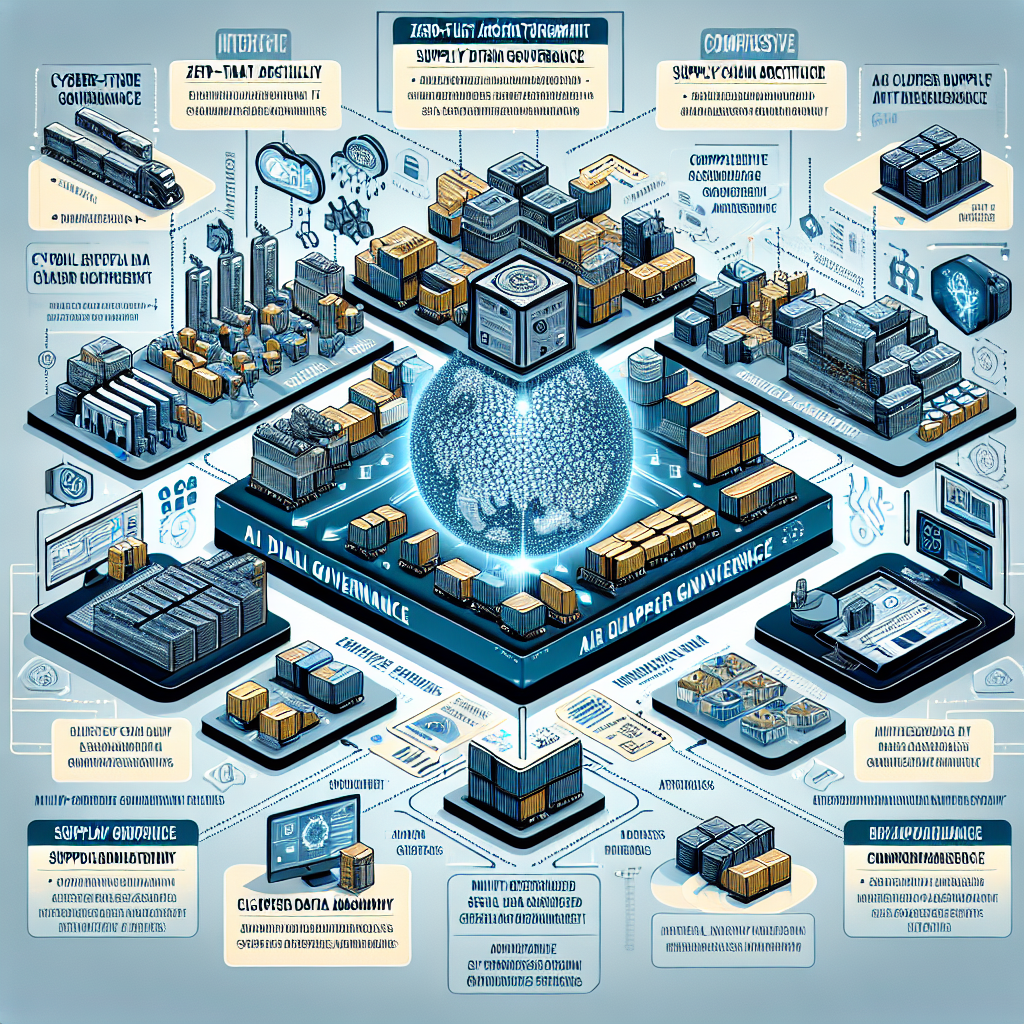
You can’t manage what you can’t see. End-to-end supply chain visibility platforms aggregate data from suppliers, logistics providers, and internal systems to give procurement and operations teams a real-time picture of potential supply chain bottlenecks before they escalate.
Technologies like AI-powered demand forecasting, blockchain-based provenance tracking, and IoT-enabled shipment monitoring are no longer just for enterprise giants — many are now accessible to mid-market businesses at reasonable cost. Investing in these tools is increasingly seen not as a luxury but as basic supply chain risk management infrastructure.
● Real-time visibility platforms can detect emerging supply chain bottlenecks early enough to act
● AI-powered forecasting improves inventory positioning and reduces supply shortage exposure
● Blockchain tracking adds traceability that’s especially valuable in cold chain and regulated industries
Be Prepared
Supply chain disruption is not a matter of if — it’s a matter of when. The businesses that come out ahead are those that identify their vulnerabilities early, diversify strategically, and invest in the visibility tools needed to detect warning signs before they become full-blown supply chain crises. Building supply chain resilience takes time and intentional effort, but the return on that investment becomes crystal clear the moment disruption strikes.