





Supply chain disruption has become one of the most pressing challenges facing businesses of all sizes. Whether you’re a small retailer or a global manufacturer, the fragility of modern supply networks can hit hard and fast — and often without much warning. The good news? With the right approach to supply chain risk management, you can identify your vulnerabilities before they become full-blown crises and start building the kind of resilience that actually lasts.
Understanding Supply Chain Fragility: Why Things Break Down
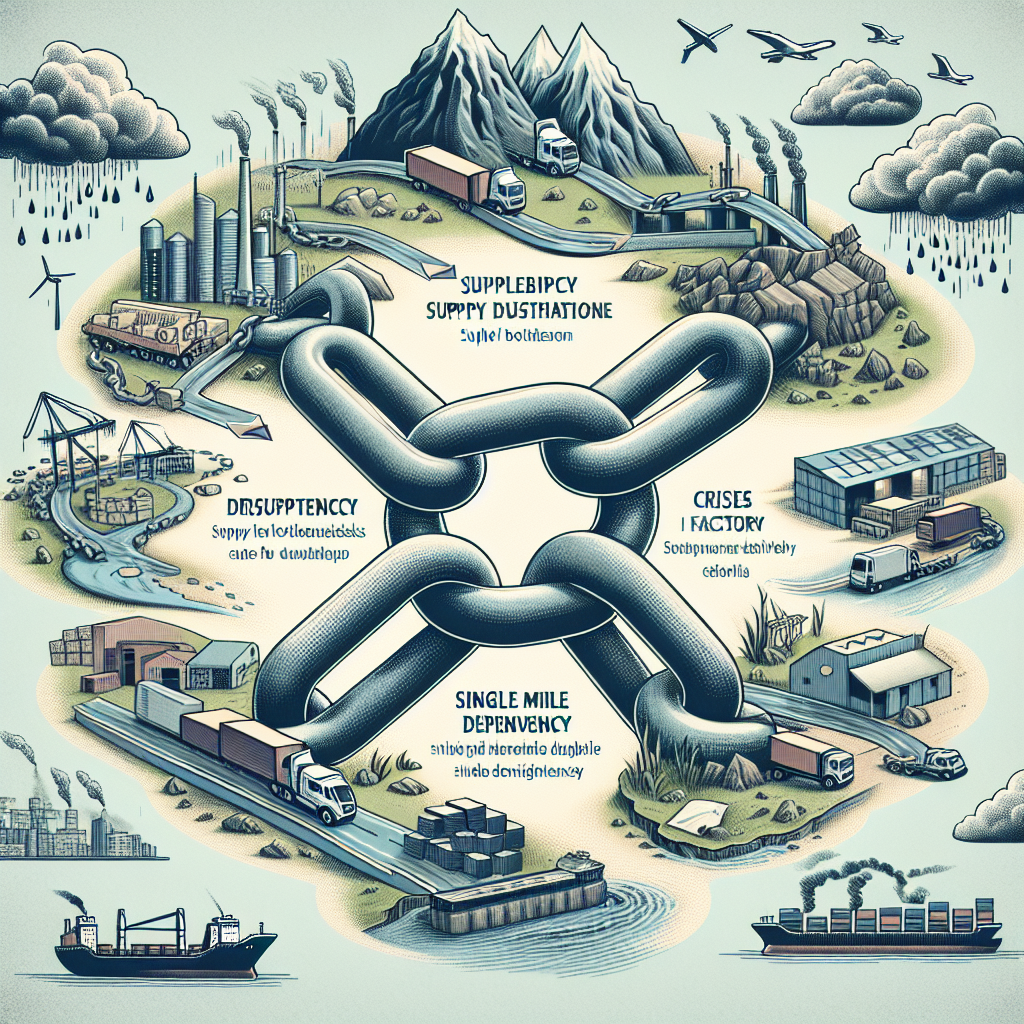
Modern supply chains are marvels of efficiency — but that efficiency often comes at a cost. The relentless push to cut costs and streamline operations has left many networks dangerously exposed to supply chain shock.
Think about what happened during the global semiconductor shortage. Automakers like Ford and General Motors were forced to halt production lines not because of a problem in their own facilities, but because of a raw material shortage and production bottleneck several tiers deep in their supply chains. It was a stark reminder that supply chain fragility isn’t always visible until it’s too late.
A few structural issues tend to show up again and again. Single source dependency — relying on one supplier for a critical component — is one of the biggest culprits. When that one supplier faces a supplier failure, a natural disaster, or a geopolitical disruption, the ripple effects can cascade all the way to your end customer.
● Supply chain fragility often stems from cost-cutting decisions that reduce redundancy
● Single source dependency dramatically increases exposure to supplier failure
● Disruptions rarely stay isolated — they cascade across tiers
Spotting Supply Chain Vulnerabilities Before They Become Crises
The first step in solid supply chain risk management is knowing where your weak points are. That sounds obvious, but a surprising number of businesses have never done a formal supply chain vulnerability assessment.
Start by mapping your entire supply network — not just your Tier 1 suppliers, but Tier 2 and Tier 3 as well. According to a McKinsey study, most companies only have visibility into about 2% of their extended supply base, which means potential supply shortages and bottlenecks are essentially invisible until they explode into a full supply chain crisis. Tools like supply chain mapping software and supplier risk platforms can help surface these hidden exposures.
Pay close attention to geographic concentration. If multiple suppliers are clustered in the same region, a single weather event, political instability, or port congestion incident can trigger a logistics disruption that affects your entire production schedule simultaneously. Diversifying your supplier base geographically is one of the most effective ways to reduce supply chain vulnerability.
● Formal vulnerability mapping should cover Tier 2 and Tier 3 suppliers, not just direct suppliers
● Geographic concentration multiplies the impact of regional disruptions
● Supply chain mapping software can help reveal blind spots in your network
Logistics Disruption: Freight Delays, Port Congestion, and Transportation Bottlenecks
Even when your suppliers are performing perfectly, your goods still have to move — and the movement side of the equation has its own serious vulnerabilities. Logistics disruption has become a major source of pain for businesses everywhere.
The chaos at major ports like Los Angeles/Long Beach during the pandemic years showed just how damaging port congestion can be. At peak disruption, hundreds of container ships were anchored offshore waiting to unload, causing freight delays that stretched from days into weeks and months. The downstream impact included empty shelves, frustrated customers, and serious financial losses across retail, manufacturing, and food distribution. Transportation bottlenecks like this underscore the importance of building buffer inventory and diversifying your carrier relationships.
Cold chain disruption deserves special attention if you’re in food, pharmaceuticals, or any temperature-sensitive product category. Unlike standard freight delays, a break in the cold chain doesn’t just slow delivery — it can destroy entire shipments. Last mile delivery problems compound this further, as the final leg of the journey tends to be the least efficient and most prone to failure, especially in rural areas or during peak demand periods.
● Port congestion and freight delays can stretch from days to months, with serious financial consequences
● Cold chain disruption can result in complete product loss, not just delays
● Last mile delivery problems are often underestimated as a source of supply chain risk
Building Supply Chain Resilience That Actually Lasts
Resilience isn’t just about surviving disruption — it’s about recovering faster than your competitors and emerging stronger. True supply chain resilience requires deliberate investment in flexibility, redundancy, and visibility.
Diversifying your supplier base is the single most powerful lever you have. Companies like Apple — despite being known for tight supplier control — learned this lesson the hard way and have spent years building multi-region manufacturing and sourcing capabilities. For most businesses, that means qualifying backup suppliers for critical components, negotiating dual-sourcing agreements, and maintaining strategic safety stock for items most vulnerable to supply shortage or raw material shortage events. You can explore practical strategies for building a more resilient supplier network at BestInSupplies.com.
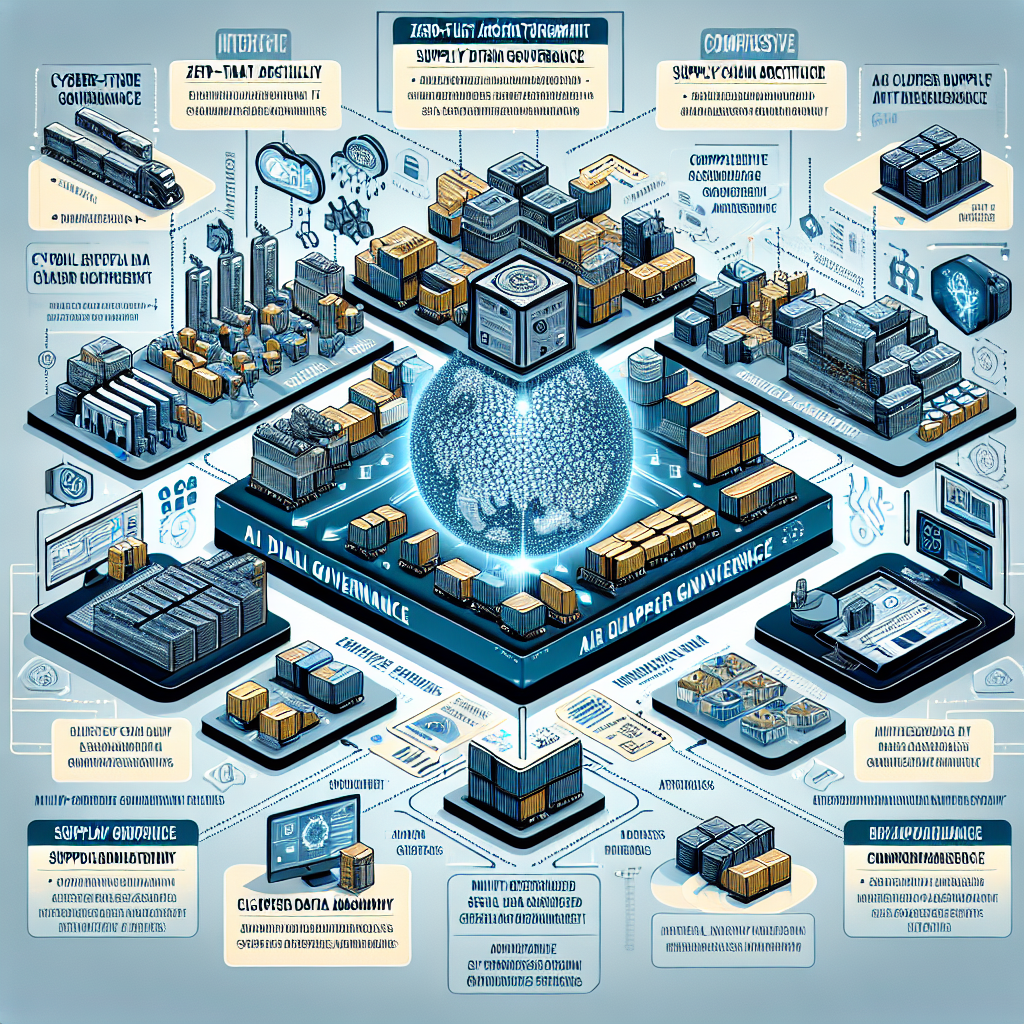
Technology plays a huge role in modern supply chain resilience. Real-time visibility platforms, AI-driven demand forecasting, and supplier risk monitoring tools give you the early warning signals you need to act before a small disruption snowballs into a full supply chain crisis. Pairing technology with strong supplier relationships — regular communication, collaborative planning, and financial support for key partners — creates a network that bends without breaking. For further reading on risk management frameworks, the Gartner Supply Chain research hub is an excellent resource.
● Diversifying your supplier base is the most effective hedge against supply chain shock
● Real-time visibility tools allow early intervention before disruptions escalate
● Strong supplier relationships are just as important as technology investments
Key Takeaways
Supply chain disruption is not a question of if — it’s a question of when. The businesses that weather these storms best are the ones that have done the hard work of understanding their vulnerabilities and investing in genuine supply chain resilience long before a crisis hits. Here’s a quick summary of what to keep in mind:
● Supply chain fragility is often the result of efficiency-focused decisions that eliminated critical redundancy
● Mapping your extended supply network — including Tier 2 and Tier 3 suppliers — is essential for identifying hidden supply chain vulnerabilities
● Logistics disruption, port congestion, freight delays, and last mile delivery problems are distinct risk categories that require targeted mitigation strategies
● Supplier diversification, strategic inventory buffers, and technology-driven visibility are the cornerstones of lasting supply chain resilience
● Supply chain risk management is an ongoing discipline, not a one-time project
Want to go deeper on protecting your business from supply chain disruption? Visit BestInSupplies.com for expert resources, practical guides, and tools to help you build a stronger, more resilient supply chain from the ground up.