







Supply chain disruption has moved from an occasional operational headache to one of the defining business risks of the modern era. From raw material shortages triggered by geopolitical conflicts to port congestion that ripples across entire industries, no organization is fully immune. Understanding where your supply chain is fragile—and taking deliberate steps to strengthen it—is no longer optional.
Understanding Supply Chain Vulnerability and Fragility
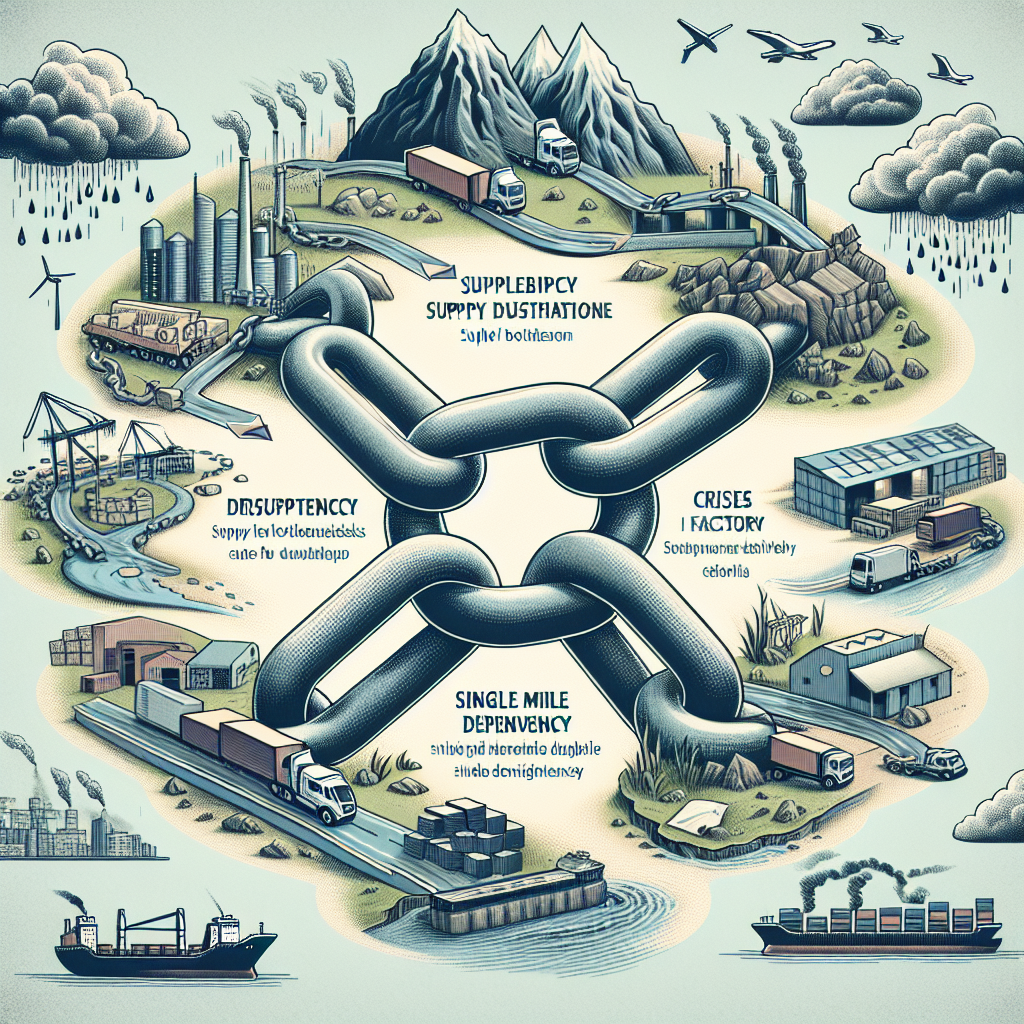
Supply chain vulnerability exists wherever a single failure point can cascade into broader operational breakdown. This includes single source dependency on one supplier, reliance on a single transportation corridor, or concentration of production in one geographic region.
Supply chain fragility is often invisible until a crisis strikes. The 2021 Suez Canal blockage, caused by the Ever Given container ship, demonstrated how one logistics disruption could delay an estimated $9.6 billion worth of goods per day and expose the brittleness of just-in-time supply models globally.
A thorough supply chain risk management strategy begins with mapping every node in your network—tier-1, tier-2, and tier-3 suppliers—and scoring each for exposure. Without this visibility, organizations are essentially managing blindfolded.
Key Points
Single source dependency is one of the most common and dangerous vulnerabilities in any supply chain.
Supply chain fragility often only becomes visible during an active supply chain crisis.
Multi-tier supplier mapping is essential for meaningful risk assessment.
Common Sources of Supply Chain Disruption
Raw material shortages represent one of the most economically damaging forms of supply chain shock. The global semiconductor shortage that began in 2020 caused an estimated $210 billion in lost automotive revenue in 2021 alone, according to AlixPartners, illustrating how a shortage in one component can halt entire manufacturing lines.
Transportation bottlenecks compound the problem significantly. Port congestion at major hubs like the Port of Los Angeles and the Port of Long Beach during 2021–2022 created freight delays measured in weeks, not days, forcing buyers to absorb higher spot freight rates that in some cases exceeded 500% above pre-pandemic norms.
Cold chain disruption and last mile delivery problems add another layer of complexity, particularly for food, pharmaceutical, and medical device companies. When temperature-controlled logistics fail—due to equipment failure, driver shortages, or extreme weather—product spoilage and regulatory non-compliance can result in significant financial and reputational harm.
Key Points
Semiconductor and raw material shortages have proven the systemic risk of narrow supplier ecosystems.
Port congestion and freight delays can multiply procurement costs and lead times simultaneously.
Cold chain disruption carries both financial and regulatory consequences that require dedicated contingency planning.
Building True Supply Chain Resilience
Supply chain resilience is not simply about stockpiling inventory—it is about designing a supply network that can absorb shock, adapt quickly, and recover without catastrophic loss. This requires a combination of supplier diversification, strategic safety stock, nearshoring or reshoring initiatives, and technology-enabled visibility tools.
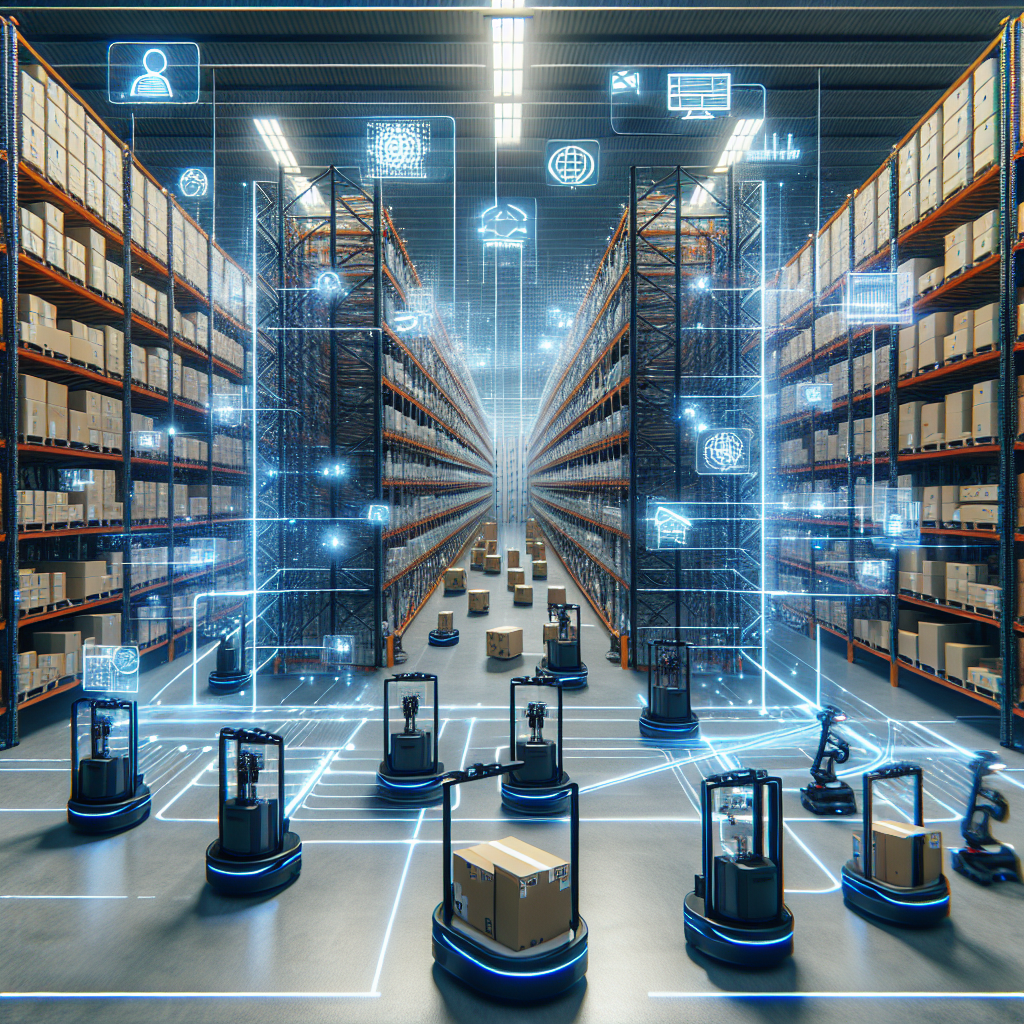
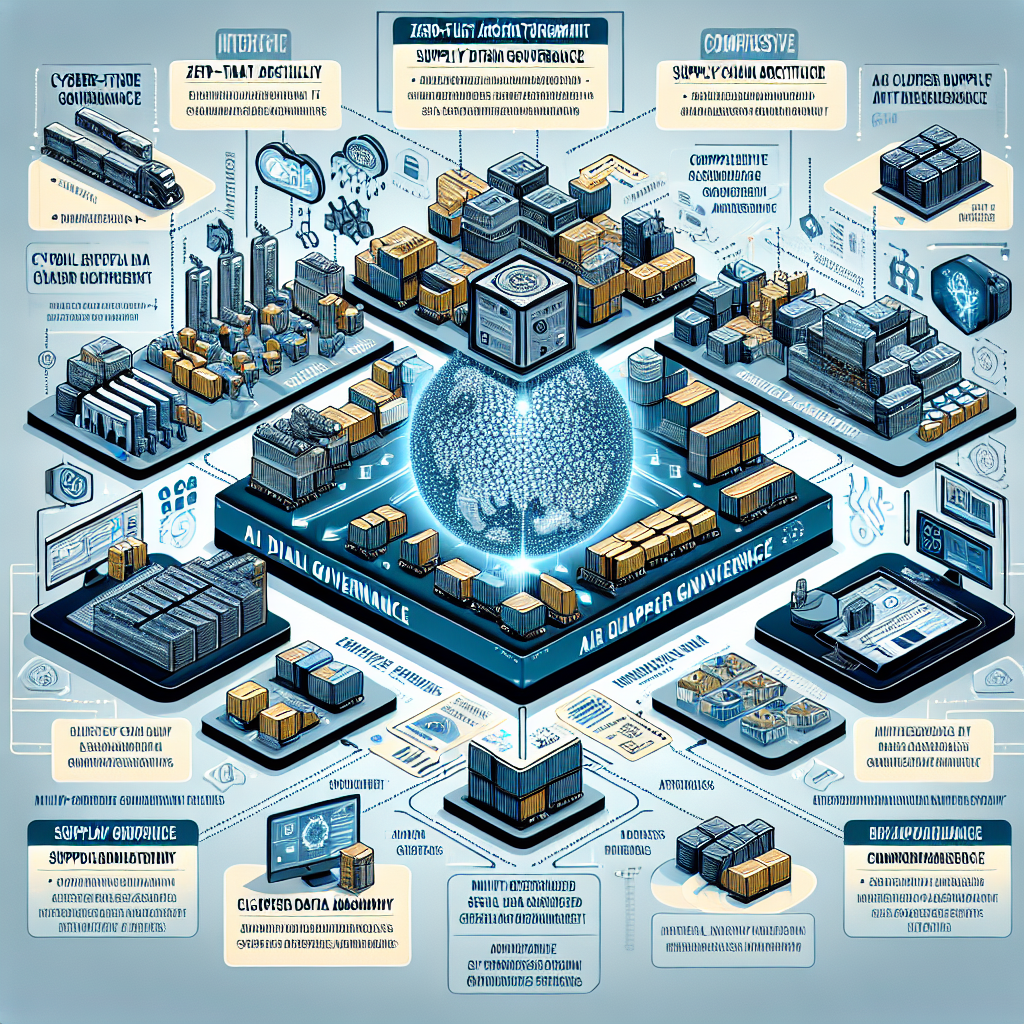
Leading organizations are investing in supply chain risk management platforms that provide real-time monitoring of supplier health, geopolitical risk scores, and logistics performance data. Solutions from providers such as Resilinc and riskmethods allow procurement teams to detect early warning signals of supplier failure before they escalate into full supply chain crises.
Supplier failure mitigation also requires contractual protections, dual-sourcing agreements, and regular business continuity audits. Organizations that conduct at least annual supply chain resilience reviews are statistically better positioned to recover from supply chain shocks in under 30 days, compared to those with no formal review process.
Key Points
True resilience combines structural diversification with real-time risk intelligence and proactive supplier management.
Technology platforms can surface early warning indicators of supplier failure and logistics disruption.
Regular business continuity audits significantly reduce recovery time after a supply chain shock.
Addressing Supply Chain Bottlenecks Proactively
A supply chain bottleneck occurs when the capacity of one node—a supplier, warehouse, port, or carrier—cannot meet downstream demand, creating a chokepoint that slows the entire chain. Identifying these bottlenecks before they cause a supply shortage requires data-driven capacity analysis and cross-functional collaboration between procurement, logistics, and operations teams.
Companies that invest in scenario planning and stress-testing their supply chains are far better equipped to manage unexpected surges in demand or sudden capacity reductions. Running tabletop exercises that simulate a major supplier failure or freight delay scenario helps teams identify gaps in their response playbooks before a real crisis occurs.
Key Points
Bottleneck analysis should be conducted at every node, not just at the tier-1 supplier level.
Scenario planning and stress-testing are practical tools for proactive supply chain crisis prevention.
Key Takeaways
Supply chain disruption is an ongoing risk that demands proactive identification of vulnerabilities rather than reactive crisis management.
Single source dependency, raw material shortages, port congestion, and cold chain disruption are among the highest-impact risk categories to address first.
Supply chain resilience is built through supplier diversification, real-time visibility technology, and regular business continuity reviews.
Transportation bottlenecks and last mile delivery problems require dedicated logistics contingency strategies, not just procurement fixes.
Organizations with formal supply chain risk management programs recover faster, lose less revenue, and maintain stronger customer relationships during crises.
For more expert guidance on managing procurement risk, evaluating suppliers, and strengthening your sourcing strategy, visit BestInSupplies.com—your trusted resource for supply chain intelligence, product sourcing insights, and industry best practices. Explore our related articles on supplier evaluation frameworks, procurement cost reduction, and logistics optimization to build a supply chain that is ready for whatever comes next.