


The Dawn of a New Era in Supply Chain Management
Gone are the days when managing inventory meant relying on gut feelings and outdated spreadsheets. Today’s supply chain landscape is experiencing a remarkable transformation, driven by cutting-edge technology that’s making supply chain visibility not just a luxury, but a necessity. Companies across industries are discovering that having real-time insights into their inventory and supplier networks isn’t just nice to have—it’s essential for staying competitive in our fast-paced global marketplace.
Understanding the Visibility Gap
For decades, businesses have struggled with a fundamental problem: they simply didn’t know where their products were at any given moment. This visibility gap created countless headaches, from stockouts that frustrated customers to excess inventory that tied up valuable capital. The traditional approach to inventory management was like trying to navigate a ship through fog—you could make educated guesses about your location, but you were never quite sure until you arrived at your destination.
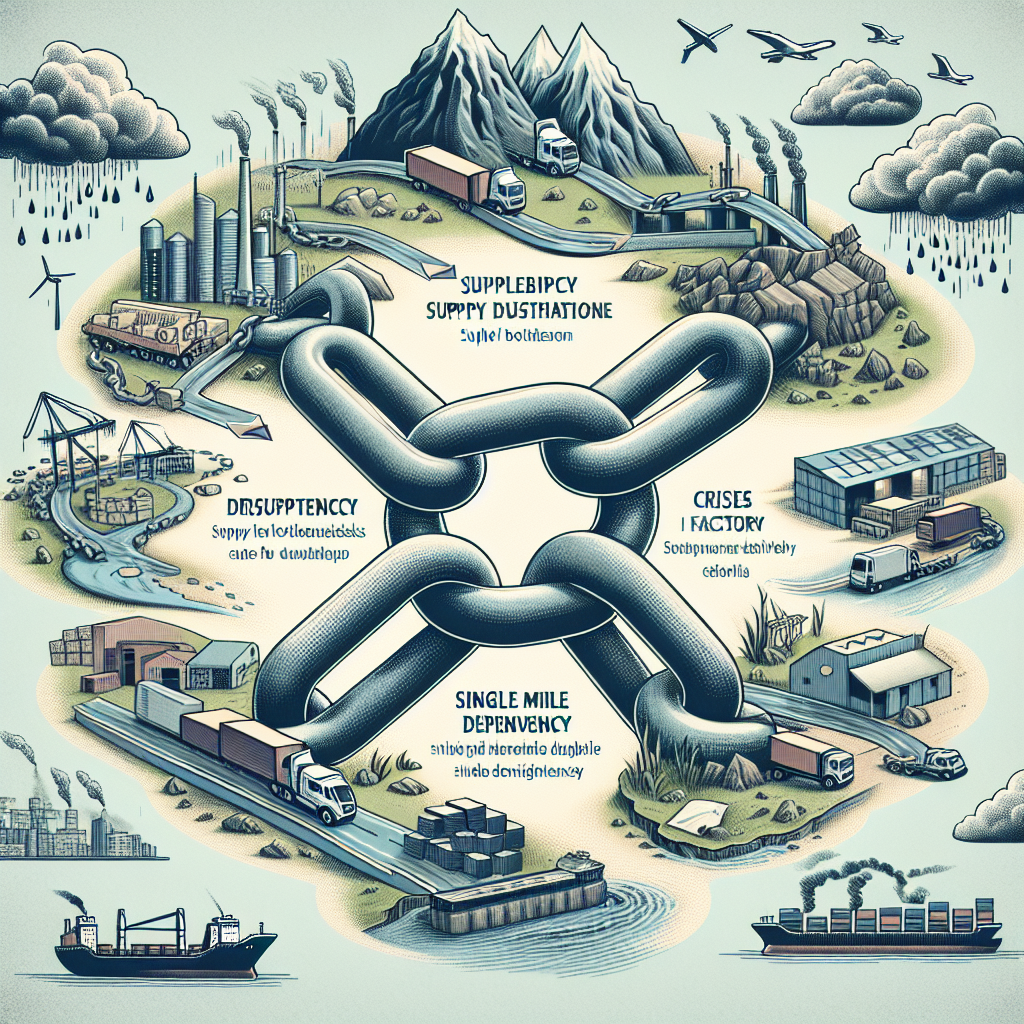
The consequences of poor supply chain visibility have always been significant, but in today’s just-in-time economy, they’ve become even more critical. A single disruption can cascade through the entire supply chain, affecting production schedules, customer deliveries, and ultimately, the bottom line.
Real-Time IoT Inventory Tracking: Your Digital Eyes Everywhere
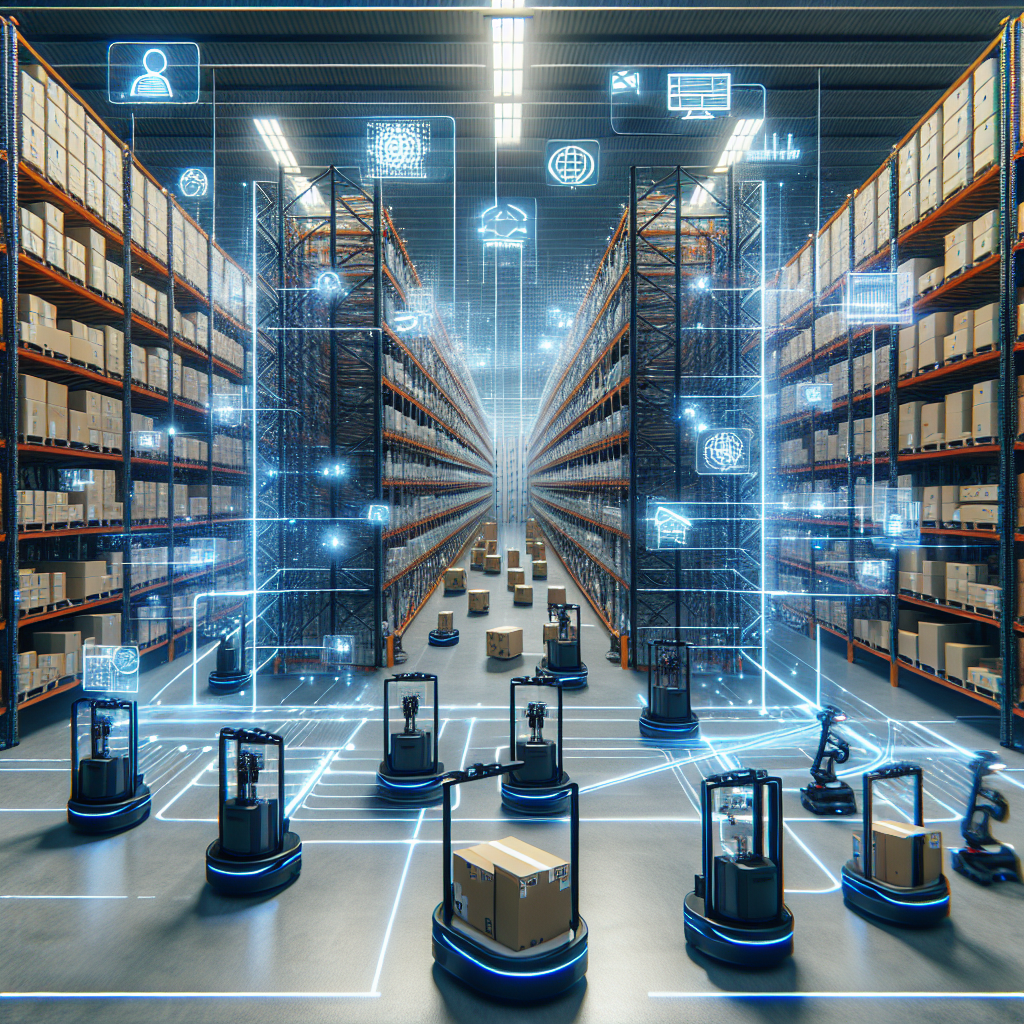
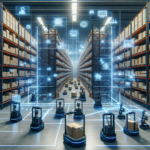
Enter the Internet of Things, and suddenly, the game has changed completely. Real-time IoT inventory tracking has emerged as a game-changer, giving businesses the ability to monitor their products from the moment they leave the supplier until they reach the end customer. Smart sensors, RFID tags, and GPS trackers work together to create a comprehensive picture of inventory movement that updates continuously.
How IoT Tracking Works in Practice
Imagine being able to check your smartphone and see exactly where every shipment is located, what condition it’s in, and when it will arrive at its destination. That’s the power of real-time IoT inventory tracking. These intelligent devices can monitor temperature, humidity, shock, and location, sending alerts immediately if anything goes wrong. For businesses handling sensitive products like pharmaceuticals or perishable goods, this capability isn’t just convenient—it’s transformative.
The beauty of IoT tracking lies in its automation. Instead of manually scanning barcodes or conducting physical counts, the system updates itself automatically as products move through the supply chain. This not only saves countless hours of labor but also dramatically reduces human error.
Breaking Down Barriers with Multi-Tier Supplier Visibility
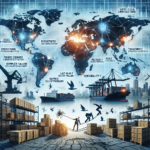
Here’s where things get really interesting. Most companies have direct relationships with their immediate suppliers, but what about the suppliers to those suppliers? And their suppliers? This multi-layered network, often called the “supply chain web,” has traditionally been a black box. Multi-tier supplier visibility is changing that by extending transparency deep into the supply network.
Why Multi-Tier Visibility Matters
Think about a recent global disruption—perhaps a natural disaster or a pandemic. Companies with visibility only into their first-tier suppliers were blindsided when problems occurred further upstream. Those with multi-tier supplier visibility, however, could see trouble coming and take proactive measures. This deeper insight allows businesses to identify risks, find alternative sources, and make informed decisions before small problems become major crises.
Building relationships and gaining visibility across multiple supplier tiers isn’t just about risk management, though. It’s also about finding opportunities for optimization, ensuring ethical sourcing practices, and building more resilient supply chains that can weather whatever challenges come their way.
End-to-End Visibility Platforms: Bringing It All Together
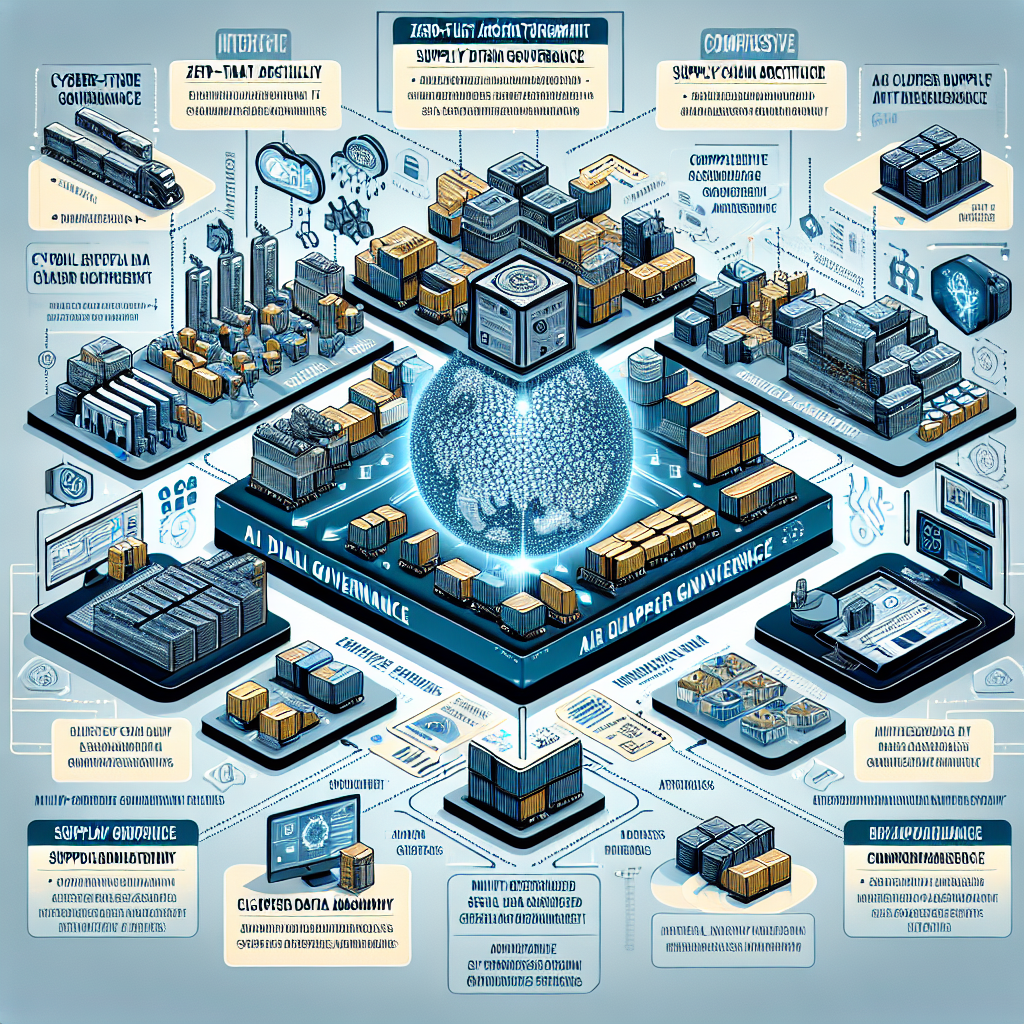
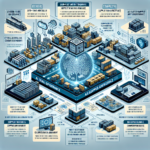
Having data is one thing; making sense of it is another. That’s where end-to-end visibility platforms come into play. These sophisticated software solutions act as a central nervous system for your supply chain, integrating data from IoT devices, supplier systems, transportation networks, and internal operations into a single, coherent view.
Modern end-to-end visibility platforms don’t just show you what’s happening—they help you understand what it means. Through intuitive dashboards and powerful analytics tools, these platforms transform raw data into actionable insights. You can spot trends, identify bottlenecks, and make data-driven decisions that optimize your entire operation.