

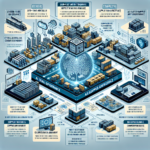





The supply chain industry is undergoing a remarkable transformation as cutting-edge technologies converge to create smarter, faster, and more efficient operations. At the heart of this revolution lies the concept of zero-touch logistics, where automation and intelligent systems work together seamlessly to minimize human intervention while maximizing productivity and accuracy.
The Rise of Zero-Touch Logistics Orchestration
Zero-touch logistics orchestration represents a paradigm shift in how we manage supply chain operations. This approach leverages sophisticated software platforms that coordinate multiple automated systems without requiring constant human oversight. Think of it as a symphony conductor for your warehouse, ensuring that every component works in perfect harmony.
What makes this particularly exciting is how these orchestration platforms can adapt in real-time to changing conditions. Whether it’s a sudden surge in orders, equipment maintenance needs, or shifting priorities, the system automatically adjusts workflows and resource allocation to maintain optimal performance.
Autonomous Mobile Robots AMR: The Workhorses of Modern Warehouses
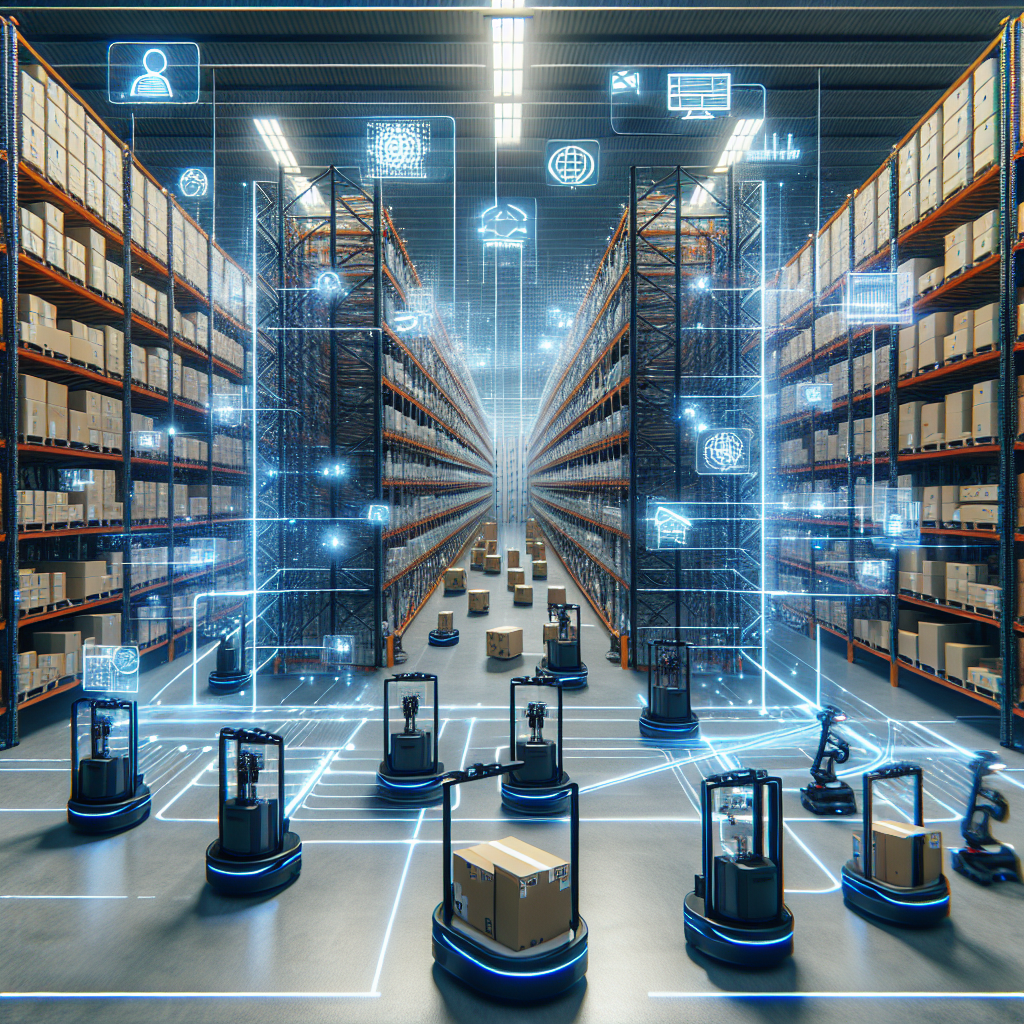
If zero-touch orchestration is the brain of modern logistics, then autonomous mobile robots AMR are certainly the muscles. These intelligent machines navigate warehouse floors independently, transporting goods, picking items, and performing various tasks that once required extensive human labor.
Unlike their predecessors, today’s AMRs don’t need magnetic strips or fixed rails to find their way around. They use advanced sensors, cameras, and mapping technologies to navigate dynamically, avoiding obstacles and optimizing their routes on the fly. This flexibility makes them incredibly valuable in busy warehouse environments where conditions change throughout the day.
The Benefits of AMR Integration
Companies implementing AMR solutions are seeing impressive results across multiple metrics. Worker safety improves as robots handle the heavy lifting and repetitive tasks that often lead to injuries. Productivity soars because these machines can work around the clock without breaks. And perhaps most importantly, human workers can focus on higher-value activities that require problem-solving skills and creativity.
Warehouse Edge Computing: Processing Power Where It Matters
One of the unsung heroes in the zero-touch logistics revolution is warehouse edge computing. Rather than sending all data to distant cloud servers for processing, edge computing brings computational power directly to the warehouse floor. This approach dramatically reduces latency and enables real-time decision-making that’s crucial for automated systems.
When your AMRs need to make split-second navigation decisions or your sorting systems need to identify and route packages instantly, you can’t afford the delay of round-trip communication with remote servers. Edge computing solves this challenge by processing critical data locally, ensuring that your automated systems respond immediately to changing conditions.
Enhanced Reliability and Security
Beyond speed, warehouse edge computing offers enhanced reliability. If internet connectivity experiences issues, your local edge infrastructure keeps essential operations running smoothly. Additionally, keeping sensitive operational data on-premises provides an extra layer of security, which is increasingly important in today’s digital landscape.
Industry 4.0 Smart Factory Integration: The Big Picture
These technologies don’t exist in isolation. They’re part of the broader Industry 4.0 smart factory integration movement that’s connecting every aspect of manufacturing and logistics into cohesive, intelligent ecosystems. When your warehouse systems can communicate seamlessly with production lines, inventory management, and delivery networks, you achieve a level of efficiency that was previously unimaginable.
Smart factory integration means that data flows freely between systems, enabling predictive analytics that anticipate problems before they occur. Maintenance can be scheduled proactively, inventory levels adjust automatically based on demand forecasts, and production schedules align perfectly with logistics capabilities.
Real-World Impact and Future Possibilities
Companies embracing these technologies are already seeing transformative results. Order fulfillment times have decreased dramatically, accuracy rates have climbed above 99%, and operational costs continue to decline. Perhaps more importantly, these organizations are becoming more agile and responsive to market demands.
Looking ahead, the potential is even more exciting. As artificial intelligence and machine learning capabilities improve, these systems will become increasingly sophisticated. We’re moving toward warehouses that truly think for themselves, continuously optimizing every aspect of their operations without human intervention.