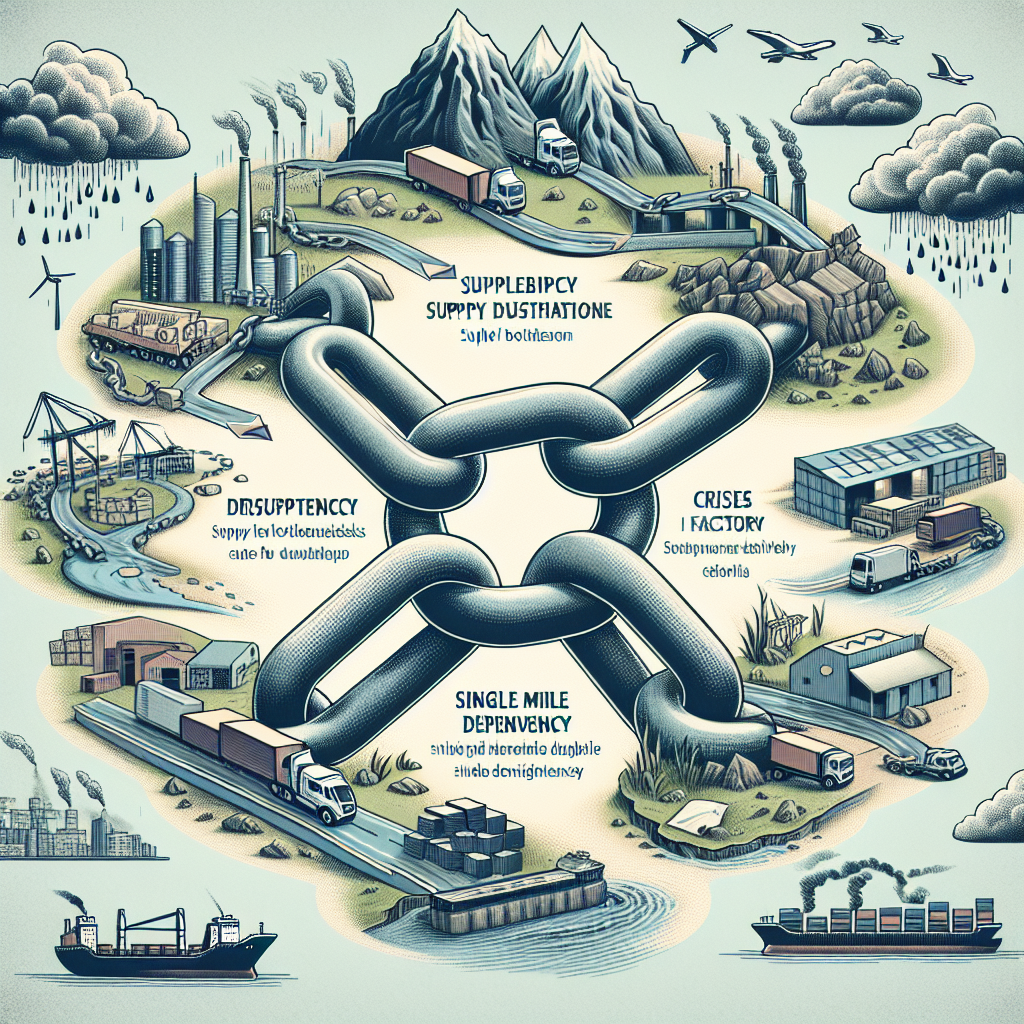






Supply chains have never faced more complexity—global disruptions, shifting consumer behavior, and rising customer expectations are pushing traditional planning methods to their limits. AI-powered demand forecasting and continuous S&OP planning are emerging as game-changing solutions, enabling businesses to anticipate demand with greater precision, reduce lead times, and strengthen supply chain analytics from end to end. This post explores how these technologies work together to transform modern supply chain operations.
What Is AI-Powered Demand Forecasting?
AI-powered demand forecasting uses machine learning algorithms and real-time data to predict future product demand with far greater accuracy than traditional statistical models. Unlike legacy systems that rely on historical sales data alone, AI models ingest variables such as weather patterns, economic indicators, social media sentiment, and competitor pricing.
For example, McKinsey & Company reports that AI-driven forecasting can reduce forecasting errors by up to 50% and reduce lost sales by up to 65% due to improved inventory availability. This level of precision gives supply chain teams the intelligence they need to act proactively rather than reactively.
● AI demand forecasting incorporates real-time, multi-source data for higher accuracy
● Machine learning reduces forecasting errors by as much as 50% compared to legacy models
● Proactive planning replaces reactive responses to demand shifts
Continuous S&OP Planning: A New Paradigm for Supply Chain Agility
Traditional Sales and Operations Planning (S&OP) operates on monthly cycles, which means businesses are often working with outdated assumptions by the time decisions are made. Continuous S&OP planning replaces this rigid cadence with a dynamic, always-on process powered by real-time data and AI-driven insights.
Companies like Unilever and Procter & Gamble have adopted continuous planning frameworks that allow cross-functional teams to align on demand signals, supply constraints, and financial targets on a rolling basis. This approach not only improves decision-making speed but also drives meaningful lead time reduction by closing the gap between demand signals and supply response.
● Continuous S&OP planning replaces monthly cycles with real-time, rolling updates
● Cross-functional alignment improves speed and reduces planning silos
● Dynamic planning directly supports lead time reduction across the supply chain
How Supply Chain Analytics Enables Smarter Forecasting
The Role of Predictive and Prescriptive Analytics
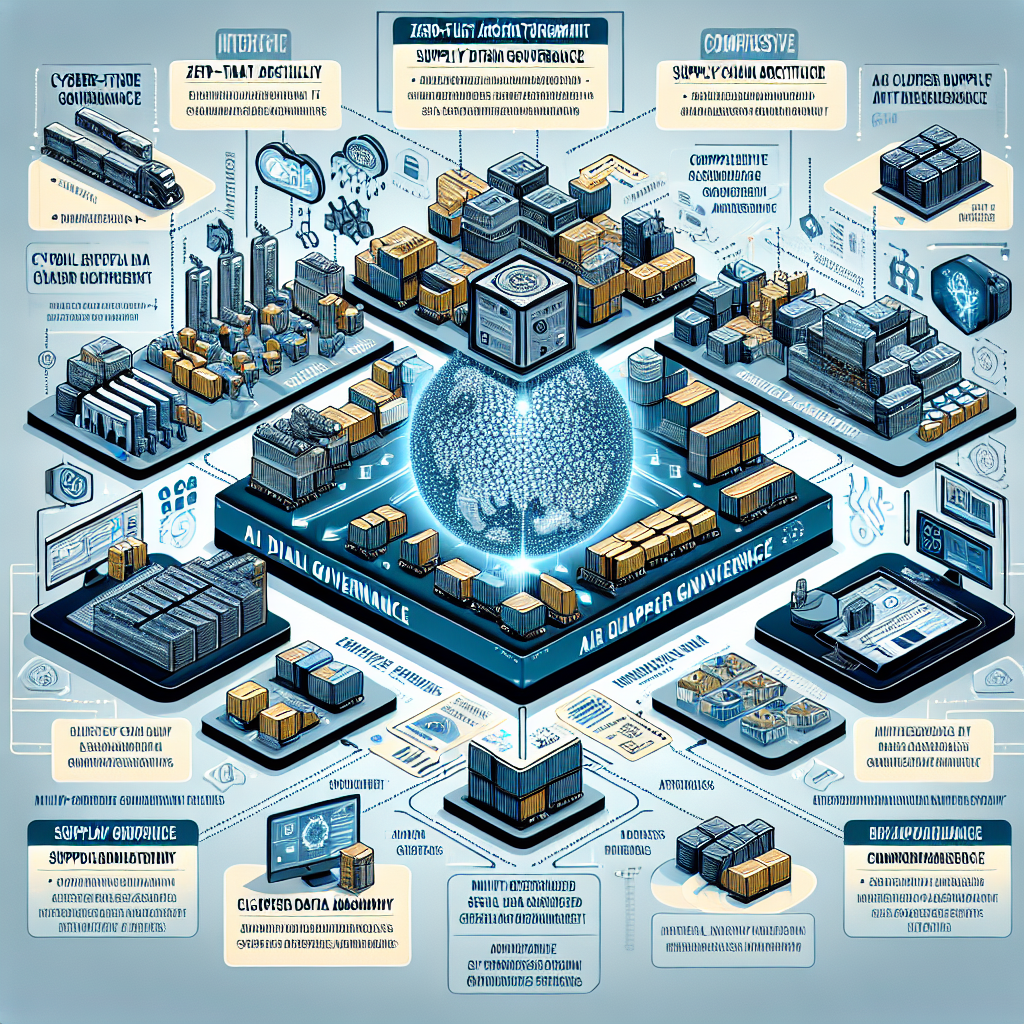
Advanced supply chain analytics goes beyond descriptive reporting to offer predictive and prescriptive insights. Predictive analytics identifies what is likely to happen based on patterns in the data, while prescriptive analytics recommends specific actions to optimize outcomes such as reorder quantities, safety stock levels, and supplier allocation.
According to Gartner, organizations that invest in advanced supply chain analytics achieve up to 15% lower supply chain costs and 17% stronger order fulfillment rates. These gains are amplified when analytics are integrated with AI-powered demand forecasting tools that continuously update their models.
● Predictive analytics forecasts future demand; prescriptive analytics recommends optimal actions
● Advanced supply chain analytics can reduce costs by up to 15%
● Integration with AI forecasting tools compounds performance gains
Lead Time Reduction Through AI and Continuous Planning
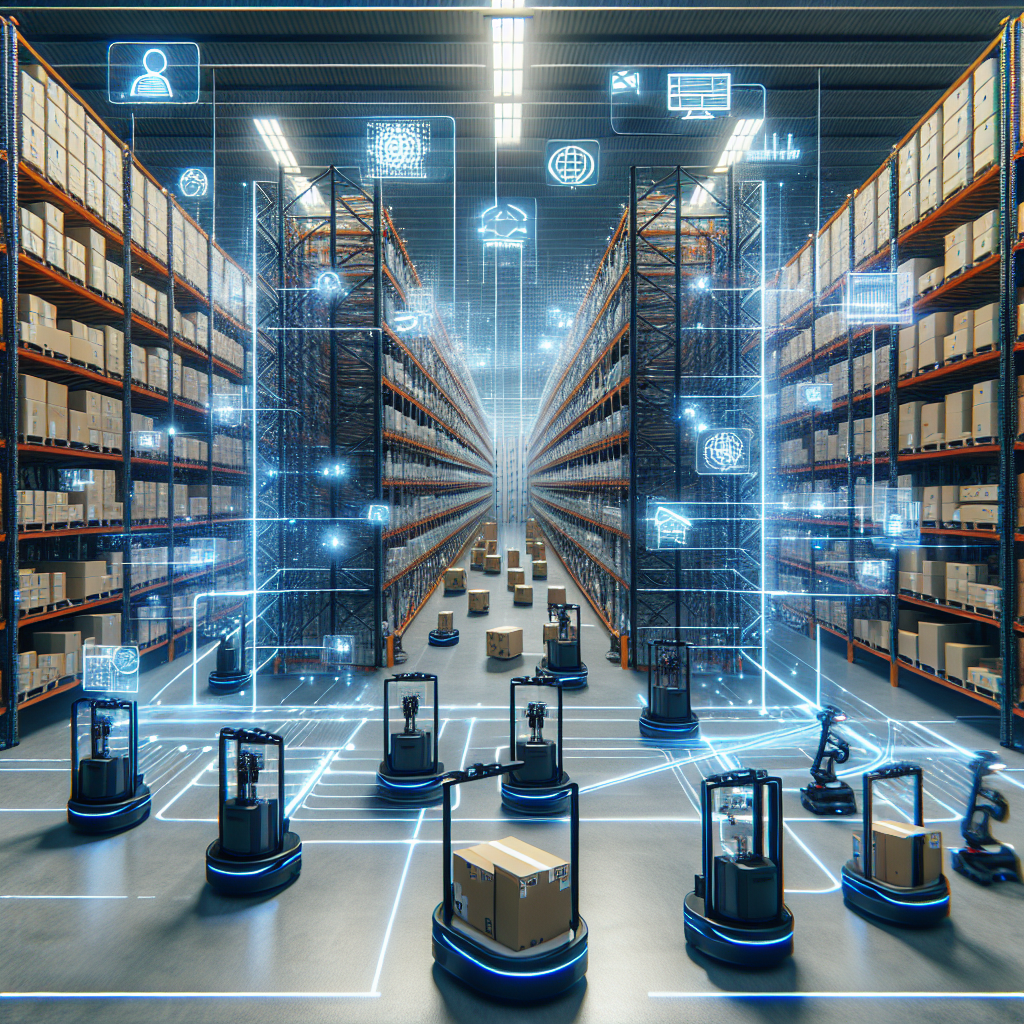
One of the most tangible benefits of combining AI-powered demand forecasting with continuous S&OP planning is meaningful lead time reduction. By identifying demand shifts earlier and aligning supply chain responses in near real-time, organizations can shorten the time from order placement to delivery without sacrificing service levels.
A notable example is Amazon’s supply chain, which uses AI-driven replenishment models to position inventory closer to end customers before demand spikes occur—a strategy that has contributed to reducing average delivery times from days to hours in key markets. Businesses of all sizes can apply scaled versions of this approach using modern AI planning platforms available today.
● Earlier demand signal detection directly enables lead time reduction
● AI-driven replenishment models pre-position inventory for faster fulfillment
● Scalable AI platforms make these capabilities accessible beyond enterprise-level companies
Key Takeaways
AI-powered demand forecasting and continuous S&OP planning are no longer future concepts—they are practical, proven strategies reshaping supply chain analytics and performance today. Organizations that adopt these tools gain a significant competitive advantage through smarter decisions, faster responses, and lower operational costs.
● AI-powered demand forecasting reduces errors by up to 50% and improves inventory availability
● Continuous S&OP planning replaces outdated monthly cycles with real-time, dynamic alignment
● Advanced supply chain analytics enables both predictive insights and prescriptive recommendations
● Lead time reduction is a direct and measurable benefit of integrating AI with continuous planning
● Companies of all sizes can leverage scalable AI platforms to compete with supply chain leaders
Want to explore more strategies for optimizing your supply chain? Visit BestInSupplies.com for expert insights, product comparisons, and resources covering the latest in supply chain technology, procurement, and operations management.