






If you’ve ever wondered why a shipment went missing or why your shelves were empty despite a full warehouse somewhere upstream, you’re not alone. Supply chain visibility has become one of the hottest topics in operations management — and for good reason. Modern supply networks are complex, global, and incredibly sensitive to disruption. Thankfully, a new wave of technology is helping businesses finally see the full picture, from raw materials to the customer’s doorstep.
What Is End-to-End Supply Chain Visibility (And Why It Matters)?
End-to-end supply chain visibility means having a clear, real-time view of every stage in your supply chain — from supplier sourcing all the way through to final delivery. Think of it like turning on the lights in a room you’ve been navigating in the dark for years.
Without this kind of visibility, businesses are essentially reacting to problems after the fact. With it, they can anticipate disruptions, reduce waste, and make smarter decisions faster. According to a Gartner report on supply chain trends, organizations with advanced visibility capabilities experience significantly fewer disruptions and recover from them up to 3x faster than those without.
● End-to-end visibility covers every node in your supply network, not just your immediate suppliers
● Businesses with real visibility tools recover from disruptions significantly faster
● Visibility starts with data — and lots of it
The Role of Real-Time IoT Inventory Tracking in Modern Logistics
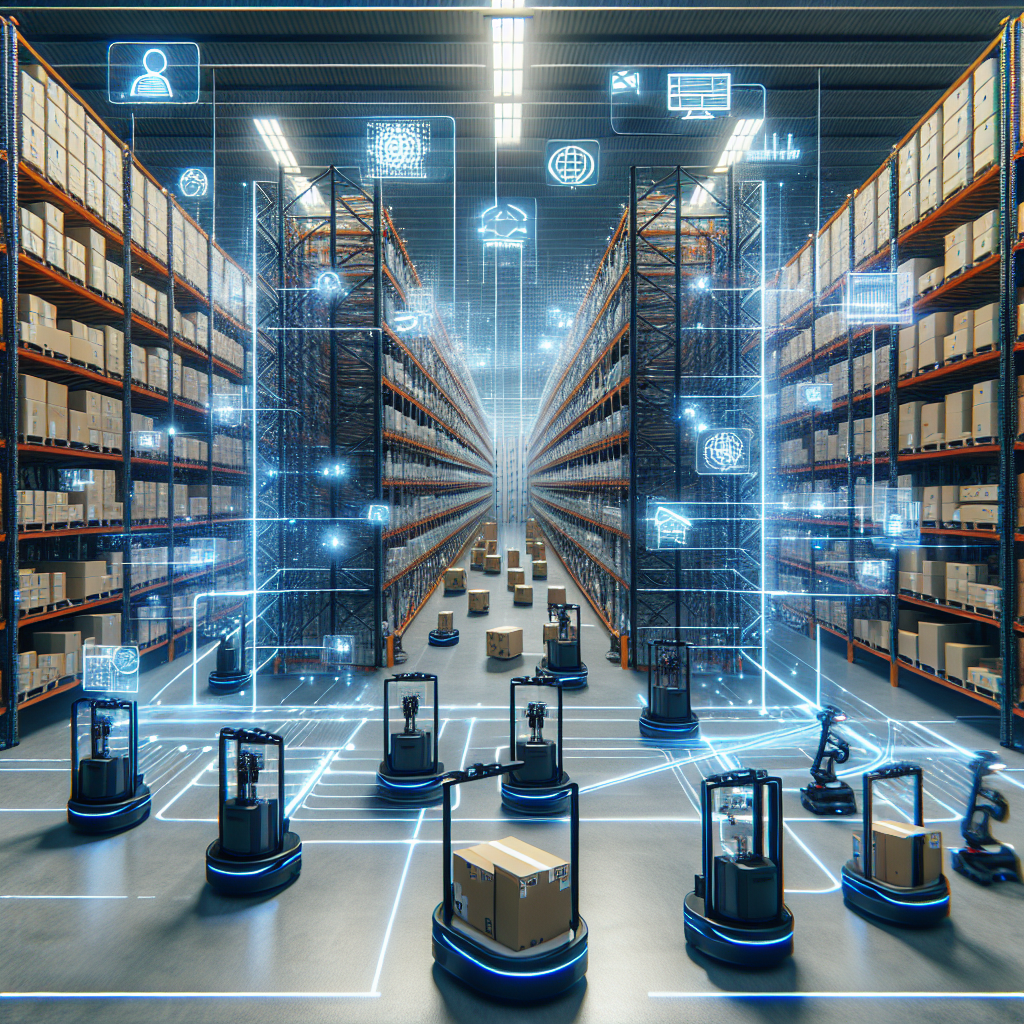
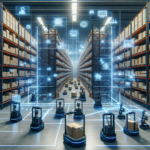
One of the biggest game-changers driving supply chain visibility today is real-time IoT inventory tracking. IoT (Internet of Things) sensors attached to shipments, pallets, and even individual products continuously transmit location, temperature, humidity, and condition data throughout their journey.
For example, a pharmaceutical company shipping temperature-sensitive vaccines can use IoT-enabled cold chain monitoring to receive instant alerts if a refrigerated container exceeds safe temperature ranges — preventing millions of dollars in product loss and, more importantly, protecting public health. Similarly, a large electronics retailer can track high-value components from a factory in Southeast Asia through customs, fulfillment centers, and right to the store shelf, all in real time.
The numbers back this up: companies using real-time IoT inventory tracking have reported inventory accuracy improvements of up to 25% and reductions in carrying costs of around 20%, according to research from McKinsey’s Operations Practice. That’s not just a nice-to-have — that’s a serious competitive edge.
● IoT sensors provide continuous, condition-based updates on shipments and stock
● Real-time tracking reduces inventory errors and lowers carrying costs
● Industries like pharma and electronics are leading early adoption
Understanding Multi-Tier Supplier Visibility
Why Just Watching Your Direct Suppliers Isn't Enough
Most companies have a pretty good handle on their Tier 1 suppliers — the vendors they work with directly. But multi-tier supplier visibility goes deeper, extending insight into Tier 2, Tier 3, and even further upstream suppliers that your direct vendors rely on.
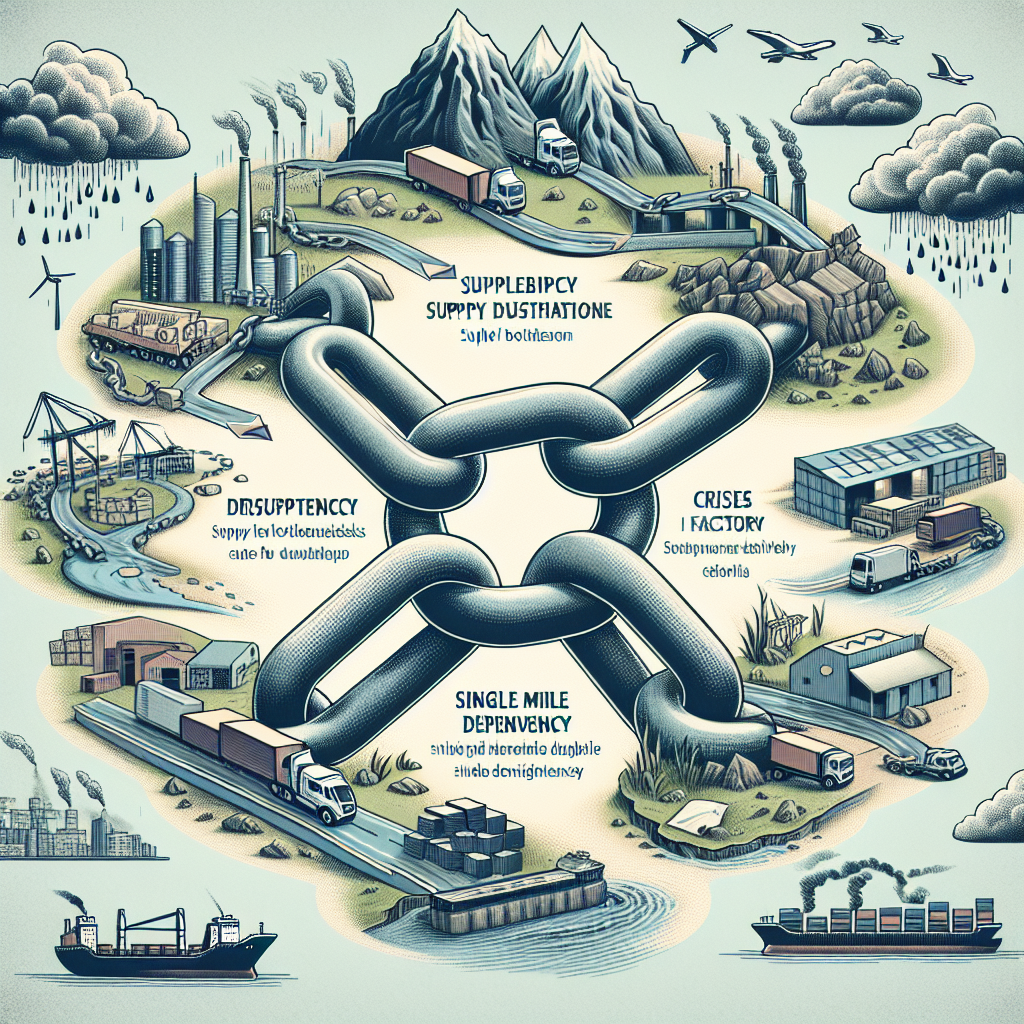
Here’s why that matters: during a global semiconductor shortage, many automakers discovered that their Tier 1 suppliers were dependent on a small number of Tier 2 chip manufacturers they had never even heard of. Without multi-tier supplier visibility, these automakers had no early warning, no backup plan, and no leverage — resulting in factory shutdowns and billions in lost production.
● Multi-tier supplier visibility reveals hidden dependencies that can cripple operations
● Tier 2 and Tier 3 disruptions can cascade rapidly without early warning systems
● Mapping your supplier network is the first step toward resilience
How to Start Building Multi-Tier Supplier Visibility
Getting visibility beyond your direct suppliers requires a combination of supplier collaboration, data sharing agreements, and smart technology platforms. Many businesses start by simply asking their Tier 1 suppliers to disclose their own key vendors — a process known as supplier mapping.
From there, end-to-end visibility platforms can ingest and analyze this data at scale, flagging risk concentrations, geographic vulnerabilities, and compliance issues automatically. It’s a collaborative process, but the payoff in supply chain resilience is substantial. You can learn more about building smarter procurement processes at BestInSupplies.com.
● Start with supplier mapping to build a foundation of multi-tier awareness
● Data-sharing agreements unlock upstream intelligence
● Technology platforms automate risk flagging across supplier tiers
End-to-End Visibility Platforms: The Technology Powering It All
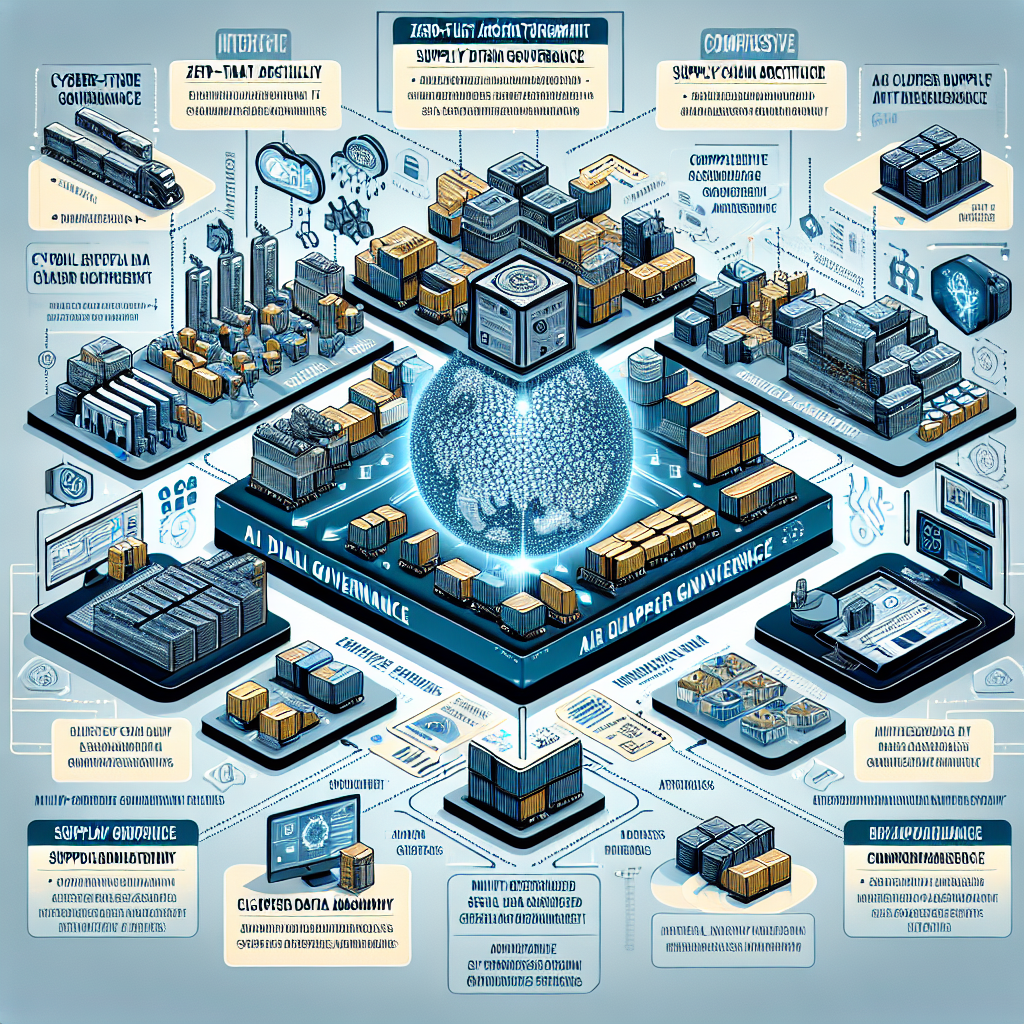
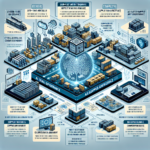
End-to-end visibility platforms are the digital backbone that ties all of these data streams together. These platforms aggregate information from IoT devices, ERP systems, shipping carriers, customs databases, and supplier portals into a single, unified dashboard.
Leading solutions like project44 and SAP Supply Chain Management offer real-time freight visibility, predictive analytics, and automated exception management. What used to require a team of analysts manually checking spreadsheets can now be handled automatically, with alerts sent the moment something deviates from the plan.
The best platforms also integrate directly with demand forecasting tools, creating a closed-loop system where what’s happening on the supply side automatically informs purchasing and production decisions. This kind of integration is what separates reactive supply chains from truly intelligent ones.
● End-to-end visibility platforms consolidate data from multiple sources into one view
● Leading tools offer predictive analytics and automated alerts
● Integration with forecasting tools creates a proactive, closed-loop supply chain
Demand Forecasting: The Missing Piece in the Visibility Puzzle
All the tracking in the world won’t help much if you don’t know what demand is coming down the pipeline. Demand forecasting for supply chain management uses historical data, market signals, and increasingly AI-driven models to predict what customers will need — and when.
When demand forecasting is connected to your visibility platform, the benefits multiply quickly. For instance, a consumer goods company might detect early signals of a demand spike for a seasonal product and immediately trigger purchase orders upstream — before competitors even notice the trend. This kind of anticipatory buying reduces stockouts, lowers expediting costs, and keeps customers happy.
Companies that integrate demand forecasting with real-time supply chain data have seen forecast accuracy improve by 10–20%, according to research from the International Data Corporation (IDC). That improvement ripples out across the entire operation, from procurement to warehousing to last-mile delivery.
● Demand forecasting predicts customer needs before they materialize
● Connecting forecasts to live supply data enables proactive procurement decisions
● Improved forecast accuracy reduces stockouts and lowers operational costs
Key Takeaways
Supply chain visibility isn’t just a buzzword — it’s a fundamental competitive advantage in today’s volatile, interconnected marketplace. By combining real-time IoT inventory tracking, multi-tier supplier visibility, powerful end-to-end visibility platforms, and smart demand forecasting, businesses can move from constantly firefighting to confidently leading. Here’s what to keep in mind:
● End-to-end supply chain visibility gives you a real-time view of every stage, from raw materials to final delivery
● IoT tracking dramatically improves inventory accuracy and reduces costly disruptions
● Multi-tier supplier visibility exposes hidden upstream risks before they become crises
● End-to-end visibility platforms unify data streams and automate exception management
● Integrating demand forecasting with live supply data creates a smarter, more resilient operation
Want to dive deeper into smart supply chain strategies, tools, and product insights? Head over to BestInSupplies.com for more helpful guides, product reviews, and expert resources to help you build a smarter, more resilient supply operation.