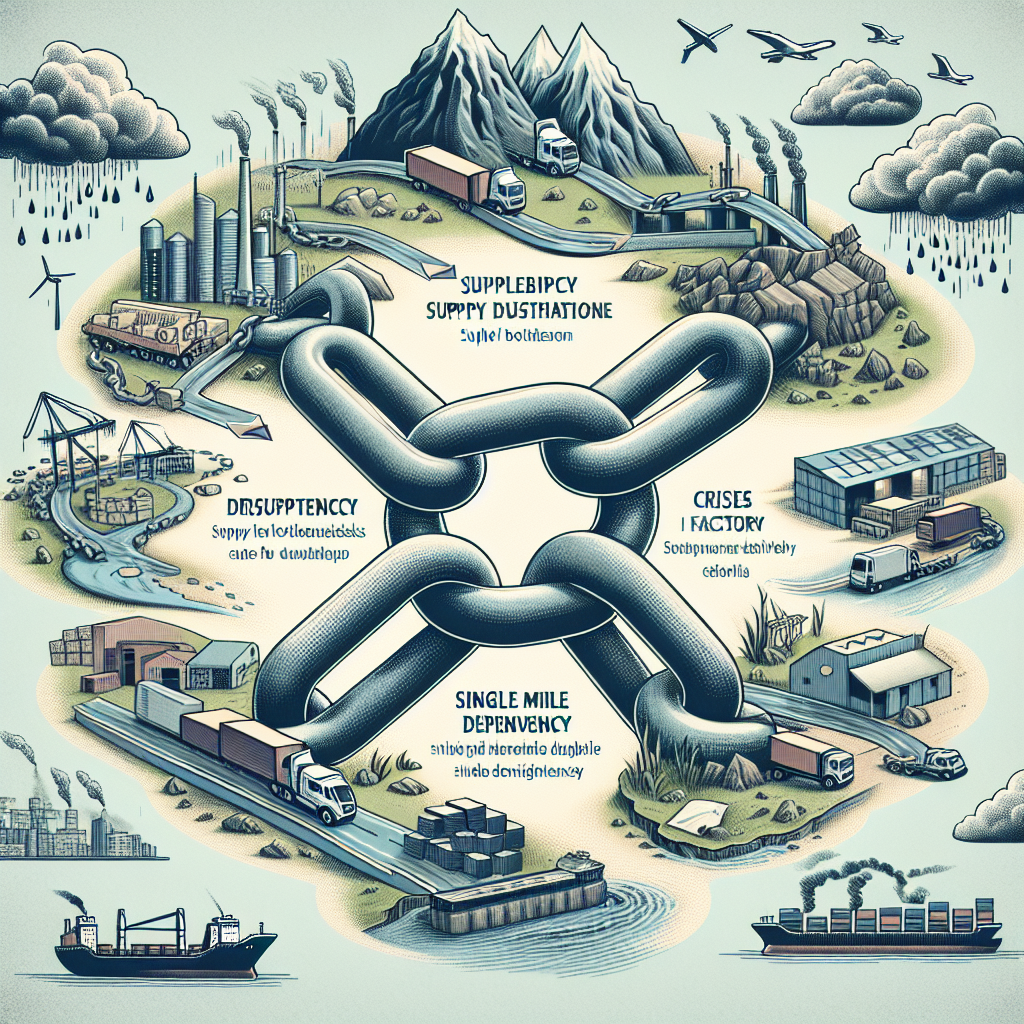







If it feels like everything is harder to get these days, you’re not imagining it. From the pills in your medicine cabinet to the car in your driveway, global supply chains are under serious strain. Whether it’s a pharmaceutical supply chain bottleneck or a stubborn semiconductor shortage, the ripple effects are touching nearly every industry — and every household. Let’s break down what’s happening, why it matters, and what you can do about it.
The Pharmaceutical Supply Chain: A System Under Stress
The pharmaceutical supply chain has been struggling with fragility that was years in the making. A significant portion of active pharmaceutical ingredients (APIs) — the core components in most medications — are manufactured in just a handful of countries, primarily India and China. When disruptions hit those regions, shortages cascade globally almost immediately.
A striking example: in recent years, the U.S. has faced shortages of critical drugs like amoxicillin, chemotherapy agents, and even basic saline solutions. The FDA’s drug shortage database has listed hundreds of medications at any given time, signaling that medical supply shortages are far from isolated incidents.
The good news is that governments and private companies are starting to respond. Initiatives like the U.S. BIOSECURE Act aim to reduce dependence on foreign-manufactured pharmaceuticals, while companies like Pfizer and Eli Lilly are investing in domestic manufacturing capacity. It’s a slow fix, but it’s moving in the right direction.
● API concentration in a few countries creates systemic vulnerability
● Medical supply shortages affect hundreds of drugs simultaneously
● Legislative and private-sector efforts are underway to build domestic resilience
Semiconductor Shortage: Still Shaking the Tech and Automotive Worlds
The semiconductor shortage that exploded during the pandemic hasn’t fully resolved — it’s just changed shape. While consumer electronics have somewhat stabilized, the automotive and industrial sectors are still feeling the pinch. Modern vehicles can contain anywhere from 1,000 to 3,000 chips each, making the automotive supply chain crisis deeply intertwined with chip availability.
Ford and General Motors both idled plants and cut production runs in recent years due to chip shortfalls, costing the auto industry an estimated $210 billion in lost revenue globally. Meanwhile, the CHIPS and Science Act in the U.S. committed over $52 billion to boost domestic semiconductor production, with companies like Intel and TSMC building new fabs in Arizona and Ohio.
Even with new fabs coming online, the lead time to build and certify a semiconductor manufacturing facility can be five to ten years. So while the long-term outlook is more optimistic, the automotive supply chain crisis and broader tech manufacturing delays will likely persist for some time. Learn more about how manufacturers are adapting at BestInSupplies.com.
● Modern vehicles require thousands of chips, amplifying shortfall impacts
● The CHIPS Act is investing $52 billion in domestic semiconductor capacity
● New fab construction timelines mean relief is still years away
Food Supply Chain Disruption: From Farm to Empty Shelf
Food supply chain disruption has become one of the most visible and personally felt aspects of the global crisis. Extreme weather events, geopolitical conflicts, and rising fuel costs have combined to push food prices higher and availability lower in many regions. The war in Ukraine alone disrupted roughly 30% of the world’s wheat exports, sending shockwaves through global grain markets.
Closer to home, avian flu outbreaks decimated poultry flocks across North America, contributing to egg and chicken shortages. Meanwhile, supply chain delays in refrigerated transport — driven partly by a truck driver shortage estimated at 80,000 drivers in the U.S. — have led to spoilage and unpredictable restocking at grocery stores. The food supply chain disruption isn’t just an inconvenience; it’s a food security issue for vulnerable populations.
Retailers and food producers are responding by diversifying sourcing, investing in vertical farming, and leaning on technology like AI-powered demand forecasting. Check out resources from the Food and Agriculture Organization (FAO) for a deeper look at global food security trends.
● Ukraine conflict disrupted roughly 30% of global wheat exports
● A U.S. truck driver shortage of ~80,000 worsens food distribution delays
● Technology and supply diversification are emerging as key solutions
Energy Supply Disruption: The Invisible Hand Behind Every Crisis
Energy supply disruption acts as a multiplier across all other supply chain problems. When energy prices spike — as they did sharply after sanctions on Russian oil and gas — manufacturing, transportation, and refrigeration costs all climb together. This creates a compounding effect that makes every other shortage worse and more expensive to manage.
Europe felt this acutely, with natural gas prices reaching record highs and forcing some industrial manufacturers to temporarily shut down operations. Chemical plants, fertilizer producers, and steel mills — all critical inputs for other supply chains — were among the hardest hit. The energy supply disruption essentially acted as a tax on the entire global production system.
The accelerating shift toward renewable energy and battery storage offers a longer-term path to stability, but transitioning large-scale industrial energy dependency takes time and massive infrastructure investment. For now, energy volatility remains a wildcard that every supply chain manager has to plan around.
● Energy price spikes compound costs across manufacturing and transport
● European industrial shutdowns illustrated energy’s systemic role
● Renewable transition offers future stability but requires long-term investment
Retail and Construction: Two More Industries Feeling the Heat
Retail Supply Chain Pressures
The retail supply chain has been on a rollercoaster, swinging from pandemic-era stockouts to post-pandemic overstock situations that hurt margins. Major retailers like Target and Walmart publicly wrote down billions in excess inventory after consumer behavior shifted faster than their ordering systems could track.
Now, the challenge has evolved into precision inventory management — carrying just enough stock without over-committing, all while dealing with unpredictable lead times from overseas manufacturers. BestInSupplies.com covers how smart sourcing strategies can help retailers stay competitive even in choppy supply conditions.
Construction Supply Delays Still Slowing Growth
Construction supply delays have added months — sometimes years — to project timelines across residential, commercial, and infrastructure development. Lumber prices famously spiked over 300% at their peak during the pandemic, and while they’ve partially corrected, availability of specific materials like electrical components and HVAC equipment remains inconsistent.
According to Associated Builders and Contractors, material cost increases have contributed to a significant portion of project budget overruns industry-wide. The construction supply delays are particularly problematic given the urgent need for housing and infrastructure investment in many countries. For industry benchmarking data, the Associated General Contractors of America (AGC) publishes regular supply chain reports worth bookmarking.
● Retail chains swung from shortages to costly overstock in short succession
● Construction delays are stretching timelines and inflating project budgets
● Both sectors are leaning on data and smarter procurement to adapt
Key Takeaways
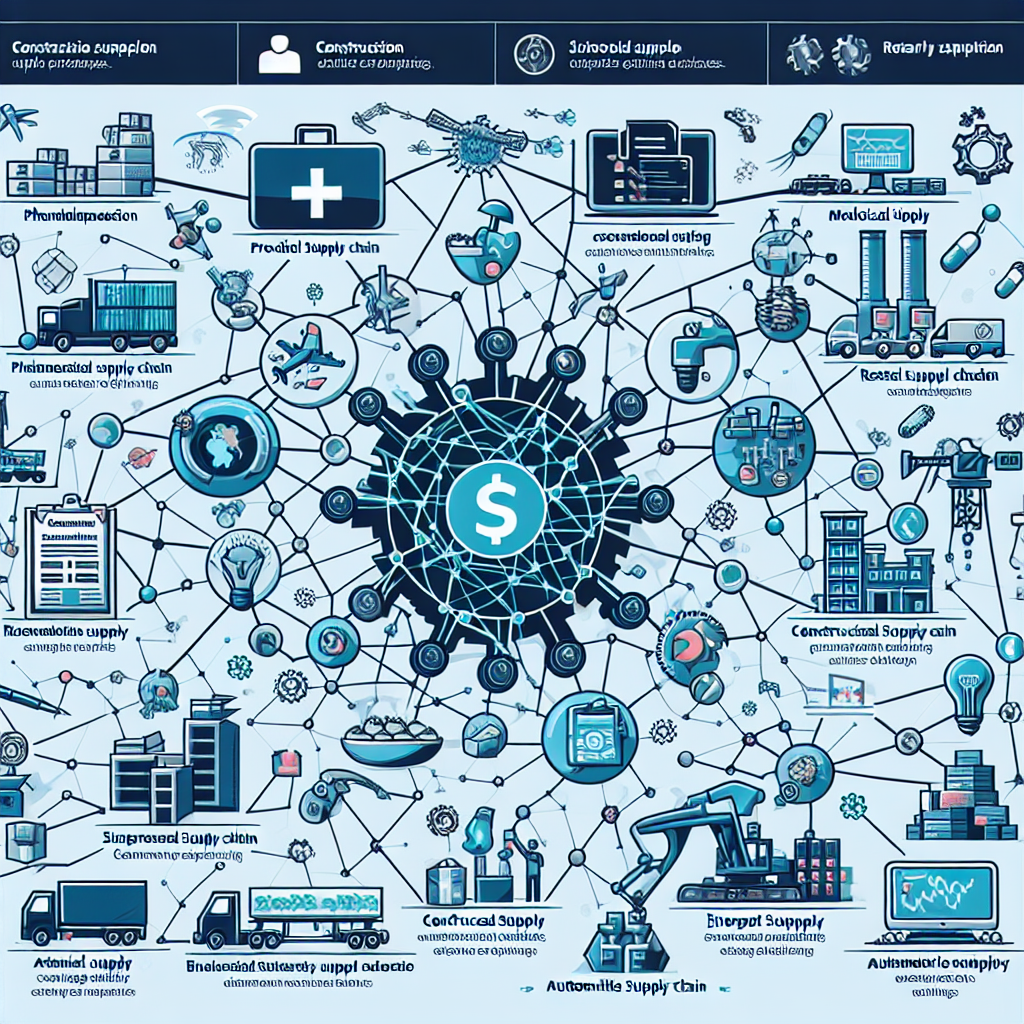
The global supply chain crisis isn’t one problem — it’s a web of interconnected pressures spanning pharmaceuticals, food, technology, energy, retail, and construction. Understanding how these systems interact is the first step toward making smarter purchasing and planning decisions. Here’s what to keep in mind:
● The pharmaceutical supply chain and medical supply shortage risk stems largely from API overconcentration in a few countries
● The semiconductor shortage continues to drive the automotive supply chain crisis and tech delays despite major government investment
● Food supply chain disruption is a multi-factor problem touching geopolitics, weather, and logistics simultaneously
● Energy supply disruption amplifies every other supply chain challenge by raising costs across the board
● Retail supply chain and construction supply delays require agile, data-driven strategies to navigate effectively
Want to stay ahead of the curve on supply chain trends, product availability, and smart sourcing strategies? Visit BestInSupplies.com for expert insights, product guides, and the latest updates on industries under pressure. We’re here to help you find what you need, when you need it.