






Supply chain disruption has emerged as one of the most serious threats facing businesses of every size and industry. From sudden raw material shortages to widespread logistics disruption, the vulnerabilities embedded in modern supply networks have never been more exposed. Understanding these risks — and building genuine supply chain resilience — is no longer optional; it is a strategic imperative for long-term business survival.
Understanding Supply Chain Vulnerability and Fragility
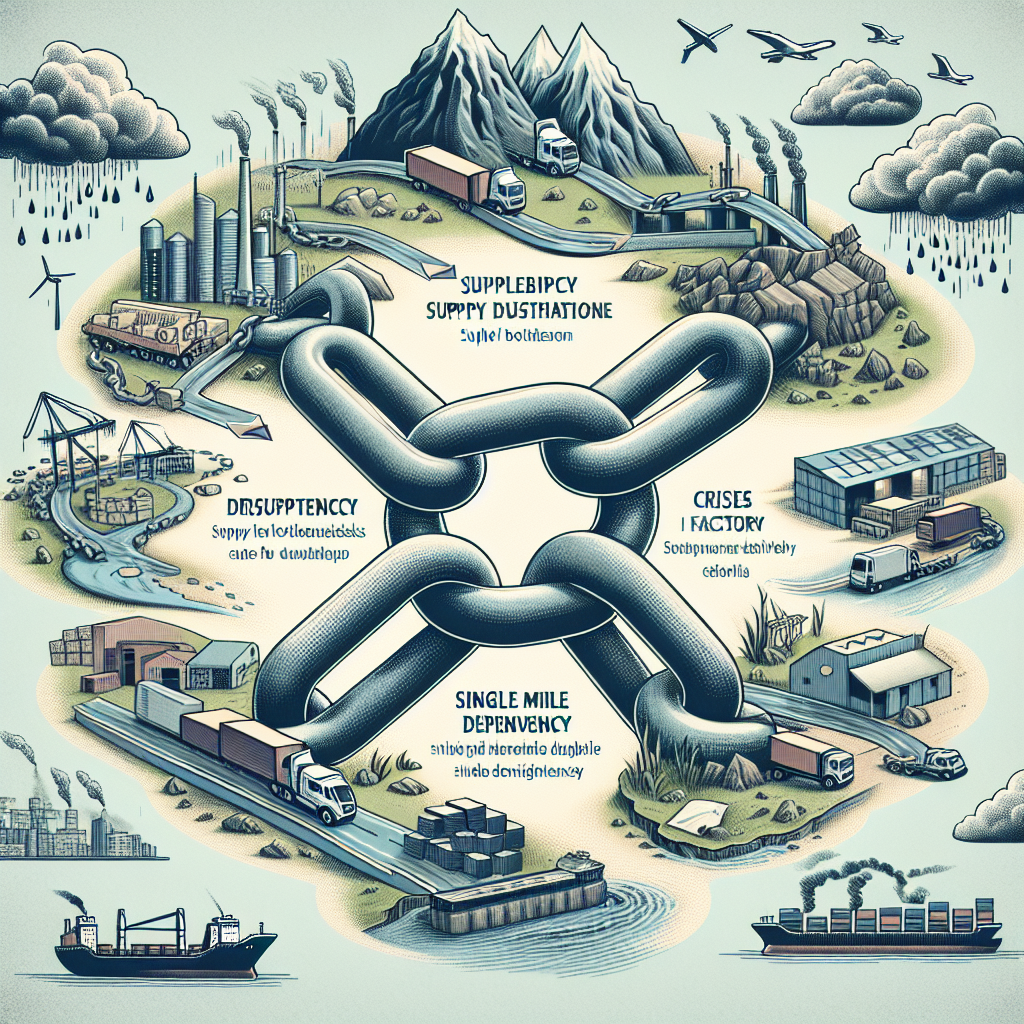
Modern supply chains are marvels of efficiency, but that efficiency often comes at the cost of resilience. Decades of lean manufacturing and just-in-time inventory strategies have created significant supply chain fragility, leaving businesses with little buffer when conditions shift unexpectedly.
A striking example is the global semiconductor shortage that began in 2020 and rippled through industries well into 2023. Automotive manufacturers like Ford and GM halted production lines, losing billions in revenue because of a single-source dependency on chip suppliers concentrated in Taiwan and South Korea. This crisis illustrated how supply chain vulnerability in one node can cascade across entire industries.
Recognizing where fragility exists in your supply network is the critical first step toward protection. Regular supply chain audits, supplier financial health assessments, and demand-scenario modeling are foundational tools that help businesses identify weak points before they become breaking points.
● Lean inventory models reduce costs but increase exposure to supply chain shock
● Single source dependency is among the highest-risk factors in any supply network
● Proactive auditing helps identify supply chain vulnerability before a crisis strikes
Key Causes of Supply Chain Disruption
Raw Material Shortage and Supplier Failure
A raw material shortage can halt production almost overnight, especially in industries reliant on commodities like lithium, cobalt, or lumber. The 2021 lumber price surge — which saw prices rise over 300% — devastated construction timelines and budgets across North America, demonstrating how quickly a supply shortage can destabilize even well-run operations.
Supplier failure is another critical risk category. When a key vendor experiences financial collapse, a natural disaster, or a cyberattack, buyers who lack alternative sourcing options face immediate operational crises. According to a Gartner supply chain risk management report, over 80% of companies have experienced a supplier disruption event in recent years, yet fewer than half have documented contingency plans.
● Commodity-dependent industries face acute exposure to raw material shortage events
● Supplier failure without backup sourcing can stop production entirely
● Documented contingency plans significantly reduce recovery time after disruption
Logistics Disruption, Port Congestion, and Transportation Bottlenecks
Logistics disruption remains one of the most visible and economically damaging forms of supply chain crisis. The 2021–2022 port congestion events at the ports of Los Angeles and Long Beach left hundreds of container ships anchored offshore for weeks, creating transportation bottlenecks that delayed goods for months and drove freight costs to historic highs.
Freight delays compound over time, affecting not only the immediate shipment but downstream production schedules, retailer inventory, and ultimately the end customer experience. Businesses that relied heavily on single shipping lanes or single freight carriers were disproportionately impacted, reinforcing the value of diversified logistics strategies.
● Port congestion and transportation bottlenecks can persist for months, not days
● Freight delays ripple upstream and downstream across the entire supply chain
● Diversified carrier and routing strategies reduce exposure to logistics disruption
Cold Chain Disruption and Last Mile Delivery Problems
For industries dealing in perishable goods, pharmaceuticals, or temperature-sensitive products, cold chain disruption carries uniquely severe consequences. A single refrigeration failure in transit can destroy an entire shipment, resulting in financial losses, regulatory violations, and public health concerns.
Last mile delivery problems have intensified with the rise of e-commerce. According to McKinsey research on last mile logistics, the last mile accounts for up to 53% of total shipping costs and is the segment most prone to delay, damage, and customer dissatisfaction. For businesses selling directly to consumers, these problems translate directly into lost revenue and damaged brand reputation.
● Cold chain disruption can result in total product loss and compliance failures
● Last mile delivery problems represent both a cost and customer experience risk
● Temperature monitoring technology and redundant carrier agreements reduce cold chain exposure
Building Supply Chain Resilience Through Risk Management
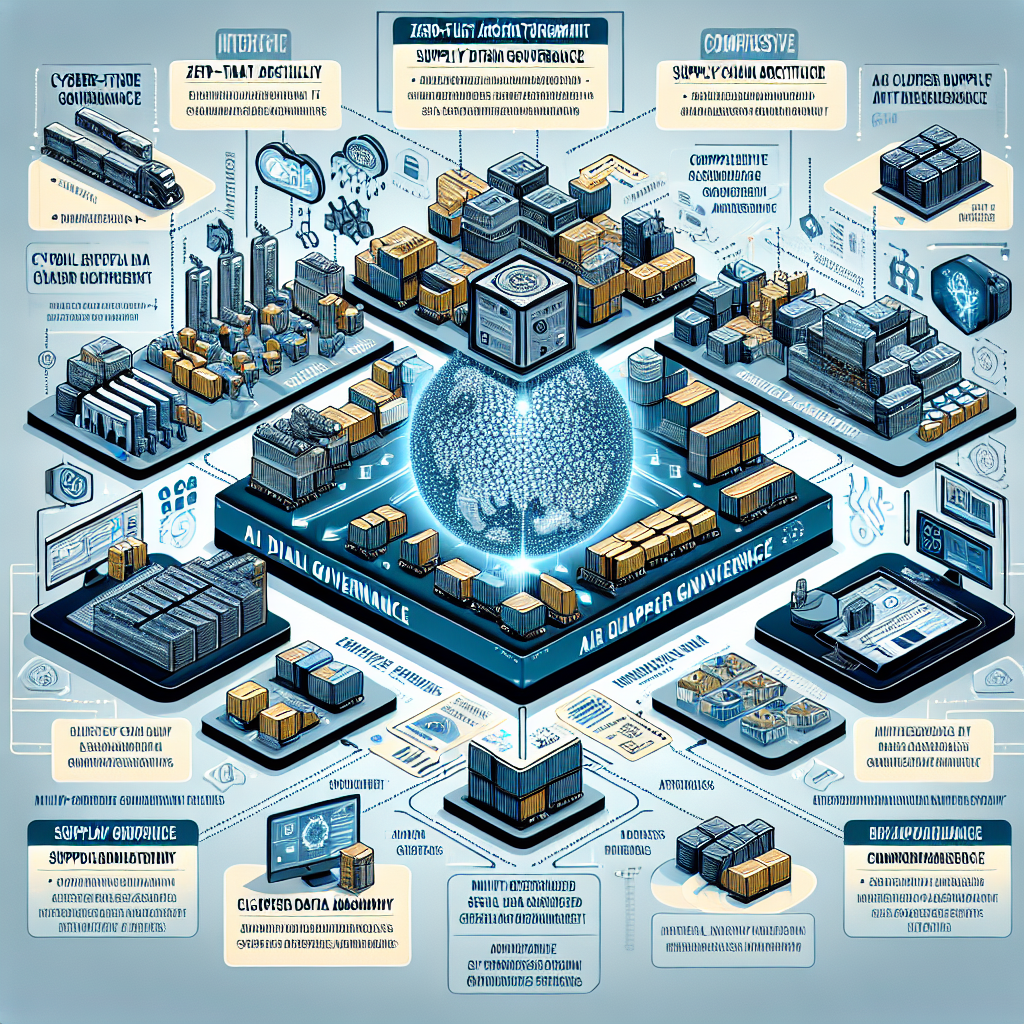
Effective supply chain risk management requires a layered approach that spans supplier diversification, inventory strategy, technology investment, and contingency planning. Businesses that have invested in resilience consistently recover faster and with lower financial impact when supply chain shocks occur.
One proven strategy is the adoption of multi-sourcing for critical inputs, ensuring that no single supplier accounts for more than a defined percentage of total procurement. Companies like Apple, despite their scale, have significantly expanded their supplier base across Southeast Asia and India to reduce geographic concentration risk and minimize exposure to supply chain bottlenecks tied to any single region.
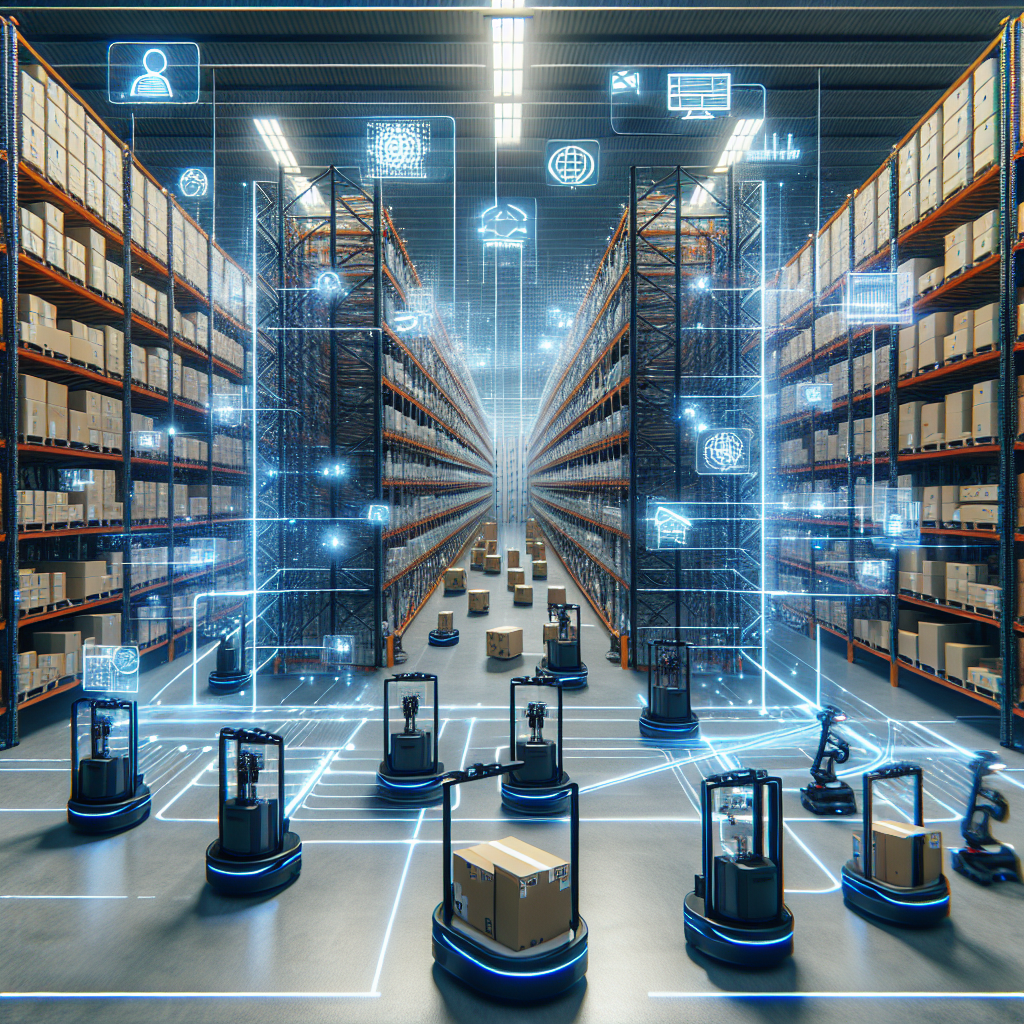
Technology platforms that provide real-time supply chain visibility — such as those offered by SAP Supply Chain Management or similar enterprise solutions — enable faster detection of emerging disruptions and more agile responses. Pairing visibility tools with pre-negotiated emergency sourcing agreements gives businesses a decisive advantage when supply chain crises arise. You can also explore procurement guidance and supplier resources at BestInSupplies.com to support your sourcing strategy.
● Multi-sourcing reduces single source dependency and distributes supply chain risk
● Real-time visibility tools accelerate detection of and response to supply chain disruption
● Pre-negotiated emergency agreements provide critical flexibility during a supply chain crisis
Practical Steps to Protect Your Business from Supply Chain Shock
Every business, regardless of size, can take actionable steps today to reduce exposure to supply chain shock. Begin with a comprehensive risk mapping exercise that identifies every critical input, supplier, logistics partner, and geographic concentration point in your operation.
Next, establish safety stock levels for your highest-risk SKUs and negotiate flexible replenishment terms with key suppliers. While carrying additional inventory has a cost, that cost is predictable and manageable compared to the revenue loss associated with a prolonged supply shortage or production stoppage.
Finally, build formal crisis response protocols that define escalation paths, communication responsibilities, and alternative sourcing triggers. Companies with tested business continuity plans consistently outperform unprepared competitors during periods of industry-wide supply chain fragility.
● Risk mapping is the foundation of any credible supply chain resilience strategy
● Safety stock and flexible replenishment terms buffer against supply shortage events
● Formal crisis protocols reduce decision-making delays when supply chain disruption strikes
Key Takeaways
Supply chain disruption is an inevitable reality of operating in today’s global economy, but its impact on your business is not. By understanding the root causes — from raw material shortage and supplier failure to logistics disruption and last mile delivery problems — and by investing in supply chain resilience, you can protect your operations, your customers, and your bottom line.
● Supply chain fragility is often the result of deliberate efficiency choices that sacrifice resilience
● Single source dependency and geographic concentration are among the highest-risk factors in any supply network
● Diversified sourcing, real-time visibility, and safety stock are the cornerstones of supply chain risk management
● Cold chain disruption and last mile delivery problems require targeted, specialized mitigation strategies
● Proactive planning and tested contingency protocols dramatically reduce the business impact of any supply chain crisis
For more expert guidance on procurement, sourcing strategy, and supply chain management, visit BestInSupplies.com to explore related resources and tools designed to help your business stay resilient in an unpredictable world.