






The Future of Manufacturing Is Here
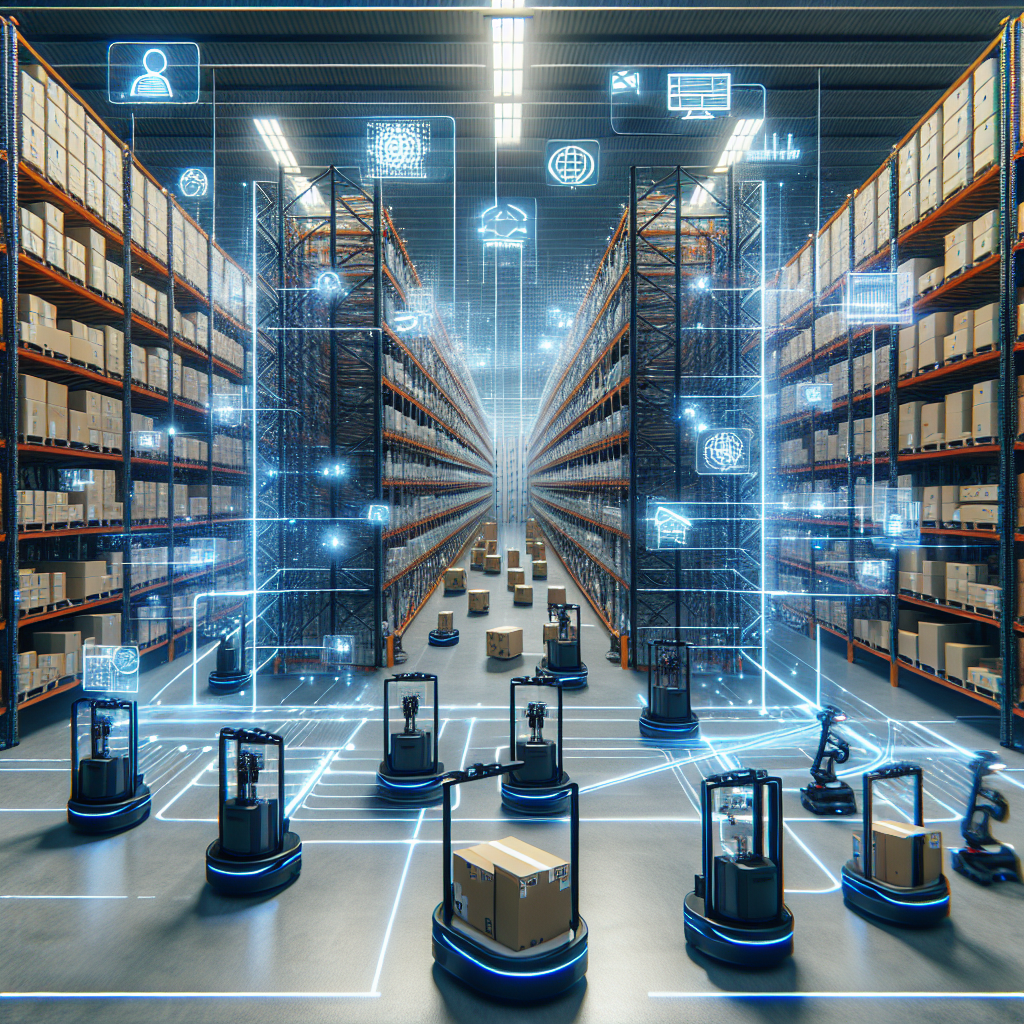
Imagine a factory floor where materials flow seamlessly from receiving to production to shipping without a single manual intervention. This isn’t science fiction—it’s the reality of zero-touch logistics orchestration powered by cutting-edge technology. Today’s smart factories are leveraging autonomous mobile robots AMR and warehouse edge computing to create supply chains that run with unprecedented efficiency and minimal human oversight.
The convergence of these technologies represents a quantum leap forward in Industry 4.0 smart factory integration, fundamentally changing how manufacturers think about internal logistics and material handling.
What Is Zero-Touch Logistics Orchestration?
Zero-touch logistics orchestration refers to the complete automation of material movement and supply chain operations within a manufacturing facility. Rather than relying on human decision-making and manual processes, these systems use intelligent software, sensors, and robotics to manage everything from inventory tracking to product routing automatically.
The “zero-touch” aspect means that once materials enter the facility, they’re automatically identified, sorted, transported, and delivered to the right location at the right time—all without human intervention. This approach dramatically reduces errors, speeds up operations, and frees up your workforce to focus on higher-value tasks that require human creativity and problem-solving skills.
Autonomous Mobile Robots: The Workhorses of Smart Factories
At the heart of zero-touch logistics orchestration are autonomous mobile robots AMR. Unlike their predecessors—traditional automated guided vehicles (AGVs) that follow fixed paths—AMRs navigate dynamically using sophisticated sensors and mapping technology. They can detect obstacles, choose optimal routes, and adapt to changing floor layouts in real-time.
How AMRs Transform Material Handling
AMRs excel at repetitive transport tasks that would otherwise tie up valuable human resources. They shuttle raw materials from warehouse storage to production lines, move work-in-progress between manufacturing stations, and transport finished goods to shipping areas. What makes them truly revolutionary is their flexibility—you can reprogram their routes and tasks through simple software updates rather than physically reconfiguring your facility.
These robots work collaboratively alongside human workers, creating a harmonious environment where each contributes what they do best. The robots handle the predictable, physically demanding transport work, while people focus on quality control, problem-solving, and process optimization.
Integration with Manufacturing Systems
Modern AMRs don’t operate in isolation. They integrate seamlessly with your existing warehouse management systems, enterprise resource planning software, and manufacturing execution systems. This Industry 4.0 smart factory integration ensures that robot activities align perfectly with production schedules, inventory levels, and shipping deadlines.
The Critical Role of Warehouse Edge Computing
While AMRs provide the physical muscle for zero-touch logistics orchestration, warehouse edge computing supplies the brains. Edge computing brings data processing and decision-making capabilities directly to the factory floor rather than relying on distant cloud servers.
Real-Time Decision Making
In a smart factory environment, milliseconds matter. Warehouse edge computing enables instantaneous processing of sensor data, video feeds, and operational metrics. This means your AMRs can make navigation decisions, adjust routes based on traffic patterns, and respond to changing conditions without the latency that comes from sending data to the cloud and back.
Edge computing also enhances reliability. If internet connectivity drops, your edge-enabled systems continue operating using local processing power, ensuring your logistics operations never grind to a halt due to network issues.
Enhanced Security and Data Privacy
By processing sensitive operational data locally through warehouse edge computing, you maintain greater control over your proprietary information. Manufacturing processes, production volumes, and logistics patterns stay within your facility rather than traveling across potentially vulnerable internet connections.
The Magic Happens When Technologies Converge
The true power of zero-touch logistics orchestration emerges when autonomous mobile robots AMR and warehouse edge computing work together as an integrated ecosystem. Edge computing platforms serve as the coordination layer, analyzing data from all your AMRs, sensors, and manufacturing systems simultaneously to optimize the entire operation.