








Understanding Today’s Supply Chain Challenges
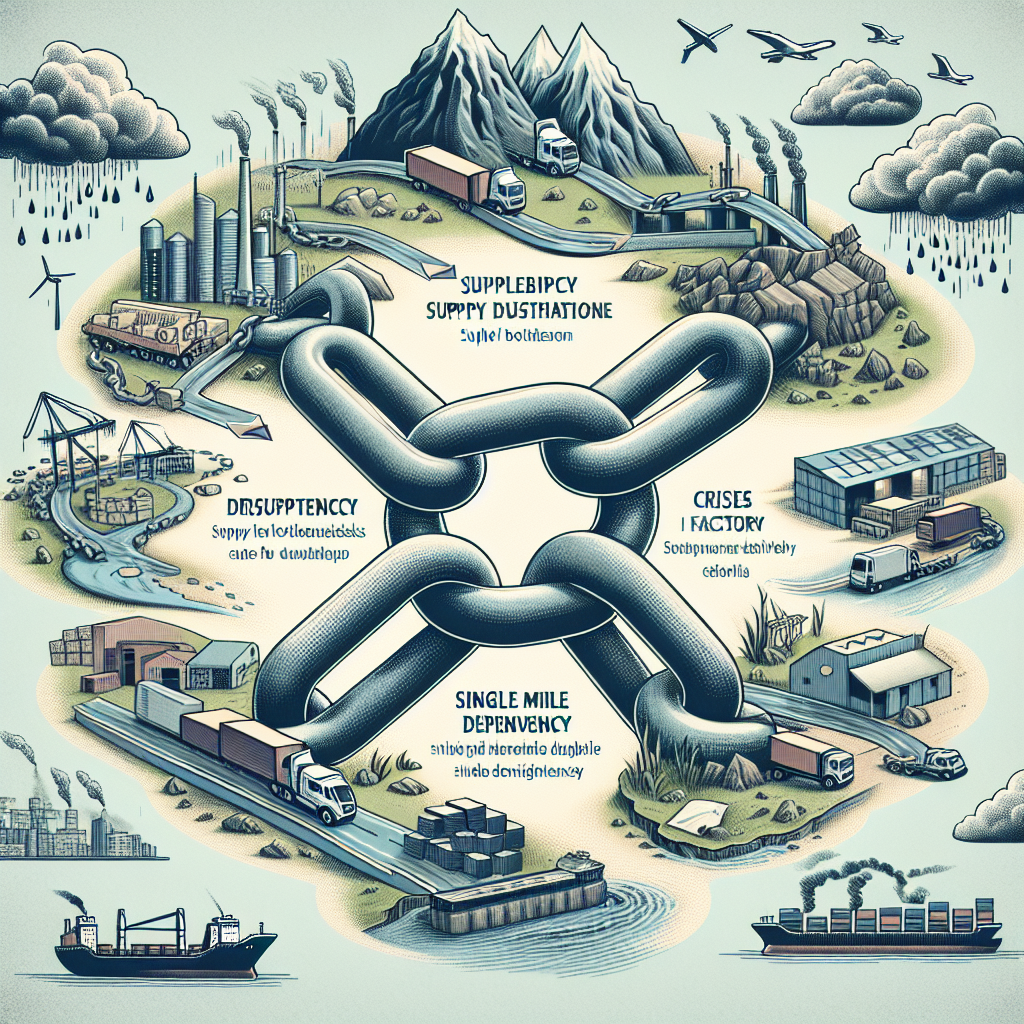
If you’ve been in business over the past few years, you’ve probably experienced your fair share of shipping disruption and logistics disruption headaches. From pandemic-related shutdowns to global events that ripple through international trade routes, supply chain challenges have become the new normal. The good news? With the right strategies and tools, you can build a more resilient operation that not only survives these disruptions but actually thrives during uncertain times.
The key to navigating these choppy waters lies in modernizing how you approach inventory management and logistics. Let’s explore practical strategies that can help your business stay agile and responsive, no matter what challenges come your way.
Embracing Smart Warehouse Management
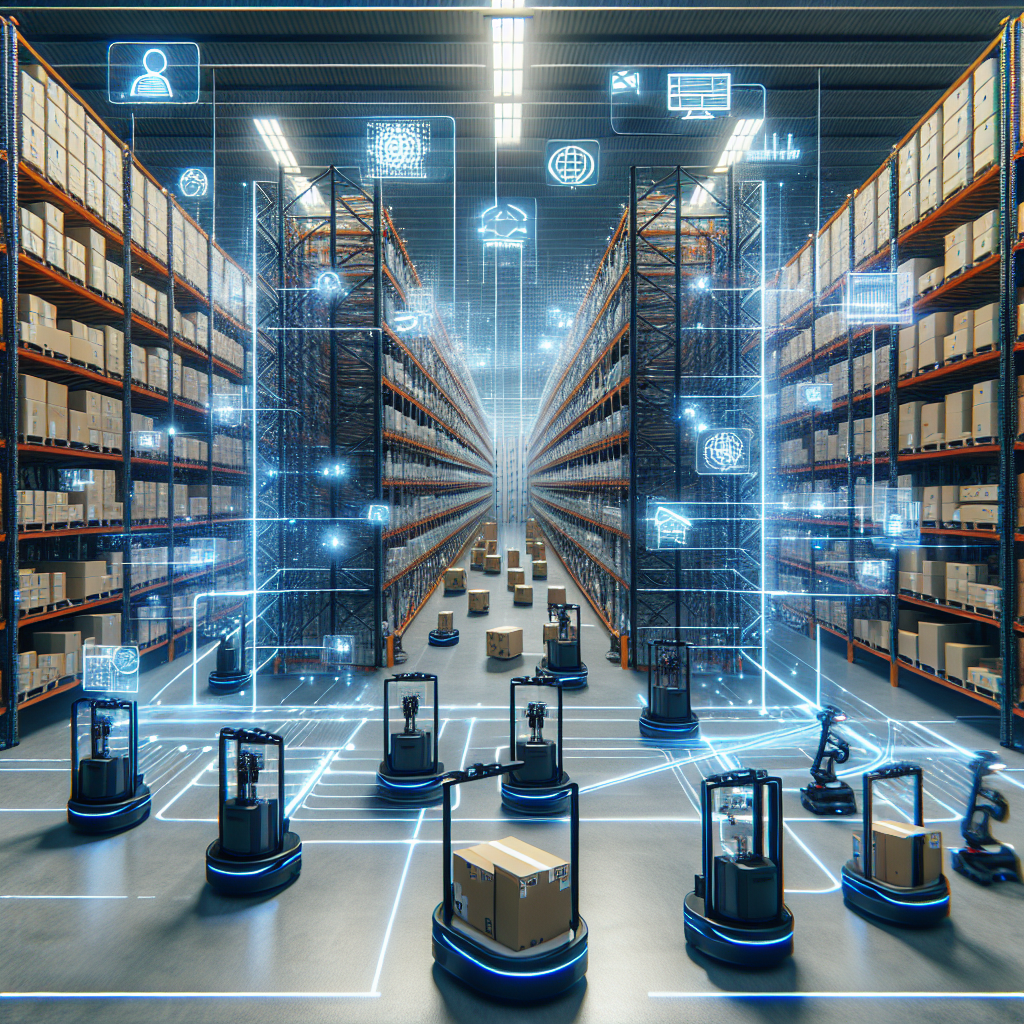
Your warehouse is the heart of your supply chain, and modern warehouse management has evolved far beyond clipboards and manual counts. Today’s successful operations leverage technology to create visibility and efficiency at every step of the process.
Think of your warehouse as a living ecosystem where every item, every movement, and every decision point generates valuable data. By implementing automated systems that track inventory locations, monitor stock levels, and optimize picking routes, you can dramatically reduce errors and speed up fulfillment times. This foundation of efficiency becomes absolutely critical when external disruptions threaten to throw your operations off balance.
The Power of Modern Inventory Management Software
Gone are the days when spreadsheets could adequately manage your inventory needs. Modern inventory management software serves as your command center, giving you a real-time view of stock levels across multiple locations, forecasting demand patterns, and automatically triggering reorder points.
The best part? These systems learn from your historical data to help you make smarter decisions about what to stock, when to order, and how much buffer to maintain. When shipping disruption hits, having this intelligence at your fingertips means you can quickly pivot and adjust your strategies based on actual data rather than gut feelings.
Real-Time Visibility with IoT Inventory Tracking
Imagine knowing exactly where every item in your inventory is located at any given moment, along with its condition and movement history. That’s the promise of real-time IoT inventory tracking, and it’s becoming increasingly accessible to businesses of all sizes.
IoT sensors and RFID tags create a connected network throughout your supply chain, from the moment goods leave your supplier to when they reach your customer’s doorstep. This visibility is invaluable during disruptions because it allows you to identify bottlenecks immediately, reroute shipments when necessary, and keep customers informed with accurate delivery estimates.
Rethinking Your Inventory Strategy
Safety Stock Strategy in Uncertain Times
A well-designed safety stock strategy acts as your insurance policy against the unexpected. Rather than keeping excess inventory everywhere “just in case,” smart businesses calculate optimal safety stock levels based on demand variability, lead time uncertainty, and the cost of stockouts.
The trick is finding that sweet spot where you’re protected against disruptions without tying up too much capital in inventory. Your safety stock calculations should factor in recent supply chain volatility and adjust dynamically as conditions change. During periods of heightened logistics disruption, you might temporarily increase safety stock for critical items while maintaining leaner levels for products with reliable supply chains.
Just-in-Time Inventory Risks
Just-in-time inventory has long been praised for its efficiency and cost savings, but recent years have exposed its vulnerabilities. When everything runs smoothly, JIT minimizes waste and maximizes cash flow. However, when shipping disruption occurs, businesses relying heavily on JIT can find themselves unable to fulfill customer orders.
This doesn’t mean abandoning JIT entirely, but rather adopting a more balanced approach. Consider implementing a hybrid model where you maintain JIT practices for items with stable supply chains while keeping strategic reserves of products that are critical to your business or prone to supply interruptions. Flexibility is your friend in this new landscape.