







Understanding Today’s Critical Maritime Chokepoints
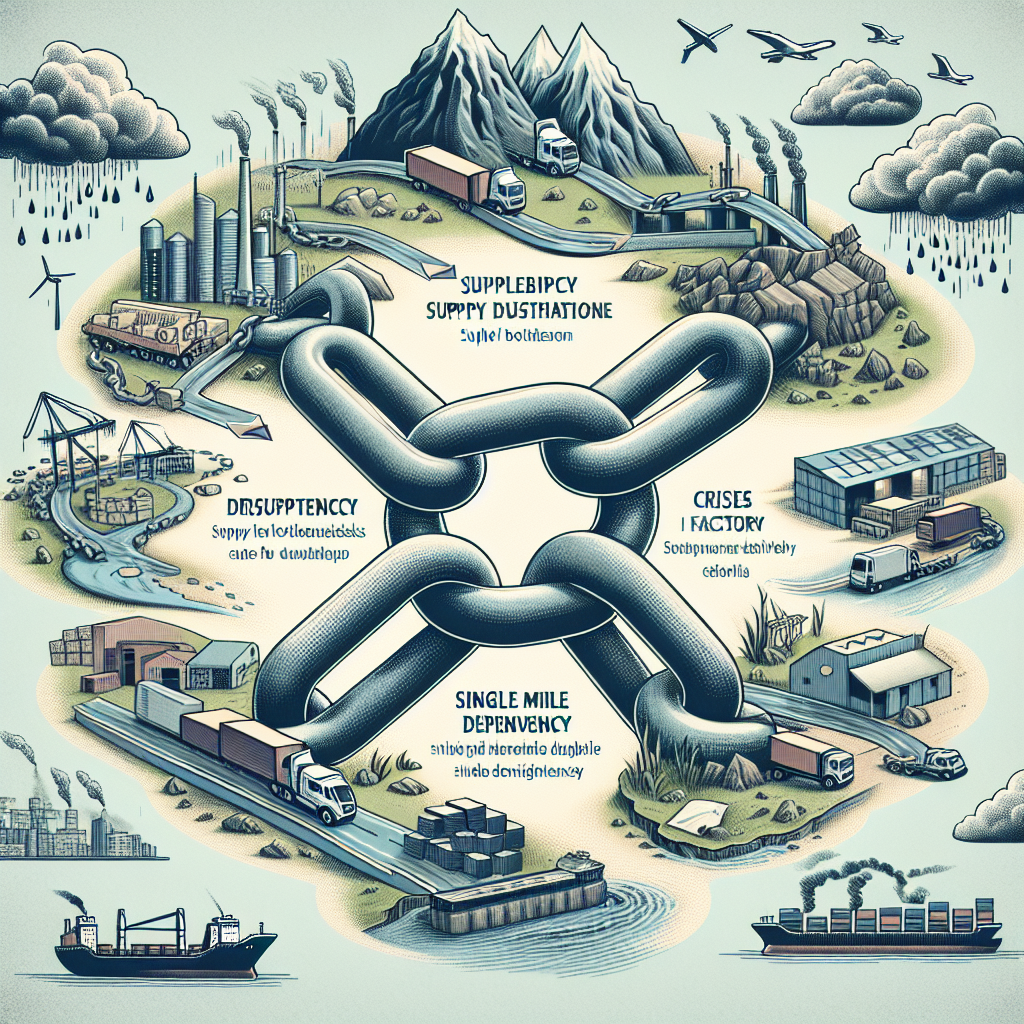
If you’ve been following global trade news lately, you’ve probably heard about shipping disruptions making waves across the supply chain world. Two areas in particular—the Red Sea and the Strait of Hormuz—have become focal points for logistics professionals everywhere. These narrow waterways aren’t just geographical features on a map; they’re lifelines for global commerce, and when they’re disrupted, the effects ripple through every industry imaginable.
Let me walk you through what’s happening in these critical regions and, more importantly, how your business can stay resilient in the face of these challenges.
Red Sea Shipping Disruptions: What’s Really Going On
The Red Sea shipping disruptions have transformed one of the world’s busiest maritime corridors into a zone of uncertainty. This vital route, which connects the Mediterranean Sea through the Suez Canal to the Indian Ocean, typically handles about 12% of global trade. When vessels face threats or delays here, companies scramble to find alternatives.
Recent security concerns have forced many shipping companies to reroute vessels around the Cape of Good Hope—adding roughly 3,500 nautical miles and 10-14 days to journey times. That’s not just an inconvenience; it translates to higher fuel costs, delayed deliveries, and stressed supply chains trying to keep up with customer expectations.
The Domino Effect on Your Supply Chain
When Red Sea routes become unreliable, the consequences cascade quickly. Shipping costs spike, container availability tightens, and those carefully planned just-in-time delivery schedules suddenly look optimistic. For businesses relying on Asian manufacturers or European markets, these disruptions mean tough decisions about inventory levels, shipping budgets, and customer commitments.
Strait of Hormuz Maritime Security: A Constant Watchpoint
While the Red Sea grabs headlines, the Strait of Hormuz maritime security situation deserves equal attention from supply chain professionals. This narrow passage between Oman and Iran is even more critical—nearly 21 million barrels of oil pass through it daily, representing about one-fifth of global petroleum consumption.
The strait’s strategic importance makes it a perpetual concern for maritime security experts. Any disruption here doesn’t just affect shipping schedules; it can send energy prices soaring and create inflationary pressures that touch virtually every product category.
Energy Costs and Beyond
Even if your business doesn’t directly import oil, Strait of Hormuz tensions affect you. Higher energy costs increase manufacturing expenses, transportation fees, and ultimately the price of goods throughout the supply chain. Understanding this connection helps explain why geopolitical events in this region matter to businesses thousands of miles away.
Geopolitical Risk Mitigation in Logistics: Your Action Plan
So what can you actually do about these geopolitical wildcards? The good news is that geopolitical risk mitigation in logistics has become much more sophisticated. You don’t have to simply hope for the best and react when crises hit.
Diversification Is Your Friend
The smartest supply chain leaders are building flexibility into their networks. This means working with multiple suppliers across different regions, establishing relationships with various shipping providers, and considering alternative transportation modes when waterways become risky. Yes, diversification often costs more upfront, but it’s insurance against catastrophic disruptions.
Real-Time Chokepoint Tracking: Your Early Warning System
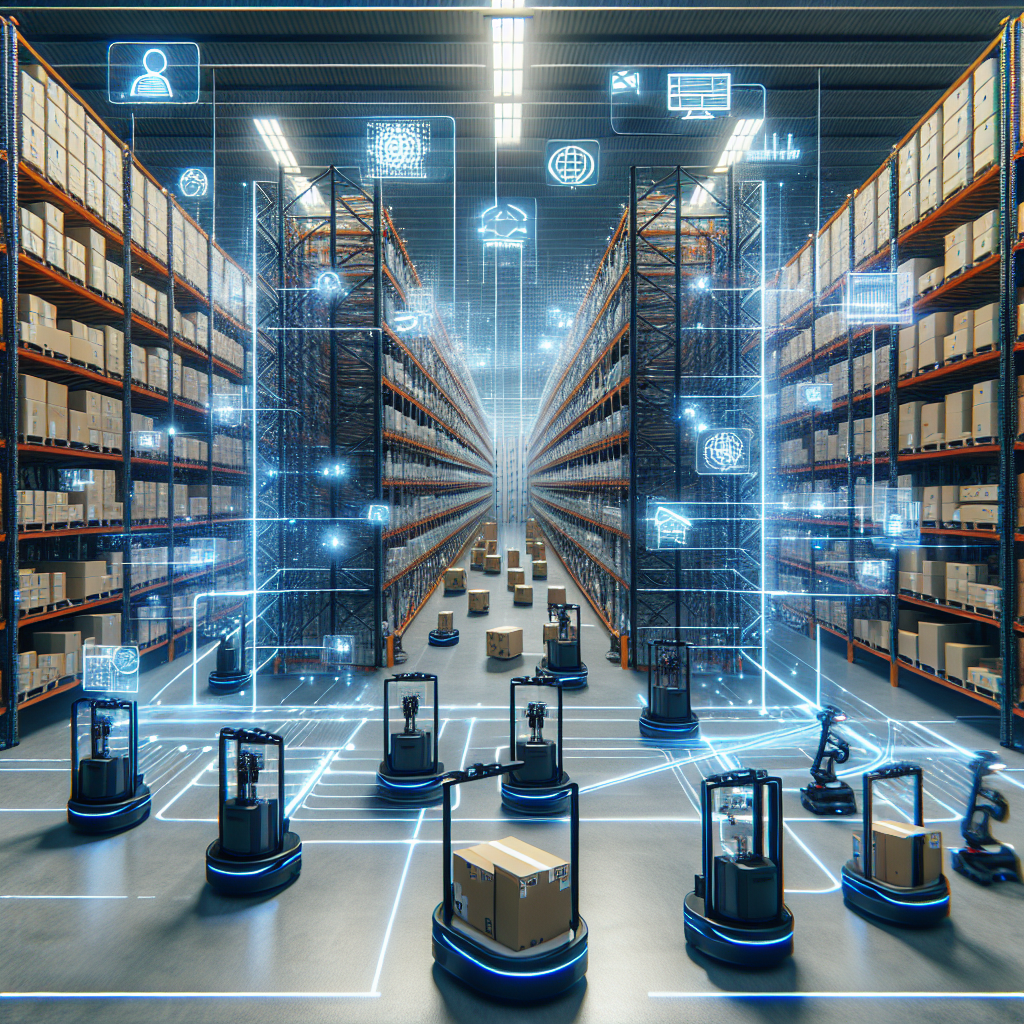
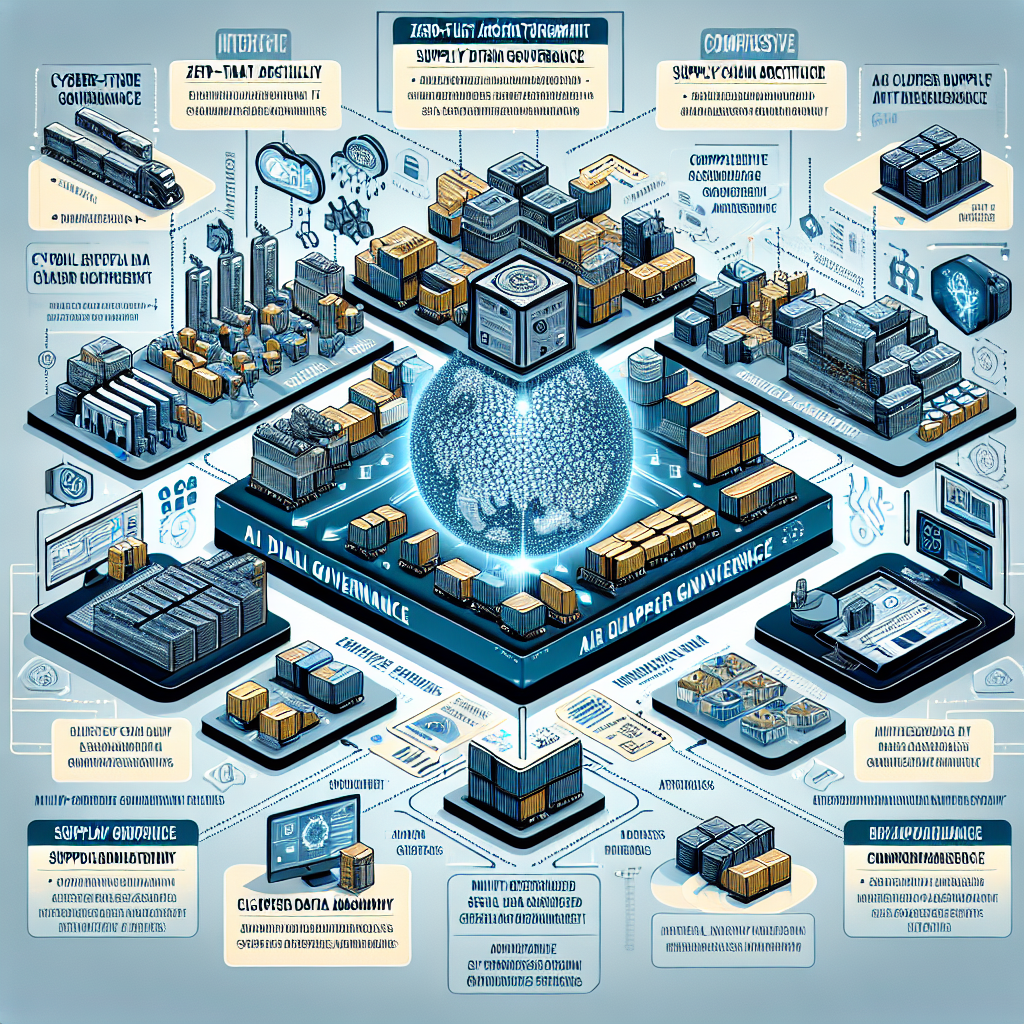
Technology has given us an incredible advantage: real-time chokepoint tracking systems that monitor conditions at critical maritime passages. These platforms aggregate data from multiple sources—maritime traffic patterns, security alerts, weather conditions, and geopolitical developments—to give you actionable intelligence.
By implementing real-time tracking, you can spot potential disruptions days or even weeks before they impact your shipments. This advance warning creates precious time to reroute cargo, adjust inventory plans, or communicate proactively with customers about potential delays.