





Why Supply Chain Visibility Matters More Than Ever
In today’s fast-paced business environment, knowing exactly where your products are at any given moment isn’t just a nice-to-have—it’s essential for success. Complete supply chain visibility has become the cornerstone of efficient operations, allowing companies to respond quickly to disruptions, optimize inventory levels, and keep customers happy with timely deliveries.
Gone are the days when businesses could rely on periodic updates and manual tracking methods. Modern supply chains are complex networks spanning multiple countries, involving dozens of suppliers, and handling thousands of products simultaneously. Without real-time insights into this intricate web, companies risk stockouts, excess inventory, and missed opportunities.
Understanding Multi-Tier Supplier Visibility
Most companies have a good handle on their direct suppliers, but what about the suppliers behind those suppliers? Multi-tier supplier visibility extends your view beyond your immediate partners to include second, third, and even fourth-tier suppliers in your network.
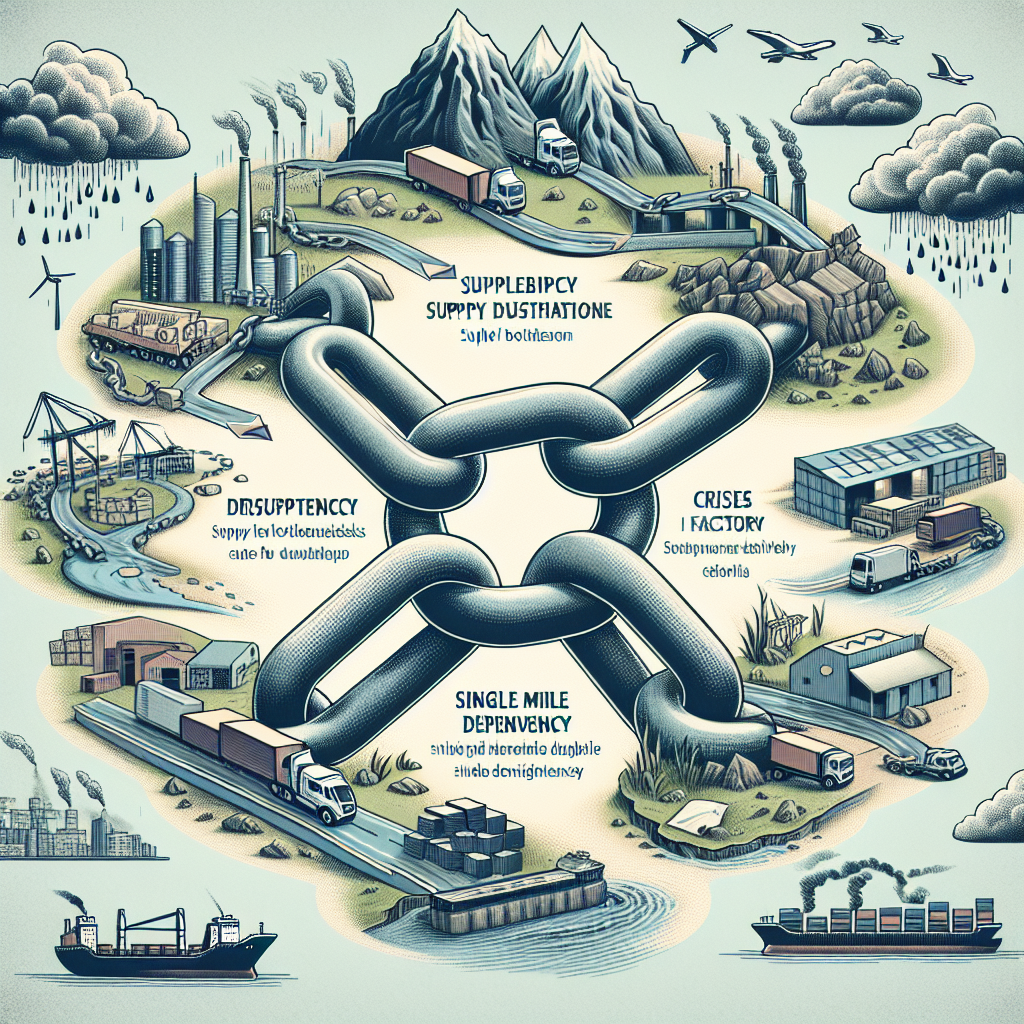
This deeper visibility is crucial because disruptions often originate far upstream in the supply chain. A natural disaster affecting a raw material supplier three tiers down can impact your production weeks later if you’re not aware of the connection. By implementing multi-tier supplier visibility, you can identify potential risks before they become critical problems and develop contingency plans accordingly.
Building this level of transparency requires collaboration and trust throughout your supplier network. It also demands sophisticated technology platforms that can collect, organize, and present data from multiple sources in a meaningful way.
Real-Time IoT Inventory Tracking: The Game Changer
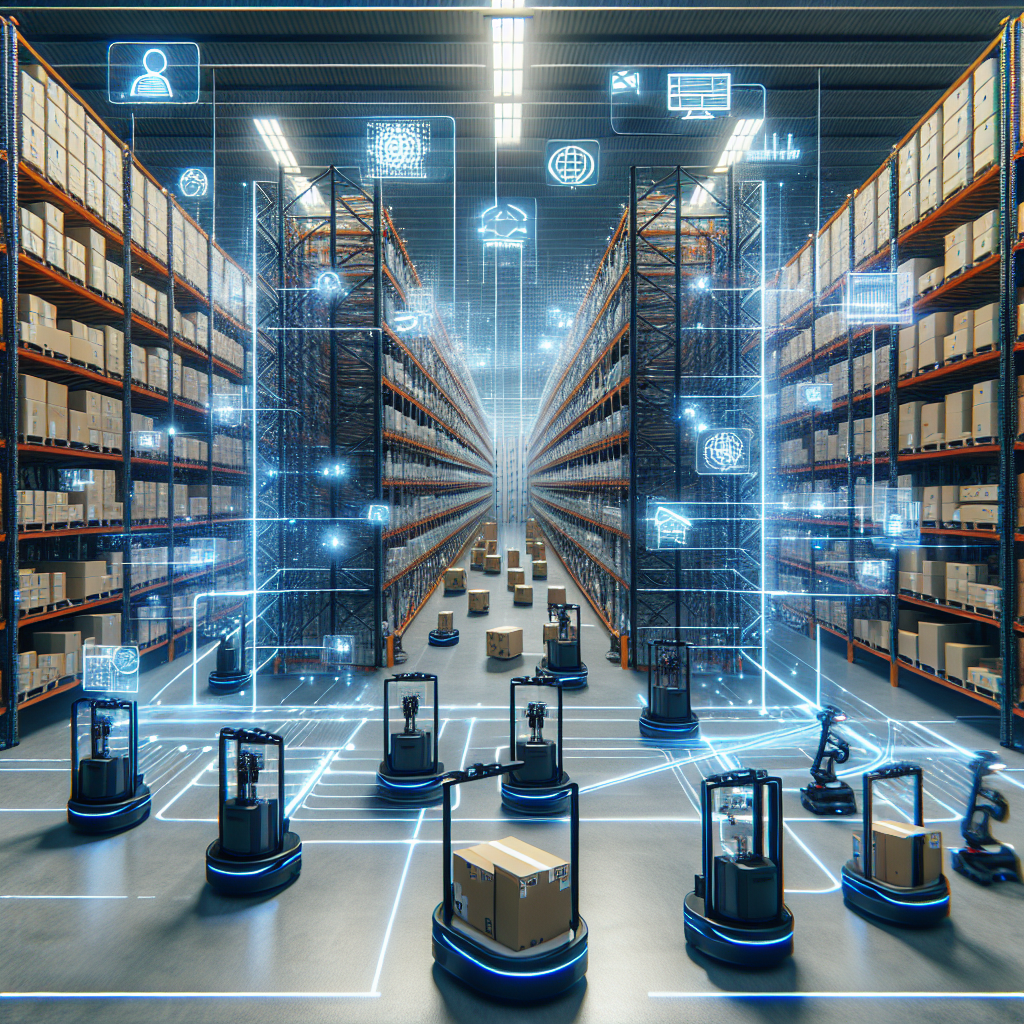
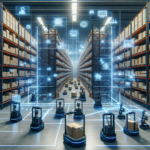
The Internet of Things has revolutionized how we track inventory and assets throughout the supply chain. Real-time IoT inventory tracking uses sensors, RFID tags, GPS devices, and other connected technologies to provide continuous updates on product location, condition, and status.
Benefits of IoT-Enabled Tracking
Imagine knowing not just where your shipment is, but also its temperature, humidity exposure, and whether it’s experienced any shocks or drops during transit. IoT sensors make this possible, providing granular data that helps ensure product quality and enables proactive problem-solving.
Real-time tracking also eliminates the frustrating “black holes” that occur during international shipping or when goods change hands between carriers. You maintain continuous visibility from the moment products leave your supplier’s facility until they arrive at their final destination.
Practical Applications
For perishable goods, IoT sensors monitor temperature throughout the cold chain, automatically alerting managers if conditions deviate from acceptable ranges. In manufacturing, connected devices track components through production processes, ensuring nothing gets lost or delayed. Retailers use IoT tracking to optimize warehouse operations and maintain accurate stock counts without manual cycle counting.
End-to-End Visibility Platforms: Your Command Center
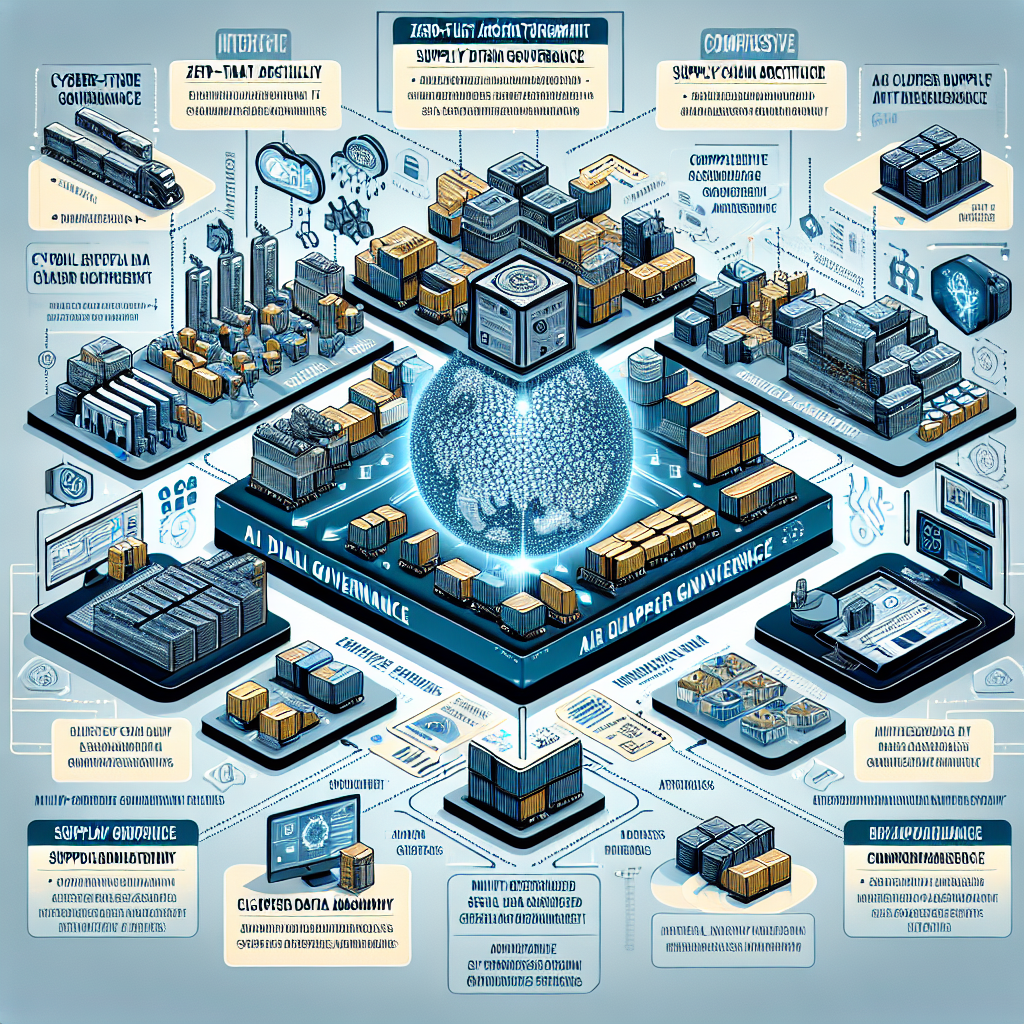
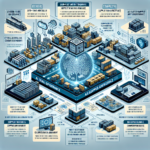
Collecting data from multiple sources is only valuable if you can make sense of it all. End-to-end visibility platforms serve as centralized command centers that integrate information from suppliers, logistics providers, IoT devices, and internal systems into a single, coherent view.
These platforms use advanced analytics and visualization tools to transform raw data into actionable insights. Rather than drowning in spreadsheets and reports, managers can see at a glance where potential issues exist, which shipments need attention, and how the overall supply chain is performing against key metrics.
The best platforms offer customizable dashboards that let different stakeholders focus on the information most relevant to their roles. Procurement teams can monitor supplier performance, logistics managers can track shipments, and executives can view high-level KPIs—all from the same underlying data.
Enhancing Demand Forecasting with Complete Visibility
One of the most powerful benefits of comprehensive supply chain visibility is its impact on demand forecasting. When you have accurate, real-time data about inventory levels, shipment status, and supplier capabilities, you can make much more precise predictions about future demand and supply.
Traditional forecasting methods rely heavily on historical sales data and seasonal trends. While these factors remain important, modern demand forecasting incorporates real-time supply chain data to create more dynamic and responsive predictions.