





The world of logistics is experiencing a revolutionary shift, and it’s being powered by something truly exciting: agentic AI. If you’ve been following the evolution of AI in supply chain management, you know that we’ve moved far beyond simple automation. Today’s supply chains are becoming smarter, more autonomous, and increasingly capable of making decisions on their own. Let’s explore how this transformation is reshaping the way businesses handle procurement, logistics, and operations.
What Makes Agentic AI Different?
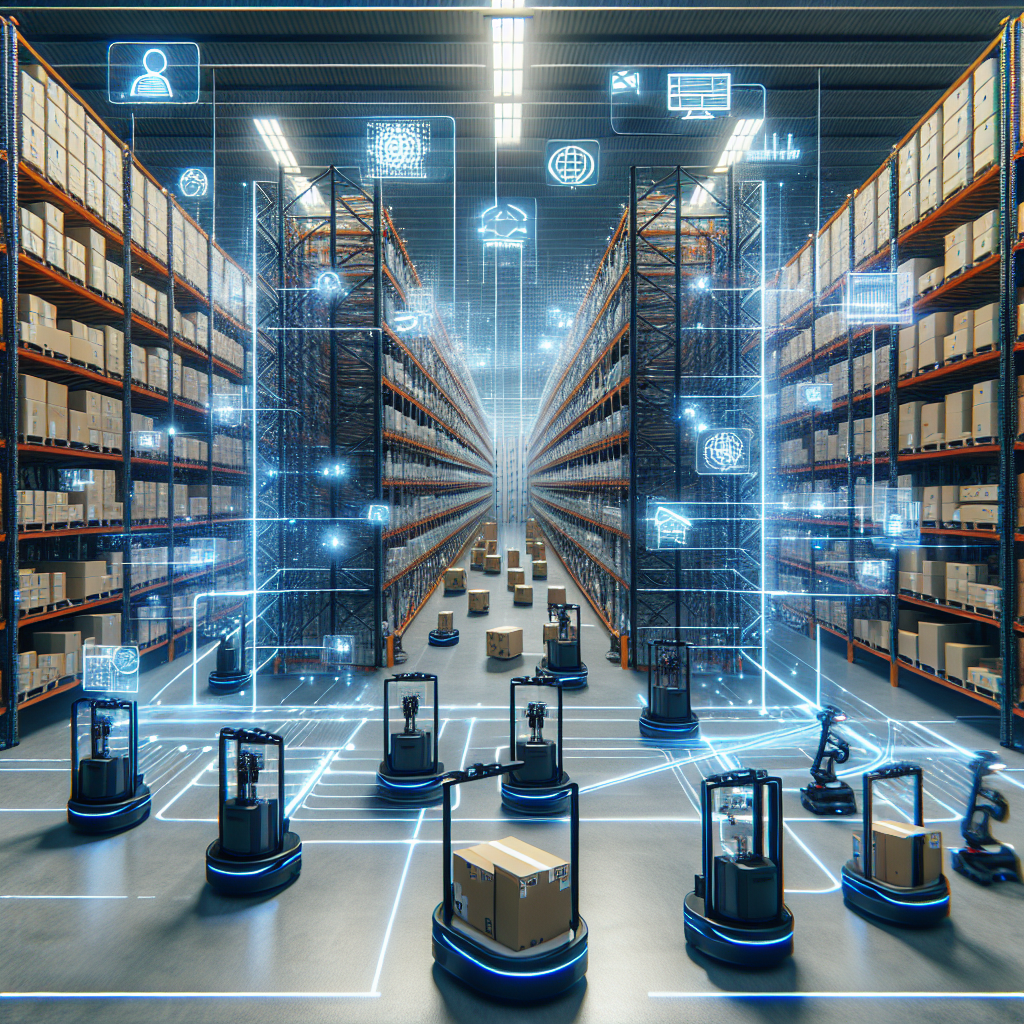
When we talk about agentic AI in supply chain, we’re referring to intelligent systems that don’t just follow pre-programmed rules—they actually think, learn, and act independently to achieve specific goals. Unlike traditional automation that requires constant human oversight, these AI agents can analyze complex situations, make informed decisions, and execute actions with minimal intervention. It’s like having a team of tireless experts working 24/7 to optimize every aspect of your supply chain.
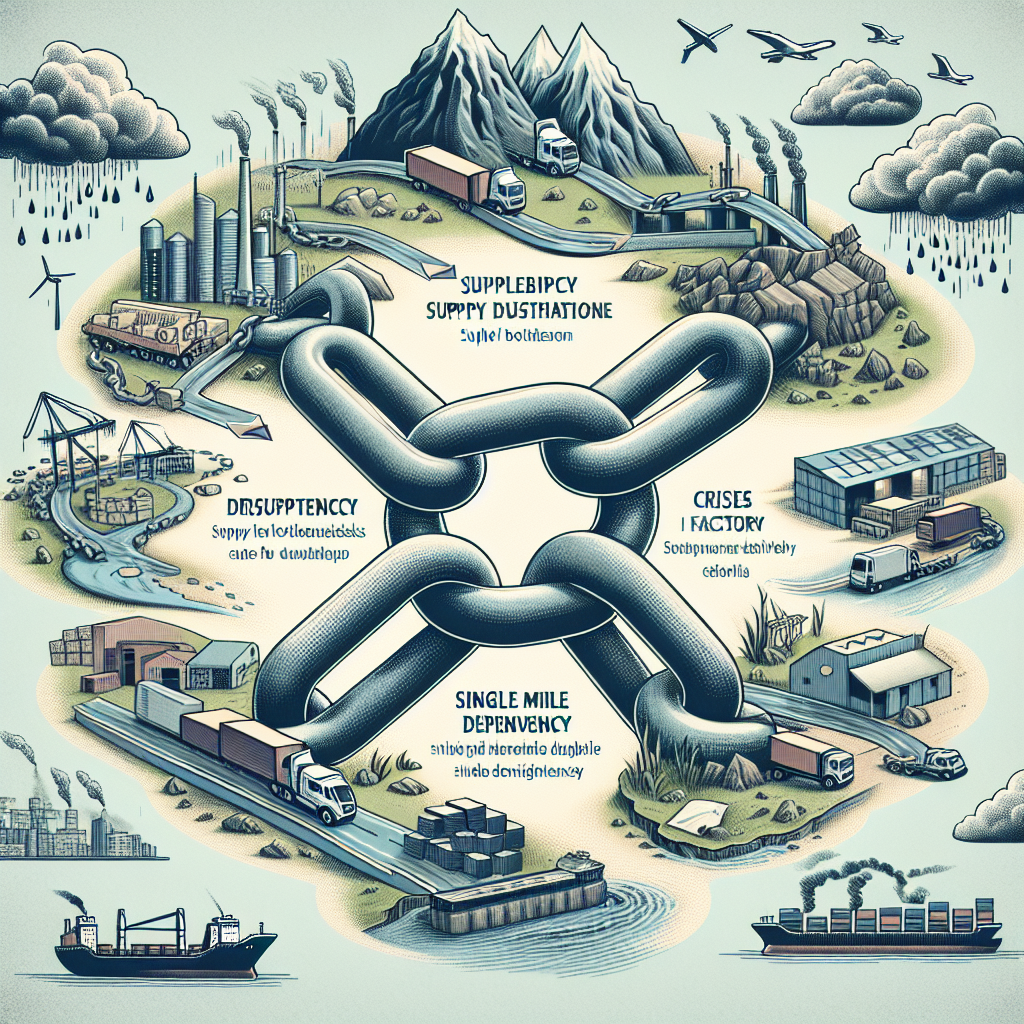
The beauty of this technology lies in its ability to handle uncertainty and complexity. Supply chains are inherently unpredictable, with countless variables affecting everything from raw material availability to delivery times. Agentic AI thrives in this environment, continuously adapting to new information and changing conditions.
Autonomous Procurement Agents: Your New Digital Partners
One of the most exciting applications of this technology is the emergence of autonomous procurement agents. These intelligent systems are transforming how organizations source materials, negotiate with suppliers, and manage purchasing decisions. Instead of procurement teams spending hours manually comparing quotes and tracking orders, AI agents can handle these tasks automatically.
These agents continuously monitor market conditions, assess supplier performance, predict price fluctuations, and even negotiate contract terms. They learn from historical data and outcomes, becoming more effective over time. The result? Faster procurement cycles, better prices, and reduced risk of supply disruptions.
The Human-AI Partnership
It’s important to note that autonomous procurement agents aren’t replacing human expertise—they’re amplifying it. Procurement professionals can now focus on strategic relationships and complex decision-making while their AI partners handle routine transactions and data analysis. This collaboration is creating more efficient and effective procurement departments across industries.
AI-Powered Demand Forecasting: Seeing Into the Future
Predicting customer demand has always been one of the biggest challenges in supply chain management. Traditional forecasting methods often fall short because they can’t process the massive amount of variables that influence demand. Enter AI-powered demand forecasting, which analyzes everything from historical sales data and seasonal trends to social media sentiment and economic indicators.
These advanced systems can identify patterns that humans might miss and adjust predictions in real-time as new information becomes available. Whether you’re dealing with sudden market shifts, emerging trends, or unexpected disruptions, AI-powered forecasting helps you stay ahead of the curve and maintain optimal inventory levels.
Generative AI for Logistics: Creative Problem-Solving at Scale
The application of generative AI for logistics is opening up entirely new possibilities for supply chain optimization. This technology can generate multiple routing scenarios, create optimized loading plans, and design efficient warehouse layouts. It’s like having a creative logistics expert who can instantly produce and evaluate thousands of potential solutions to complex problems.
Generative AI can also create synthetic scenarios for testing and planning, helping logistics teams prepare for situations they haven’t encountered before. This capability is invaluable for risk management and contingency planning, ensuring your supply chain remains resilient in the face of unexpected challenges.
Cognitive Supply Chain Automation: Intelligence Throughout the Network
Cognitive supply chain automation represents the next evolution beyond traditional process automation. These systems don’t just execute predefined workflows—they understand context, learn from experience, and make intelligent decisions across the entire supply chain network.
From automatically adjusting production schedules based on demand signals to rerouting shipments around weather disruptions, cognitive automation brings a level of intelligence and adaptability that was previously impossible. This technology coordinates multiple systems and processes, creating a seamless flow of goods and information from suppliers to customers.