





Why Supply Chain Visibility Matters More Than Ever
In today’s fast-paced business environment, knowing exactly where your products are at any given moment isn’t just nice to have—it’s essential. Supply chain visibility has become the backbone of successful operations, helping companies avoid disruptions, satisfy customers, and stay competitive. Whether you’re managing a small business or overseeing a global enterprise, understanding your supply chain from start to finish can make all the difference between smooth sailing and costly surprises.
The good news? Modern technology has made it easier than ever to achieve true transparency across your entire supply chain. Let’s explore how multi-tier tracking and IoT platforms are revolutionizing the way businesses manage their operations.
Understanding Multi-Tier Supplier Visibility
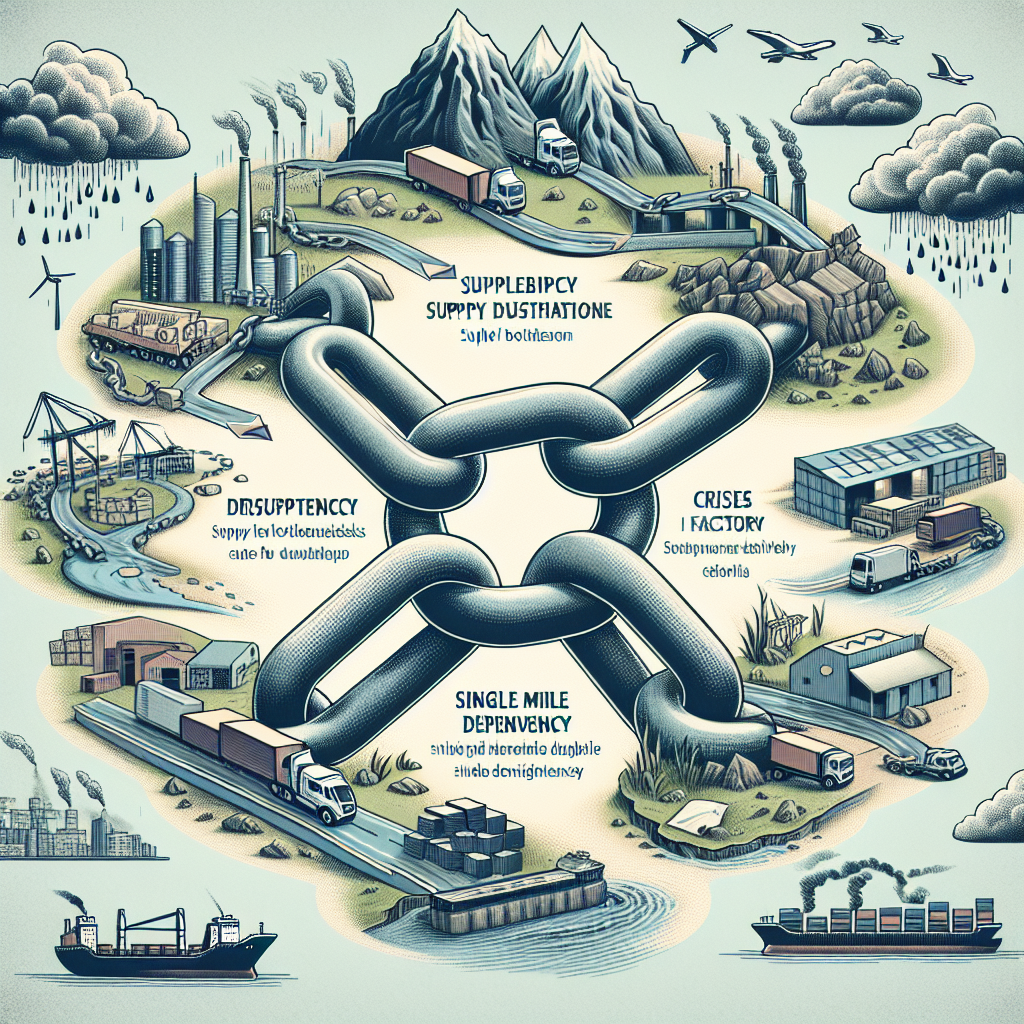
Gone are the days when tracking your direct suppliers was enough. Today’s complex supply chains often involve multiple layers of suppliers, sub-suppliers, and partners. That’s where multi-tier supplier visibility comes into play. This approach allows you to see beyond your immediate suppliers and understand what’s happening two, three, or even four tiers deep into your supply network.
Think of it like looking at a family tree—you’re not just aware of your parents, but also your grandparents and great-grandparents. This broader view helps you identify potential risks before they become problems. For instance, if a raw material supplier several tiers down experiences a delay, you’ll know about it early enough to take action, rather than being blindsided when your direct supplier can’t deliver.
The Power of Real-Time IoT Inventory Tracking
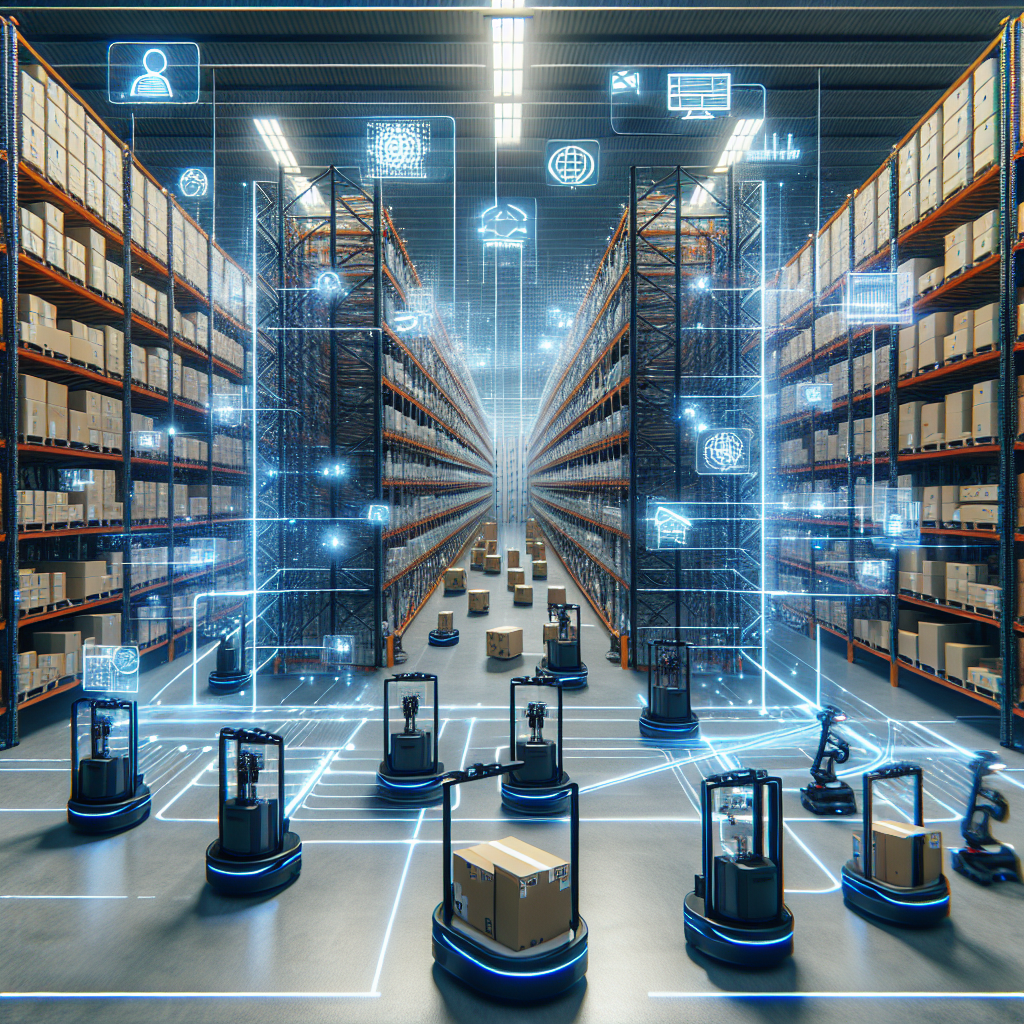
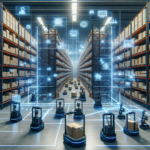
Internet of Things (IoT) technology has transformed inventory management from a guessing game into a precise science. Real-time IoT inventory tracking uses sensors, RFID tags, and connected devices to provide up-to-the-minute information about your inventory’s location, condition, and status.
Imagine having tiny digital assistants attached to your products, constantly reporting back about temperature, humidity, location, and movement. This isn’t science fiction—it’s happening right now in warehouses and transportation networks around the world. These smart sensors can alert you immediately if a refrigerated shipment gets too warm or if a high-value package deviates from its expected route.
The beauty of real-time tracking is that it eliminates uncertainty. No more wondering whether that critical shipment has arrived or worrying about stock levels. You have instant access to accurate data that helps you make informed decisions quickly.
End-to-End Visibility Platforms: Your Command Center
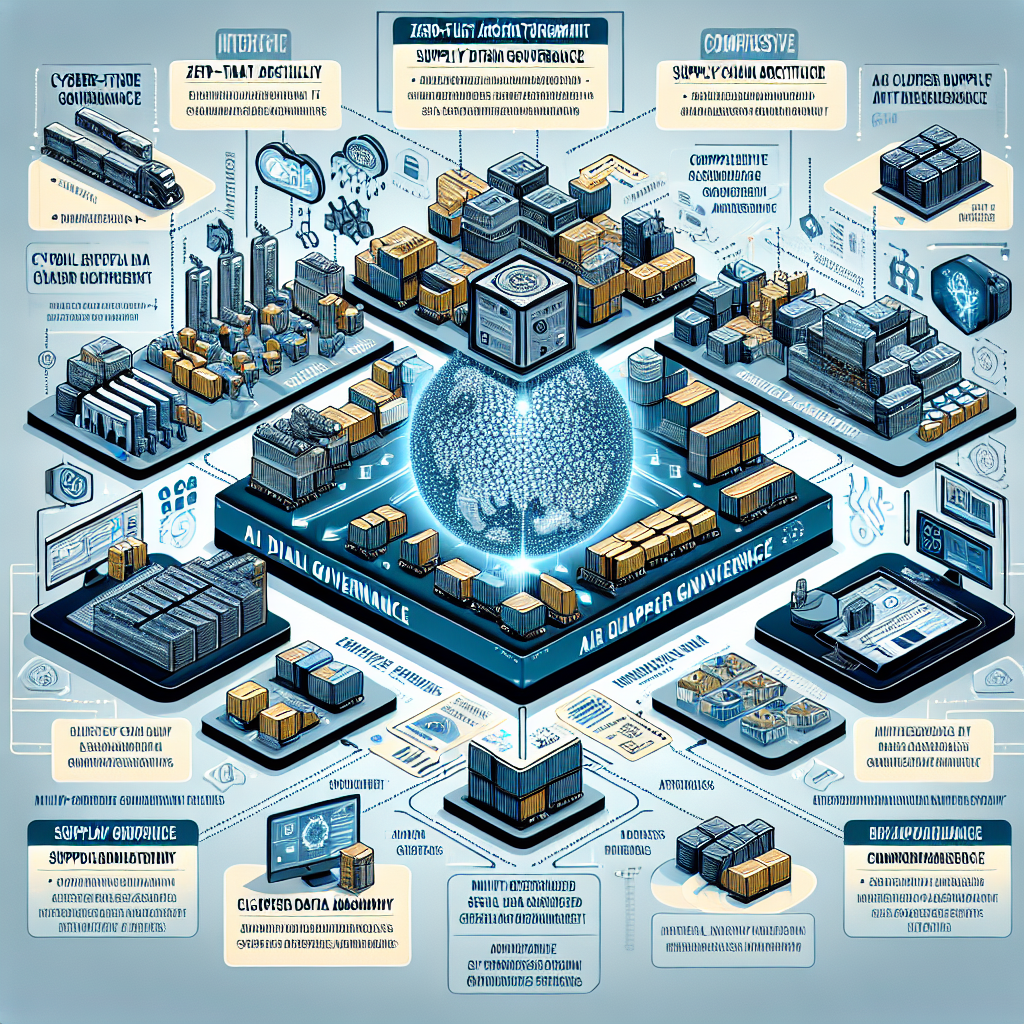
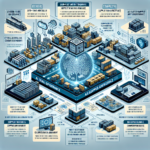
While individual tracking tools are helpful, end-to-end visibility platforms bring everything together into one cohesive system. These comprehensive platforms integrate data from multiple sources—suppliers, logistics providers, warehouses, and retail locations—creating a single source of truth for your entire supply chain.
Key Features of Modern Visibility Platforms
The best end-to-end visibility platforms offer dashboards that are both powerful and user-friendly. You can monitor shipments in transit, track inventory levels across multiple locations, and identify bottlenecks before they cause delays. Many platforms also include automated alerts that notify you when something requires attention, so you’re not constantly monitoring screens.
Integration capabilities are another crucial feature. Your visibility platform should seamlessly connect with your existing ERP, WMS, and TMS systems, pulling data from various sources without requiring manual input. This integration ensures that everyone in your organization is working with the same accurate, up-to-date information.
Collaboration and Communication Benefits
These platforms aren’t just about monitoring—they’re about collaboration. When all stakeholders have access to the same real-time information, communication becomes clearer and more efficient. Your suppliers, logistics partners, and internal teams can coordinate more effectively, reducing misunderstandings and improving overall performance.
Leveraging Data for Better Demand Forecasting
Here’s where supply chain visibility really starts to pay dividends: demand forecasting. When you have comprehensive visibility across your supply chain, you’re collecting valuable data every single day. This data becomes the foundation for accurate predictions about future demand.
Traditional demand forecasting relied heavily on historical sales data and educated guesses. Modern approaches combine that historical data with real-time information about inventory movement, supplier performance, market trends, and even external factors like weather or economic indicators. The result? Forecasts that are significantly more accurate and reliable.
Better demand forecasting means you can optimize inventory levels, reducing both stockouts and excess inventory. You’ll order the right products in the right quantities at the right time, improving cash flow and customer satisfaction simultaneously. It’s a win-win situation that directly impacts your bottom line.
Implementing Visibility Solutions: Practical Tips
Ready to enhance your supply chain visibility? Start by assessing your current state. Identify where you have blind spots and which areas would benefit most from improved visibility. You don’t need to implement everything at once—a phased approach often works best.
Choose technology partners who understand your industry and can scale with your growth. Look for solutions that offer flexibility and customization, as every supply chain has unique requirements. Don’t forget about training—even the best technology won’t deliver results if your team doesn’t know how to use it effectively.
Engage your suppliers early in the process. Multi-tier supplier visibility requires cooperation from your partners, so communicate the benefits clearly and address any concerns they might have about data sharing.
The Future Is Transparent
Supply chain visibility isn’t just a trend—it’s the future of logistics and operations management. As technology continues to evolve, we’ll see even more sophisticated tools for tracking, analyzing, and optimizing supply chains. Artificial intelligence and machine learning will make platforms smarter, while blockchain technology promises even greater transparency and security.
Companies that invest in supply chain visibility today are positioning themselves for success tomorrow. They’re building resilience, improving efficiency, and creating better experiences for their customers. In an uncertain world, the ability to see clearly across your entire supply chain is one of the most valuable competitive advantages you can have.
Whether you’re just beginning your visibility journey or looking to upgrade existing systems, the technology and platforms available today make it possible to achieve true end-to-end transparency. The question isn’t whether to invest in supply chain visibility—it’s how quickly you can get started.