





Why Supply Chain Sustainability Matters More Than Ever
Hello, friends! If you’ve been keeping up with business trends lately, you’ve probably noticed that supply chain sustainability has become one of the hottest topics in boardrooms and industry conferences. And honestly? It’s about time! The way we move products from raw materials to customer hands has a massive impact on our planet, and forward-thinking companies are finally taking notice.
The good news is that sustainable supply chain management isn’t just good for the environment—it’s becoming a competitive advantage. Customers increasingly want to know where their products come from, how they’re made, and what happens to them after use. Let’s dive into how you can transform your supply chain into a force for good!
Understanding Circular Supply Chain Management
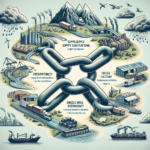
Think of traditional supply chains as a straight line: take, make, use, dispose. Not ideal, right? Circular supply chain management flips this model on its head by creating closed-loop systems where materials keep circulating instead of ending up in landfills.
This approach requires rethinking everything from product design to end-of-life recovery. Companies embracing circularity are designing products that can be easily disassembled, repaired, refurbished, or recycled. It’s not just environmentally responsible—it also unlocks new revenue streams and reduces dependence on virgin raw materials.
The Power of Reverse Logistics for Circularity
One of the coolest aspects of circular supply chains is reverse logistics for circularity. Instead of products ending their journey at the customer’s doorstep, reverse logistics brings them back into the system. This might mean collecting used products for refurbishment, recycling components, or harvesting valuable materials for reuse.
Companies like Patagonia and IKEA have built impressive reverse logistics networks that turn old products into valuable resources. Setting up these systems takes planning, but the environmental and economic benefits are absolutely worth it!
Creating Your Net-Zero Supply Chain Roadmap
Ready to tackle climate change head-on? Developing a net-zero supply chain roadmap is your blueprint for eliminating carbon emissions across your entire value chain. This isn’t an overnight journey, but breaking it down into manageable steps makes it totally achievable.
Start by measuring your current carbon footprint across all operations. Then set ambitious but realistic reduction targets with clear timelines. Your roadmap should include quick wins—like switching to renewable energy—alongside longer-term transformations like sustainable material substitution and supplier engagement.
Mastering Scope 3 Emissions Tracking
Here’s where things get interesting (and challenging!). While measuring your direct emissions (Scope 1) and purchased energy (Scope 2) is relatively straightforward, Scope 3 emissions tracking covers everything else—from supplier operations to product transportation to end-of-life disposal. These often represent 80-90% of a company’s total carbon footprint!
The key to successful Scope 3 tracking is collaboration. You’ll need to work closely with suppliers, logistics partners, and even customers to gather accurate data. Yes, it’s complex, but understanding your true climate impact is essential for meaningful action.
Carbon Accounting for Tier 3 Suppliers
Let’s talk about one of the trickiest aspects of carbon accounting for Tier 3 suppliers. These are the suppliers of your suppliers’ suppliers—the ones several steps removed from your direct relationships but still part of your value chain.
Getting visibility this far down the chain requires creativity and persistence. Consider using industry averages initially, then gradually work toward primary data collection. Digital platforms and supplier engagement programs can help you gather the information you need without overwhelming smaller suppliers who might lack sophisticated tracking systems.
Sustainable Material Substitution Strategies
One of the most impactful ways to green your supply chain is through sustainable material substitution. This means replacing conventional materials with eco-friendly alternatives that have lower environmental footprints without compromising quality or performance.
Think bio-based plastics instead of petroleum-based ones, recycled metals instead of virgin ores, or organic cotton instead of conventional cotton. The options are expanding rapidly as material science advances. The trick is finding substitutions that work for your specific products while considering factors like durability, cost, and supplier availability.
Transitioning to Green Logistics
Transportation is often the most visible part of supply chain emissions, which makes it a great place to start your sustainability journey. Green logistics EV fleet transition is gaining serious momentum as electric vehicle technology improves and charging infrastructure expands.
Many companies are starting with last-mile delivery vehicles, where electric vans and trucks make the most economic sense. But don’t stop there! Consider rail over road for long distances, optimize route planning to reduce miles traveled, and explore emerging technologies like electric cargo ships and sustainable aviation fuel for air freight.
Building Ethical Supply Chain Transparency
Sustainability isn’t just about environmental metrics—it’s deeply connected to social responsibility. Ethical supply chain transparency means knowing who makes your products, under what conditions, and ensuring fair treatment throughout your value chain.
This requires looking beyond your direct suppliers to understand working conditions, wages, and community impacts at every tier. Transparency builds trust with customers and helps you identify and address issues before they become crises. It’s not always comfortable to shine a light on every corner of your supply chain, but it’s the right thing to do.
Blockchain for Ethical Sourcing
Technology is making transparency easier than ever! Blockchain for ethical sourcing creates immutable records that track products from origin to end user. This technology is particularly powerful for verifying claims about organic certification, fair trade practices, or conflict-free minerals.
While blockchain isn’t a magic solution to all supply chain challenges, it’s an increasingly accessible tool for creating verifiable, trustworthy records. Several industries—from coffee to diamonds to electronics—are already using blockchain to prove their ethical sourcing claims.
Getting Started on Your Sustainability Journey
Feeling overwhelmed? Don’t be! The most important thing is to start somewhere. Pick one area—maybe reverse logistics, maybe EV fleet transition—and build momentum from there. Celebrate your wins, learn from setbacks, and remember that every step toward a more sustainable supply chain makes a difference.
The future of supply chain management is circular, transparent, and net-zero. Companies that embrace this transformation early will lead their industries, attract purpose-driven talent, and build lasting customer loyalty. Plus, you’ll sleep better knowing you’re part of the solution to our planet’s biggest challenges!
What aspect of sustainable supply chain management are you most excited to tackle? The journey of a thousand miles begins with a single step—let’s take that step together!