





The Evolution of Demand Forecasting in Modern Supply Chains
Remember the days when demand forecasting meant staring at spreadsheets for hours, trying to spot patterns in historical data? Those days are quickly becoming a distant memory. Today’s supply chain professionals are embracing AI-powered demand forecasting to revolutionize how they predict customer needs and optimize operations. This isn’t just about getting better numbers—it’s about transforming the entire approach to supply chain management.
Traditional demand forecasting methods often left businesses playing catch-up with market changes. But with artificial intelligence entering the picture, companies can now anticipate shifts before they happen, making supply chains more responsive and efficient than ever before.
How AI-Powered Demand Forecasting Changes the Game
What makes AI-powered demand forecasting so special? Unlike conventional methods that rely on simple historical trends, AI algorithms can process massive amounts of data from multiple sources simultaneously. They consider everything from weather patterns and social media sentiment to economic indicators and seasonal variations.
The real magic happens when machine learning models continuously improve their accuracy over time. They learn from their mistakes, recognize new patterns, and adapt to changing market conditions without human intervention. This means your forecasts get smarter with every passing day.
Real-Time Insights for Better Decision Making
One of the most exciting benefits of supply chain analytics powered by AI is the ability to access real-time insights. Instead of waiting for monthly reports, supply chain managers can now see what’s happening right now and adjust their strategies accordingly. This agility is crucial in today’s fast-paced business environment where customer preferences can shift overnight.
Continuous S&OP Planning: A New Approach to Business Strategy
Sales and Operations Planning (S&OP) has traditionally been a monthly or quarterly exercise, but that’s changing. Continuous S&OP planning represents a shift toward ongoing collaboration and real-time adjustments. Instead of waiting for scheduled meetings, teams can now work together constantly, responding to changes as they occur.
AI-powered demand forecasting serves as the backbone of continuous S&OP planning. By providing accurate, up-to-date predictions, it enables cross-functional teams to make informed decisions quickly. Sales teams can confidently commit to customer orders, operations can optimize production schedules, and finance can better manage working capital.
Breaking Down Silos
Continuous S&OP planning naturally encourages better communication between departments. When everyone has access to the same real-time data and forecasts, it’s easier to align on priorities and work toward common goals. This collaborative approach reduces conflicts and creates a more unified organization.
Lead Time Reduction Through Predictive Analytics
One of the most tangible benefits of implementing AI in your supply chain is lead time reduction. When you can accurately predict what customers will order and when, you can position inventory strategically, schedule production more efficiently, and coordinate with suppliers proactively.
Think about it: if you know a spike in demand is coming three weeks before it happens, you can start preparing immediately. You’re no longer in reactive mode, scrambling to fulfill orders. Instead, you’re orchestrating a well-planned response that keeps customers happy while minimizing costs.
Optimizing Inventory Positioning
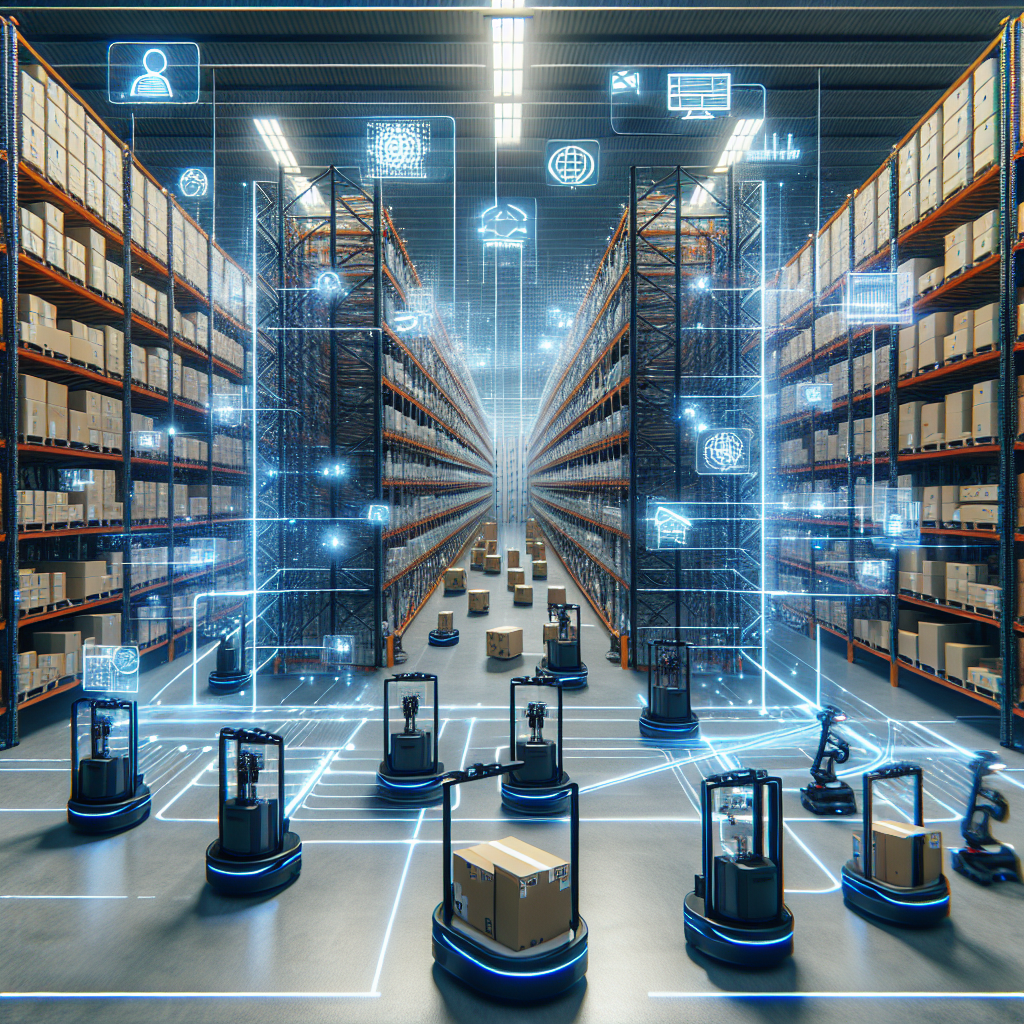
Lead time reduction isn’t just about speed—it’s also about smart positioning. Supply chain analytics helps you determine the optimal locations for inventory, reducing the distance and time needed to reach customers. This strategic placement, guided by AI predictions, can dramatically cut delivery times while reducing transportation costs.
Practical Steps to Get Started
Ready to embrace AI-powered demand forecasting in your organization? Start by assessing your current data infrastructure. AI needs quality data to work its magic, so ensure you’re collecting relevant information from all touchpoints in your supply chain.
Next, consider starting with a pilot project. Choose one product line or region to test AI forecasting before rolling it out across your entire operation. This approach allows you to learn, adjust, and build confidence in the technology.
Don’t forget the human element. While AI handles the heavy computational lifting, your team’s expertise remains invaluable. Train your staff to interpret AI-generated insights and integrate them into their decision-making processes. The best results come from combining artificial intelligence with human intelligence.
The Future Is Now
AI-powered demand forecasting isn’t some far-off future technology—it’s available and making a difference for businesses today. Companies that embrace these tools are seeing improvements in forecast accuracy, customer satisfaction, and bottom-line results.
The transformation of supply chain analytics through AI represents more than just a technological upgrade. It’s a fundamental shift in how businesses operate, moving from reactive to proactive, from siloed to collaborative, and from uncertain to confident. Whether you’re just beginning your digital transformation journey or looking to take your supply chain to the next level, now is the perfect time to explore what AI-powered demand forecasting can do for your organization.
The supply chains of tomorrow are being built today, and they’re powered by artificial intelligence, continuous planning, and a commitment to excellence. Are you ready to join the transformation?