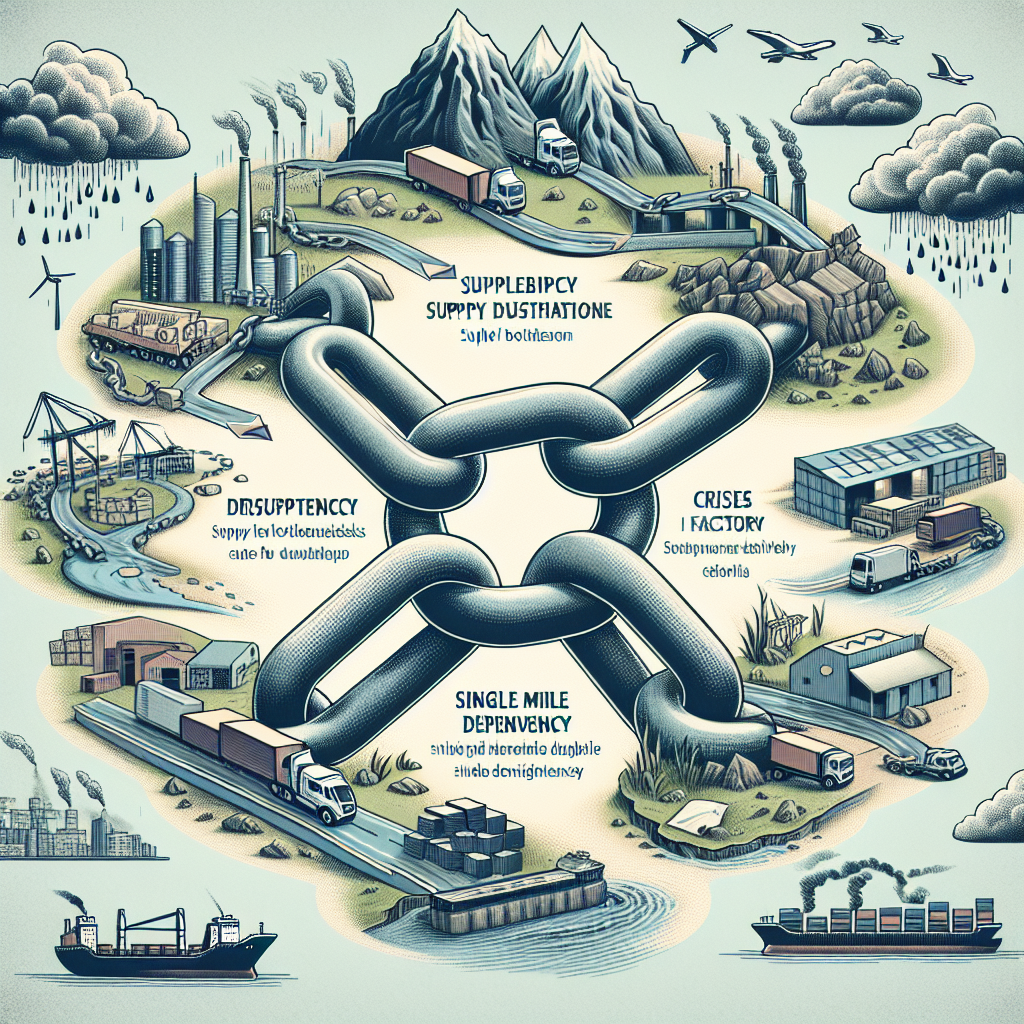







Red Sea shipping disruptions have fundamentally altered global trade routes since late 2023, forcing supply chain leaders to rethink long-established logistics strategies. Combined with persistent Strait of Hormuz maritime security concerns, these chokepoints now represent two of the most volatile pressure points in international commerce. Understanding how to track, assess, and mitigate these risks is no longer optional — it is a competitive necessity.
The Scale of Red Sea and Strait of Hormuz Disruptions
The Bab-el-Mandeb Strait and the broader Red Sea corridor account for approximately 12% of global trade volume, including a significant share of Europe-Asia container flows. Since Houthi attacks on commercial vessels intensified in late 2023, major carriers including Maersk, MSC, and CMA CGM rerouted ships around the Cape of Good Hope, adding 10–14 days and thousands of dollars in fuel costs per voyage. The Strait of Hormuz, meanwhile, remains the transit point for roughly 20% of global oil supply, making Strait of Hormuz maritime security a parallel and equally critical concern for energy-dependent industries.
According to IMF data, container shipping rates on key Asia-Europe lanes surged over 250% between December 2023 and February 2024 as a direct consequence of these rerouting decisions. For procurement and logistics managers, this translated into immediate cost shocks, delayed inventory replenishment, and cascading downstream disruptions across manufacturing and retail sectors.
Key Points
Red Sea shipping disruptions have added 10–14 transit days and significant fuel costs to Asia-Europe routes.
The Strait of Hormuz controls roughly 20% of global oil supply, amplifying energy market volatility.
Container rates on key lanes surged over 250% in early 2024 due to rerouting decisions.
Geopolitical Risk Mitigation in Logistics: Strategies Leading Companies Are Using
Effective geopolitical risk mitigation in logistics now requires a layered approach that combines intelligence gathering, supplier diversification, and contractual flexibility. Leading organizations are embedding geopolitical risk analysts within their supply chain teams and subscribing to real-time maritime intelligence platforms such as Windward AI and Lloyd’s List Intelligence to monitor vessel movements and threat escalations. These tools allow procurement teams to make rerouting decisions proactively rather than reactively.
Companies like Toyota and Samsung have publicly reinforced dual-sourcing and nearshoring strategies to reduce over-reliance on single maritime corridors. Buffer inventory policies — largely abandoned during the lean inventory era — are being reinstated for critical components sourced from Asia. Additionally, force majeure clause reviews and dynamic Incoterms renegotiations are becoming standard practice as firms seek clearer contractual protection during periods of elevated maritime risk.
Key Points
Real-time maritime intelligence platforms enable proactive rerouting and risk-based decision-making.
Dual-sourcing, nearshoring, and buffer inventory strategies are being reinstated across major industries.
Contractual reviews including force majeure clauses are critical tools for geopolitical risk mitigation in logistics.
Tariff Impact Analysis: The Hidden Cost Multiplier
Beyond freight rate increases, supply chain leaders must layer in tariff impact analysis when evaluating the true cost of maritime disruptions. When rerouting forces goods through alternative ports or changes country-of-origin classifications due to transshipment, tariff exposure can shift significantly. For instance, goods rerouted through non-standard transshipment hubs may trigger rules-of-origin reviews under existing free trade agreements, creating unexpected duty liabilities that erode already thin margins.
The intersection of Red Sea shipping disruptions and ongoing U.S.-China trade tensions has compounded this challenge. Companies relying on Chinese-manufactured components face a double burden: higher freight costs from rerouting and elevated Section 301 tariff exposure if sourcing strategies are not carefully managed. Conducting regular tariff impact analysis — incorporating both freight lane changes and regulatory shifts — has become an essential component of quarterly supply chain risk reviews. Tools like Flexport’s trade analytics platform are being used to model these combined cost scenarios in near real time.
Key Points
Rerouting decisions can alter country-of-origin classifications and trigger unplanned tariff liabilities.
The combination of disruption-related freight costs and tariff exposure creates compounding margin pressure.
Regular tariff impact analysis integrated into supply chain risk reviews is now considered a best practice.
Real-Time Chokepoint Tracking: Technology Enabling Faster Response
Real-time chokepoint tracking for supply chain operations has matured significantly, with platforms now offering vessel-level AIS (Automatic Identification System) data, threat zone overlays, and predictive risk scoring. Solutions like MarineTraffic and Project44’s ocean visibility tools provide logistics teams with granular, minute-by-minute updates on vessel positions relative to high-risk maritime zones. This data is increasingly being integrated directly into ERP and TMS platforms to trigger automated alerts when shipments enter defined risk corridors.
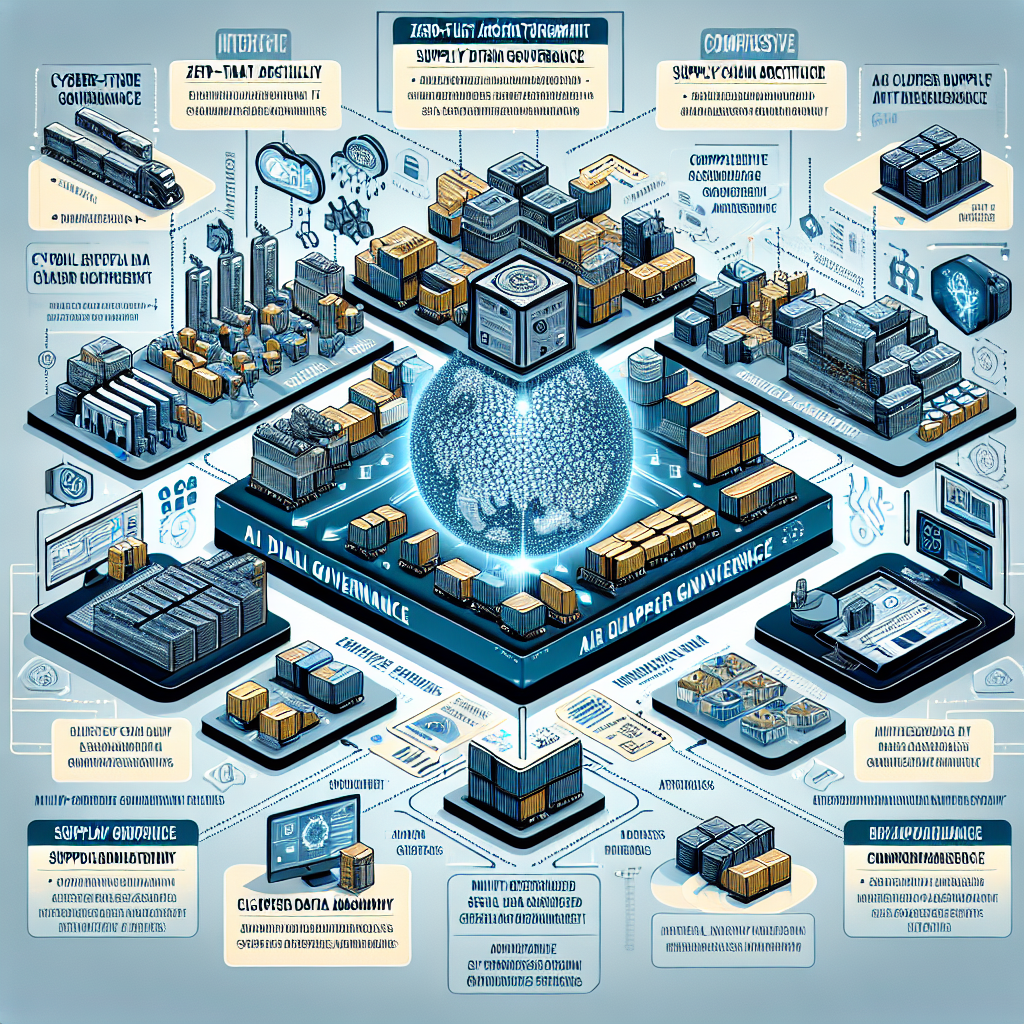
Beyond vessel tracking, forward-looking chokepoint risk models incorporate satellite imagery analysis, regional conflict monitoring, and naval activity intelligence to generate probabilistic disruption forecasts. Leading third-party logistics providers (3PLs) are now offering chokepoint risk dashboards as a value-added service, helping shippers prioritize mitigation efforts across their entire carrier and lane portfolio. The shift from reactive incident management to predictive risk intelligence represents the most significant operational evolution in supply chain resilience of the past decade.
Key Points
AIS-based real-time chokepoint tracking platforms now integrate with ERP and TMS systems for automated alerts.
Predictive risk models combine satellite imagery, conflict intelligence, and naval activity data.
3PLs are offering chokepoint risk dashboards as standard service features for enterprise shippers.
Key Takeaways
Red Sea shipping disruptions and Strait of Hormuz maritime security concerns are reshaping global trade costs, routes, and risk profiles simultaneously.
Geopolitical risk mitigation in logistics requires layered strategies including dual-sourcing, buffer inventory, and real-time intelligence integration.
Tariff impact analysis must be incorporated alongside freight cost modeling to capture the full financial exposure of maritime disruptions.
Real-time chokepoint tracking technology has evolved to deliver predictive, actionable intelligence — not just historical vessel data.
Supply chain resilience now depends on the ability to translate geopolitical signals into rapid, data-driven operational decisions.
Want to stay ahead of the next maritime disruption? Visit BestInSupplies.com for expert resources on supply chain risk management, chokepoint analysis, procurement strategy, and the latest intelligence on global logistics disruptions.